

Sinharaja Forest Reserve
About Sinharaja Forest Reserve
Description
Imagine stepping into a world that feels untouched by time—where trees tower like ancient sentinels, sunbeams filter softly through thick leaves, and the air hums with the sounds of wildlife you don’t often get to see up close. That’s Sinharaja Forest Reserve for you: a dense, virgin rainforest tucked away in Sri Lanka, offering a profound escape into nature’s rawest form. This place isn’t just any forest; it’s a UNESCO World Heritage site known for its unique biodiversity. You won't find many places on Earth where such a high percentage of species—including plants, birds, insects, and amphibians—are endemic, meaning they exist nowhere else but here.
Walking through Sinharaja’s winding footpaths, you can practically feel the history beneath your boots—a story told leaf by leaf, branch by branch. The forest remains largely pristine, thanks to strict conservation efforts, so it feels like a secret garden for those who seek more than just a typical getaway. Personally, I found it humbling to stand among trees said to be centuries old, realizing they’ve witnessed the rise and fall of civilizations while quietly holding onto their green secrets. But don’t expect fancy wheelchair ramps or high-end facilities; the forest’s beauty is raw and a bit rugged, which adds to its charm if you ask me.
For families bringing kids, it’s a surprisingly kid-friendly destination. The hikes aren’t overly strenuous, and the chance of spotting colorful birds and monkeys adds a bit of excitement for the little ones. But caution—this isn’t your everyday stroll in the park. You’ll need to wear sturdy shoes and be prepared for damp, sometimes slippery trails. Oh, and the public restrooms are basic but thankfully available—so don’t worry about going completely off-grid.
Key Features
- Virgin tropical rainforest with minimal human interference
- Home to many rare and endemic species of flora and fauna found only in Sri Lanka
- UNESCO World Heritage Status, recognized for ecological significance
- A network of foot trails offering immersive hiking experiences
- Child-friendly hikes suitable for families with kids
- Basic public restroom facilities at the entrance
- Excellent birdwatching opportunities, with over 90 species recorded
- Guided tours available for deeper insight into the forest’s ecology and conservation
- Part of a vital watershed, playing a crucial role in the region’s environmental health
Best Time to Visit
When you’re planning to visit Sinharaja, timing can really make or break your experience. The forest thrives with life throughout the year, but the best window tends to be between December and April. This is Sri Lanka’s dry season, so you’re more likely to find the trails accessible—and less squelchy underfoot. During this period, you’ll enjoy clearer skies and better chances of spotting wildlife, as it’s easier for animals to be seen rather than hiding out in heavy rains or thick fog.
Now, don’t get me wrong, visiting during the rainy months (May to November) isn’t impossible—it just requires a bit more grit. Sinharaja’s climate is typical of tropical rainforests, so sudden downpours are common. But hey, if you don’t mind getting muddy and a bit damp, the forest has this mystical vibe in the rain that’s hard to put into words. Plus, the waterfalls are running at full tilt and the vegetation looks incredibly lush. Just remember to pack good waterproof gear and waterproof your camera (unless you want precious nature shots turned into watercolors).
How to Get There
Getting into Sinharaja isn’t like hopping onto a subway. This world heritage forest is tucked in a bit off the beaten path, which honestly adds to its allure. The nearest major city is Colombo, Sri Lanka’s bustling capital, about 4-5 hours away by car—so a day trip might be a stretch, but a weekend getaway definitely works.
Most travelers choose to catch a bus toward Ratnapura or Deniyaya, towns that serve as gateways to Sinharaja. From there, local transport options or tuk-tuks can take you closer to the forest entrance. Renting a car with a driver or joining a guided tour are popular and hassle-free options if you prefer a smoother ride. Roads get narrower and a little bumpy as you near the forest, so brace yourself if you’re prone to motion sickness.
Once at the entrance, you’ll need to pay an entry fee (which goes toward conservation efforts), and it’s highly recommended to hire a local guide. Trust me, these folks know the forest like the back of their hand—spotting camouflaged creatures and explaining their stories, which transforms an ordinary hike into a mini-adventure. Speaking of which, make sure you carry some cash in local currency, as card payments are rarely accepted at the reserve.
Tips for Visiting
Alright, now that you’re seriously daydreaming about trekking through Sinharaja’s lively canopy, here are a few things I wish someone told me beforehand:
- Hire a guide: Seriously, do it. The forest is vast and easy to get a little turned around in. Plus, guides help you spot wildlife you’d otherwise miss—and they have stories, too!
- Wear proper footwear: Trails can be slippery, muddy, and uneven. Comfortable hiking shoes or boots with good grip are a must.
- Bug spray and sunscreen: Mosquitoes are no joke, so don’t forget your insect repellent. And even though the canopy blocks a lot of sun, there are spots where it peeks through.
- Pack light snacks and water: There aren’t food stalls inside the reserve. Keep yourself fueled, especially if you’re doing longer walks.
- Mind the weather: Carry a rain jacket and quick-dry clothing—nature can surprise you with heavier showers.
- Respect the wildlife: Admire from a distance, and never feed animals. It’s their home, after all.
- Leave no trace: All the beauty you see depends on visitors like you keeping the place clean. Take your trash with you, please.
- Plan ahead: Entry is controlled, so check opening hours and permit requirements ahead of time to avoid disappointment.
One time, on my visit, I spotted a rare endemic bird called the Sri Lanka Blue Magpie—glorious little thing with electric blue feathers. It was one of those moments that just stuck with me. That’s the magic of Sinharaja: it rewards your curiosity with glimpses into a world so different from our daily lives, pulling you into the rhythm of nature in a way you don’t often get to experience.
So if you're itching for an adventure that’s equal parts peaceful and thrilling—where you can breathe in fresh, earthy air, and maybe hear a monkey chatter overhead—Sinharaja Forest Reserve is waiting. Just bring your sense of wonder (and sturdy shoes), and you’ll be set.
Key Features
- Virgin tropical rainforest with minimal human interference
- Home to many rare and endemic species of flora and fauna found only in Sri Lanka
- UNESCO World Heritage Status, recognized for ecological significance
- A network of foot trails offering immersive hiking experiences
- Child-friendly hikes suitable for families with kids
- Basic public restroom facilities at the entrance
- Excellent birdwatching opportunities, with over 90 species recorded
- Guided tours available for deeper insight into the forest’s ecology and conservation
More Details
Updated June 5, 2025
Table of Contents
Description
Imagine stepping into a world that feels untouched by time—where trees tower like ancient sentinels, sunbeams filter softly through thick leaves, and the air hums with the sounds of wildlife you don’t often get to see up close. That’s Sinharaja Forest Reserve for you: a dense, virgin rainforest tucked away in Sri Lanka, offering a profound escape into nature’s rawest form. This place isn’t just any forest; it’s a UNESCO World Heritage site known for its unique biodiversity. You won’t find many places on Earth where such a high percentage of species—including plants, birds, insects, and amphibians—are endemic, meaning they exist nowhere else but here.
Walking through Sinharaja’s winding footpaths, you can practically feel the history beneath your boots—a story told leaf by leaf, branch by branch. The forest remains largely pristine, thanks to strict conservation efforts, so it feels like a secret garden for those who seek more than just a typical getaway. Personally, I found it humbling to stand among trees said to be centuries old, realizing they’ve witnessed the rise and fall of civilizations while quietly holding onto their green secrets. But don’t expect fancy wheelchair ramps or high-end facilities; the forest’s beauty is raw and a bit rugged, which adds to its charm if you ask me.
For families bringing kids, it’s a surprisingly kid-friendly destination. The hikes aren’t overly strenuous, and the chance of spotting colorful birds and monkeys adds a bit of excitement for the little ones. But caution—this isn’t your everyday stroll in the park. You’ll need to wear sturdy shoes and be prepared for damp, sometimes slippery trails. Oh, and the public restrooms are basic but thankfully available—so don’t worry about going completely off-grid.
Key Features
- Virgin tropical rainforest with minimal human interference
- Home to many rare and endemic species of flora and fauna found only in Sri Lanka
- UNESCO World Heritage Status, recognized for ecological significance
- A network of foot trails offering immersive hiking experiences
- Child-friendly hikes suitable for families with kids
- Basic public restroom facilities at the entrance
- Excellent birdwatching opportunities, with over 90 species recorded
- Guided tours available for deeper insight into the forest’s ecology and conservation
- Part of a vital watershed, playing a crucial role in the region’s environmental health
Best Time to Visit
When you’re planning to visit Sinharaja, timing can really make or break your experience. The forest thrives with life throughout the year, but the best window tends to be between December and April. This is Sri Lanka’s dry season, so you’re more likely to find the trails accessible—and less squelchy underfoot. During this period, you’ll enjoy clearer skies and better chances of spotting wildlife, as it’s easier for animals to be seen rather than hiding out in heavy rains or thick fog.
Now, don’t get me wrong, visiting during the rainy months (May to November) isn’t impossible—it just requires a bit more grit. Sinharaja’s climate is typical of tropical rainforests, so sudden downpours are common. But hey, if you don’t mind getting muddy and a bit damp, the forest has this mystical vibe in the rain that’s hard to put into words. Plus, the waterfalls are running at full tilt and the vegetation looks incredibly lush. Just remember to pack good waterproof gear and waterproof your camera (unless you want precious nature shots turned into watercolors).
How to Get There
Getting into Sinharaja isn’t like hopping onto a subway. This world heritage forest is tucked in a bit off the beaten path, which honestly adds to its allure. The nearest major city is Colombo, Sri Lanka’s bustling capital, about 4-5 hours away by car—so a day trip might be a stretch, but a weekend getaway definitely works.
Most travelers choose to catch a bus toward Ratnapura or Deniyaya, towns that serve as gateways to Sinharaja. From there, local transport options or tuk-tuks can take you closer to the forest entrance. Renting a car with a driver or joining a guided tour are popular and hassle-free options if you prefer a smoother ride. Roads get narrower and a little bumpy as you near the forest, so brace yourself if you’re prone to motion sickness.
Once at the entrance, you’ll need to pay an entry fee (which goes toward conservation efforts), and it’s highly recommended to hire a local guide. Trust me, these folks know the forest like the back of their hand—spotting camouflaged creatures and explaining their stories, which transforms an ordinary hike into a mini-adventure. Speaking of which, make sure you carry some cash in local currency, as card payments are rarely accepted at the reserve.
Tips for Visiting
Alright, now that you’re seriously daydreaming about trekking through Sinharaja’s lively canopy, here are a few things I wish someone told me beforehand:
- Hire a guide: Seriously, do it. The forest is vast and easy to get a little turned around in. Plus, guides help you spot wildlife you’d otherwise miss—and they have stories, too!
- Wear proper footwear: Trails can be slippery, muddy, and uneven. Comfortable hiking shoes or boots with good grip are a must.
- Bug spray and sunscreen: Mosquitoes are no joke, so don’t forget your insect repellent. And even though the canopy blocks a lot of sun, there are spots where it peeks through.
- Pack light snacks and water: There aren’t food stalls inside the reserve. Keep yourself fueled, especially if you’re doing longer walks.
- Mind the weather: Carry a rain jacket and quick-dry clothing—nature can surprise you with heavier showers.
- Respect the wildlife: Admire from a distance, and never feed animals. It’s their home, after all.
- Leave no trace: All the beauty you see depends on visitors like you keeping the place clean. Take your trash with you, please.
- Plan ahead: Entry is controlled, so check opening hours and permit requirements ahead of time to avoid disappointment.
One time, on my visit, I spotted a rare endemic bird called the Sri Lanka Blue Magpie—glorious little thing with electric blue feathers. It was one of those moments that just stuck with me. That’s the magic of Sinharaja: it rewards your curiosity with glimpses into a world so different from our daily lives, pulling you into the rhythm of nature in a way you don’t often get to experience.
So if you’re itching for an adventure that’s equal parts peaceful and thrilling—where you can breathe in fresh, earthy air, and maybe hear a monkey chatter overhead—Sinharaja Forest Reserve is waiting. Just bring your sense of wonder (and sturdy shoes), and you’ll be set.
Key Highlights
- Virgin tropical rainforest with minimal human interference
- Home to many rare and endemic species of flora and fauna found only in Sri Lanka
- UNESCO World Heritage Status, recognized for ecological significance
- A network of foot trails offering immersive hiking experiences
- Child-friendly hikes suitable for families with kids
- Basic public restroom facilities at the entrance
- Excellent birdwatching opportunities, with over 90 species recorded
- Guided tours available for deeper insight into the forest’s ecology and conservation
Location
Places to Stay Near Sinharaja Forest Reserve
Find and Book a Tour
Explore More Travel Guides
No reviews found! Be the first to review!
Traveler Reviews for Sinharaja Forest Reserve
There are no reviews yet. Be the first one to write one.
Have you visited Sinharaja Forest Reserve? Help other travelers by sharing your review.
You Might Also Like
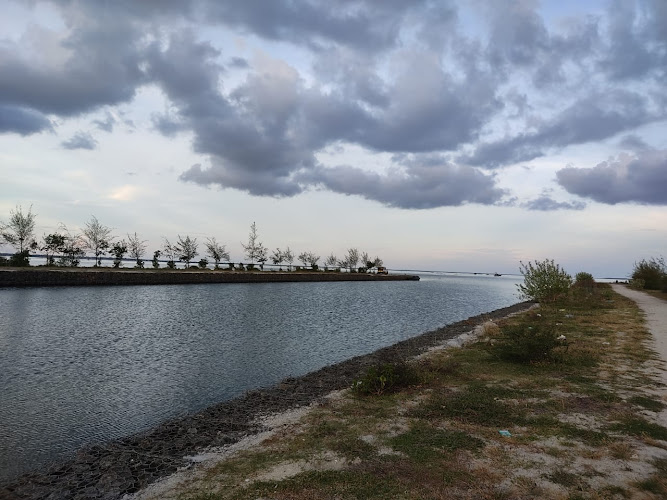
Mandaitivu Tourist Jetty
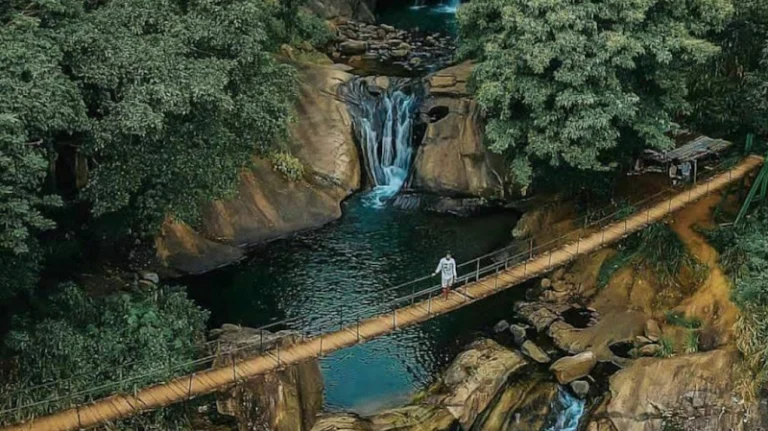
Bambarakiri Ella
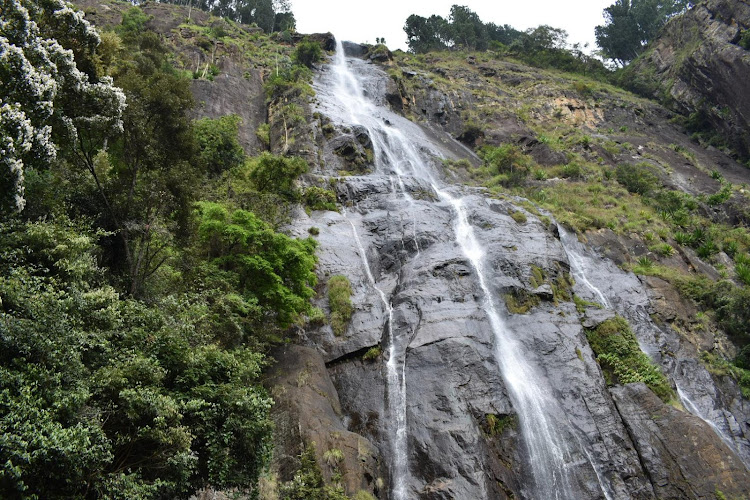
Bambarakanda Falls
Find Accommodations Nearby
Recommended Tours & Activities
Visitor Reviews
There are no reviews yet. Be the first one to write one.
Share Your Experience
Have you visited Sinharaja Forest Reserve? Help other travelers by leaving a review.