
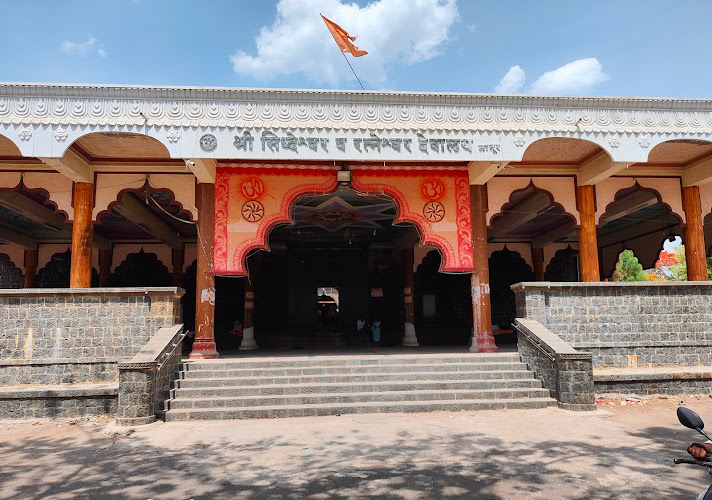
Siddheshwar Ratneshwar Temple
About Siddheshwar Ratneshwar Temple
Description
The Siddheshwar Ratneshwar Temple isn’t the kind of place that screams for attention. It doesn’t try to impress you with flashy signboards or over-polished surroundings. And honestly, that’s part of the charm. This Hindu temple has a grounded, lived-in feel, like it has seen centuries of prayers, doubts, wishes, and the occasional tired traveler just wanting to sit down for a bit. When you walk in, you sense that people come here not to tick a box, but because they genuinely believe something shifts when they bow their head inside.
Dedicated to Lord Shiva, the temple carries strong spiritual weight, especially during Mahashivratri. On regular days, it’s calm, sometimes almost quiet enough that you hear your own footsteps echo. But during festivals, the mood flips. There’s incense in the air, bells ringing in odd rhythms, and priests moving with a kind of practiced urgency. I remember once visiting early morning, half-awake, coffee-less, and still feeling oddly alert the moment I stepped inside. Call it faith, call it atmosphere, or call it placebo. Either way, it worked.
Architecturally, the temple leans traditional rather than grand. Stone structures, age-darkened surfaces, and carvings that reward slow observation. If you rush, you’ll miss them. But if you stand there for a minute longer, you notice small details: the way oil lamps leave soot marks, the smoothness of stone worn down by countless hands. It’s not pristine, and that’s fine. Temples like this are meant to be used, not preserved behind glass.
Travelers often ask if it’s “worth visiting” if they’re not religious. My honest take? Yes, if you’re curious about how faith shows up in everyday life. No, if you’re expecting a theme-park version of spirituality. This place is real. Sometimes crowded, sometimes a bit chaotic, sometimes incredibly peaceful. And that mix is what makes it memorable.
Key Features
- Dedicated to Lord Shiva, with strong significance during Mahashivratri celebrations
- Traditional stone architecture with visible signs of age and daily worship
- Active place of prayer rather than a museum-style attraction
- Onsite services available for devotees, including rituals and offerings
- Wheelchair accessible parking lot, which is still sadly rare in many temples
- Atmosphere that shifts dramatically between quiet weekdays and festival days
- A local crowd that gives visitors an authentic look at regional worship practices
Best Time to Visit
Timing your visit to Siddheshwar Ratneshwar Temple can completely change your experience. If you like calm, introspective moments, early mornings are gold. I’m talking sunrise or just after. The temple feels like it’s stretching awake, priests murmuring prayers, a few regulars sitting cross-legged in silence. It’s the kind of quiet that makes you slow down without even trying.
Evenings are busier, especially as locals drop by after work or errands. There’s energy then, more movement, more noise. Not bad noise, just life happening. If you enjoy observing people and soaking in real-world culture, evenings can be rewarding. Just don’t expect solitude.
Mahashivratri deserves a special mention. Visiting during this festival is intense, no sugarcoating it. Crowds swell, queues stretch, and patience becomes your biggest offering. But there’s also something powerful about seeing thousands of people united in devotion. If you’re a traveler who enjoys big cultural moments and doesn’t mind a bit of discomfort, this is when the temple shows its most dramatic side. Personally, I found it overwhelming but unforgettable.
Season-wise, cooler months are more comfortable, especially if you’re not used to heat. Summers can be harsh, and standing in lines then is… let’s just say it builds character.
How to Get There
Getting to Siddheshwar Ratneshwar Temple is generally straightforward, especially if you’re already in the region. Local transport options are usually the easiest way in. Auto-rickshaws and taxis are commonly used, and most drivers know the temple by name, even if their pronunciation varies wildly. If you’re driving yourself, having offline maps helps. Mobile signals can be moody at times, and nothing tests your spiritual growth like missing a turn and arguing with GPS.
Public transport users will find buses to nearby areas fairly regular, though you may need to walk the last stretch. That walk, by the way, is part of the experience. You’ll pass small shops selling flowers, coconuts, incense, and random stuff you didn’t know you needed. It’s chaotic, colorful, and very human.
For travelers coming from farther away, reaching the nearest major town first and then switching to local transport is the most practical plan. It’s not the kind of place where luxury coaches drop you at the gate, and honestly, that’s okay. Temples like this feel more meaningful when you arrive the same way locals do.
Tips for Visiting
First things first: dress modestly. This isn’t a fashion runway, and wearing respectful clothing makes everything smoother, from entry to interactions with priests. Comfortable clothes are your friend, especially if you’ll be standing or walking a lot. And footwear needs to come off, obviously. Carry socks if the ground gets too hot or cold; I learned that the hard way.
Go in with patience. Things don’t always move fast here. Rituals take time, crowds shift unpredictably, and instructions aren’t always clearly explained. Instead of getting annoyed, take it as part of the experience. Watch, listen, observe. Some of my favorite travel memories come from moments where I stopped trying to control the schedule.
If you plan to participate in any rituals, don’t hesitate to ask questions. Locals are usually helpful, even if there’s a language gap. A smile and a bit of humility go a long way. Also, keep small change handy for offerings or donations. It avoids awkward fumbling later.
Photography rules can be unclear. When in doubt, don’t. I’ve seen visitors get scolded, and trust me, it’s not a great vibe. Focus on being present instead. Not everything needs to live on your phone.
Finally, listen to your own pace. You don’t need to stay long to feel something here. Some people spend hours, others just a few minutes. Both are valid. Travel isn’t about doing things “right,” it’s about doing them honestly. And if Siddheshwar Ratneshwar Temple gives you even a small pause from the noise of travel, then it’s already done its job.
Key Features
- Dedicated to Lord Shiva, with strong significance during Mahashivratri celebrations
- Traditional stone architecture with visible signs of age and daily worship
- Active place of prayer rather than a museum-style attraction
- Onsite services available for devotees, including rituals and offerings
- Wheelchair accessible parking lot, which is still sadly rare in many temples
- Atmosphere that shifts dramatically between quiet weekdays and festival days
- A local crowd that gives visitors an authentic look at regional worship practices
More Details
Updated December 31, 2025
Table of Contents
Description
The Siddheshwar Ratneshwar Temple isn’t the kind of place that screams for attention. It doesn’t try to impress you with flashy signboards or over-polished surroundings. And honestly, that’s part of the charm. This Hindu temple has a grounded, lived-in feel, like it has seen centuries of prayers, doubts, wishes, and the occasional tired traveler just wanting to sit down for a bit. When you walk in, you sense that people come here not to tick a box, but because they genuinely believe something shifts when they bow their head inside.
Dedicated to Lord Shiva, the temple carries strong spiritual weight, especially during Mahashivratri. On regular days, it’s calm, sometimes almost quiet enough that you hear your own footsteps echo. But during festivals, the mood flips. There’s incense in the air, bells ringing in odd rhythms, and priests moving with a kind of practiced urgency. I remember once visiting early morning, half-awake, coffee-less, and still feeling oddly alert the moment I stepped inside. Call it faith, call it atmosphere, or call it placebo. Either way, it worked.
Architecturally, the temple leans traditional rather than grand. Stone structures, age-darkened surfaces, and carvings that reward slow observation. If you rush, you’ll miss them. But if you stand there for a minute longer, you notice small details: the way oil lamps leave soot marks, the smoothness of stone worn down by countless hands. It’s not pristine, and that’s fine. Temples like this are meant to be used, not preserved behind glass.
Travelers often ask if it’s “worth visiting” if they’re not religious. My honest take? Yes, if you’re curious about how faith shows up in everyday life. No, if you’re expecting a theme-park version of spirituality. This place is real. Sometimes crowded, sometimes a bit chaotic, sometimes incredibly peaceful. And that mix is what makes it memorable.
Key Features
- Dedicated to Lord Shiva, with strong significance during Mahashivratri celebrations
- Traditional stone architecture with visible signs of age and daily worship
- Active place of prayer rather than a museum-style attraction
- Onsite services available for devotees, including rituals and offerings
- Wheelchair accessible parking lot, which is still sadly rare in many temples
- Atmosphere that shifts dramatically between quiet weekdays and festival days
- A local crowd that gives visitors an authentic look at regional worship practices
Best Time to Visit
Timing your visit to Siddheshwar Ratneshwar Temple can completely change your experience. If you like calm, introspective moments, early mornings are gold. I’m talking sunrise or just after. The temple feels like it’s stretching awake, priests murmuring prayers, a few regulars sitting cross-legged in silence. It’s the kind of quiet that makes you slow down without even trying.
Evenings are busier, especially as locals drop by after work or errands. There’s energy then, more movement, more noise. Not bad noise, just life happening. If you enjoy observing people and soaking in real-world culture, evenings can be rewarding. Just don’t expect solitude.
Mahashivratri deserves a special mention. Visiting during this festival is intense, no sugarcoating it. Crowds swell, queues stretch, and patience becomes your biggest offering. But there’s also something powerful about seeing thousands of people united in devotion. If you’re a traveler who enjoys big cultural moments and doesn’t mind a bit of discomfort, this is when the temple shows its most dramatic side. Personally, I found it overwhelming but unforgettable.
Season-wise, cooler months are more comfortable, especially if you’re not used to heat. Summers can be harsh, and standing in lines then is… let’s just say it builds character.
How to Get There
Getting to Siddheshwar Ratneshwar Temple is generally straightforward, especially if you’re already in the region. Local transport options are usually the easiest way in. Auto-rickshaws and taxis are commonly used, and most drivers know the temple by name, even if their pronunciation varies wildly. If you’re driving yourself, having offline maps helps. Mobile signals can be moody at times, and nothing tests your spiritual growth like missing a turn and arguing with GPS.
Public transport users will find buses to nearby areas fairly regular, though you may need to walk the last stretch. That walk, by the way, is part of the experience. You’ll pass small shops selling flowers, coconuts, incense, and random stuff you didn’t know you needed. It’s chaotic, colorful, and very human.
For travelers coming from farther away, reaching the nearest major town first and then switching to local transport is the most practical plan. It’s not the kind of place where luxury coaches drop you at the gate, and honestly, that’s okay. Temples like this feel more meaningful when you arrive the same way locals do.
Tips for Visiting
First things first: dress modestly. This isn’t a fashion runway, and wearing respectful clothing makes everything smoother, from entry to interactions with priests. Comfortable clothes are your friend, especially if you’ll be standing or walking a lot. And footwear needs to come off, obviously. Carry socks if the ground gets too hot or cold; I learned that the hard way.
Go in with patience. Things don’t always move fast here. Rituals take time, crowds shift unpredictably, and instructions aren’t always clearly explained. Instead of getting annoyed, take it as part of the experience. Watch, listen, observe. Some of my favorite travel memories come from moments where I stopped trying to control the schedule.
If you plan to participate in any rituals, don’t hesitate to ask questions. Locals are usually helpful, even if there’s a language gap. A smile and a bit of humility go a long way. Also, keep small change handy for offerings or donations. It avoids awkward fumbling later.
Photography rules can be unclear. When in doubt, don’t. I’ve seen visitors get scolded, and trust me, it’s not a great vibe. Focus on being present instead. Not everything needs to live on your phone.
Finally, listen to your own pace. You don’t need to stay long to feel something here. Some people spend hours, others just a few minutes. Both are valid. Travel isn’t about doing things “right,” it’s about doing them honestly. And if Siddheshwar Ratneshwar Temple gives you even a small pause from the noise of travel, then it’s already done its job.
Key Highlights
- Dedicated to Lord Shiva, with strong significance during Mahashivratri celebrations
- Traditional stone architecture with visible signs of age and daily worship
- Active place of prayer rather than a museum-style attraction
- Onsite services available for devotees, including rituals and offerings
- Wheelchair accessible parking lot, which is still sadly rare in many temples
- Atmosphere that shifts dramatically between quiet weekdays and festival days
- A local crowd that gives visitors an authentic look at regional worship practices
Location
Places to Stay Near Siddheshwar Ratneshwar Temple
Find and Book a Tour
Explore More Travel Guides
No reviews found! Be the first to review!
Traveler Reviews for Siddheshwar Ratneshwar Temple
There are no reviews yet. Be the first one to write one.
Have you visited Siddheshwar Ratneshwar Temple? Help other travelers by sharing your review.
You Might Also Like
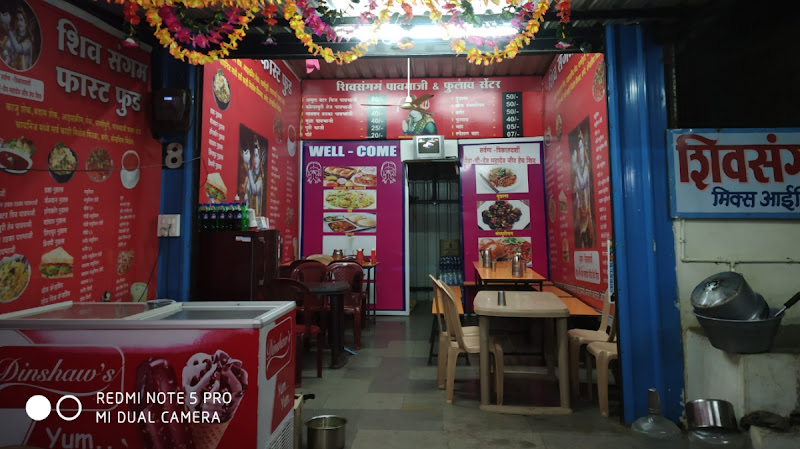
Shivsangam Pavbhaji & Pulav

National Flag, Railway Station, Latur
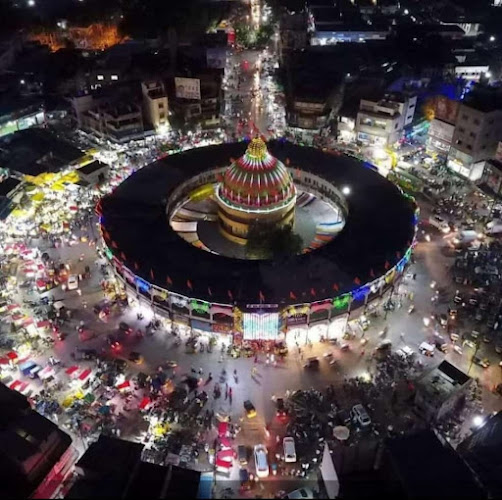
Ganj Golai
Find Accommodations Nearby
Recommended Tours & Activities
Visitor Reviews
There are no reviews yet. Be the first one to write one.
Share Your Experience
Have you visited Siddheshwar Ratneshwar Temple? Help other travelers by leaving a review.