
Ganj Golai
About Ganj Golai
Description
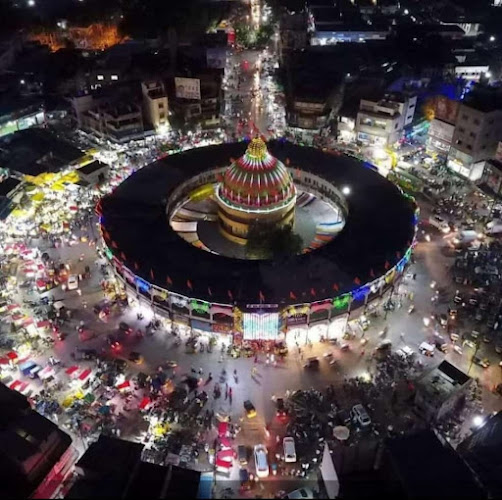
Ganj Golai is one of those places that doesn’t announce itself loudly, yet somehow ends up being the center of everything. It’s a historic circular market area in Dera Ismail Khan, and if you ask locals for directions to pretty much anything important, chances are they’ll reference Ganj Golai first. That alone tells you something. For travelers, it works as both a landmark and a lived-in experience of the city’s daily rhythm.
The layout is unusual and honestly kind of fascinating. Roads branch out from a central roundabout, almost like spokes of a wheel. When I first saw it years ago, I remember thinking it felt more planned than chaotic, which is rare for old market areas in South Asia. And yet, it’s still noisy, crowded, and a bit overwhelming at peak hours. That contrast is part of the charm. You’re not walking through a museum; you’re stepping into a working, breathing marketplace that’s been doing its thing for generations.
Historically, Ganj Golai played a key role in trade. Merchants once gathered here to sell grains, spices, cloth, and household goods. The word “Ganj” itself hints at a marketplace or treasury. Over time, the goods have changed, but the spirit hasn’t. Today, you’ll find everything from traditional sweets and street food to mobile accessories and fabrics. And yes, it can feel messy. But that mess tells stories. You just have to slow down enough to read them.
What travelers often don’t realize is that Ganj Golai isn’t only about shopping. It’s about observing. Old men arguing about politics over tea, kids weaving through crowds with school bags, shopkeepers who somehow remember every face. If you like places where life happens right in front of you, unfiltered, this one sticks with you. And if you don’t, well, at least you’ll come away with a story or two.
Key Features
- Historic circular market design that still shapes traffic and trade patterns today
- Central hub connecting multiple major roads of Dera Ismail Khan
- Wide variety of local shops selling food, clothing, household items, and everyday essentials
- Street food stalls offering regional snacks and sweets that are hard to find elsewhere
- Strong sense of local culture, with daily routines unfolding in public view
- Architectural mix of older shopfronts and newer constructions
- Constant activity from morning till late evening, especially on weekdays
Best Time to Visit
Timing matters a lot at Ganj Golai. Early morning, just after shops start opening, is surprisingly calm. You can actually hear individual conversations and watch shopkeepers setting up for the day. This is my favorite time, honestly. The light is softer, the air slightly cooler, and you don’t feel like you’re in anyone’s way.
Late afternoon to early evening is when things get intense. Crowds swell, traffic thickens, and the place hums at full volume. If you enjoy energy and people-watching, this is your window. But be prepared to move slowly. Very slowly. And that’s okay. Rushing here doesn’t work anyway.
Season-wise, cooler months are easier on visitors. Summers can be brutal, with heat reflecting off concrete and metal shutters. Winters, on the other hand, make wandering around actually enjoyable. And if you happen to visit during a local festival or busy market day, expect more noise and more color. It’s not always comfortable, but it’s memorable.
How to Get There
Getting to Ganj Golai isn’t complicated, but it can feel confusing the first time. Most locals know it by heart, so asking for directions usually works better than relying on maps. Public transport routes often pass nearby, and rickshaws are a common option. If you’re coming by car, patience is required. Parking is limited and informal, and you may need to walk the last stretch.
Walking is actually a solid choice if you’re staying somewhere close. Approaching on foot lets you ease into the environment instead of being dropped right into the thick of it. Plus, you’ll notice smaller side streets and shops that you’d miss otherwise. I once found a tiny bookstall that way, selling second-hand novels in the most random mix of languages. Totally unplanned, totally worth it.
Once you’re there, navigation is mostly instinctive. The circular layout helps, oddly enough. You might get turned around at first, but that’s part of the experience. And don’t worry too much about getting lost. In places like this, getting lost often leads to the best moments.
Tips for Visiting
First tip: dress simply and comfortably. This isn’t a place to stand out too much. Comfortable shoes are a must because you’ll be on your feet longer than you think. And keep your belongings secure. It’s a busy market, not dangerous, just crowded.
Second, bring cash in smaller denominations. Many shops don’t deal with large bills easily, and having change makes transactions smoother. Also, bargaining is common in some shops, but not all. Read the room. If the shopkeeper seems open to it, fine. If not, don’t push it. A smile goes a long way.
Food-wise, trust your instincts. If a stall is busy with locals, that’s usually a good sign. Still, go slow if your stomach isn’t used to street food. I’ve learned that lesson the hard way more than once. And water. Always carry water.
Lastly, give yourself time. Ganj Golai isn’t a quick stop you check off a list. It’s a place you experience. Sit down for tea if you can. Watch people. Listen. You’ll leave with a better sense of the city than any guidebook could give you. And that, to me, is the whole point of traveling in the first place.
Key Features
- Historic circular market design that still shapes traffic and trade patterns today
- Central hub connecting multiple major roads of Dera Ismail Khan
- Wide variety of local shops selling food, clothing, household items, and everyday essentials
- Street food stalls offering regional snacks and sweets that are hard to find elsewhere
- Strong sense of local culture, with daily routines unfolding in public view
- Architectural mix of older shopfronts and newer constructions
- Constant activity from morning till late evening, especially on weekdays
More Details
Updated December 31, 2025
Table of Contents
Description
Ganj Golai is one of those places that doesn’t announce itself loudly, yet somehow ends up being the center of everything. It’s a historic circular market area in Dera Ismail Khan, and if you ask locals for directions to pretty much anything important, chances are they’ll reference Ganj Golai first. That alone tells you something. For travelers, it works as both a landmark and a lived-in experience of the city’s daily rhythm.
The layout is unusual and honestly kind of fascinating. Roads branch out from a central roundabout, almost like spokes of a wheel. When I first saw it years ago, I remember thinking it felt more planned than chaotic, which is rare for old market areas in South Asia. And yet, it’s still noisy, crowded, and a bit overwhelming at peak hours. That contrast is part of the charm. You’re not walking through a museum; you’re stepping into a working, breathing marketplace that’s been doing its thing for generations.
Historically, Ganj Golai played a key role in trade. Merchants once gathered here to sell grains, spices, cloth, and household goods. The word “Ganj” itself hints at a marketplace or treasury. Over time, the goods have changed, but the spirit hasn’t. Today, you’ll find everything from traditional sweets and street food to mobile accessories and fabrics. And yes, it can feel messy. But that mess tells stories. You just have to slow down enough to read them.
What travelers often don’t realize is that Ganj Golai isn’t only about shopping. It’s about observing. Old men arguing about politics over tea, kids weaving through crowds with school bags, shopkeepers who somehow remember every face. If you like places where life happens right in front of you, unfiltered, this one sticks with you. And if you don’t, well, at least you’ll come away with a story or two.
Key Features
- Historic circular market design that still shapes traffic and trade patterns today
- Central hub connecting multiple major roads of Dera Ismail Khan
- Wide variety of local shops selling food, clothing, household items, and everyday essentials
- Street food stalls offering regional snacks and sweets that are hard to find elsewhere
- Strong sense of local culture, with daily routines unfolding in public view
- Architectural mix of older shopfronts and newer constructions
- Constant activity from morning till late evening, especially on weekdays
Best Time to Visit
Timing matters a lot at Ganj Golai. Early morning, just after shops start opening, is surprisingly calm. You can actually hear individual conversations and watch shopkeepers setting up for the day. This is my favorite time, honestly. The light is softer, the air slightly cooler, and you don’t feel like you’re in anyone’s way.
Late afternoon to early evening is when things get intense. Crowds swell, traffic thickens, and the place hums at full volume. If you enjoy energy and people-watching, this is your window. But be prepared to move slowly. Very slowly. And that’s okay. Rushing here doesn’t work anyway.
Season-wise, cooler months are easier on visitors. Summers can be brutal, with heat reflecting off concrete and metal shutters. Winters, on the other hand, make wandering around actually enjoyable. And if you happen to visit during a local festival or busy market day, expect more noise and more color. It’s not always comfortable, but it’s memorable.
How to Get There
Getting to Ganj Golai isn’t complicated, but it can feel confusing the first time. Most locals know it by heart, so asking for directions usually works better than relying on maps. Public transport routes often pass nearby, and rickshaws are a common option. If you’re coming by car, patience is required. Parking is limited and informal, and you may need to walk the last stretch.
Walking is actually a solid choice if you’re staying somewhere close. Approaching on foot lets you ease into the environment instead of being dropped right into the thick of it. Plus, you’ll notice smaller side streets and shops that you’d miss otherwise. I once found a tiny bookstall that way, selling second-hand novels in the most random mix of languages. Totally unplanned, totally worth it.
Once you’re there, navigation is mostly instinctive. The circular layout helps, oddly enough. You might get turned around at first, but that’s part of the experience. And don’t worry too much about getting lost. In places like this, getting lost often leads to the best moments.
Tips for Visiting
First tip: dress simply and comfortably. This isn’t a place to stand out too much. Comfortable shoes are a must because you’ll be on your feet longer than you think. And keep your belongings secure. It’s a busy market, not dangerous, just crowded.
Second, bring cash in smaller denominations. Many shops don’t deal with large bills easily, and having change makes transactions smoother. Also, bargaining is common in some shops, but not all. Read the room. If the shopkeeper seems open to it, fine. If not, don’t push it. A smile goes a long way.
Food-wise, trust your instincts. If a stall is busy with locals, that’s usually a good sign. Still, go slow if your stomach isn’t used to street food. I’ve learned that lesson the hard way more than once. And water. Always carry water.
Lastly, give yourself time. Ganj Golai isn’t a quick stop you check off a list. It’s a place you experience. Sit down for tea if you can. Watch people. Listen. You’ll leave with a better sense of the city than any guidebook could give you. And that, to me, is the whole point of traveling in the first place.
Key Highlights
- Historic circular market design that still shapes traffic and trade patterns today
- Central hub connecting multiple major roads of Dera Ismail Khan
- Wide variety of local shops selling food, clothing, household items, and everyday essentials
- Street food stalls offering regional snacks and sweets that are hard to find elsewhere
- Strong sense of local culture, with daily routines unfolding in public view
- Architectural mix of older shopfronts and newer constructions
- Constant activity from morning till late evening, especially on weekdays
Location
Places to Stay Near Ganj Golai
Find and Book a Tour
Explore More Travel Guides
No reviews found! Be the first to review!
Traveler Reviews for Ganj Golai
There are no reviews yet. Be the first one to write one.
Have you visited Ganj Golai? Help other travelers by sharing your review.
You Might Also Like

Titan World - Mantri Nagar, Latur
Dirghayu Yoga & Meditation Classes - Weight-Loss / Weigh-Gain / Garbha-Sanskar
Bhakti Mobiles
Find Accommodations Nearby
Recommended Tours & Activities
Visitor Reviews
There are no reviews yet. Be the first one to write one.
Share Your Experience
Have you visited Ganj Golai? Help other travelers by leaving a review.