Tourist attraction 4.8 Sharm El Sheikh 2, EgyptCommunity Guide

Sharm Al Sheikh – Raas Mohammed

Sharm Al Sheikh – Raas Mohammed, Qesm Sharm Ash Sheikh, South Sinai Governorate 8750001, Egypt

Sharm Al Sheikh – Raas Mohammed
231 Photos

About & Overview

Description

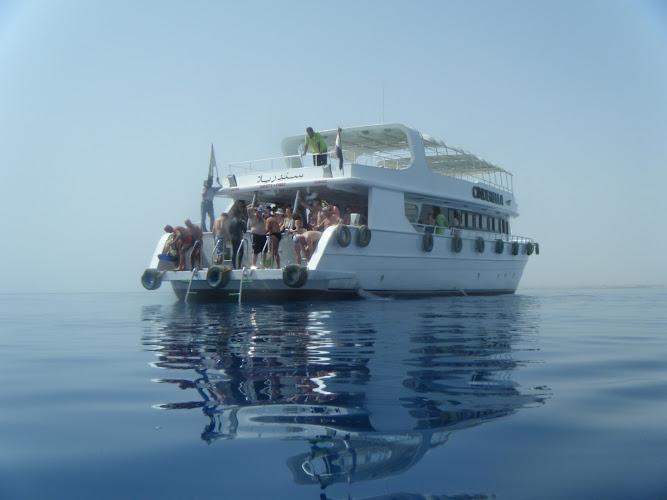
Ras Mohammed in Sharm El Sheikh is an iconic national park anchoring the southern tip of the Sinai Peninsula, where desert meets some of the world’s most celebrated coral reefs. Established in 1983, the reserve preserves dramatic coastal cliffs, hidden mangrove lagoons and an underwater realm of vibrant corals, abundant reef fish and famed dive sites such as Shark Reef and Yolanda Reef. From a travel writer’s perspective, Ras Mohammed is a must for anyone visiting Sharm Al Sheikh: boat trips deliver quiet mornings on the sea, snorkeling over coral gardens teeming with life, and breathtaking viewpoints where the Gulf of Suez and the Gulf of Aqaba converge. The park’s mixture of geological features (salt flats, limestone promontories), protected marine biodiversity and easy accessibility from Sharm’s resort strip make it ideal for both novice snorkelers and experienced divers. Whether you want a short boat excursion, a full-day dive itinerary, or a nature walk along the headland, Ras Mohammed offers a compact, unforgettable encounter with Egypt’s natural coastal heritage.

Highlights & Key Features

  • World-class snorkeling and diving sites (Shark Reef, Yolanda Reef)
  • Diverse marine life and vibrant coral gardens
  • Scenic headlands where the Gulf of Suez meets the Gulf of Aqaba
  • Protected habitats: mangroves, salt marshes and seabird nesting areas
  • Easy access from Sharm El Sheikh via short boat trips and guided tours

Visitor Guide & Information

Description

Ras Mohammed National Park sits at the very southern tip of the Sinai Peninsula, about 12 kilometers from Sharm El Sheikh’s bustling resort areas. And honestly, if you’re going to make the journey to this corner of Egypt, missing out on Ras Mohammed would be like visiting Paris and skipping the Eiffel Tower—except this place is far less crowded and infinitely more breathtaking.

The park sprawls across roughly 480 square kilometers, encompassing both land and marine reserves. What makes this spot genuinely special isn’t just the stunning coral reefs that Jacques Cousteau once declared among the world’s finest diving destinations. It’s the entire ecosystem that exists here, where the Gulf of Suez meets the Gulf of Aqaba, creating underwater currents that have nurtured marine life for thousands of years.

I remember the first time someone told me about the diversity here—more than 1000 species of fish and 220 species of coral. Those numbers didn’t mean much until I actually got in the water. The reef walls drop dramatically, sometimes plunging 800 meters into the deep blue, and the visibility often reaches 30 to 40 meters on a good day. Above water, the landscape transforms into desert terrain with mangrove forests, salt marshes, and the occasional Bedouin encampment that reminds you humans have been navigating this harsh beauty for centuries.

The park became Egypt’s first national marine reserve back in 1983, and since then, it’s been fiercely protected. You’ll notice this the moment you arrive—there are strict regulations about where you can dive, snorkel, or even walk. But these rules exist for good reason, preserving an underwater world that draws marine biologists, photographers, and adventure seekers from every corner of the globe.

Key Features

The features that make Ras Mohammed stand out from other marine destinations around the Red Sea are worth understanding before you go:

  • The Shark and Yolanda Reefs rank among the most famous dive sites globally, with the Yolanda wreck spilling its cargo of bathroom fixtures across the ocean floor in a surreal underwater scene
  • The Main Beach offers calm, shallow waters perfect for beginners and families wanting to experience coral gardens without advanced diving skills
  • The Mangrove Channel presents a completely different ecosystem where you can observe how these salt-tolerant trees create nurseries for young fish
  • The Magic Lake, despite its name, is actually saltier than the Red Sea itself and provides stunning contrast against the surrounding desert landscape
  • Vertical reef walls that attract pelagic species including barracuda, jackfish, and occasionally hammerhead sharks during the right season
  • The Earthquake Crack, a geological fault line you can walk through, splits the rock formations and tells the story of tectonic movements that shaped this peninsula
  • Flamingo colonies that sometimes visit the mudflats, adding unexpected pink splashes to the otherwise golden and blue color palette
  • Bedouin heritage sites where ancient peoples once lived, leaving behind archaeological traces of their desert existence
  • The Observatory area offering panoramic views where you can see both gulfs simultaneously on clear days

Best Time to Visit

Timing your visit to Ras Mohammed can make the difference between a decent trip and an absolutely unforgettable experience. The park is accessible year-round, but certain seasons definitely have their advantages.

March through May represents the sweet spot for many travelers. The water temperature hovers around 22-25 degrees Celsius, which is comfortable with a 3mm wetsuit. The weather on land stays pleasantly warm without the scorching intensity of summer, and you’ll encounter fewer crowds than the peak winter months. I’ve found that April particularly offers crystal-clear visibility underwater since the spring plankton blooms haven’t yet affected the water clarity.

September through November provides another excellent window. The summer heat starts backing off, but the water remains warm from months of sun exposure—often reaching 27-28 degrees Celsius. This is when you might spot larger marine animals as they become more active in the comfortable water temperatures.

The winter months from December through February attract the biggest crowds. Europeans fleeing cold weather pack the resorts, and dive boats fill up quickly. But there’s a trade-off. The water gets cooler (around 21 degrees), which some divers find refreshing but others find uncomfortable for extended snorkeling sessions. You’ll definitely want a thicker wetsuit during these months.

Summer, particularly July and August, tests your heat tolerance. Air temperatures regularly exceed 40 degrees Celsius, and the desert landscape offers virtually no shade. However, the park sees significantly fewer visitors, and if you can handle the heat, you’ll practically have some dive sites to yourself. The water temperature climbs to 28-29 degrees, making it comfortable for long snorkeling sessions with minimal wetsuit coverage.

Wind patterns also play a role. Strong winds occasionally close certain dive sites for safety reasons, and this happens more frequently during spring months when the khamsin winds blow across the desert.

How to Get There

Getting to Ras Mohammed from Sharm El Sheikh is straightforward, though you’ve got several options depending on your budget and preference for independence.

Most visitors arrive via organized tours, which handle transportation, park entrance fees, and sometimes meals. These tours typically pick you up from your hotel in Sharm El Sheikh between 7:30 and 8:30 AM. The journey takes roughly 30-40 minutes depending on which part of Sharm you’re staying in. Tour operators provide air-conditioned buses or minivans, and the guides usually share information about the park during the drive.

Renting a car gives you more flexibility to explore at your own pace. The road from Sharm to Ras Mohammed is well-maintained and clearly marked. You’ll drive south along the coast road, and the park entrance appears prominently on your left. Just remember that you cannot enter the park without paying the entrance fee at the main gate—there’s no sneaking in here. Self-driving also means you can linger as long as you want at spots that captivate you, rather than sticking to a tour schedule.

Taxi drivers in Sharm know Ras Mohammed well and will negotiate a return trip price. Make sure you agree on waiting time and pick-up details before departing. Some drivers will drop you and return at an agreed time, while others prefer to wait in the parking area. Expect to pay more than a tour would cost per person, but less than renting a car if you’re traveling solo or as a couple.

The park entrance fee isn’t included in transportation costs unless you’ve booked an all-inclusive tour package. Foreign visitors typically pay around $5 USD (prices fluctuate with exchange rates), and you’ll need to show your passport at the entrance gate.

If you’re planning to dive rather than just snorkel or sightsee, you’ll need to arrange this through a certified dive center in Sharm El Sheikh. They handle boat transportation directly to the dive sites, which is different from the land-based entrance most casual visitors use.

Tips for Visiting

Planning ahead makes your Ras Mohammed experience smoother and more enjoyable. Here’s what actually matters based on real experiences:

Bring way more drinking water than you think you’ll need. The desert heat dehydrates you faster than you realize, and there aren’t facilities selling refreshments once you’re inside the park boundaries. I’ve seen people cut their visits short simply because they ran out of water.

Wear reef-safe sunscreen exclusively. The park authorities take marine protection seriously, and chemical sunscreens damage the coral systems you came to see. Many dive shops in Sharm sell reef-safe brands, but buying it before you arrive saves money and hassle.

Your snorkeling gear should fit properly. Rental equipment from tour operators ranges from acceptable to terrible. If you have any doubts about the quality, bring your own mask and snorkel. A poorly fitting mask means constant water intrusion and a frustrating experience when you should be marveling at sea turtles and reef sharks.

The Main Beach gets crowded between 10 AM and 2 PM when tour groups arrive en masse. If you’ve got the flexibility, arrive earlier or stay later to enjoy the reefs with fewer people splashing around. The afternoon light also creates better conditions for underwater photography as the sun moves across the sky.

Footwear matters more than you’d expect. The rocky terrain and super-heated sand make flip-flops inadequate. Bring water shoes or sandals with straps that can handle both walking and swimming. The reef edges are sharp, and stepping on fire coral or sea urchins will ruin your day quickly.

Don’t touch anything underwater. This seems obvious, but people constantly break this rule. The coral is fragile, many species are protected, and some marine life defends itself with stings or bites. Maintain neutral buoyancy, watch where your fins are kicking, and observe from a respectful distance.

Photography equipment needs waterproof protection. If you’re bringing a camera, invest in proper underwater housing. The saltwater and sand combination destroys electronics faster than you’d believe. Waterproof phone cases work for shallow snorkeling but rarely survive actual diving depths.

Respect the designated zones within the park. Certain areas are completely off-limits to protect sensitive ecosystems or for safety reasons. The rangers enforce these boundaries, and violating them can result in fines or expulsion from the park.

Pack light snacks that won’t spoil in the heat. Most tours include lunch, but having energy bars or fruit gives you flexibility if you want to skip the scheduled meal time and keep exploring.

Check the weather forecast and wind conditions before committing to a specific day. Choppy seas reduce visibility and can make snorkeling unpleasant. Tour operators sometimes switch itineraries based on conditions, but if you’re going independently, you want to choose your day wisely.

Bring a dry bag for valuables. Sand gets everywhere, and saltwater corrodes metal. Your car keys, phone, and wallet need protection from both elements.

The park closes at 3 PM for day visitors, though exact times can vary seasonally. Don’t cut your visit so close to closing time that rangers start rushing you out when you’re mid-snorkel.

Learning a few Arabic phrases enhances interactions with park staff and Bedouin guides, though most people in tourism roles speak functional English. A simple “shukran” (thank you) goes surprisingly far in creating positive exchanges.

Consider your fitness level honestly. Some parts of the park involve walking across uneven terrain in heat. The diving and snorkeling itself requires reasonable swimming ability. There’s no shame in choosing activities that match your comfort zone rather than pushing beyond your limits in a remote location.

Most importantly, manage your expectations around marine life sightings. While the diversity is incredible, spotting specific species like dolphins or sharks isn’t guaranteed. The reef itself—the corals, the fish schools, the ecosystem as a whole—is the real star here. Approach it with curiosity rather than a checklist mentality, and you’ll leave genuinely amazed by what you experienced.

Community & Insider Notes

Last modified August 17, 2026

Description

Ras Mohammed National Park sits at the very southern tip of the Sinai Peninsula, about 12 kilometers from Sharm El Sheikh’s bustling resort areas. And honestly, if you’re going to make the journey to this corner of Egypt, missing out on Ras Mohammed would be like visiting Paris and skipping the Eiffel Tower—except this place is far less crowded and infinitely more breathtaking.

The park sprawls across roughly 480 square kilometers, encompassing both land and marine reserves. What makes this spot genuinely special isn’t just the stunning coral reefs that Jacques Cousteau once declared among the world’s finest diving destinations. It’s the entire ecosystem that exists here, where the Gulf of Suez meets the Gulf of Aqaba, creating underwater currents that have nurtured marine life for thousands of years.

I remember the first time someone told me about the diversity here—more than 1000 species of fish and 220 species of coral. Those numbers didn’t mean much until I actually got in the water. The reef walls drop dramatically, sometimes plunging 800 meters into the deep blue, and the visibility often reaches 30 to 40 meters on a good day. Above water, the landscape transforms into desert terrain with mangrove forests, salt marshes, and the occasional Bedouin encampment that reminds you humans have been navigating this harsh beauty for centuries.

The park became Egypt’s first national marine reserve back in 1983, and since then, it’s been fiercely protected. You’ll notice this the moment you arrive—there are strict regulations about where you can dive, snorkel, or even walk. But these rules exist for good reason, preserving an underwater world that draws marine biologists, photographers, and adventure seekers from every corner of the globe.

Key Features

The features that make Ras Mohammed stand out from other marine destinations around the Red Sea are worth understanding before you go:

  • The Shark and Yolanda Reefs rank among the most famous dive sites globally, with the Yolanda wreck spilling its cargo of bathroom fixtures across the ocean floor in a surreal underwater scene
  • The Main Beach offers calm, shallow waters perfect for beginners and families wanting to experience coral gardens without advanced diving skills
  • The Mangrove Channel presents a completely different ecosystem where you can observe how these salt-tolerant trees create nurseries for young fish
  • The Magic Lake, despite its name, is actually saltier than the Red Sea itself and provides stunning contrast against the surrounding desert landscape
  • Vertical reef walls that attract pelagic species including barracuda, jackfish, and occasionally hammerhead sharks during the right season
  • The Earthquake Crack, a geological fault line you can walk through, splits the rock formations and tells the story of tectonic movements that shaped this peninsula
  • Flamingo colonies that sometimes visit the mudflats, adding unexpected pink splashes to the otherwise golden and blue color palette
  • Bedouin heritage sites where ancient peoples once lived, leaving behind archaeological traces of their desert existence
  • The Observatory area offering panoramic views where you can see both gulfs simultaneously on clear days

Best Time to Visit

Timing your visit to Ras Mohammed can make the difference between a decent trip and an absolutely unforgettable experience. The park is accessible year-round, but certain seasons definitely have their advantages.

March through May represents the sweet spot for many travelers. The water temperature hovers around 22-25 degrees Celsius, which is comfortable with a 3mm wetsuit. The weather on land stays pleasantly warm without the scorching intensity of summer, and you’ll encounter fewer crowds than the peak winter months. I’ve found that April particularly offers crystal-clear visibility underwater since the spring plankton blooms haven’t yet affected the water clarity.

September through November provides another excellent window. The summer heat starts backing off, but the water remains warm from months of sun exposure—often reaching 27-28 degrees Celsius. This is when you might spot larger marine animals as they become more active in the comfortable water temperatures.

The winter months from December through February attract the biggest crowds. Europeans fleeing cold weather pack the resorts, and dive boats fill up quickly. But there’s a trade-off. The water gets cooler (around 21 degrees), which some divers find refreshing but others find uncomfortable for extended snorkeling sessions. You’ll definitely want a thicker wetsuit during these months.

Summer, particularly July and August, tests your heat tolerance. Air temperatures regularly exceed 40 degrees Celsius, and the desert landscape offers virtually no shade. However, the park sees significantly fewer visitors, and if you can handle the heat, you’ll practically have some dive sites to yourself. The water temperature climbs to 28-29 degrees, making it comfortable for long snorkeling sessions with minimal wetsuit coverage.

Wind patterns also play a role. Strong winds occasionally close certain dive sites for safety reasons, and this happens more frequently during spring months when the khamsin winds blow across the desert.

How to Get There

Getting to Ras Mohammed from Sharm El Sheikh is straightforward, though you’ve got several options depending on your budget and preference for independence.

Most visitors arrive via organized tours, which handle transportation, park entrance fees, and sometimes meals. These tours typically pick you up from your hotel in Sharm El Sheikh between 7:30 and 8:30 AM. The journey takes roughly 30-40 minutes depending on which part of Sharm you’re staying in. Tour operators provide air-conditioned buses or minivans, and the guides usually share information about the park during the drive.

Renting a car gives you more flexibility to explore at your own pace. The road from Sharm to Ras Mohammed is well-maintained and clearly marked. You’ll drive south along the coast road, and the park entrance appears prominently on your left. Just remember that you cannot enter the park without paying the entrance fee at the main gate—there’s no sneaking in here. Self-driving also means you can linger as long as you want at spots that captivate you, rather than sticking to a tour schedule.

Taxi drivers in Sharm know Ras Mohammed well and will negotiate a return trip price. Make sure you agree on waiting time and pick-up details before departing. Some drivers will drop you and return at an agreed time, while others prefer to wait in the parking area. Expect to pay more than a tour would cost per person, but less than renting a car if you’re traveling solo or as a couple.

The park entrance fee isn’t included in transportation costs unless you’ve booked an all-inclusive tour package. Foreign visitors typically pay around $5 USD (prices fluctuate with exchange rates), and you’ll need to show your passport at the entrance gate.

If you’re planning to dive rather than just snorkel or sightsee, you’ll need to arrange this through a certified dive center in Sharm El Sheikh. They handle boat transportation directly to the dive sites, which is different from the land-based entrance most casual visitors use.

Tips for Visiting

Planning ahead makes your Ras Mohammed experience smoother and more enjoyable. Here’s what actually matters based on real experiences:

Bring way more drinking water than you think you’ll need. The desert heat dehydrates you faster than you realize, and there aren’t facilities selling refreshments once you’re inside the park boundaries. I’ve seen people cut their visits short simply because they ran out of water.

Wear reef-safe sunscreen exclusively. The park authorities take marine protection seriously, and chemical sunscreens damage the coral systems you came to see. Many dive shops in Sharm sell reef-safe brands, but buying it before you arrive saves money and hassle.

Your snorkeling gear should fit properly. Rental equipment from tour operators ranges from acceptable to terrible. If you have any doubts about the quality, bring your own mask and snorkel. A poorly fitting mask means constant water intrusion and a frustrating experience when you should be marveling at sea turtles and reef sharks.

The Main Beach gets crowded between 10 AM and 2 PM when tour groups arrive en masse. If you’ve got the flexibility, arrive earlier or stay later to enjoy the reefs with fewer people splashing around. The afternoon light also creates better conditions for underwater photography as the sun moves across the sky.

Footwear matters more than you’d expect. The rocky terrain and super-heated sand make flip-flops inadequate. Bring water shoes or sandals with straps that can handle both walking and swimming. The reef edges are sharp, and stepping on fire coral or sea urchins will ruin your day quickly.

Don’t touch anything underwater. This seems obvious, but people constantly break this rule. The coral is fragile, many species are protected, and some marine life defends itself with stings or bites. Maintain neutral buoyancy, watch where your fins are kicking, and observe from a respectful distance.

Photography equipment needs waterproof protection. If you’re bringing a camera, invest in proper underwater housing. The saltwater and sand combination destroys electronics faster than you’d believe. Waterproof phone cases work for shallow snorkeling but rarely survive actual diving depths.

Respect the designated zones within the park. Certain areas are completely off-limits to protect sensitive ecosystems or for safety reasons. The rangers enforce these boundaries, and violating them can result in fines or expulsion from the park.

Pack light snacks that won’t spoil in the heat. Most tours include lunch, but having energy bars or fruit gives you flexibility if you want to skip the scheduled meal time and keep exploring.

Check the weather forecast and wind conditions before committing to a specific day. Choppy seas reduce visibility and can make snorkeling unpleasant. Tour operators sometimes switch itineraries based on conditions, but if you’re going independently, you want to choose your day wisely.

Bring a dry bag for valuables. Sand gets everywhere, and saltwater corrodes metal. Your car keys, phone, and wallet need protection from both elements.

The park closes at 3 PM for day visitors, though exact times can vary seasonally. Don’t cut your visit so close to closing time that rangers start rushing you out when you’re mid-snorkel.

Learning a few Arabic phrases enhances interactions with park staff and Bedouin guides, though most people in tourism roles speak functional English. A simple “shukran” (thank you) goes surprisingly far in creating positive exchanges.

Consider your fitness level honestly. Some parts of the park involve walking across uneven terrain in heat. The diving and snorkeling itself requires reasonable swimming ability. There’s no shame in choosing activities that match your comfort zone rather than pushing beyond your limits in a remote location.

Most importantly, manage your expectations around marine life sightings. While the diversity is incredible, spotting specific species like dolphins or sharks isn’t guaranteed. The reef itself—the corals, the fish schools, the ecosystem as a whole—is the real star here. Approach it with curiosity rather than a checklist mentality, and you’ll leave genuinely amazed by what you experienced.

Key Highlights

  • World-class snorkeling and diving sites (Shark Reef, Yolanda Reef)
  • Diverse marine life and vibrant coral gardens
  • Scenic headlands where the Gulf of Suez meets the Gulf of Aqaba
  • Protected habitats: mangroves, salt marshes and seabird nesting areas
  • Easy access from Sharm El Sheikh via short boat trips and guided tours

Location

Places to Stay Near Sharm Al Sheikh – Raas Mohammed

Find and Book a Tour

Explore More Travel Guides

No reviews found! Be the first to review!

Select a Rating5 Stars4 Stars3 Stars2 Stars1 Star

Sharm Al Sheikh – Raas Mohammed is a prominent Attractions located in Sharm El Sheikh 2.

Visit us at: Sharm Al Sheikh – Raas Mohammed, Qesm Sharm Ash Sheikh, South Sinai Governorate 8750001, Egypt.

Nearby Attractions (Within 5 km)

Explore verified points of interest within walking or short transit distance.

No neighboring places mapped within 5 km yet.

Find Places to Stay Nearby

Stay22 provides this accommodation search. We may earn a commission if you book through it; verify current prices and terms with the provider.

Recommended Experiences & Activities

GetYourGuide provides this tour inventory. We may earn a commission if you book through it; verify current availability, prices, and terms with the provider.

Top Viator Experiences & Guided Tours in Sharm El Sheikh 2

We may earn a commission if you book through links on this page at no extra cost to you. All tours feature verified customer reviews and flexible cancellation options.

Traveler Reviews & Community Q&A

No traveler reviews yet. Share your experience below!

No traveler questions yet. Be the first to ask a local!

Real Journey Travels Community

Reset your password · Create an account