Description
What really grabs me about Abu Qir is its proximity to the ruins of ancient Canopus. Sure, they’re not as famous or as flashy as some of Egypt’s other ancient sites, but wandering among these ruins gives you a real sense of connection to the past, minus the crowds. You can almost hear the whispers of history—fishermen and traders from centuries ago, Roman influence, and even tales from Napoleon’s campaigns scattered through the coastal breeze.
Stepping into Abu Qir feels like stepping back in time while still being in the now. It’s less about tourist traps and more about authentic local life. The Mediterranean-style fishing boats bobbing gently in harbor waters, the scent of salty sea air mingling with freshly caught seafood grilling over coals, and the casual pace of life make it a perfect spot for travelers who want a break from the usual tourist craze.
Okay, so it’s not a flashy resort town. There might be stretches where the infrastructure feels a bit… well, let’s say “unpolished,” but that’s also part of the allure if you’re into discovering hidden gems. If you’re the type who gets frustrated by touristy spots where everything feels packaged, you’ll appreciate Abu Qir’s authenticity. Plus, the area is a subtle yet potent reminder of Egypt’s layered history—Phoenicians, Romans, Byzantines, and even British colonial footprints all left their mark here.
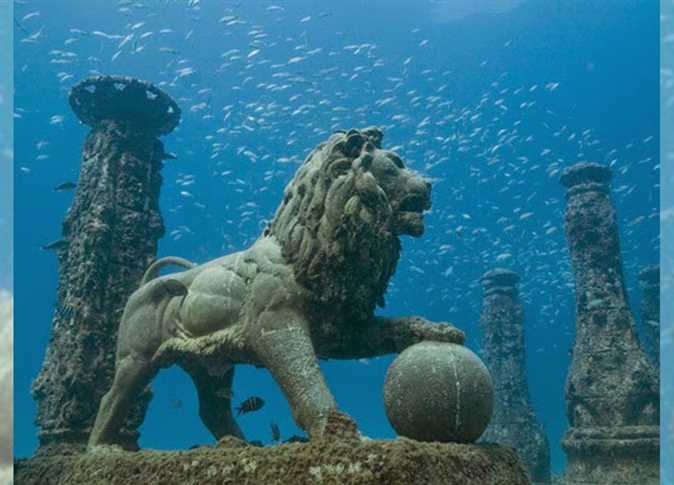
Also, for diving enthusiasts or those keen on underwater history, Abu Qir’s coastal waters hide wrecks and relics that hint at the famous naval battles that took place here, including the Battle of the Nile in 1798. It’s like history underwater, waiting for you to explore if you’re into that kind of adventure. Believe me, you won’t just be soaking up sun here; you’ll be soaking up stories—ancient, military, and maritime alike.
The vibe around Abu Qir is chill, with a small-town friendliness that isn’t always easy to find in more commercialized beach areas. The locals tend to be welcoming, and you might find yourself sharing fresh fish from local fishermen with new friends if you hang around the harbor long enough.
Honestly, if you’re looking for a place to get a real feel for Egypt’s Mediterranean coast—the blend of history, nature, and down-to-earth local life—Abu Qir sits quietly, waiting for travelers who don’t mind stepping off the beaten track.
Best Time to Visit
So here’s the deal: if you’re looking to time your visit right, late spring through early autumn (think May to October) is when Abu Qir really shines. The weather is warm, the sea is inviting, and the town pulses with more local activity. But fair warning—summer (July and August) gets pretty hot, packing the beaches with Egyptians escaping the inland heat.
If you can swing it, aim for the shoulder seasons—April or late September and October. The weather cools down just enough to explore comfortably without breaking a sweat, and you won’t be jostling for space on the beach. Oh, and winter? It’s mild, for sure, but sometimes a bit rainy and blustery for sitting by the sea. Still, if you prefer fewer travelers and don’t mind cooler temps, the off-season has its own quiet charm.
Keep in mind the Ramadan period if your trip overlaps—it’s a fascinating time culturally, but some eateries and shops might operate on different schedules, so plan accordingly.
How to Get There
Getting to Abu Qir isn’t rocket science, but it’s got its own old-school vibe that I personally loved. If you’re already in Alexandria, hopping on a local train that runs northeast toward Abu Qir is straightforward and gives you a little glimpse into daily Egyptian life. The journey is short—just about 30 to 40 minutes—but it feels like you’re traveling back in time. The train rattles through small villages and farmland before dipping you right onto the coast.
If public transport is not your thing, taxis and private cars are available, but be prepared for the occasional spirited local driving style. I once took a taxi from Alexandria to Abu Qir, and let’s just say it was an adventure for the nerves—but hey, that’s part of traveling in Egypt, right?
For those coming from Cairo or further afield, Alexandria’s international airport is your nearest gateway. From there, a combination of train or car services will get you out to Abu Qir. I’d recommend planning this leg in advance because the final stretch isn’t always well-marked, and locals might not all speak perfect English, which makes your charm and patience priceless assets.
Tips for Visiting
Alright, so you’re thinking of checking out Abu Qir—here are a few nuggets of wisdom to make your trip smoother:
- Bring cash—many small shops and market stalls don’t take cards, and ATMs can be patchy.
- Pack for the sun—the Mediterranean sunshine is no joke, especially in summer. Sunscreen, hats, and water bottles are must-haves.
- Respect local customs—this is a working fishing village, so dress modestly in common areas, and be mindful during Ramadan.
- Try the local seafood—fresh, grilled, and often caught just hours before hitting your plate. Ask around for the best local spots; they’re usually the no-frills eateries with the biggest crowds.
- Consider hiring a guide—especially if you want to explore the ruins nearby or dive into the rich naval history. A guide can turn what seems like dusty old stones into vivid stories and keep you clear of any confusing spots.
- Be patient with infrastructure—roads and public facilities might be a bit rough around the edges, but take it in stride. Sometimes those “imperfections” lead to the most charming discoveries.
- Don’t rush—Abu Qir is not about ticking off monuments on a tight schedule. It demands the kind of slow, easy exploration that lets you soak up atmosphere and maybe chat with a fisherman or two.
- Keep an eye out for local markets—they’re perfect places to grab snacks, souvenirs, or just soak up the colors and smells of local life.
All in all, Abu Qir invites a kind of relaxed curiosity—a place where history and daily life intermingle with the sea breeze. If you like your travels to feel genuine, with a bit of old-world charm and some stories waiting around every corner, this Egyptian coastal town might just steal your heart.