

Shangri La Museum of Islamic Art, Culture & Design
About Shangri La Museum of Islamic Art, Culture & Design
Description
The Shangri La Museum of Islamic Art, Culture & Design is one of those places that feels like it has a story to tell the moment you step through its gates. Built in the 1930s by heiress Doris Duke, this seaside estate in Honolulu is more than just a museum—it’s a personal love letter to Islamic art and architecture. Duke traveled extensively through North Africa, the Middle East, and South Asia, collecting pieces that spoke to her, and then incorporated them into her Hawaiian home. The result is a living gallery where centuries-old craftsmanship meets the breezy backdrop of the Pacific Ocean.
Visitors often say the museum feels both intimate and grand at the same time. You’ll find yourself marveling at intricately carved wooden doors, colorful Persian tiles, and delicate textiles that seem to whisper of their faraway origins. And yet, you’re also standing in a home, a place where someone once lived and entertained. That duality—private estate and public museum—makes it a very different experience compared to a traditional gallery setting.
Of course, not every visitor has the exact same reaction. Some people fall head over heels for the artistry and the serenity of the place, while others feel the tours are a bit structured or that access is limited since you can’t just walk in on your own. But that’s part of the charm too—it’s curated, intentional, and every detail is meant to be appreciated slowly, almost meditatively. Personally, I think that’s what makes it worth the effort to plan ahead.
Key Features
- Extensive collection of Islamic art spanning centuries and regions
- Architectural elements imported from Morocco, India, Iran, and beyond
- Guided tours starting from the Honolulu Museum of Art (advance booking required)
- Wheelchair accessible parking and restrooms
- Occasional live performances and cultural programs
- Seaside location with sweeping views of the Pacific
- Blend of private estate intimacy with museum-level curation
Best Time to Visit
If you’re trying to decide when to go, think about both the weather and the crowds. Honolulu is blessed with warm temperatures year-round, but the summer months can feel a bit busier with tourists. Personally, I’d recommend spring or early fall—April, May, September, or October—when the air feels a little softer and the pace of the island is calmer. Morning tours are especially nice because the light spills across the estate in a way that makes the tiles and mosaics glow. And if you’re someone who likes fewer people around, weekdays are your best bet.
One thing to keep in mind: because tours are limited and tickets sell out quickly, the “best time” is really whenever you can get a reservation. I’ve seen people miss out simply because they waited too long to book, so don’t leave it to chance.
How to Get There
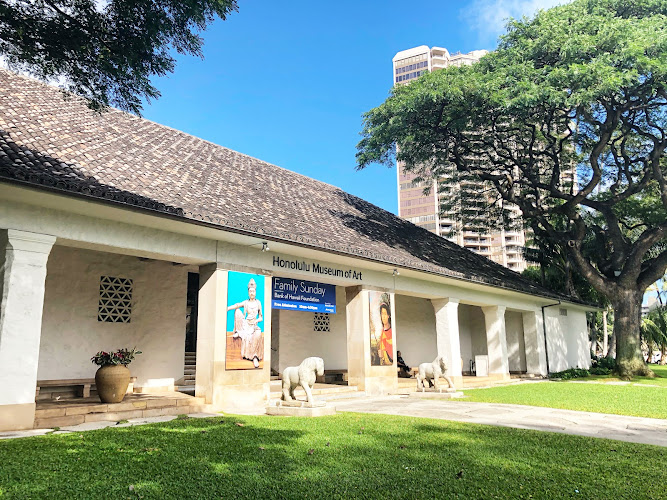
Here’s the thing—you can’t just drive up to Shangri La and expect to walk in. All tours begin at the Honolulu Museum of Art, which is in the heart of the city. From there, a shuttle takes visitors directly to the estate. It feels a little unusual at first, but it actually adds to the sense of anticipation. You leave the bustle of downtown, hop on the shuttle, and before you know it, you’re winding along the coastline toward this hidden gem of a museum.
If you’re staying in Waikīkī, it’s only about a 15-minute drive to the Honolulu Museum of Art. Parking is available nearby, and from there the logistics are handled for you. Honestly, it’s kind of nice not having to navigate yourself to the estate—it keeps the experience seamless and stress-free.
Tips for Visiting
A few things I wish I’d known the first time I went to Shangri La. First, book your tickets as early as you can. Tours are small, and they fill up faster than you’d expect. Second, wear comfortable shoes. You won’t be hiking, but you will be walking across different surfaces, and it’s nice not to be distracted by sore feet.
Photography is usually allowed in most areas, but always double-check the rules when you arrive. I remember being so caught up in the details of a carved ceiling that I almost forgot to take a photo, and then I was glad I had my camera ready when I moved into the courtyard. Speaking of courtyards—don’t rush through them. The interplay of light and shadow in those spaces is magical if you pause long enough to notice.
Accessibility is thoughtfully considered here, with wheelchair-accessible restrooms and parking, so everyone can enjoy the experience. Just be aware there’s no restaurant onsite, so grab a bite before or after your visit. I usually stop for a coffee near the Honolulu Museum of Art before catching the shuttle—it makes the whole outing feel like a little adventure.
And maybe the most important tip: go with an open mind. It’s not a huge museum, and it’s not about checking off a list of things you’ve “seen.” It’s about slowing down, appreciating the craftsmanship, and letting yourself be transported—halfway across the world and back in time—all while standing on the shores of Oʻahu. That’s not something you get every day.
Key Features
- Extensive collection of Islamic art spanning centuries and regions
- Architectural elements imported from Morocco, India, Iran, and beyond
- Guided tours starting from the Honolulu Museum of Art (advance booking required)
- Wheelchair accessible parking and restrooms
- Occasional live performances and cultural programs
- Seaside location with sweeping views of the Pacific
- Blend of private estate intimacy with museum-level curation
More Details
Updated September 23, 2025
Table of Contents
- Description
- Key Features
- Best Time to Visit
- How to Get There
- Tips for Visiting
- Key Highlights
- Location
- Places to Stay Near Shangri La Museum of Islamic Art, Culture & Design
- Find and Book a Tour
- Explore More Travel Guides
- Nearby Places You Might Like
- Traveler Reviews for Shangri La Museum of Islamic Art, Culture & Design
- Share Your Experience
Description
The Shangri La Museum of Islamic Art, Culture & Design is one of those places that feels like it has a story to tell the moment you step through its gates. Built in the 1930s by heiress Doris Duke, this seaside estate in Honolulu is more than just a museum—it’s a personal love letter to Islamic art and architecture. Duke traveled extensively through North Africa, the Middle East, and South Asia, collecting pieces that spoke to her, and then incorporated them into her Hawaiian home. The result is a living gallery where centuries-old craftsmanship meets the breezy backdrop of the Pacific Ocean.
Visitors often say the museum feels both intimate and grand at the same time. You’ll find yourself marveling at intricately carved wooden doors, colorful Persian tiles, and delicate textiles that seem to whisper of their faraway origins. And yet, you’re also standing in a home, a place where someone once lived and entertained. That duality—private estate and public museum—makes it a very different experience compared to a traditional gallery setting.
Of course, not every visitor has the exact same reaction. Some people fall head over heels for the artistry and the serenity of the place, while others feel the tours are a bit structured or that access is limited since you can’t just walk in on your own. But that’s part of the charm too—it’s curated, intentional, and every detail is meant to be appreciated slowly, almost meditatively. Personally, I think that’s what makes it worth the effort to plan ahead.
Key Features
- Extensive collection of Islamic art spanning centuries and regions
- Architectural elements imported from Morocco, India, Iran, and beyond
- Guided tours starting from the Honolulu Museum of Art (advance booking required)
- Wheelchair accessible parking and restrooms
- Occasional live performances and cultural programs
- Seaside location with sweeping views of the Pacific
- Blend of private estate intimacy with museum-level curation
Best Time to Visit
If you’re trying to decide when to go, think about both the weather and the crowds. Honolulu is blessed with warm temperatures year-round, but the summer months can feel a bit busier with tourists. Personally, I’d recommend spring or early fall—April, May, September, or October—when the air feels a little softer and the pace of the island is calmer. Morning tours are especially nice because the light spills across the estate in a way that makes the tiles and mosaics glow. And if you’re someone who likes fewer people around, weekdays are your best bet.
One thing to keep in mind: because tours are limited and tickets sell out quickly, the “best time” is really whenever you can get a reservation. I’ve seen people miss out simply because they waited too long to book, so don’t leave it to chance.
How to Get There
Here’s the thing—you can’t just drive up to Shangri La and expect to walk in. All tours begin at the Honolulu Museum of Art, which is in the heart of the city. From there, a shuttle takes visitors directly to the estate. It feels a little unusual at first, but it actually adds to the sense of anticipation. You leave the bustle of downtown, hop on the shuttle, and before you know it, you’re winding along the coastline toward this hidden gem of a museum.
If you’re staying in Waikīkī, it’s only about a 15-minute drive to the Honolulu Museum of Art. Parking is available nearby, and from there the logistics are handled for you. Honestly, it’s kind of nice not having to navigate yourself to the estate—it keeps the experience seamless and stress-free.
Tips for Visiting
A few things I wish I’d known the first time I went to Shangri La. First, book your tickets as early as you can. Tours are small, and they fill up faster than you’d expect. Second, wear comfortable shoes. You won’t be hiking, but you will be walking across different surfaces, and it’s nice not to be distracted by sore feet.
Photography is usually allowed in most areas, but always double-check the rules when you arrive. I remember being so caught up in the details of a carved ceiling that I almost forgot to take a photo, and then I was glad I had my camera ready when I moved into the courtyard. Speaking of courtyards—don’t rush through them. The interplay of light and shadow in those spaces is magical if you pause long enough to notice.
Accessibility is thoughtfully considered here, with wheelchair-accessible restrooms and parking, so everyone can enjoy the experience. Just be aware there’s no restaurant onsite, so grab a bite before or after your visit. I usually stop for a coffee near the Honolulu Museum of Art before catching the shuttle—it makes the whole outing feel like a little adventure.
And maybe the most important tip: go with an open mind. It’s not a huge museum, and it’s not about checking off a list of things you’ve “seen.” It’s about slowing down, appreciating the craftsmanship, and letting yourself be transported—halfway across the world and back in time—all while standing on the shores of Oʻahu. That’s not something you get every day.
Key Highlights
- Extensive collection of Islamic art spanning centuries and regions
- Architectural elements imported from Morocco, India, Iran, and beyond
- Guided tours starting from the Honolulu Museum of Art (advance booking required)
- Wheelchair accessible parking and restrooms
- Occasional live performances and cultural programs
- Seaside location with sweeping views of the Pacific
- Blend of private estate intimacy with museum-level curation
Location
Places to Stay Near Shangri La Museum of Islamic Art, Culture & Design
Find and Book a Tour
Explore More Travel Guides
No reviews found! Be the first to review!
Traveler Reviews for Shangri La Museum of Islamic Art, Culture & Design
There are no reviews yet. Be the first one to write one.
Have you visited Shangri La Museum of Islamic Art, Culture & Design? Help other travelers by sharing your review.
You Might Also Like
Honolulu Museum of Art (HoMA)

Ala Moana Regional Park

Waikiki
Find Accommodations Nearby
Recommended Tours & Activities
Visitor Reviews
There are no reviews yet. Be the first one to write one.
Share Your Experience
Have you visited Shangri La Museum of Islamic Art, Culture & Design? Help other travelers by leaving a review.