
Hawaiian Mission Houses Historic Site and Archives
About Hawaiian Mission Houses Historic Site and Archives
Description
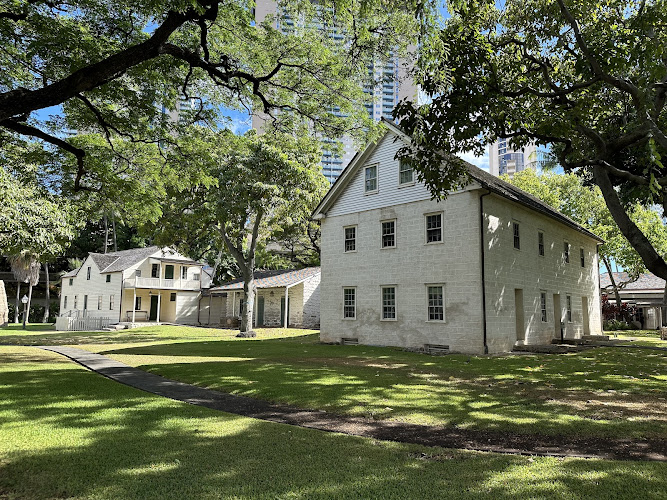
The Hawaiian Mission Houses Historic Site and Archives is one of those places that feels like stepping into a time capsule, except it’s right in the middle of busy Honolulu. This museum complex preserves the oldest surviving Western-style houses in Hawai‘i, built back in the early 1800s by Christian missionaries who arrived from New England. What makes it special isn’t just the architecture—it’s the way the site tells the story of cultural exchange, adaptation, and sometimes tension between Hawaiian traditions and missionary life. You can wander through restored homes, peek into workspaces, and even browse through an archive that holds thousands of rare documents. It’s not a flashy attraction, but it’s deeply meaningful if you’re curious about Hawaiian history and how the islands were shaped during the 19th century.
Walking through the houses, there’s a sense of intimacy. You see everyday objects—furniture, tools, clothing—that remind you these were real families trying to build a life in a completely new environment. Personally, I found myself imagining what it must have been like to leave everything behind, cross the ocean, and then try to raise kids in a place where the language, food, and climate were totally different. It’s humbling, and it makes the history feel less like dusty old dates and more like lived human experience.
Key Features
- Three historic houses, including the oldest frame house in Hawai‘i (built in 1821)
- A research archive with over 12,000 books, manuscripts, and photographs
- Guided tours that bring missionary and Hawaiian stories to life
- Live performances and reenactments that add a theatrical touch to history
- Family-friendly environment with activities that keep kids engaged
- Wheelchair accessible entrances and restrooms for easy access
- A gift shop offering books, handmade items, and unique souvenirs
- Discounts available for active military visitors
Honestly, the live performances surprised me the most. I didn’t expect a museum about missionaries to feel so interactive, but when you see actors portraying figures from the past, it clicks in a different way. It’s history told with a bit of drama, and it works.
Best Time to Visit
If you’re planning a trip, mornings are generally the best time. The site tends to be quieter, and you’ll have more space to explore without feeling rushed. The Hawaiian sun can get pretty intense by midday, so an early visit also means you can enjoy the outdoor parts of the grounds more comfortably. That said, the museum offers special events and performances throughout the year, so checking their calendar is worth it. For example, I once visited during a storytelling event, and it completely changed the vibe—suddenly the space felt alive with voices from the past. If you’re someone who enjoys that kind of immersive experience, aim for those event days.
Weather-wise, Honolulu is pleasant year-round, but if you’re already planning to be in town for other sights like ‘Iolani Palace or the King Kamehameha Statue, it makes sense to group them together since they’re all within walking distance. That’s a tip I wish I had known earlier—it saves time and makes for a really cohesive day of exploring Hawaiian history.
How to Get There
The Hawaiian Mission Houses Historic Site and Archives sits right in the historic heart of Honolulu, so it’s not hard to reach. If you’re staying in Waikīkī, it’s about a 15-minute drive depending on traffic. Parking can be a little tricky in the area, so give yourself extra time. Public transportation is also a solid option—thebus routes stop nearby, and honestly, riding the bus in Honolulu gives you a little slice of local life that’s worth experiencing. If you’re more of a walker, the site is within strolling distance of downtown landmarks, so pairing it with a city walking tour is a smart move.
One thing I learned the hard way: don’t assume you can just roll up and walk right in. Tickets are recommended in advance, especially if you want a guided tour. The tours are really the highlight, so it’s worth the small bit of planning ahead.
Tips for Visiting
Here are a few things I wish someone had told me before my first visit:
- Book ahead: Guided tours fill up quickly, and they’re the best way to understand the context of what you’re seeing.
- Bring water: Even though most of the exhibits are indoors, you’ll spend time outside moving between buildings.
- Ask questions: The staff and docents are incredibly knowledgeable. I asked about a small detail on a piece of furniture, and it led to a whole story about trade between Hawai‘i and Boston.
- Check for events: Performances, lectures, and special programs can make your visit extra memorable.
- Take your time: Don’t rush through. The archives and exhibits reward slow exploration.
- Family-friendly: If you’re traveling with kids, this is one of the more engaging historic sites. There are hands-on moments that keep younger visitors interested.
And here’s a personal tip: after your visit, find a shady spot nearby and just sit for a few minutes. Let it all sink in. There’s something powerful about realizing you’ve just walked through the same rooms where people once debated religion, family, and survival almost two centuries ago. It’s not the kind of memory you rush past—it’s one you carry with you.
Overall, the Hawaiian Mission Houses Historic Site and Archives isn’t about flashy exhibits or Instagram-perfect backdrops. It’s about stories—layered, complicated, human stories that shaped Hawai‘i in ways still felt today. If you’re the kind of traveler who values depth over spectacle, this place will leave a lasting impression.
Key Features
- Three historic houses, including the oldest frame house in Hawai‘i (built in 1821)
- A research archive with over 12,000 books, manuscripts, and photographs
- Guided tours that bring missionary and Hawaiian stories to life
- Live performances and reenactments that add a theatrical touch to history
- Family-friendly environment with activities that keep kids engaged
- Wheelchair accessible entrances and restrooms for easy access
- A gift shop offering books, handmade items, and unique souvenirs
- Discounts available for active military visitors
More Details
Updated September 23, 2025
Table of Contents
- Description
- Key Features
- Best Time to Visit
- How to Get There
- Tips for Visiting
- Key Highlights
- Location
- Places to Stay Near Hawaiian Mission Houses Historic Site and Archives
- Find and Book a Tour
- Explore More Travel Guides
- Nearby Places You Might Like
- Traveler Reviews for Hawaiian Mission Houses Historic Site and Archives
- Share Your Experience
Description
The Hawaiian Mission Houses Historic Site and Archives is one of those places that feels like stepping into a time capsule, except it’s right in the middle of busy Honolulu. This museum complex preserves the oldest surviving Western-style houses in Hawai‘i, built back in the early 1800s by Christian missionaries who arrived from New England. What makes it special isn’t just the architecture—it’s the way the site tells the story of cultural exchange, adaptation, and sometimes tension between Hawaiian traditions and missionary life. You can wander through restored homes, peek into workspaces, and even browse through an archive that holds thousands of rare documents. It’s not a flashy attraction, but it’s deeply meaningful if you’re curious about Hawaiian history and how the islands were shaped during the 19th century.
Walking through the houses, there’s a sense of intimacy. You see everyday objects—furniture, tools, clothing—that remind you these were real families trying to build a life in a completely new environment. Personally, I found myself imagining what it must have been like to leave everything behind, cross the ocean, and then try to raise kids in a place where the language, food, and climate were totally different. It’s humbling, and it makes the history feel less like dusty old dates and more like lived human experience.
Key Features
- Three historic houses, including the oldest frame house in Hawai‘i (built in 1821)
- A research archive with over 12,000 books, manuscripts, and photographs
- Guided tours that bring missionary and Hawaiian stories to life
- Live performances and reenactments that add a theatrical touch to history
- Family-friendly environment with activities that keep kids engaged
- Wheelchair accessible entrances and restrooms for easy access
- A gift shop offering books, handmade items, and unique souvenirs
- Discounts available for active military visitors
Honestly, the live performances surprised me the most. I didn’t expect a museum about missionaries to feel so interactive, but when you see actors portraying figures from the past, it clicks in a different way. It’s history told with a bit of drama, and it works.
Best Time to Visit
If you’re planning a trip, mornings are generally the best time. The site tends to be quieter, and you’ll have more space to explore without feeling rushed. The Hawaiian sun can get pretty intense by midday, so an early visit also means you can enjoy the outdoor parts of the grounds more comfortably. That said, the museum offers special events and performances throughout the year, so checking their calendar is worth it. For example, I once visited during a storytelling event, and it completely changed the vibe—suddenly the space felt alive with voices from the past. If you’re someone who enjoys that kind of immersive experience, aim for those event days.
Weather-wise, Honolulu is pleasant year-round, but if you’re already planning to be in town for other sights like ‘Iolani Palace or the King Kamehameha Statue, it makes sense to group them together since they’re all within walking distance. That’s a tip I wish I had known earlier—it saves time and makes for a really cohesive day of exploring Hawaiian history.
How to Get There
The Hawaiian Mission Houses Historic Site and Archives sits right in the historic heart of Honolulu, so it’s not hard to reach. If you’re staying in Waikīkī, it’s about a 15-minute drive depending on traffic. Parking can be a little tricky in the area, so give yourself extra time. Public transportation is also a solid option—thebus routes stop nearby, and honestly, riding the bus in Honolulu gives you a little slice of local life that’s worth experiencing. If you’re more of a walker, the site is within strolling distance of downtown landmarks, so pairing it with a city walking tour is a smart move.
One thing I learned the hard way: don’t assume you can just roll up and walk right in. Tickets are recommended in advance, especially if you want a guided tour. The tours are really the highlight, so it’s worth the small bit of planning ahead.
Tips for Visiting
Here are a few things I wish someone had told me before my first visit:
- Book ahead: Guided tours fill up quickly, and they’re the best way to understand the context of what you’re seeing.
- Bring water: Even though most of the exhibits are indoors, you’ll spend time outside moving between buildings.
- Ask questions: The staff and docents are incredibly knowledgeable. I asked about a small detail on a piece of furniture, and it led to a whole story about trade between Hawai‘i and Boston.
- Check for events: Performances, lectures, and special programs can make your visit extra memorable.
- Take your time: Don’t rush through. The archives and exhibits reward slow exploration.
- Family-friendly: If you’re traveling with kids, this is one of the more engaging historic sites. There are hands-on moments that keep younger visitors interested.
And here’s a personal tip: after your visit, find a shady spot nearby and just sit for a few minutes. Let it all sink in. There’s something powerful about realizing you’ve just walked through the same rooms where people once debated religion, family, and survival almost two centuries ago. It’s not the kind of memory you rush past—it’s one you carry with you.
Overall, the Hawaiian Mission Houses Historic Site and Archives isn’t about flashy exhibits or Instagram-perfect backdrops. It’s about stories—layered, complicated, human stories that shaped Hawai‘i in ways still felt today. If you’re the kind of traveler who values depth over spectacle, this place will leave a lasting impression.
Key Highlights
- Three historic houses, including the oldest frame house in Hawai‘i (built in 1821)
- A research archive with over 12,000 books, manuscripts, and photographs
- Guided tours that bring missionary and Hawaiian stories to life
- Live performances and reenactments that add a theatrical touch to history
- Family-friendly environment with activities that keep kids engaged
- Wheelchair accessible entrances and restrooms for easy access
- A gift shop offering books, handmade items, and unique souvenirs
- Discounts available for active military visitors
Location
Places to Stay Near Hawaiian Mission Houses Historic Site and Archives
Find and Book a Tour
Explore More Travel Guides
No reviews found! Be the first to review!
Traveler Reviews for Hawaiian Mission Houses Historic Site and Archives
There are no reviews yet. Be the first one to write one.
Have you visited Hawaiian Mission Houses Historic Site and Archives? Help other travelers by sharing your review.
You Might Also Like

123 N Kuakini St

Washington Place
Mānoa Falls Trail
Find Accommodations Nearby
Recommended Tours & Activities
Visitor Reviews
There are no reviews yet. Be the first one to write one.
Share Your Experience
Have you visited Hawaiian Mission Houses Historic Site and Archives? Help other travelers by leaving a review.