

123 N Kuakini St
About 123 N Kuakini St
Description
Tucked away in the heart of Honolulu, this location is one of those places that might not jump out at you right away, but once you know about it, it sticks in your memory. It has that mix of local authenticity and practical convenience that makes it appealing to both travelers and residents. The area surrounding it is lively without being overwhelming, and it feels like you’re stepping into a slice of everyday Honolulu life rather than a tourist-heavy attraction. That’s actually part of its charm. You won’t find the usual flashy resort energy here, but instead, a more grounded, genuine atmosphere.
What stands out most is how accessible it is. It’s close enough to downtown and Chinatown that you can easily wander over to grab a bite or explore shops, but it also has a quieter, more residential feel. This balance makes it a great stop for travelers who want to see the city beyond the glossy brochures. It’s not perfect—parking can sometimes be a headache, and depending on the time of day, it can feel a bit crowded—but overall, it’s a spot that grows on you the more time you spend there.
There’s also a sense of history in the area. You can tell just by looking at the architecture and the way the neighborhood has developed over the years. I remember walking around here for the first time and being struck by how different it felt compared to the tourist-heavy parts of Waikiki. It was like a reminder that Honolulu is a real city with layers of culture, not just a vacation postcard. And that’s exactly why I think travelers who are curious about the “real” Honolulu will appreciate spending time here.
Key Features
- Convenient location near downtown Honolulu and Chinatown
- A mix of residential and commercial surroundings, offering a local atmosphere
- Close proximity to eateries, markets, and cultural landmarks
- Accessible by public transportation and walkable to nearby attractions
- Less touristy compared to Waikiki, offering a more authentic experience
- Architecture and neighborhood layout that reflect Honolulu’s history
- Balanced environment—lively but not overwhelmingly busy
Best Time to Visit
Timing really does make a difference here. If you’re hoping to avoid the stress of traffic and parking, mornings tend to be the best. You’ll find the streets calmer, and it’s easier to take your time exploring without feeling rushed. Late afternoons are also nice, especially if you’re planning to grab dinner nearby or catch a bit of the golden light as the sun starts to set. Midday, on the other hand, can feel a little hectic with people running errands and businesses in full swing.
Weather-wise, Honolulu is pretty consistent year-round, but I’d say the cooler months, roughly November through March, make walking around more comfortable. The summer heat can be intense, and while it’s manageable, it’s not always ideal if you’re planning to stroll for hours. Personally, I love visiting in early spring—the air feels lighter, and the city has this calm energy that’s hard to describe but easy to feel.
How to Get There
Getting here is straightforward, which is part of the appeal. If you’re staying in Waikiki, it’s a short drive—usually less than 15 minutes depending on traffic. Public buses also run frequently in this area, and they’re a budget-friendly option if you don’t want to deal with parking. I’ve taken the bus myself a few times, and while it’s not glamorous, it gets the job done and gives you a sense of local life.
For those who like to walk, if you’re already in downtown Honolulu or Chinatown, it’s a manageable stroll. You’ll pass by shops, street art, and maybe even a few hidden cafes along the way. Ride-shares are also widely available, and honestly, they’re often the easiest choice if you’re not renting a car. Just keep in mind that during rush hour, traffic in Honolulu can crawl, so plan accordingly.
Tips for Visiting
First things first: don’t expect a polished tourist attraction. That’s not what this place is about. Instead, lean into the authenticity of it. Take time to wander, notice the details, and maybe strike up a conversation with someone local—you’d be surprised how friendly people can be when you show genuine interest.
If you’re driving, be patient with parking. Street parking can be limited, and lots may fill up quickly. I’ve learned the hard way to give myself extra time just in case. And wear comfortable shoes. You’ll probably end up walking more than you expect, especially if you decide to venture into nearby neighborhoods.
Bring a bit of curiosity with you too. This area isn’t about flashy attractions; it’s about soaking in the everyday rhythm of Honolulu. Grab a snack from a local eatery, check out the architecture, or just sit for a while and people-watch. It’s in those small moments that you really get a sense of place.
Lastly, keep your expectations realistic. It’s not perfect—there are busy streets, occasional crowds, and the usual quirks of city life. But if you approach it with an open mind, you’ll find it’s one of those places that gives you a deeper, more genuine connection to Honolulu. And honestly, that’s worth way more than any postcard view.
Key Features
- Convenient location near downtown Honolulu and Chinatown
- A mix of residential and commercial surroundings, offering a local atmosphere
- Close proximity to eateries, markets, and cultural landmarks
- Accessible by public transportation and walkable to nearby attractions
- Less touristy compared to Waikiki, offering a more authentic experience
- Architecture and neighborhood layout that reflect Honolulu’s history
- Balanced environment—lively but not overwhelmingly busy
More Details
Updated September 23, 2025
Table of Contents
Description
Tucked away in the heart of Honolulu, this location is one of those places that might not jump out at you right away, but once you know about it, it sticks in your memory. It has that mix of local authenticity and practical convenience that makes it appealing to both travelers and residents. The area surrounding it is lively without being overwhelming, and it feels like you’re stepping into a slice of everyday Honolulu life rather than a tourist-heavy attraction. That’s actually part of its charm. You won’t find the usual flashy resort energy here, but instead, a more grounded, genuine atmosphere.
What stands out most is how accessible it is. It’s close enough to downtown and Chinatown that you can easily wander over to grab a bite or explore shops, but it also has a quieter, more residential feel. This balance makes it a great stop for travelers who want to see the city beyond the glossy brochures. It’s not perfect—parking can sometimes be a headache, and depending on the time of day, it can feel a bit crowded—but overall, it’s a spot that grows on you the more time you spend there.
There’s also a sense of history in the area. You can tell just by looking at the architecture and the way the neighborhood has developed over the years. I remember walking around here for the first time and being struck by how different it felt compared to the tourist-heavy parts of Waikiki. It was like a reminder that Honolulu is a real city with layers of culture, not just a vacation postcard. And that’s exactly why I think travelers who are curious about the “real” Honolulu will appreciate spending time here.
Key Features
- Convenient location near downtown Honolulu and Chinatown
- A mix of residential and commercial surroundings, offering a local atmosphere
- Close proximity to eateries, markets, and cultural landmarks
- Accessible by public transportation and walkable to nearby attractions
- Less touristy compared to Waikiki, offering a more authentic experience
- Architecture and neighborhood layout that reflect Honolulu’s history
- Balanced environment—lively but not overwhelmingly busy
Best Time to Visit
Timing really does make a difference here. If you’re hoping to avoid the stress of traffic and parking, mornings tend to be the best. You’ll find the streets calmer, and it’s easier to take your time exploring without feeling rushed. Late afternoons are also nice, especially if you’re planning to grab dinner nearby or catch a bit of the golden light as the sun starts to set. Midday, on the other hand, can feel a little hectic with people running errands and businesses in full swing.
Weather-wise, Honolulu is pretty consistent year-round, but I’d say the cooler months, roughly November through March, make walking around more comfortable. The summer heat can be intense, and while it’s manageable, it’s not always ideal if you’re planning to stroll for hours. Personally, I love visiting in early spring—the air feels lighter, and the city has this calm energy that’s hard to describe but easy to feel.
How to Get There
Getting here is straightforward, which is part of the appeal. If you’re staying in Waikiki, it’s a short drive—usually less than 15 minutes depending on traffic. Public buses also run frequently in this area, and they’re a budget-friendly option if you don’t want to deal with parking. I’ve taken the bus myself a few times, and while it’s not glamorous, it gets the job done and gives you a sense of local life.
For those who like to walk, if you’re already in downtown Honolulu or Chinatown, it’s a manageable stroll. You’ll pass by shops, street art, and maybe even a few hidden cafes along the way. Ride-shares are also widely available, and honestly, they’re often the easiest choice if you’re not renting a car. Just keep in mind that during rush hour, traffic in Honolulu can crawl, so plan accordingly.
Tips for Visiting
First things first: don’t expect a polished tourist attraction. That’s not what this place is about. Instead, lean into the authenticity of it. Take time to wander, notice the details, and maybe strike up a conversation with someone local—you’d be surprised how friendly people can be when you show genuine interest.
If you’re driving, be patient with parking. Street parking can be limited, and lots may fill up quickly. I’ve learned the hard way to give myself extra time just in case. And wear comfortable shoes. You’ll probably end up walking more than you expect, especially if you decide to venture into nearby neighborhoods.
Bring a bit of curiosity with you too. This area isn’t about flashy attractions; it’s about soaking in the everyday rhythm of Honolulu. Grab a snack from a local eatery, check out the architecture, or just sit for a while and people-watch. It’s in those small moments that you really get a sense of place.
Lastly, keep your expectations realistic. It’s not perfect—there are busy streets, occasional crowds, and the usual quirks of city life. But if you approach it with an open mind, you’ll find it’s one of those places that gives you a deeper, more genuine connection to Honolulu. And honestly, that’s worth way more than any postcard view.
Key Highlights
- Convenient location near downtown Honolulu and Chinatown
- A mix of residential and commercial surroundings, offering a local atmosphere
- Close proximity to eateries, markets, and cultural landmarks
- Accessible by public transportation and walkable to nearby attractions
- Less touristy compared to Waikiki, offering a more authentic experience
- Architecture and neighborhood layout that reflect Honolulu’s history
- Balanced environment—lively but not overwhelmingly busy
Location
Places to Stay Near 123 N Kuakini St
Find and Book a Tour
Explore More Travel Guides
No reviews found! Be the first to review!
Traveler Reviews for 123 N Kuakini St
There are no reviews yet. Be the first one to write one.
Have you visited 123 N Kuakini St? Help other travelers by sharing your review.
You Might Also Like

Kapiʻolani Regional Park
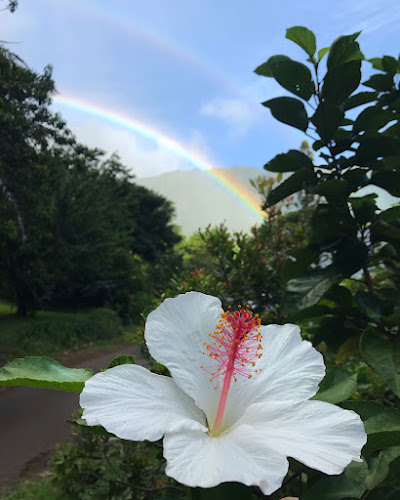
Lyon Arboretum
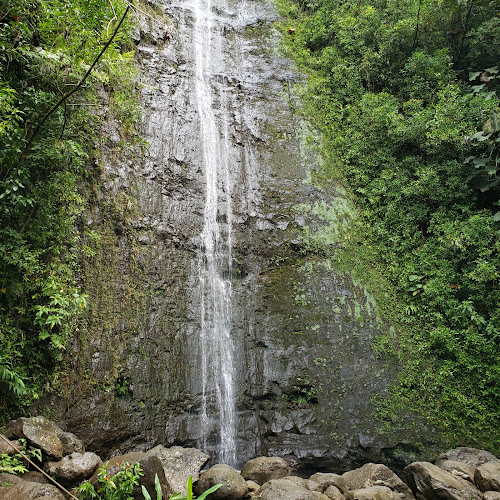
Mānoa Falls Trail
Find Accommodations Nearby
Recommended Tours & Activities
Visitor Reviews
There are no reviews yet. Be the first one to write one.
Share Your Experience
Have you visited 123 N Kuakini St? Help other travelers by leaving a review.