Guided Sightseeing Tours & Activities in Qingpu District
- Browse sightseeing excursions and activities in Qingpu District
- Check live availability, rates & traveler reviews on Viator
- Secure online booking with flexible options
中國上海市青浦区新风路美周路36号 邮政编码: 201713

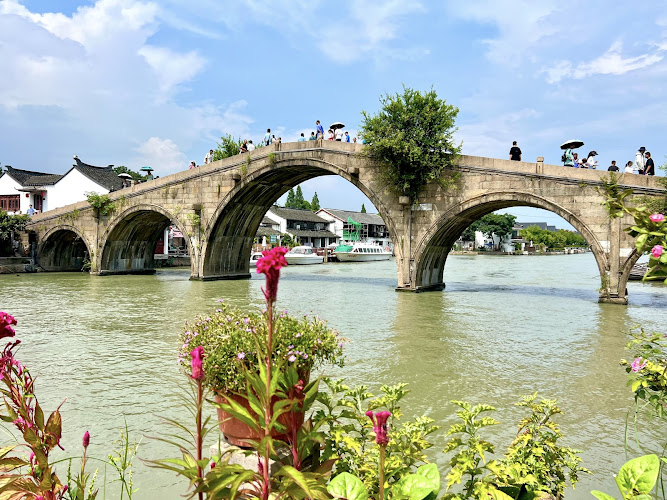
Zhujiajiao Ancient Town, managed by Shanghai Ancient Town at Zhujiajiao Tourism Development Co., Ltd., is a living slice of Jiangnan history tucked into Shanghai’s Qingpu District. With a history stretching roughly 1,700 years, the town’s narrow canals, stone-flagged lanes and graceful arched bridges—most famously the multi-arched Fangsheng Bridge—evoke a timeless water-town atmosphere that contrasts sharply with Shanghai’s skyline. Traditional whitewashed houses, wooden storefronts and teahouses line the waterways, while canals threaded with gondola-like boats offer a slow, sensory way to absorb local life. Visitors come for photography, local snacks, artisan shops and the chance to wander past temples and preserved residential courtyards that reveal everyday Ming and Qing-era urban fabric. It’s an ideal escape for history lovers, culture seekers and anyone wanting a quieter, more picturesque view of regional China without leaving the municipality. The town’s blend of authentic architecture and tourism infrastructure makes it easy to explore in a few hours or linger longer to enjoy tea, river cruises and sunset light on the bridges.
Zhujiajiao represents one of those rare pockets of old China that somehow managed to survive the relentless march of modernization sweeping across Shanghai. This ancient water town has been around for approximately 1,700 years, which is honestly mind-blowing when you think about it – that’s longer than most countries have existed. Managed by the Shanghai Ancient Town at Zhujiajiao Tourism Development Co., Ltd., this historic settlement offers travelers an authentic glimpse into traditional Chinese water town culture, complete with narrow alleyways, flowing canals, and architecture that tells stories spanning multiple dynasties.
What makes Zhujiajiao particularly special is how it balances preservation with accessibility. The town stretches along the shores of Dianshan Lake, connected by an impressive network of 36 stone bridges that arch gracefully over the waterways. Each bridge has its own character and history, and honestly, you could spend an entire day just photographing them from different angles. The most famous among them is the Fangsheng Bridge, a five-arch structure that’s been standing since 1571 during the Ming Dynasty.
Walking through Zhujiajiao feels like stepping onto a film set, except everything here is genuine. The buildings with their white walls and black-tiled roofs aren’t reconstructions – they’re the real deal. Ancient artifacts scattered throughout the town serve as reminders of its rich commercial past, particularly its role as a significant rice trading center. The old rice market area still maintains much of its original layout, giving visitors a sense of how bustling trade must have looked centuries ago.
But here’s the thing about Zhujiajiao that surprised me when I first learned about it – it’s not trying to be a museum. Sure, it preserves history, but it’s also a living, breathing community where people actually go about their daily lives. You’ll see locals hanging laundry, cooking meals, and chatting with neighbors, which adds an authenticity that many tourist destinations lack.
The attractions and experiences at Zhujiajiao create a comprehensive picture of traditional Chinese water town living:
• The 36 ancient stone bridges spanning the waterways, with Fangsheng Bridge being the most architecturally significant and photogenic, offering panoramic views of the canal system
• Traditional Ming and Qing Dynasty architecture lining the narrow lanes, featuring characteristic white-washed walls, dark roof tiles, and intricate wooden lattice windows
• The ancient rice market area that once served as a major trading hub, now preserved to showcase historical commerce methods and traditional shop fronts
• Ke Zhi Garden, a classical Chinese garden from the Qing Dynasty featuring rockeries, pavilions, and meticulously designed landscapes that exemplify traditional garden aesthetics
• The Qing Dynasty Post Office, one of the best-preserved postal stations in China, displaying the evolution of Chinese postal services with original equipment and documents
• Traditional wooden boats offering canal rides through the waterways, providing unique perspectives of the town’s architecture and daily life from the water
• Numerous temples and ancestral halls showcasing religious and cultural traditions, including the City God Temple with its ornate decorations
• The Old Street (Beijie) stretching nearly one kilometer, lined with shops selling local specialties, handicrafts, and traditional snacks
• Museums housing ancient artifacts that tell the story of the town’s 1,700-year history, including pottery, tools, and historical documents
• Wheelchair accessible facilities and restrooms making the attraction suitable for visitors with mobility considerations
• Family-friendly environment with safe pedestrian areas, making it an excellent destination for traveling with children
Timing your visit to Zhujiajiao can significantly impact your experience, and I’ve learned that there’s no single “perfect” time – it really depends on what kind of experience you’re after.
Spring, particularly from March through May, brings mild temperatures and the occasional rain shower that actually enhances the atmospheric quality of the water town. The willow trees lining the canals start showing fresh green leaves, and there’s something romantically melancholic about wandering the stone paths when mist rises from the water. Temperatures hover between 15-25°C, which is comfortable for extended walking. However, be prepared for Chinese holidays like Qingming Festival when domestic tourism peaks significantly.
Summer months from June to August see the highest temperatures, often climbing above 35°C with oppressive humidity. And yet, there’s a certain charm to summer visits – the town comes alive with locals cooling off by the canals, and you’ll find the best seasonal treats like cold rice wine and sweet fermented rice. Just bring an umbrella for both sun protection and sudden downpours, which are common during Shanghai’s rainy season.
Autumn, specifically September through November, gets my vote for the most pleasant weather conditions. The heat breaks, humidity drops, and temperatures settle into the comfortable 20-25°C range. The light during autumn creates gorgeous photography conditions, especially during golden hour when it reflects off the canal waters. Mid-Autumn Festival brings special celebrations, though crowds increase accordingly.
Winter visitors from December to February will encounter the smallest crowds and the most authentic local atmosphere. Yes, it gets cold – temperatures can drop to near freezing – but the town takes on a serene quality that’s hard to find during busier seasons. Bundle up and you’ll be rewarded with practically empty bridges for photos and the chance to warm up with traditional winter foods at local eateries.
Weekdays consistently offer better experiences than weekends regardless of season, with significantly fewer tour groups and more opportunities to interact with local residents. Early morning visits, especially before 9 AM, provide the most peaceful atmosphere when you can watch the town wake up.
Getting to Zhujiajiao from central Shanghai is remarkably straightforward, which partly explains why it’s become such a popular day trip destination.
The most economical option involves taking Shanghai’s metro system. Line 17, which many travelers don’t even know exists since it’s relatively new, runs directly to Zhujiajiao Station. From major tourist areas like People’s Square, you’ll need to transfer once or twice, but the entire journey typically takes about 90 minutes and costs less than 10 RMB. Once you exit Zhujiajiao Station, it’s approximately a 15-minute walk to the old town entrance, though local buses and taxis are available if you’re carrying heavy bags or traveling with young children.
Tourist buses operate from various points in Shanghai, including some major hotels and the Shanghai Stadium. These coaches offer convenience and sometimes include package deals with entrance tickets, but they run on fixed schedules which might not align with your preferred timing. The journey takes roughly 60-90 minutes depending on traffic conditions, and you’re subject to the group’s timetable rather than exploring at your own pace.
Regular taxis or ride-sharing services like Didi provide the most flexibility and comfort, especially for groups of three or four people where the cost splits reasonably. The fare from central Shanghai typically ranges between 150-250 RMB depending on your starting point and traffic. Have your destination written in Chinese characters because not all drivers speak English – showing them “朱家角古镇” eliminates confusion.
Self-driving offers maximum independence if you’re comfortable navigating Shanghai traffic and Chinese road systems. Parking areas exist near the ancient town, though spaces fill quickly on weekends and holidays. The drive from downtown Shanghai generally takes 45-60 minutes via the G50 expressway, but factor in additional time for parking and walking to the entrance.
Tour packages represent another option, particularly for first-time visitors to China who prefer organized experiences. Numerous Shanghai tour operators include Zhujiajiao in half-day or full-day itineraries, often combining it with other attractions. While convenient, these limit your exploration time and flexibility.
After hearing from countless travelers who’ve visited Zhujiajiao, here are the practical insights that’ll improve your experience substantially.
Arrive early, seriously. The ancient town technically opens around 8:30 AM, but some areas are accessible earlier when local shop owners are just setting up. Those magical pre-tourist-crowd hours between 8-10 AM offer the best photography light and the most authentic atmosphere. By midday, especially on weekends, the narrow lanes become congested with tour groups moving in synchronized waves.
Wear comfortable, broken-in walking shoes with good grip – this isn’t negotiable. The stone paths and bridges feature centuries of wear, making surfaces uneven and potentially slippery, particularly after rain. I’ve seen too many visitors struggling in inappropriate footwear, missing out on exploring the more remote areas because their feet hurt.
The entrance to the general old town area is free, which many travelers don’t realize. However, accessing specific attractions like Ke Zhi Garden, the Qing Dynasty Post Office, and various museums requires purchasing a combination ticket. Decide beforehand whether you want to enter these sites or simply wander the streets and enjoy the atmosphere – both approaches offer value depending on your interests.
Bring cash in small denominations. While digital payments dominate modern China, many small vendors in Zhujiajiao still prefer cash, particularly older shop owners selling street food and handicrafts. Having 100 RMB in small bills prevents the awkwardness of vendors not being able to make change.
The canal boat rides provide wonderful perspectives but understand what you’re getting. The standard route takes about 30 minutes, costs around 80-100 RMB per boat (not per person), and accommodates 4-6 passengers. Negotiate the price before boarding and clarify whether it’s per person or per boat to avoid misunderstandings. Early morning or late afternoon rides offer better lighting and fewer water traffic jams.
Food exploration deserves its own strategy. The wrapped zongzi (sticky rice dumplings), freshly made stinky tofu, and various rice cakes represent authentic local specialties worth trying. However, restaurants along the main tourist drag typically charge inflated prices for average quality. Venture into side alleys where locals actually eat – if you see multiple Chinese families dining somewhere, that’s usually your signal for good value and authentic taste.
Photography enthusiasts should bring neutral density filters for long exposure shots of the canals and bridges. The reflections in still water create stunning compositions, and having the right equipment helps capture them properly. Respect privacy when photographing locals – always ask permission before taking close-up portraits.
The wheelchair accessible facilities exist, making Zhujiajiao more inclusive than many ancient Chinese sites. However, understand that “accessible” has different standards here than in Western countries. Some areas remain challenging due to the historic nature of the architecture, with steep bridge approaches and uneven surfaces that might require assistance to navigate.
Traveling with children works well here since the waterways, bridges, and boat rides naturally capture kids’ attention. The pedestrian-only zones eliminate traffic concerns, though you’ll need to watch young ones near the canal edges since protective barriers aren’t always present. The town’s compact size means restrooms are never too far away, and small restaurants accommodate family dining easily.
Avoid peak Chinese holidays unless you enjoy extreme crowds. National Day (October 1-7) and Chinese New Year periods see visitor numbers that transform the experience from pleasant exploration to sardine-can shuffling. If your schedule coincides with these periods, arrive at dawn or prepare for crowds.
Consider spending a full day rather than rushing through in a few hours. The town rewards slow exploration – discovering hidden courtyards, watching craftspeople work, sitting by the canal with tea, and observing how light changes throughout the day. Many visitors allocate 3-4 hours and later regret not staying longer.
Download offline maps before arriving since internet connectivity can be spotty in some areas. Google Maps doesn’t work reliably in China anyway, so Baidu Maps or having screenshots of the town layout helps orientation.
The onsite services mentioned in the attraction details include small conveniences like luggage storage and information desks that can genuinely improve your visit if you’re coming directly from the airport or continuing to other destinations afterward.

Last modified March 30, 2026
Zhujiajiao represents one of those rare pockets of old China that somehow managed to survive the relentless march of modernization sweeping across Shanghai. This ancient water town has been around for approximately 1,700 years, which is honestly mind-blowing when you think about it – that’s longer than most countries have existed. Managed by the Shanghai Ancient Town at Zhujiajiao Tourism Development Co., Ltd., this historic settlement offers travelers an authentic glimpse into traditional Chinese water town culture, complete with narrow alleyways, flowing canals, and architecture that tells stories spanning multiple dynasties.
What makes Zhujiajiao particularly special is how it balances preservation with accessibility. The town stretches along the shores of Dianshan Lake, connected by an impressive network of 36 stone bridges that arch gracefully over the waterways. Each bridge has its own character and history, and honestly, you could spend an entire day just photographing them from different angles. The most famous among them is the Fangsheng Bridge, a five-arch structure that’s been standing since 1571 during the Ming Dynasty.
Walking through Zhujiajiao feels like stepping onto a film set, except everything here is genuine. The buildings with their white walls and black-tiled roofs aren’t reconstructions – they’re the real deal. Ancient artifacts scattered throughout the town serve as reminders of its rich commercial past, particularly its role as a significant rice trading center. The old rice market area still maintains much of its original layout, giving visitors a sense of how bustling trade must have looked centuries ago.
But here’s the thing about Zhujiajiao that surprised me when I first learned about it – it’s not trying to be a museum. Sure, it preserves history, but it’s also a living, breathing community where people actually go about their daily lives. You’ll see locals hanging laundry, cooking meals, and chatting with neighbors, which adds an authenticity that many tourist destinations lack.
The attractions and experiences at Zhujiajiao create a comprehensive picture of traditional Chinese water town living:
• The 36 ancient stone bridges spanning the waterways, with Fangsheng Bridge being the most architecturally significant and photogenic, offering panoramic views of the canal system
• Traditional Ming and Qing Dynasty architecture lining the narrow lanes, featuring characteristic white-washed walls, dark roof tiles, and intricate wooden lattice windows
• The ancient rice market area that once served as a major trading hub, now preserved to showcase historical commerce methods and traditional shop fronts
• Ke Zhi Garden, a classical Chinese garden from the Qing Dynasty featuring rockeries, pavilions, and meticulously designed landscapes that exemplify traditional garden aesthetics
• The Qing Dynasty Post Office, one of the best-preserved postal stations in China, displaying the evolution of Chinese postal services with original equipment and documents
• Traditional wooden boats offering canal rides through the waterways, providing unique perspectives of the town’s architecture and daily life from the water
• Numerous temples and ancestral halls showcasing religious and cultural traditions, including the City God Temple with its ornate decorations
• The Old Street (Beijie) stretching nearly one kilometer, lined with shops selling local specialties, handicrafts, and traditional snacks
• Museums housing ancient artifacts that tell the story of the town’s 1,700-year history, including pottery, tools, and historical documents
• Wheelchair accessible facilities and restrooms making the attraction suitable for visitors with mobility considerations
• Family-friendly environment with safe pedestrian areas, making it an excellent destination for traveling with children
Timing your visit to Zhujiajiao can significantly impact your experience, and I’ve learned that there’s no single “perfect” time – it really depends on what kind of experience you’re after.
Spring, particularly from March through May, brings mild temperatures and the occasional rain shower that actually enhances the atmospheric quality of the water town. The willow trees lining the canals start showing fresh green leaves, and there’s something romantically melancholic about wandering the stone paths when mist rises from the water. Temperatures hover between 15-25°C, which is comfortable for extended walking. However, be prepared for Chinese holidays like Qingming Festival when domestic tourism peaks significantly.
Summer months from June to August see the highest temperatures, often climbing above 35°C with oppressive humidity. And yet, there’s a certain charm to summer visits – the town comes alive with locals cooling off by the canals, and you’ll find the best seasonal treats like cold rice wine and sweet fermented rice. Just bring an umbrella for both sun protection and sudden downpours, which are common during Shanghai’s rainy season.
Autumn, specifically September through November, gets my vote for the most pleasant weather conditions. The heat breaks, humidity drops, and temperatures settle into the comfortable 20-25°C range. The light during autumn creates gorgeous photography conditions, especially during golden hour when it reflects off the canal waters. Mid-Autumn Festival brings special celebrations, though crowds increase accordingly.
Winter visitors from December to February will encounter the smallest crowds and the most authentic local atmosphere. Yes, it gets cold – temperatures can drop to near freezing – but the town takes on a serene quality that’s hard to find during busier seasons. Bundle up and you’ll be rewarded with practically empty bridges for photos and the chance to warm up with traditional winter foods at local eateries.
Weekdays consistently offer better experiences than weekends regardless of season, with significantly fewer tour groups and more opportunities to interact with local residents. Early morning visits, especially before 9 AM, provide the most peaceful atmosphere when you can watch the town wake up.
Getting to Zhujiajiao from central Shanghai is remarkably straightforward, which partly explains why it’s become such a popular day trip destination.
The most economical option involves taking Shanghai’s metro system. Line 17, which many travelers don’t even know exists since it’s relatively new, runs directly to Zhujiajiao Station. From major tourist areas like People’s Square, you’ll need to transfer once or twice, but the entire journey typically takes about 90 minutes and costs less than 10 RMB. Once you exit Zhujiajiao Station, it’s approximately a 15-minute walk to the old town entrance, though local buses and taxis are available if you’re carrying heavy bags or traveling with young children.
Tourist buses operate from various points in Shanghai, including some major hotels and the Shanghai Stadium. These coaches offer convenience and sometimes include package deals with entrance tickets, but they run on fixed schedules which might not align with your preferred timing. The journey takes roughly 60-90 minutes depending on traffic conditions, and you’re subject to the group’s timetable rather than exploring at your own pace.
Regular taxis or ride-sharing services like Didi provide the most flexibility and comfort, especially for groups of three or four people where the cost splits reasonably. The fare from central Shanghai typically ranges between 150-250 RMB depending on your starting point and traffic. Have your destination written in Chinese characters because not all drivers speak English – showing them “朱家角古镇” eliminates confusion.
Self-driving offers maximum independence if you’re comfortable navigating Shanghai traffic and Chinese road systems. Parking areas exist near the ancient town, though spaces fill quickly on weekends and holidays. The drive from downtown Shanghai generally takes 45-60 minutes via the G50 expressway, but factor in additional time for parking and walking to the entrance.
Tour packages represent another option, particularly for first-time visitors to China who prefer organized experiences. Numerous Shanghai tour operators include Zhujiajiao in half-day or full-day itineraries, often combining it with other attractions. While convenient, these limit your exploration time and flexibility.
After hearing from countless travelers who’ve visited Zhujiajiao, here are the practical insights that’ll improve your experience substantially.
Arrive early, seriously. The ancient town technically opens around 8:30 AM, but some areas are accessible earlier when local shop owners are just setting up. Those magical pre-tourist-crowd hours between 8-10 AM offer the best photography light and the most authentic atmosphere. By midday, especially on weekends, the narrow lanes become congested with tour groups moving in synchronized waves.
Wear comfortable, broken-in walking shoes with good grip – this isn’t negotiable. The stone paths and bridges feature centuries of wear, making surfaces uneven and potentially slippery, particularly after rain. I’ve seen too many visitors struggling in inappropriate footwear, missing out on exploring the more remote areas because their feet hurt.
The entrance to the general old town area is free, which many travelers don’t realize. However, accessing specific attractions like Ke Zhi Garden, the Qing Dynasty Post Office, and various museums requires purchasing a combination ticket. Decide beforehand whether you want to enter these sites or simply wander the streets and enjoy the atmosphere – both approaches offer value depending on your interests.
Bring cash in small denominations. While digital payments dominate modern China, many small vendors in Zhujiajiao still prefer cash, particularly older shop owners selling street food and handicrafts. Having 100 RMB in small bills prevents the awkwardness of vendors not being able to make change.
The canal boat rides provide wonderful perspectives but understand what you’re getting. The standard route takes about 30 minutes, costs around 80-100 RMB per boat (not per person), and accommodates 4-6 passengers. Negotiate the price before boarding and clarify whether it’s per person or per boat to avoid misunderstandings. Early morning or late afternoon rides offer better lighting and fewer water traffic jams.
Food exploration deserves its own strategy. The wrapped zongzi (sticky rice dumplings), freshly made stinky tofu, and various rice cakes represent authentic local specialties worth trying. However, restaurants along the main tourist drag typically charge inflated prices for average quality. Venture into side alleys where locals actually eat – if you see multiple Chinese families dining somewhere, that’s usually your signal for good value and authentic taste.
Photography enthusiasts should bring neutral density filters for long exposure shots of the canals and bridges. The reflections in still water create stunning compositions, and having the right equipment helps capture them properly. Respect privacy when photographing locals – always ask permission before taking close-up portraits.
The wheelchair accessible facilities exist, making Zhujiajiao more inclusive than many ancient Chinese sites. However, understand that “accessible” has different standards here than in Western countries. Some areas remain challenging due to the historic nature of the architecture, with steep bridge approaches and uneven surfaces that might require assistance to navigate.
Traveling with children works well here since the waterways, bridges, and boat rides naturally capture kids’ attention. The pedestrian-only zones eliminate traffic concerns, though you’ll need to watch young ones near the canal edges since protective barriers aren’t always present. The town’s compact size means restrooms are never too far away, and small restaurants accommodate family dining easily.
Avoid peak Chinese holidays unless you enjoy extreme crowds. National Day (October 1-7) and Chinese New Year periods see visitor numbers that transform the experience from pleasant exploration to sardine-can shuffling. If your schedule coincides with these periods, arrive at dawn or prepare for crowds.
Consider spending a full day rather than rushing through in a few hours. The town rewards slow exploration – discovering hidden courtyards, watching craftspeople work, sitting by the canal with tea, and observing how light changes throughout the day. Many visitors allocate 3-4 hours and later regret not staying longer.
Download offline maps before arriving since internet connectivity can be spotty in some areas. Google Maps doesn’t work reliably in China anyway, so Baidu Maps or having screenshots of the town layout helps orientation.
The onsite services mentioned in the attraction details include small conveniences like luggage storage and information desks that can genuinely improve your visit if you’re coming directly from the airport or continuing to other destinations afterward.
No reviews found! Be the first to review!
Shanghai Ancient Town at Zhujiajiao Tourism Development Co., Ltd. is a prominent attractions located in Qingpu District.
Visit us at: 中國上海市青浦区新风路美周路36号 邮政编码: 201713.
Stay22 provides this accommodation search. We may earn a commission if you book through it; verify current prices and terms with the provider.
GetYourGuide provides this tour inventory. We may earn a commission if you book through it; verify current availability, prices, and terms with the provider.
We may earn a commission if you book through links on this page at no extra cost to you. All tours feature verified customer reviews and flexible cancellation options.
No traveler reviews yet. Share your experience below!
No traveler questions yet. Be the first to ask a local!