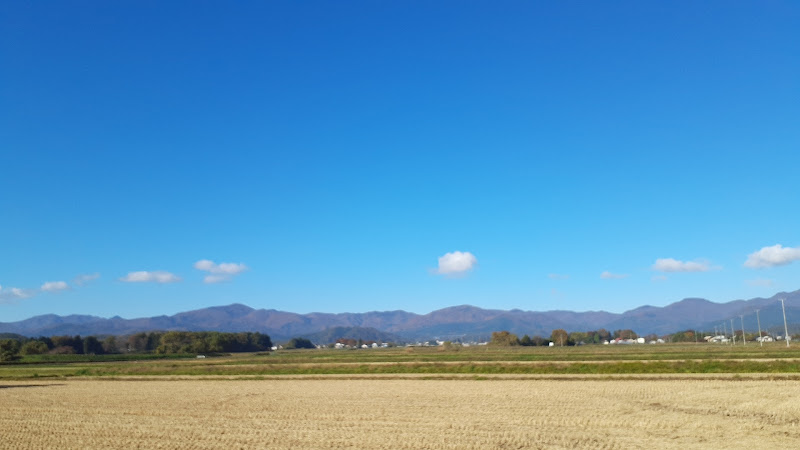
Seto Otsukimachi
About Seto Otsukimachi
Description
Seto Otsukimachi is one of those quietly charming corners of Japan that you might not hear about in the glossy travel magazines, yet it has a way of staying with you long after you’ve left. Tucked away in the Koriyama area of Fukushima Prefecture, this little neighborhood is steeped in a kind of everyday beauty that feels both timeless and deeply personal. It’s not a place of grand monuments or flashy attractions—it’s more about the rhythm of local life, the craftsmanship of traditional artisans, and the small, meaningful details that make Japan’s regional towns so special.
Walking through Seto Otsukimachi, you’ll notice how the air carries a faint earthy scent—probably from the ceramic kilns that have been part of this region’s story for centuries. The town’s connection to pottery is no coincidence; the name “Seto” itself has long been associated with ceramics across Japan. There’s something grounding about watching a potter at work here, shaping clay with the same patience and precision that’s been passed down through generations. And if you’ve ever tried your hand at pottery, you’ll know how humbling it can be. I once took a short workshop here—let’s just say my “masterpiece” leaned a little too far to the left, but the experience was worth every second.
Beyond the pottery, Seto Otsukimachi offers a glimpse into a slower, more deliberate pace of life. Locals greet you with genuine warmth, and every corner seems to hold a story. There’s a modest shrine tucked between narrow streets, small family-run cafés serving homemade sweets, and seasonal festivals that bring everyone together. It’s the kind of place where you feel like a traveler, not a tourist—where you can still hear the echoes of history in the quiet hum of daily life.
Key Features
- Traditional Pottery Heritage: The area’s long-standing connection to ceramic craftsmanship makes it a must-visit for anyone interested in Japanese arts and crafts.
- Local Workshops: Several studios offer hands-on pottery experiences, perfect for travelers looking to create something meaningful to take home.
- Seasonal Festivals: Depending on when you visit, you might catch a local matsuri featuring lanterns, folk music, or handmade goods from local artisans.
- Authentic Local Cuisine: Small eateries serve Fukushima’s regional dishes—simple, hearty, and full of flavor. Try the miso-grilled rice balls or fresh soba noodles.
- Scenic Strolls: The streets are lined with traditional houses and stone walls, ideal for slow, reflective walks with a camera in hand.
- Community Spirit: Seto Otsukimachi’s residents take pride in preserving their traditions, and visitors often remark on the friendliness and openness of the locals.
Best Time to Visit
If you ask me, Seto Otsukimachi feels different every season, and that’s part of its charm. Spring brings soft pink cherry blossoms that frame the old streets like a watercolor painting. The air smells faintly of rain and new beginnings. Summer, on the other hand, is lively—festivals light up the evenings with paper lanterns and the sound of taiko drums echoing through the town. It’s warm, maybe even a bit humid, but that just adds to the energy.
Autumn is my personal favorite. The surrounding hills turn shades of amber and crimson, and the sunlight has this golden warmth that makes everything look cinematic. It’s also the perfect time to visit the pottery studios, as many artisans showcase their best work before winter. Speaking of winter—it’s quiet, serene, and sometimes dusted with snow. There’s something magical about sipping hot tea while watching snowflakes fall outside a wooden café window. So really, there’s no bad time to visit; it just depends on what kind of experience you’re after.
How to Get There
Getting to Seto Otsukimachi is fairly straightforward, though it does require a bit of planning. If you’re coming from Tokyo, you can hop on the Tohoku Shinkansen to Koriyama Station—it’s a smooth ride that takes about 80 to 90 minutes. From there, local buses or taxis can take you toward the Seto area. The drive itself is scenic, passing through quiet neighborhoods and stretches of countryside that remind you just how vast Japan’s rural landscapes are.
For those who prefer to explore at their own pace, renting a car is a great option. The roads around Koriyama are well-maintained, and having your own vehicle gives you the freedom to stop at roadside shops or viewpoints along the way. Just remember that in Japan, you’ll be driving on the left side of the road. If you’re not used to that, it might take a few minutes to adjust—but it’s all part of the adventure. And if you’re relying on public transportation, don’t worry; the local network is reliable, though schedules can be limited outside major cities, so plan ahead.
Tips for Visiting
First and foremost, give yourself time. Seto Otsukimachi isn’t a place to rush through—it rewards those who linger. Spend a few hours wandering through the pottery shops, chatting with artisans, or just sitting by a small stream watching the world go by. If you’re interested in taking a pottery class, try to book ahead, especially during weekends or holiday seasons. Many workshops are run by families who keep class sizes small for a more personal touch.
Another tip: bring cash. While Japan is increasingly card-friendly, small towns like this still rely heavily on cash transactions. And don’t be shy about trying the local food stalls or cafés—sometimes the best meals are found in the most unassuming places. I once stumbled upon a tiny soba shop run by an elderly couple who insisted I try their homemade pickles. Let’s just say I’ve been chasing that flavor ever since.
If you’re visiting during festival season, check local event calendars. Even small-scale celebrations here have a heartwarming authenticity that’s hard to find elsewhere. You might see children in yukata, hear the rhythmic beat of drums, or watch lanterns floating gently into the night sky. It’s these moments that make Seto Otsukimachi special—not the big-ticket attractions, but the quiet, human ones.
Lastly, take your camera, but also take time to put it down. The beauty of Seto Otsukimachi isn’t just in what you see—it’s in how it makes you feel. It’s the sound of a kiln door creaking open, the laughter of locals sharing stories, the way the afternoon light hits a row of old pottery jars. It’s the kind of place that reminds you why travel matters—not to check another destination off your list, but to connect, to slow down, and to remember that sometimes, the smallest towns hold the biggest stories.
In short, Seto Otsukimachi is a destination that rewards curiosity. It’s for travelers who appreciate craftsmanship, community, and the quiet hum of tradition. Whether you come for the pottery, the food, or simply the peace of a slower pace, you’ll leave with something far more lasting—a sense of connection to Japan’s enduring heart.

Key Features
- Key Features
- Best Time to Visit
- How to Get There
- Tips for Visiting
More Details
Updated December 1, 2025
Table of Contents
Description
Seto Otsukimachi is one of those quietly charming corners of Japan that you might not hear about in the glossy travel magazines, yet it has a way of staying with you long after you’ve left. Tucked away in the Koriyama area of Fukushima Prefecture, this little neighborhood is steeped in a kind of everyday beauty that feels both timeless and deeply personal. It’s not a place of grand monuments or flashy attractions—it’s more about the rhythm of local life, the craftsmanship of traditional artisans, and the small, meaningful details that make Japan’s regional towns so special.
Walking through Seto Otsukimachi, you’ll notice how the air carries a faint earthy scent—probably from the ceramic kilns that have been part of this region’s story for centuries. The town’s connection to pottery is no coincidence; the name “Seto” itself has long been associated with ceramics across Japan. There’s something grounding about watching a potter at work here, shaping clay with the same patience and precision that’s been passed down through generations. And if you’ve ever tried your hand at pottery, you’ll know how humbling it can be. I once took a short workshop here—let’s just say my “masterpiece” leaned a little too far to the left, but the experience was worth every second.
Beyond the pottery, Seto Otsukimachi offers a glimpse into a slower, more deliberate pace of life. Locals greet you with genuine warmth, and every corner seems to hold a story. There’s a modest shrine tucked between narrow streets, small family-run cafés serving homemade sweets, and seasonal festivals that bring everyone together. It’s the kind of place where you feel like a traveler, not a tourist—where you can still hear the echoes of history in the quiet hum of daily life.
Key Features
- Traditional Pottery Heritage: The area’s long-standing connection to ceramic craftsmanship makes it a must-visit for anyone interested in Japanese arts and crafts.
- Local Workshops: Several studios offer hands-on pottery experiences, perfect for travelers looking to create something meaningful to take home.
- Seasonal Festivals: Depending on when you visit, you might catch a local matsuri featuring lanterns, folk music, or handmade goods from local artisans.
- Authentic Local Cuisine: Small eateries serve Fukushima’s regional dishes—simple, hearty, and full of flavor. Try the miso-grilled rice balls or fresh soba noodles.
- Scenic Strolls: The streets are lined with traditional houses and stone walls, ideal for slow, reflective walks with a camera in hand.
- Community Spirit: Seto Otsukimachi’s residents take pride in preserving their traditions, and visitors often remark on the friendliness and openness of the locals.
Best Time to Visit
If you ask me, Seto Otsukimachi feels different every season, and that’s part of its charm. Spring brings soft pink cherry blossoms that frame the old streets like a watercolor painting. The air smells faintly of rain and new beginnings. Summer, on the other hand, is lively—festivals light up the evenings with paper lanterns and the sound of taiko drums echoing through the town. It’s warm, maybe even a bit humid, but that just adds to the energy.
Autumn is my personal favorite. The surrounding hills turn shades of amber and crimson, and the sunlight has this golden warmth that makes everything look cinematic. It’s also the perfect time to visit the pottery studios, as many artisans showcase their best work before winter. Speaking of winter—it’s quiet, serene, and sometimes dusted with snow. There’s something magical about sipping hot tea while watching snowflakes fall outside a wooden café window. So really, there’s no bad time to visit; it just depends on what kind of experience you’re after.
How to Get There
Getting to Seto Otsukimachi is fairly straightforward, though it does require a bit of planning. If you’re coming from Tokyo, you can hop on the Tohoku Shinkansen to Koriyama Station—it’s a smooth ride that takes about 80 to 90 minutes. From there, local buses or taxis can take you toward the Seto area. The drive itself is scenic, passing through quiet neighborhoods and stretches of countryside that remind you just how vast Japan’s rural landscapes are.
For those who prefer to explore at their own pace, renting a car is a great option. The roads around Koriyama are well-maintained, and having your own vehicle gives you the freedom to stop at roadside shops or viewpoints along the way. Just remember that in Japan, you’ll be driving on the left side of the road. If you’re not used to that, it might take a few minutes to adjust—but it’s all part of the adventure. And if you’re relying on public transportation, don’t worry; the local network is reliable, though schedules can be limited outside major cities, so plan ahead.
Tips for Visiting
First and foremost, give yourself time. Seto Otsukimachi isn’t a place to rush through—it rewards those who linger. Spend a few hours wandering through the pottery shops, chatting with artisans, or just sitting by a small stream watching the world go by. If you’re interested in taking a pottery class, try to book ahead, especially during weekends or holiday seasons. Many workshops are run by families who keep class sizes small for a more personal touch.
Another tip: bring cash. While Japan is increasingly card-friendly, small towns like this still rely heavily on cash transactions. And don’t be shy about trying the local food stalls or cafés—sometimes the best meals are found in the most unassuming places. I once stumbled upon a tiny soba shop run by an elderly couple who insisted I try their homemade pickles. Let’s just say I’ve been chasing that flavor ever since.
If you’re visiting during festival season, check local event calendars. Even small-scale celebrations here have a heartwarming authenticity that’s hard to find elsewhere. You might see children in yukata, hear the rhythmic beat of drums, or watch lanterns floating gently into the night sky. It’s these moments that make Seto Otsukimachi special—not the big-ticket attractions, but the quiet, human ones.
Lastly, take your camera, but also take time to put it down. The beauty of Seto Otsukimachi isn’t just in what you see—it’s in how it makes you feel. It’s the sound of a kiln door creaking open, the laughter of locals sharing stories, the way the afternoon light hits a row of old pottery jars. It’s the kind of place that reminds you why travel matters—not to check another destination off your list, but to connect, to slow down, and to remember that sometimes, the smallest towns hold the biggest stories.
In short, Seto Otsukimachi is a destination that rewards curiosity. It’s for travelers who appreciate craftsmanship, community, and the quiet hum of tradition. Whether you come for the pottery, the food, or simply the peace of a slower pace, you’ll leave with something far more lasting—a sense of connection to Japan’s enduring heart.
Key Highlights
- Key Features
- Best Time to Visit
- How to Get There
- Tips for Visiting
Location
Places to Stay Near Seto Otsukimachi
Find and Book a Tour
Explore More Travel Guides
No reviews found! Be the first to review!
Traveler Reviews for Seto Otsukimachi
There are no reviews yet. Be the first one to write one.
Have you visited Seto Otsukimachi? Help other travelers by sharing your review.
Find Accommodations Nearby
Recommended Tours & Activities
Visitor Reviews
There are no reviews yet. Be the first one to write one.
Share Your Experience
Have you visited Seto Otsukimachi? Help other travelers by leaving a review.