

Sengan-en
About Sengan-en
Description
Sengan-en stands as one of Japan's most remarkable feudal gardens, where history and natural beauty converge in ways that'll genuinely take your breath away. This isn't just another pretty garden - it's a 50,000 square meter masterpiece that the powerful Shimazu clan called home for centuries. Built back in 1658 by Shimazu Mitsuhisa, the 19th head of the influential Shimazu family, this place has stories embedded in every stone pathway and carefully pruned tree.
What makes Sengan-en absolutely extraordinary is how it uses the active volcano Sakurajima and Kagoshima Bay as what the Japanese call "borrowed scenery" - basically turning the entire landscape into part of the garden design. And let me tell you, when you're sipping matcha tea while watching smoke curl up from an active volcano across the bay, you'll understand why this technique is considered pure genius in Japanese garden design.
The garden earned its place as a UNESCO World Heritage Site in 2015 as part of the "Sites of Japan's Meiji Industrial Revolution," which speaks to its historical significance beyond just being beautiful. You're not just visiting a garden here - you're stepping into a place that played a crucial role in Japan's modernization during the 19th century.
Key Features
Sengan-en offers visitors an incredible array of experiences that blend traditional Japanese aesthetics with historical significance:
- Spectacular Volcano Views: The garden's positioning provides unobstructed views of Sakurajima, an active volcano that serves as the dramatic backdrop for the entire experience
- Shimazu Family Residence: The preserved Iso Residence gives you an authentic glimpse into how feudal lords lived, complete with traditional architecture and period furnishings
- Shoko Shuseikan Museum: This on-site museum showcases the Shimazu clan's role in Japan's industrial development and displays fascinating artifacts from the Meiji period
- Traditional Tea Houses: Multiple locations throughout the garden where you can experience authentic Japanese tea ceremony while enjoying the scenery
- Bamboo Groves: Peaceful walking paths through towering bamboo that create natural tunnels of green light
- Stone Lanterns and Shrines: Over 1,000 stone lanterns dot the landscape, creating magical atmosphere especially during special lighting events
- Seasonal Flower Displays: Cherry blossoms in spring, iris gardens in early summer, and autumn maple colors provide year-round beauty
- Traditional Restaurants: On-site dining options serving local Kagoshima specialties including the famous Satsuma cuisine
- Gift Shops: Unique souvenirs including traditional crafts and local products you won't find elsewhere
Best Time to Visit
Timing your visit to Sengan-en can make the difference between a good experience and an absolutely unforgettable one. Spring (March to May) is arguably the most popular time, and for good reason - the cherry blossoms create a pink canopy over the garden paths while the weather remains comfortable for walking. But honestly? The crowds during peak sakura season can be pretty intense.
If you want my honest opinion, early summer (June to July) offers some of the best experiences. The iris gardens are in full bloom, the weather's warm but not oppressive, and you'll have more space to actually enjoy the serenity the garden was designed to provide. Plus, the longer daylight hours mean you can spend more time exploring without feeling rushed.
Autumn brings its own magic - the maple trees turn brilliant reds and oranges that complement the volcanic landscape beautifully. September through November offers cooler temperatures perfect for extended walks, and the contrast between the autumn colors and Sakurajima's dark silhouette creates photography opportunities that are simply stunning.
Winter might seem like an odd choice, but hear me out. The garden takes on a completely different character when dusted with snow, and you'll practically have the place to yourself. The bare trees reveal architectural details that get hidden during lusher seasons, and the hot tea tastes even better when there's frost on the ground.
Weather-wise, avoid the rainy season (mid-June to mid-July) and the peak summer heat of August unless you're particularly tolerant of humidity and crowds. Early morning visits, regardless of season, offer the best lighting for photos and the most peaceful atmosphere.
How to Get There
Getting to Sengan-en is refreshingly straightforward, especially compared to some of Japan's more remote attractions. From Kagoshima city center, you've got several options that won't break the bank or test your navigation skills.
The most convenient option is the City View Bus - a tourist-friendly bus that makes regular stops at major attractions including Sengan-en. It runs approximately every 30 minutes and costs just 190 yen per ride, though you can grab a day pass for 600 yen if you're planning to hit multiple spots. The bus is clearly marked in English and Japanese, so you won't accidentally end up on the wrong route.
If you're staying near Kagoshima Chuo Station, regular city buses (routes 25, 26, or 28) will get you there for about 220 yen. The journey takes roughly 20-25 minutes depending on traffic, and buses run frequently throughout the day. Look for buses heading toward "Isoteien-mae" - that's the stop you want.
Taxis are available but honestly, unless you're traveling with a group or have mobility concerns, they're probably not worth the expense. The ride from central Kagoshima runs about 1,500-2,000 yen, which adds up quickly if you're budget-conscious.
For the adventurous types, rental bicycles are available in the city center and the ride to Sengan-en takes you along some scenic coastal roads. It's about 6 kilometers from downtown, mostly flat with a few gentle hills. Just be aware that Japanese traffic can be intimidating if you're not used to it.
The garden provides ample parking if you're renting a car, with wheelchair-accessible spaces available. Parking fees are reasonable at around 300 yen for the day.
Tips for Visiting
After seeing countless visitors make the same mistakes, here are some insider tips that'll help you get the most out of your Sengan-en experience.
First things first - buy your tickets online if possible. The combo ticket that includes both the garden and Shoko Shuseikan museum offers better value than purchasing separately, and you'll skip the ticket line during busy periods. Adults pay 1,000 yen for garden-only access or 1,600 yen for the combined ticket, which honestly is worth it for the historical context the museum provides.
Wear comfortable walking shoes with good grip - some of the stone pathways can be slippery, especially after rain or early morning dew. I've seen too many people struggle in dress shoes or flip-flops on the uneven surfaces.
The guided tours are available in Japanese only, but don't let that discourage you. The English audio guide (available for 300 yen) provides excellent background information and helps you appreciate details you'd otherwise miss. Plus, you can go at your own pace instead of following a group schedule.
Photography enthusiasts should know that early morning light (within an hour of opening) provides the best conditions for capturing both the garden details and Sakurajima views. The volcano tends to be clearer in the morning before afternoon haze develops.
If you're traveling with kids, the garden is surprisingly family-friendly despite being a formal historical site. The wide pathways accommodate strollers, and children seem fascinated by the koi ponds and stone lanterns. Just keep an eye on them near the water features.
Don't rush through your visit - this place deserves at least 2-3 hours to properly appreciate. The restaurant on-site serves excellent local specialties, so consider timing your visit around a meal. Their sweet potato ice cream is a local favorite that perfectly captures Kagoshima's agricultural heritage.
Weather can change quickly due to the coastal location and volcanic activity. Bring layers and maybe a light rain jacket, especially during transitional seasons. The gift shop sells umbrellas if you get caught unprepared, but they're pricier than what you'd find at a convenience store.
Finally, respect the cultural significance of what you're experiencing. This isn't just a pretty garden - it's a place where important historical decisions were made and where traditional Japanese aesthetics were refined over centuries. Take time to sit quietly and absorb the atmosphere rather than just rushing from photo opportunity to photo opportunity.
Key Features
- Key Features
- Best Time to Visit
- How to Get There
- Tips for Visiting
More Details
Updated September 13, 2025
Table of Contents
Description
Sengan-en stands as one of Japan’s most remarkable feudal gardens, where history and natural beauty converge in ways that’ll genuinely take your breath away. This isn’t just another pretty garden – it’s a 50,000 square meter masterpiece that the powerful Shimazu clan called home for centuries. Built back in 1658 by Shimazu Mitsuhisa, the 19th head of the influential Shimazu family, this place has stories embedded in every stone pathway and carefully pruned tree.
What makes Sengan-en absolutely extraordinary is how it uses the active volcano Sakurajima and Kagoshima Bay as what the Japanese call “borrowed scenery” – basically turning the entire landscape into part of the garden design. And let me tell you, when you’re sipping matcha tea while watching smoke curl up from an active volcano across the bay, you’ll understand why this technique is considered pure genius in Japanese garden design.
The garden earned its place as a UNESCO World Heritage Site in 2015 as part of the “Sites of Japan’s Meiji Industrial Revolution,” which speaks to its historical significance beyond just being beautiful. You’re not just visiting a garden here – you’re stepping into a place that played a crucial role in Japan’s modernization during the 19th century.
Key Features
Sengan-en offers visitors an incredible array of experiences that blend traditional Japanese aesthetics with historical significance:
- Spectacular Volcano Views: The garden’s positioning provides unobstructed views of Sakurajima, an active volcano that serves as the dramatic backdrop for the entire experience
- Shimazu Family Residence: The preserved Iso Residence gives you an authentic glimpse into how feudal lords lived, complete with traditional architecture and period furnishings
- Shoko Shuseikan Museum: This on-site museum showcases the Shimazu clan’s role in Japan’s industrial development and displays fascinating artifacts from the Meiji period
- Traditional Tea Houses: Multiple locations throughout the garden where you can experience authentic Japanese tea ceremony while enjoying the scenery
- Bamboo Groves: Peaceful walking paths through towering bamboo that create natural tunnels of green light
- Stone Lanterns and Shrines: Over 1,000 stone lanterns dot the landscape, creating magical atmosphere especially during special lighting events
- Seasonal Flower Displays: Cherry blossoms in spring, iris gardens in early summer, and autumn maple colors provide year-round beauty
- Traditional Restaurants: On-site dining options serving local Kagoshima specialties including the famous Satsuma cuisine
- Gift Shops: Unique souvenirs including traditional crafts and local products you won’t find elsewhere
Best Time to Visit
Timing your visit to Sengan-en can make the difference between a good experience and an absolutely unforgettable one. Spring (March to May) is arguably the most popular time, and for good reason – the cherry blossoms create a pink canopy over the garden paths while the weather remains comfortable for walking. But honestly? The crowds during peak sakura season can be pretty intense.
If you want my honest opinion, early summer (June to July) offers some of the best experiences. The iris gardens are in full bloom, the weather’s warm but not oppressive, and you’ll have more space to actually enjoy the serenity the garden was designed to provide. Plus, the longer daylight hours mean you can spend more time exploring without feeling rushed.
Autumn brings its own magic – the maple trees turn brilliant reds and oranges that complement the volcanic landscape beautifully. September through November offers cooler temperatures perfect for extended walks, and the contrast between the autumn colors and Sakurajima’s dark silhouette creates photography opportunities that are simply stunning.
Winter might seem like an odd choice, but hear me out. The garden takes on a completely different character when dusted with snow, and you’ll practically have the place to yourself. The bare trees reveal architectural details that get hidden during lusher seasons, and the hot tea tastes even better when there’s frost on the ground.
Weather-wise, avoid the rainy season (mid-June to mid-July) and the peak summer heat of August unless you’re particularly tolerant of humidity and crowds. Early morning visits, regardless of season, offer the best lighting for photos and the most peaceful atmosphere.
How to Get There
Getting to Sengan-en is refreshingly straightforward, especially compared to some of Japan’s more remote attractions. From Kagoshima city center, you’ve got several options that won’t break the bank or test your navigation skills.
The most convenient option is the City View Bus – a tourist-friendly bus that makes regular stops at major attractions including Sengan-en. It runs approximately every 30 minutes and costs just 190 yen per ride, though you can grab a day pass for 600 yen if you’re planning to hit multiple spots. The bus is clearly marked in English and Japanese, so you won’t accidentally end up on the wrong route.
If you’re staying near Kagoshima Chuo Station, regular city buses (routes 25, 26, or 28) will get you there for about 220 yen. The journey takes roughly 20-25 minutes depending on traffic, and buses run frequently throughout the day. Look for buses heading toward “Isoteien-mae” – that’s the stop you want.
Taxis are available but honestly, unless you’re traveling with a group or have mobility concerns, they’re probably not worth the expense. The ride from central Kagoshima runs about 1,500-2,000 yen, which adds up quickly if you’re budget-conscious.
For the adventurous types, rental bicycles are available in the city center and the ride to Sengan-en takes you along some scenic coastal roads. It’s about 6 kilometers from downtown, mostly flat with a few gentle hills. Just be aware that Japanese traffic can be intimidating if you’re not used to it.
The garden provides ample parking if you’re renting a car, with wheelchair-accessible spaces available. Parking fees are reasonable at around 300 yen for the day.
Tips for Visiting
After seeing countless visitors make the same mistakes, here are some insider tips that’ll help you get the most out of your Sengan-en experience.
First things first – buy your tickets online if possible. The combo ticket that includes both the garden and Shoko Shuseikan museum offers better value than purchasing separately, and you’ll skip the ticket line during busy periods. Adults pay 1,000 yen for garden-only access or 1,600 yen for the combined ticket, which honestly is worth it for the historical context the museum provides.
Wear comfortable walking shoes with good grip – some of the stone pathways can be slippery, especially after rain or early morning dew. I’ve seen too many people struggle in dress shoes or flip-flops on the uneven surfaces.
The guided tours are available in Japanese only, but don’t let that discourage you. The English audio guide (available for 300 yen) provides excellent background information and helps you appreciate details you’d otherwise miss. Plus, you can go at your own pace instead of following a group schedule.
Photography enthusiasts should know that early morning light (within an hour of opening) provides the best conditions for capturing both the garden details and Sakurajima views. The volcano tends to be clearer in the morning before afternoon haze develops.
If you’re traveling with kids, the garden is surprisingly family-friendly despite being a formal historical site. The wide pathways accommodate strollers, and children seem fascinated by the koi ponds and stone lanterns. Just keep an eye on them near the water features.
Don’t rush through your visit – this place deserves at least 2-3 hours to properly appreciate. The restaurant on-site serves excellent local specialties, so consider timing your visit around a meal. Their sweet potato ice cream is a local favorite that perfectly captures Kagoshima’s agricultural heritage.
Weather can change quickly due to the coastal location and volcanic activity. Bring layers and maybe a light rain jacket, especially during transitional seasons. The gift shop sells umbrellas if you get caught unprepared, but they’re pricier than what you’d find at a convenience store.
Finally, respect the cultural significance of what you’re experiencing. This isn’t just a pretty garden – it’s a place where important historical decisions were made and where traditional Japanese aesthetics were refined over centuries. Take time to sit quietly and absorb the atmosphere rather than just rushing from photo opportunity to photo opportunity.
Key Highlights
- Key Features
- Best Time to Visit
- How to Get There
- Tips for Visiting
Location
Places to Stay Near Sengan-en
Find and Book a Tour
Explore More Travel Guides
No reviews found! Be the first to review!
Traveler Reviews for Sengan-en
There are no reviews yet. Be the first one to write one.
Have you visited Sengan-en? Help other travelers by sharing your review.
You Might Also Like
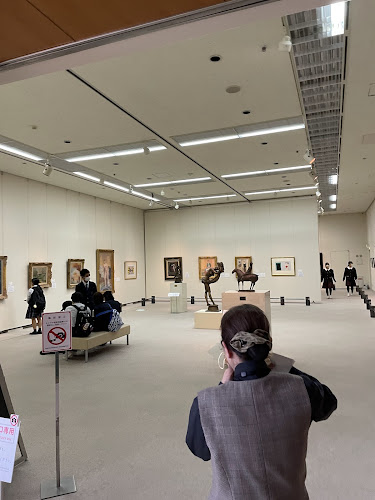
Kagoshima City Museum of Art

Nanshu Shrine

Hirakawa Zoo
Find Accommodations Nearby
Recommended Tours & Activities
Visitor Reviews
There are no reviews yet. Be the first one to write one.
Share Your Experience
Have you visited Sengan-en? Help other travelers by leaving a review.