

Nanshu Shrine
About Nanshu Shrine
Description
Standing as one of Kagoshima's most historically significant spiritual sites, Nanshu Shrine serves as both a sacred memorial and a window into Japan's turbulent transition from feudalism to modernity. The shrine honors Saigo Takamori—affectionately known as Saigo Nanshu—alongside 6,800 soldiers who perished during the Satsuma Rebellion of 1877, making it far more than your typical Shinto shrine.
What strikes visitors immediately is how this place manages to feel both solemn and inspiring at the same time. You're not just visiting another tourist attraction here; you're stepping into a piece of Japanese history that's still very much alive in the hearts of locals. And honestly, there's something quite moving about seeing elderly Japanese visitors paying their respects alongside curious international travelers, all drawn together by the legacy of a man who literally helped reshape a nation.
The shrine's origin story is particularly fascinating. Initially established as a cemetery for those who died in the Satsuma Rebellion, it evolved into a proper shrine in 1880 due to the overwhelming number of people who came to honor Saigo's memory. By 1992, it received official recognition as an unranked shrine, cementing its place in Japan's spiritual landscape. But what really makes this place special isn't just the history—it's how that history continues to resonate with people today.
Key Features
The shrine offers several distinctive elements that set it apart from other historical sites in Kagoshima:
- Bronze statue of Saigo Takamori and his beloved dog Tsun - This touching tribute captures the more human side of the legendary samurai, showing his deep affection for his canine companion
- Sacred gojintai housed in the main hall - A remarkable sacred image that was actually unearthed from volcanic ash, reflecting Kagoshima's dramatic geological history
- Memorial cemetery with Saigo Takamori's grave - The final resting place of the "Last Samurai" draws visitors from across Japan and beyond
- Original worship hall from 1880 - Built specifically to accommodate the growing number of pilgrims, this structure represents the shrine's evolution from simple cemetery to spiritual center
- Memorial to 6,800 Satsuma soldiers - A sobering reminder of the human cost of Japan's modernization, honoring not just the famous leader but all who followed him
- Wheelchair accessible facilities - Modern amenities ensure that visitors of all abilities can pay their respects comfortably
Best Time to Visit
Timing your visit to Nanshu Shrine can significantly enhance your experience, though honestly, this place has a certain gravitas that transcends seasons. The shrine maintains its contemplative atmosphere year-round, but certain periods offer distinct advantages for travelers.
Spring brings cherry blossoms to the surrounding area, creating a poetic backdrop that Japanese visitors particularly appreciate. There's something deeply meaningful about witnessing new life blooming around a memorial to those who sacrificed everything for their beliefs. The mild temperatures during March through May make for comfortable exploration, and you'll find fewer crowds than during peak summer months.
Early mornings throughout the year provide the most peaceful experience. Arriving around 8 AM allows you to observe local worshippers beginning their day with quiet reflection, offering genuine insight into how this shrine functions as a living place of reverence rather than merely a tourist destination.
September 24th holds special significance as the anniversary of Saigo Takamori's death during the Battle of Shiroyama. While this date sees increased visitor numbers, the commemorative atmosphere can be quite moving for those interested in fully appreciating the historical context.
Winter months offer their own appeal, with crisp air and clear skies providing excellent visibility of the surrounding Kagoshima landscape. The cooler temperatures also mean you can spend more time reading the various informational plaques without feeling rushed by heat or humidity.
How to Get There
Reaching Nanshu Shrine requires a bit of planning, but the journey itself becomes part of the experience. Most travelers start from Kagoshima city center, where multiple transportation options are available.
The most straightforward approach involves taking a local bus from Kagoshima Chuo Station. Several bus lines service the area, though you'll want to confirm the current schedule as routes can change seasonally. The ride takes approximately 30-40 minutes depending on traffic and provides nice views of the Kagoshima countryside along the way.
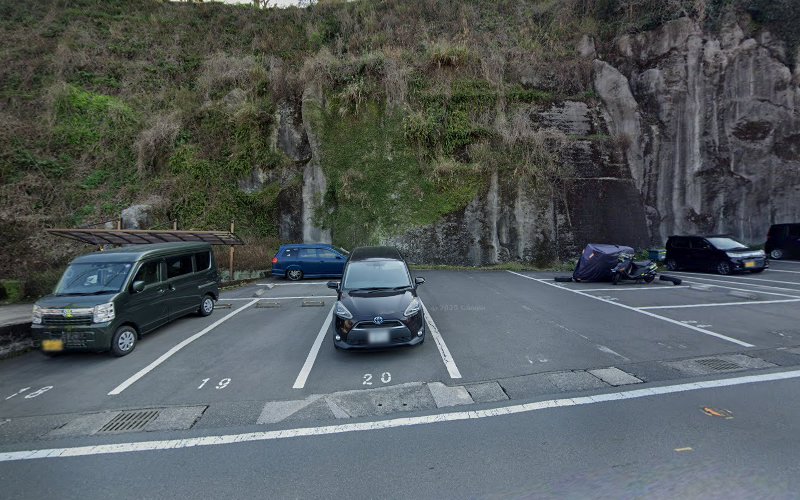
If you're renting a car—which I'd actually recommend for this trip—the drive offers more flexibility and allows you to explore other nearby historical sites at your own pace. Parking is available on-site, including designated spaces for wheelchair users. The roads are generally well-maintained, though some sections involve winding mountain routes that require careful attention.
For those staying in central Kagoshima, taxi services provide a comfortable but more expensive alternative. Many taxi drivers are familiar with the shrine and can offer basic information about its significance, though language barriers may limit deeper conversations.
Some tour companies include Nanshu Shrine in their Saigo Takamori historical circuits, which can be an excellent option for visitors who prefer guided experiences. These tours often provide valuable historical context that independent visitors might miss.
Tips for Visiting
Making the most of your Nanshu Shrine visit requires understanding both practical considerations and cultural expectations. First and foremost, approach this site with the respect it deserves—you're entering a place of genuine spiritual significance, not just snapping photos at another tourist spot.
Dress appropriately for a shrine visit. While formal attire isn't required, avoid overly casual clothing like tank tops or very short shorts. Many visitors appreciate the opportunity to bow respectfully at the main shrine, though this isn't mandatory for non-practitioners.
Photography is generally permitted in most areas, but always check for posted signs and use common sense. The bronze statue of Saigo and his dog Tsun is particularly photogenic, but remember that other visitors may be engaged in private moments of reflection.
Don't rush your visit. This isn't a place to quickly check off your itinerary. Plan at least an hour to properly explore the grounds, read the historical information, and absorb the atmosphere. The restroom facilities are clean and well-maintained, so there's no need to hurry due to practical concerns.
Consider bringing a small offering if you'd like to participate in traditional shrine customs. A few coins placed in the offering box while bowing respectfully is entirely appropriate for international visitors.
The site's wheelchair accessibility makes it welcoming to visitors with mobility challenges, but the parking area and pathways can still involve some uneven surfaces. Planning accordingly will ensure a more comfortable experience.
Language barriers exist, as most signage is primarily in Japanese. However, basic English information is available for key historical points. A translation app on your phone can be invaluable for reading more detailed descriptions.
Finally, take time to observe how local visitors interact with the space. You'll often see elderly Japanese people spending considerable time in quiet contemplation, offering prayers, or carefully tending to floral offerings. These moments provide authentic insight into how Saigo Takamori's legacy continues to touch people's lives more than 140 years after his death.
Key Features
- Key Features
- Best Time to Visit
- How to Get There
- Tips for Visiting
More Details
Updated September 15, 2025
Table of Contents
Description
Standing as one of Kagoshima’s most historically significant spiritual sites, Nanshu Shrine serves as both a sacred memorial and a window into Japan’s turbulent transition from feudalism to modernity. The shrine honors Saigo Takamori—affectionately known as Saigo Nanshu—alongside 6,800 soldiers who perished during the Satsuma Rebellion of 1877, making it far more than your typical Shinto shrine.
What strikes visitors immediately is how this place manages to feel both solemn and inspiring at the same time. You’re not just visiting another tourist attraction here; you’re stepping into a piece of Japanese history that’s still very much alive in the hearts of locals. And honestly, there’s something quite moving about seeing elderly Japanese visitors paying their respects alongside curious international travelers, all drawn together by the legacy of a man who literally helped reshape a nation.
The shrine’s origin story is particularly fascinating. Initially established as a cemetery for those who died in the Satsuma Rebellion, it evolved into a proper shrine in 1880 due to the overwhelming number of people who came to honor Saigo’s memory. By 1992, it received official recognition as an unranked shrine, cementing its place in Japan’s spiritual landscape. But what really makes this place special isn’t just the history—it’s how that history continues to resonate with people today.
Key Features
The shrine offers several distinctive elements that set it apart from other historical sites in Kagoshima:
- Bronze statue of Saigo Takamori and his beloved dog Tsun – This touching tribute captures the more human side of the legendary samurai, showing his deep affection for his canine companion
- Sacred gojintai housed in the main hall – A remarkable sacred image that was actually unearthed from volcanic ash, reflecting Kagoshima’s dramatic geological history
- Memorial cemetery with Saigo Takamori’s grave – The final resting place of the “Last Samurai” draws visitors from across Japan and beyond
- Original worship hall from 1880 – Built specifically to accommodate the growing number of pilgrims, this structure represents the shrine’s evolution from simple cemetery to spiritual center
- Memorial to 6,800 Satsuma soldiers – A sobering reminder of the human cost of Japan’s modernization, honoring not just the famous leader but all who followed him
- Wheelchair accessible facilities – Modern amenities ensure that visitors of all abilities can pay their respects comfortably
Best Time to Visit
Timing your visit to Nanshu Shrine can significantly enhance your experience, though honestly, this place has a certain gravitas that transcends seasons. The shrine maintains its contemplative atmosphere year-round, but certain periods offer distinct advantages for travelers.
Spring brings cherry blossoms to the surrounding area, creating a poetic backdrop that Japanese visitors particularly appreciate. There’s something deeply meaningful about witnessing new life blooming around a memorial to those who sacrificed everything for their beliefs. The mild temperatures during March through May make for comfortable exploration, and you’ll find fewer crowds than during peak summer months.
Early mornings throughout the year provide the most peaceful experience. Arriving around 8 AM allows you to observe local worshippers beginning their day with quiet reflection, offering genuine insight into how this shrine functions as a living place of reverence rather than merely a tourist destination.
September 24th holds special significance as the anniversary of Saigo Takamori’s death during the Battle of Shiroyama. While this date sees increased visitor numbers, the commemorative atmosphere can be quite moving for those interested in fully appreciating the historical context.
Winter months offer their own appeal, with crisp air and clear skies providing excellent visibility of the surrounding Kagoshima landscape. The cooler temperatures also mean you can spend more time reading the various informational plaques without feeling rushed by heat or humidity.
How to Get There
Reaching Nanshu Shrine requires a bit of planning, but the journey itself becomes part of the experience. Most travelers start from Kagoshima city center, where multiple transportation options are available.
The most straightforward approach involves taking a local bus from Kagoshima Chuo Station. Several bus lines service the area, though you’ll want to confirm the current schedule as routes can change seasonally. The ride takes approximately 30-40 minutes depending on traffic and provides nice views of the Kagoshima countryside along the way.
If you’re renting a car—which I’d actually recommend for this trip—the drive offers more flexibility and allows you to explore other nearby historical sites at your own pace. Parking is available on-site, including designated spaces for wheelchair users. The roads are generally well-maintained, though some sections involve winding mountain routes that require careful attention.
For those staying in central Kagoshima, taxi services provide a comfortable but more expensive alternative. Many taxi drivers are familiar with the shrine and can offer basic information about its significance, though language barriers may limit deeper conversations.
Some tour companies include Nanshu Shrine in their Saigo Takamori historical circuits, which can be an excellent option for visitors who prefer guided experiences. These tours often provide valuable historical context that independent visitors might miss.
Tips for Visiting
Making the most of your Nanshu Shrine visit requires understanding both practical considerations and cultural expectations. First and foremost, approach this site with the respect it deserves—you’re entering a place of genuine spiritual significance, not just snapping photos at another tourist spot.
Dress appropriately for a shrine visit. While formal attire isn’t required, avoid overly casual clothing like tank tops or very short shorts. Many visitors appreciate the opportunity to bow respectfully at the main shrine, though this isn’t mandatory for non-practitioners.
Photography is generally permitted in most areas, but always check for posted signs and use common sense. The bronze statue of Saigo and his dog Tsun is particularly photogenic, but remember that other visitors may be engaged in private moments of reflection.
Don’t rush your visit. This isn’t a place to quickly check off your itinerary. Plan at least an hour to properly explore the grounds, read the historical information, and absorb the atmosphere. The restroom facilities are clean and well-maintained, so there’s no need to hurry due to practical concerns.
Consider bringing a small offering if you’d like to participate in traditional shrine customs. A few coins placed in the offering box while bowing respectfully is entirely appropriate for international visitors.
The site’s wheelchair accessibility makes it welcoming to visitors with mobility challenges, but the parking area and pathways can still involve some uneven surfaces. Planning accordingly will ensure a more comfortable experience.
Language barriers exist, as most signage is primarily in Japanese. However, basic English information is available for key historical points. A translation app on your phone can be invaluable for reading more detailed descriptions.
Finally, take time to observe how local visitors interact with the space. You’ll often see elderly Japanese people spending considerable time in quiet contemplation, offering prayers, or carefully tending to floral offerings. These moments provide authentic insight into how Saigo Takamori’s legacy continues to touch people’s lives more than 140 years after his death.
Key Highlights
- Key Features
- Best Time to Visit
- How to Get There
- Tips for Visiting
Location
Places to Stay Near Nanshu Shrine
Find and Book a Tour
Explore More Travel Guides
No reviews found! Be the first to review!
Traveler Reviews for Nanshu Shrine
There are no reviews yet. Be the first one to write one.
Have you visited Nanshu Shrine? Help other travelers by sharing your review.
You Might Also Like

Arimura Lava Observation Deck

Waterfront Park
〒892-0851 Kagoshima, Kamitatsuochō, 2−1 南洲神社
Find Accommodations Nearby
Recommended Tours & Activities
Visitor Reviews
There are no reviews yet. Be the first one to write one.
Share Your Experience
Have you visited Nanshu Shrine? Help other travelers by leaving a review.