

Senado Square
About Senado Square
Description
Senado Square in Macau is one of those places that feels alive no matter what time of day you wander through it. It’s like stepping into a living postcard—those wavy black-and-white mosaic tiles underfoot, the pastel-colored colonial buildings standing proudly around you, and the hum of chatter from both tourists and locals mixing in the air. I remember the first time I walked through it; I was caught between the smell of freshly baked Portuguese egg tarts and the faint incense drifting from a nearby temple. It’s that kind of sensory mash-up that makes Senado Square special—it’s not just a square, it’s the heartbeat of old Macau.
Historically, Senado Square (or Largo do Senado, if you want to sound like a local) was the administrative and social center of the city. It’s been this way for centuries, and you can feel that weight of history in the cobblestones. The square is part of the UNESCO-listed Historic Centre of Macau, which means it’s protected for its cultural significance. But don’t expect it to feel like a museum—it’s anything but static. People still gather here for festivals, parades, and public celebrations. On weekends, you’ll see families strolling, couples taking selfies, and street performers drawing small crowds. It’s charmingly chaotic in the best way.
What’s interesting is how Senado Square manages to blend East and West so effortlessly. The architecture screams Portuguese influence—arched windows, tiled facades, and wrought-iron balconies—but the energy is undeniably Chinese. You’ll find traditional herbal shops tucked between souvenir stores, and sometimes, you’ll hear Cantonese opera music floating through the square. It’s this mix that gives Macau its distinctive flavor, and Senado Square is where it all comes together.
Sure, some visitors find it a bit crowded or overly commercial, and fair enough—it can get busy, especially when cruise ships dock. But even then, there’s something beautiful about the bustle. It’s a place where you can grab a milk tea, sit on one of the benches, and just watch the world go by. And if you’re into photography, those pastel buildings and patterned pavements are a dream. The light hits differently here, especially in the late afternoon when the sun dips behind the old Senate building and everything glows gold.
Key Features
- Portuguese-style architecture: Elegant colonial buildings painted in soft yellows, greens, and whites surround the square, giving it a distinctly European charm.
- UNESCO World Heritage Site: Recognized as part of the Historic Centre of Macau, it’s a must-visit for history buffs and culture lovers.
- Paved mosaic flooring: The iconic wave-patterned pavement was designed by Portuguese artisans and is one of the most photographed features in the city.
- Public events and festivals: From Chinese New Year parades to Christmas light displays, the square is the go-to venue for major celebrations.
- Shopping and dining: Surrounded by local boutiques, souvenir shops, and restaurants offering both Chinese and Portuguese cuisine.
- Nearby landmarks: Within walking distance to St. Dominic’s Church, the Leal Senado Building, and the Ruins of St. Paul’s.
- Accessibility: The area is pedestrian-friendly and wheelchair accessible, making it easy for everyone to explore.
Best Time to Visit
If you ask me, the best time to visit Senado Square is during the cooler months, roughly from October to March. The humidity drops, the skies clear up, and walking around doesn’t feel like stepping into a sauna. I once visited in July—big mistake. The heat bounced off the stone pavement like an oven. But come winter, it’s perfect. You can wander leisurely, stop for coffee at one of the old cafés, and actually enjoy the atmosphere without sweating through your shirt.
Timing-wise, mornings are lovely if you want quieter moments for photos. The crowd hasn’t fully arrived yet, and the light is soft. Evenings, though, have their own magic. When the lights flicker on and the square glows under the lampposts, it feels almost cinematic. During festivals—especially Chinese New Year or Christmas—the decorations are next level. The whole square transforms into a glowing wonderland, with music, lanterns, and performances filling the space.
How to Get There
Getting to Senado Square is surprisingly easy, even if it’s your first time in Macau. If you’re coming from the ferry terminal, hop on one of the free shuttle buses heading toward the city center—they usually drop you off a short walk away. You can also take a taxi, but I’ll be honest, the streets around the square can get congested, especially on weekends. I personally prefer taking a bus; it’s cheap, efficient, and gives you a peek into local life.
Most visitors simply follow the signs for the Historic Centre of Macau, and you’ll eventually find yourself stepping onto those iconic mosaic tiles. The area is pedestrian-only, which is a blessing—no honking cars, just the sound of footsteps and chatter. If you’re staying nearby, walking is the best way to experience it. You’ll pass by narrow alleys lined with bakeries and souvenir shops, and before you know it, the square opens up before you like a grand stage.
Tips for Visiting
Here’s the thing—Senado Square might look small on the map, but there’s a lot happening around it. So, a few tips from someone who’s been there and learned the hard way:
- Go early or late: Midday can be crowded and hot, especially if you’re visiting in summer. Early mornings or evenings are more pleasant for strolling and photos.
- Wear comfy shoes: Those mosaic tiles are beautiful but uneven. You’ll want good footwear for walking around the square and nearby attractions.
- Stay hydrated: There’s plenty of street food and drink stalls nearby, but bring a bottle of water—Macau’s humidity can sneak up on you.
- Try local snacks: Don’t leave without sampling a Portuguese egg tart or almond cookies from one of the old bakeries nearby. They’re legendary for a reason.
- Watch for events: Check if any festivals or performances coincide with your visit. The square often hosts cultural shows, and it’s worth timing your trip for one.
- Mind your belongings: Like any busy tourist spot, keep an eye on your bags and cameras. Petty theft is rare but not unheard of.
- Explore beyond: After soaking up the square, head toward the Ruins of St. Paul’s—it’s about a ten-minute walk uphill, and the view is worth it.
One last thing—don’t rush it. Senado Square isn’t a place you just “check off” your list. It’s better experienced slowly. Sit on the steps of the Leal Senado building, people-watch, maybe chat with a local vendor. I once struck up a conversation with an elderly shopkeeper who told me stories about how the square looked before the wave-patterned pavement was installed. It reminded me that places like this aren’t just tourist attractions—they’re living, breathing parts of the city’s story.
So take your time. Let the rhythm of the square pull you in. Whether you’re there for the history, the architecture, or just a good photo, Senado Square has a way of lingering with you long after you’ve left. It’s not perfect—it can be crowded, noisy, a bit commercial—but that’s part of its charm. It’s real, it’s layered, and it’s Macau in a nutshell.
Key Features
- Key Features
- Best Time to Visit
- How to Get There
- Tips for Visiting
More Details
Updated November 7, 2025
Table of Contents
Description
Senado Square in Macau is one of those places that feels alive no matter what time of day you wander through it. It’s like stepping into a living postcard—those wavy black-and-white mosaic tiles underfoot, the pastel-colored colonial buildings standing proudly around you, and the hum of chatter from both tourists and locals mixing in the air. I remember the first time I walked through it; I was caught between the smell of freshly baked Portuguese egg tarts and the faint incense drifting from a nearby temple. It’s that kind of sensory mash-up that makes Senado Square special—it’s not just a square, it’s the heartbeat of old Macau.
Historically, Senado Square (or Largo do Senado, if you want to sound like a local) was the administrative and social center of the city. It’s been this way for centuries, and you can feel that weight of history in the cobblestones. The square is part of the UNESCO-listed Historic Centre of Macau, which means it’s protected for its cultural significance. But don’t expect it to feel like a museum—it’s anything but static. People still gather here for festivals, parades, and public celebrations. On weekends, you’ll see families strolling, couples taking selfies, and street performers drawing small crowds. It’s charmingly chaotic in the best way.
What’s interesting is how Senado Square manages to blend East and West so effortlessly. The architecture screams Portuguese influence—arched windows, tiled facades, and wrought-iron balconies—but the energy is undeniably Chinese. You’ll find traditional herbal shops tucked between souvenir stores, and sometimes, you’ll hear Cantonese opera music floating through the square. It’s this mix that gives Macau its distinctive flavor, and Senado Square is where it all comes together.
Sure, some visitors find it a bit crowded or overly commercial, and fair enough—it can get busy, especially when cruise ships dock. But even then, there’s something beautiful about the bustle. It’s a place where you can grab a milk tea, sit on one of the benches, and just watch the world go by. And if you’re into photography, those pastel buildings and patterned pavements are a dream. The light hits differently here, especially in the late afternoon when the sun dips behind the old Senate building and everything glows gold.
Key Features
- Portuguese-style architecture: Elegant colonial buildings painted in soft yellows, greens, and whites surround the square, giving it a distinctly European charm.
- UNESCO World Heritage Site: Recognized as part of the Historic Centre of Macau, it’s a must-visit for history buffs and culture lovers.
- Paved mosaic flooring: The iconic wave-patterned pavement was designed by Portuguese artisans and is one of the most photographed features in the city.
- Public events and festivals: From Chinese New Year parades to Christmas light displays, the square is the go-to venue for major celebrations.
- Shopping and dining: Surrounded by local boutiques, souvenir shops, and restaurants offering both Chinese and Portuguese cuisine.
- Nearby landmarks: Within walking distance to St. Dominic’s Church, the Leal Senado Building, and the Ruins of St. Paul’s.
- Accessibility: The area is pedestrian-friendly and wheelchair accessible, making it easy for everyone to explore.
Best Time to Visit
If you ask me, the best time to visit Senado Square is during the cooler months, roughly from October to March. The humidity drops, the skies clear up, and walking around doesn’t feel like stepping into a sauna. I once visited in July—big mistake. The heat bounced off the stone pavement like an oven. But come winter, it’s perfect. You can wander leisurely, stop for coffee at one of the old cafés, and actually enjoy the atmosphere without sweating through your shirt.
Timing-wise, mornings are lovely if you want quieter moments for photos. The crowd hasn’t fully arrived yet, and the light is soft. Evenings, though, have their own magic. When the lights flicker on and the square glows under the lampposts, it feels almost cinematic. During festivals—especially Chinese New Year or Christmas—the decorations are next level. The whole square transforms into a glowing wonderland, with music, lanterns, and performances filling the space.
How to Get There
Getting to Senado Square is surprisingly easy, even if it’s your first time in Macau. If you’re coming from the ferry terminal, hop on one of the free shuttle buses heading toward the city center—they usually drop you off a short walk away. You can also take a taxi, but I’ll be honest, the streets around the square can get congested, especially on weekends. I personally prefer taking a bus; it’s cheap, efficient, and gives you a peek into local life.
Most visitors simply follow the signs for the Historic Centre of Macau, and you’ll eventually find yourself stepping onto those iconic mosaic tiles. The area is pedestrian-only, which is a blessing—no honking cars, just the sound of footsteps and chatter. If you’re staying nearby, walking is the best way to experience it. You’ll pass by narrow alleys lined with bakeries and souvenir shops, and before you know it, the square opens up before you like a grand stage.
Tips for Visiting
Here’s the thing—Senado Square might look small on the map, but there’s a lot happening around it. So, a few tips from someone who’s been there and learned the hard way:
- Go early or late: Midday can be crowded and hot, especially if you’re visiting in summer. Early mornings or evenings are more pleasant for strolling and photos.
- Wear comfy shoes: Those mosaic tiles are beautiful but uneven. You’ll want good footwear for walking around the square and nearby attractions.
- Stay hydrated: There’s plenty of street food and drink stalls nearby, but bring a bottle of water—Macau’s humidity can sneak up on you.
- Try local snacks: Don’t leave without sampling a Portuguese egg tart or almond cookies from one of the old bakeries nearby. They’re legendary for a reason.
- Watch for events: Check if any festivals or performances coincide with your visit. The square often hosts cultural shows, and it’s worth timing your trip for one.
- Mind your belongings: Like any busy tourist spot, keep an eye on your bags and cameras. Petty theft is rare but not unheard of.
- Explore beyond: After soaking up the square, head toward the Ruins of St. Paul’s—it’s about a ten-minute walk uphill, and the view is worth it.
One last thing—don’t rush it. Senado Square isn’t a place you just “check off” your list. It’s better experienced slowly. Sit on the steps of the Leal Senado building, people-watch, maybe chat with a local vendor. I once struck up a conversation with an elderly shopkeeper who told me stories about how the square looked before the wave-patterned pavement was installed. It reminded me that places like this aren’t just tourist attractions—they’re living, breathing parts of the city’s story.
So take your time. Let the rhythm of the square pull you in. Whether you’re there for the history, the architecture, or just a good photo, Senado Square has a way of lingering with you long after you’ve left. It’s not perfect—it can be crowded, noisy, a bit commercial—but that’s part of its charm. It’s real, it’s layered, and it’s Macau in a nutshell.
Key Highlights
- Key Features
- Best Time to Visit
- How to Get There
- Tips for Visiting
Location
Places to Stay Near Senado Square
Find and Book a Tour
Explore More Travel Guides
No reviews found! Be the first to review!
Traveler Reviews for Senado Square
There are no reviews yet. Be the first one to write one.
Have you visited Senado Square? Help other travelers by sharing your review.
You Might Also Like
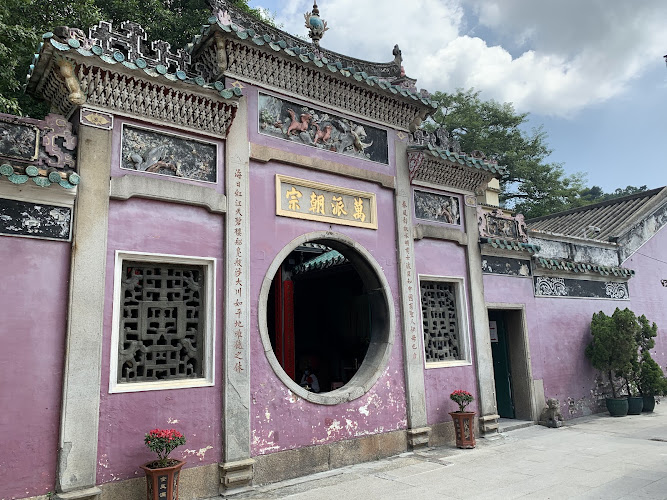
A-Ma Temple

Ruins of Saint Paul's

Taipa Houses
Find Accommodations Nearby
Recommended Tours & Activities
Visitor Reviews
There are no reviews yet. Be the first one to write one.
Share Your Experience
Have you visited Senado Square? Help other travelers by leaving a review.