
A-Ma Cultural Village
About A-Ma Cultural Village
Description
Perched high above Coloane, the A-Ma Cultural Village in Macao is one of those places that quietly takes your breath away before you even realize it. Dedicated to the beloved sea goddess A-Ma—also known as Mazu—this sprawling complex blends spirituality, architecture, and local folklore in a way that feels both ancient and refreshingly modern. The village was built to honor the deity who has long protected fishermen and seafarers, and you can feel that sense of reverence in every carved stone and incense-scented breeze.
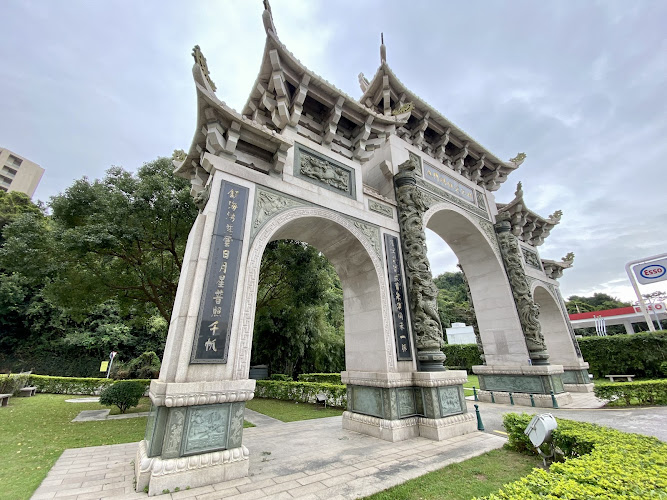
The first time I wandered through its gates, I didn’t expect to feel so small—in a good way. The grand pavilion-style entrance, the intricate marble altars, and the sweeping views of the South China Sea all come together to make you pause and just breathe for a second. It’s not just a temple; it’s an experience that wraps together faith, culture, and a surprising sense of peace.
What makes this place stand out among Macao’s many attractions is its authenticity. While some visitors might come for the Instagram-worthy shots (and fair enough, it’s gorgeous), the A-Ma Cultural Village still feels like a living, breathing tribute to centuries of devotion. You’ll often see locals lighting incense or quietly praying in the Tin Hau Palace, while tourists wander between the Bell Tower and Drum Tower, cameras clicking away. It’s a lovely mix of the sacred and the everyday.
Architecturally, the complex spans roughly 7,000 square meters and is designed in a traditional Chinese style. Every corner seems to tell a story—from the dragon carvings guarding the stairways to the serene courtyards dotted with bonsai and stone lanterns. And let’s not forget the colossal A-Ma statue nearby, standing tall at 19.99 meters—the tallest statue of the goddess in the world. Seeing it up close is humbling. It’s as if she’s watching over the island, calm and unwavering, no matter how chaotic life gets below.
Sure, not every visitor is blown away. Some find it a bit quiet or remote compared to the glitzy casinos downtown. But honestly, that’s part of its charm. It’s a place that asks you to slow down, take your time, and maybe even reflect a little. Whether you’re spiritual or not, there’s something grounding about being here.
Key Features
- Tin Hau Palace: The heart of the complex, dedicated to the goddess A-Ma, featuring ornate carvings, incense burners, and a tranquil atmosphere perfect for a moment of reflection.
- Bell and Drum Towers: Symbolic structures often used in traditional Chinese temples to mark time and ceremonies.
- Marble Altar and Pavilion Gate: Exquisite examples of traditional Chinese craftsmanship, showcasing detailed carvings and symbolic motifs.
- A-Ma Statue: The iconic 19.99-meter statue of the goddess, visible from afar and offering panoramic views over Coloane and the sea.
- Museum and Memento Shops: Small but charming spaces where visitors can learn about A-Ma’s story and pick up cultural souvenirs or handcrafted keepsakes.
- Peaceful Setting: Surrounded by lush greenery and ocean views, the village offers a quiet escape from Macao’s bustling city center.
Best Time to Visit
If you ask me, mornings are magic here. The air feels cleaner, the light softer, and there’s a stillness that makes everything feel sacred. The best months to visit are between October and March when the weather is cooler and humidity is low. It’s also when you can walk around comfortably without breaking a sweat every five minutes.
If you’re lucky enough to visit during one of the local festivals—especially those celebrating A-Ma’s birthday (usually in the fourth lunar month)—you’ll witness the temple come alive with color, incense, and traditional performances. It’s busy, yes, but it’s also when the cultural spirit of the place truly shines.
Avoid the height of summer unless you’re okay with the heat. The climb up can be intense, and there’s not a ton of shade in some parts. I made that mistake once in August, and let’s just say I spent more time fanning myself than admiring the view.
How to Get There
Getting to the A-Ma Cultural Village is part of the adventure. It’s located on Coloane, the southernmost part of Macao, and while it’s a bit of a trek from the main city, that’s exactly what keeps it peaceful. You can take a public bus or taxi, or if you’re feeling energetic, hike up from the nearby Coloane Village. The walk is scenic—lush trees, chirping birds, and the occasional monkey sighting if you’re lucky.
For those who prefer convenience, taxis are affordable and easy to find, especially from Cotai or Taipa. The drive up the winding road to the village offers some surprisingly great views, so don’t forget to glance out the window. If you’re traveling with kids or older family members, the bus or taxi is definitely the better option.
And here’s a little insider tip: there’s a shuttle that runs between the A-Ma Statue and the cultural village area. It’s not always frequent, but if you time it right, it saves you a fair bit of uphill walking.
Tips for Visiting
I’ve picked up a few tricks over the years that make visiting the A-Ma Cultural Village a lot smoother—and more enjoyable. Here’s what I’d suggest:
- Bring water and sunscreen. The sun can be relentless, especially around midday. There aren’t many shaded spots once you’re exploring the open courtyards.
- Wear comfortable shoes. There’s a fair amount of walking and a few stairs to climb, so save the fancy shoes for later.
- Take your time. Don’t rush through. Sit for a while near the altars or under one of the pavilions. You’ll notice small details—like the sound of the wind chimes or the faint smell of sandalwood—that you’d miss otherwise.
- Respect the customs. Even though it’s a tourist site, it’s still a place of worship. Dress modestly and be mindful when taking photos, especially near people praying.
- Visit the nearby A-Ma Statue. It’s a short walk away and offers one of the best panoramic views of Macao. Bring your camera—you’ll want that shot.
- Plan for at least an hour or two. Between exploring, taking photos, and just soaking in the atmosphere, time tends to slip by faster than you think.
And maybe this is just me, but I always like to grab a small souvenir from the memento shops. They sell these lovely little charms and trinkets symbolizing protection and good fortune. I’ve got one hanging in my car right now—it’s a tiny reminder of that calm, breezy afternoon I spent there years ago.
In the end, the A-Ma Cultural Village isn’t about flashy attractions or thrill rides. It’s about stories—of faith, of the sea, of people who’ve looked to the same goddess for generations. Whether you’re a history buff, a photographer, or just someone looking for a quiet escape from the city noise, this is one of those places that stays with you long after you’ve left.
So if you’re planning your Macao itinerary, set aside a few hours for A-Ma Cultural Village. Come with an open heart, a curious mind, and maybe a good pair of walking shoes. You’ll leave with more than just photos—you’ll leave with a sense of calm that’s hard to find anywhere else.
Key Features
- Key Features
- Best Time to Visit
- How to Get There
- Tips for Visiting
More Details
Updated November 7, 2025
Table of Contents
- Description
- Key Features
- Best Time to Visit
- How to Get There
- Tips for Visiting
- Key Highlights
- Location
- Places to Stay Near A-Ma Cultural Village
- Find and Book a Tour
- Explore More Travel Guides
- Fast Facts
- Why it’s worth your time
- Getting there (without headaches)
- 1) Public bus + free hill shuttle (most reliable)
- 2) Hike it
- 3) Taxi/ride-hail
- What to see on the hill
- Suggested 2–3 hour itinerary
- Practical tips that save time
- Accessibility & inclusivity
- Pair it with nearby stops
- What’s changed recently (and what to double-check)
- Responsible visiting
- Sources & verification
- Nearby Places You Might Like
- Traveler Reviews for A-Ma Cultural Village
- Share Your Experience
Description
Perched high above Coloane, the A-Ma Cultural Village in Macao is one of those places that quietly takes your breath away before you even realize it. Dedicated to the beloved sea goddess A-Ma—also known as Mazu—this sprawling complex blends spirituality, architecture, and local folklore in a way that feels both ancient and refreshingly modern. The village was built to honor the deity who has long protected fishermen and seafarers, and you can feel that sense of reverence in every carved stone and incense-scented breeze.
The first time I wandered through its gates, I didn’t expect to feel so small—in a good way. The grand pavilion-style entrance, the intricate marble altars, and the sweeping views of the South China Sea all come together to make you pause and just breathe for a second. It’s not just a temple; it’s an experience that wraps together faith, culture, and a surprising sense of peace.
What makes this place stand out among Macao’s many attractions is its authenticity. While some visitors might come for the Instagram-worthy shots (and fair enough, it’s gorgeous), the A-Ma Cultural Village still feels like a living, breathing tribute to centuries of devotion. You’ll often see locals lighting incense or quietly praying in the Tin Hau Palace, while tourists wander between the Bell Tower and Drum Tower, cameras clicking away. It’s a lovely mix of the sacred and the everyday.
Architecturally, the complex spans roughly 7,000 square meters and is designed in a traditional Chinese style. Every corner seems to tell a story—from the dragon carvings guarding the stairways to the serene courtyards dotted with bonsai and stone lanterns. And let’s not forget the colossal A-Ma statue nearby, standing tall at 19.99 meters—the tallest statue of the goddess in the world. Seeing it up close is humbling. It’s as if she’s watching over the island, calm and unwavering, no matter how chaotic life gets below.
Sure, not every visitor is blown away. Some find it a bit quiet or remote compared to the glitzy casinos downtown. But honestly, that’s part of its charm. It’s a place that asks you to slow down, take your time, and maybe even reflect a little. Whether you’re spiritual or not, there’s something grounding about being here.
Key Features
- Tin Hau Palace: The heart of the complex, dedicated to the goddess A-Ma, featuring ornate carvings, incense burners, and a tranquil atmosphere perfect for a moment of reflection.
- Bell and Drum Towers: Symbolic structures often used in traditional Chinese temples to mark time and ceremonies.
- Marble Altar and Pavilion Gate: Exquisite examples of traditional Chinese craftsmanship, showcasing detailed carvings and symbolic motifs.
- A-Ma Statue: The iconic 19.99-meter statue of the goddess, visible from afar and offering panoramic views over Coloane and the sea.
- Museum and Memento Shops: Small but charming spaces where visitors can learn about A-Ma’s story and pick up cultural souvenirs or handcrafted keepsakes.
- Peaceful Setting: Surrounded by lush greenery and ocean views, the village offers a quiet escape from Macao’s bustling city center.
Best Time to Visit
If you ask me, mornings are magic here. The air feels cleaner, the light softer, and there’s a stillness that makes everything feel sacred. The best months to visit are between October and March when the weather is cooler and humidity is low. It’s also when you can walk around comfortably without breaking a sweat every five minutes.
If you’re lucky enough to visit during one of the local festivals—especially those celebrating A-Ma’s birthday (usually in the fourth lunar month)—you’ll witness the temple come alive with color, incense, and traditional performances. It’s busy, yes, but it’s also when the cultural spirit of the place truly shines.
Avoid the height of summer unless you’re okay with the heat. The climb up can be intense, and there’s not a ton of shade in some parts. I made that mistake once in August, and let’s just say I spent more time fanning myself than admiring the view.
How to Get There
Getting to the A-Ma Cultural Village is part of the adventure. It’s located on Coloane, the southernmost part of Macao, and while it’s a bit of a trek from the main city, that’s exactly what keeps it peaceful. You can take a public bus or taxi, or if you’re feeling energetic, hike up from the nearby Coloane Village. The walk is scenic—lush trees, chirping birds, and the occasional monkey sighting if you’re lucky.
For those who prefer convenience, taxis are affordable and easy to find, especially from Cotai or Taipa. The drive up the winding road to the village offers some surprisingly great views, so don’t forget to glance out the window. If you’re traveling with kids or older family members, the bus or taxi is definitely the better option.
And here’s a little insider tip: there’s a shuttle that runs between the A-Ma Statue and the cultural village area. It’s not always frequent, but if you time it right, it saves you a fair bit of uphill walking.
Tips for Visiting
I’ve picked up a few tricks over the years that make visiting the A-Ma Cultural Village a lot smoother—and more enjoyable. Here’s what I’d suggest:
- Bring water and sunscreen. The sun can be relentless, especially around midday. There aren’t many shaded spots once you’re exploring the open courtyards.
- Wear comfortable shoes. There’s a fair amount of walking and a few stairs to climb, so save the fancy shoes for later.
- Take your time. Don’t rush through. Sit for a while near the altars or under one of the pavilions. You’ll notice small details—like the sound of the wind chimes or the faint smell of sandalwood—that you’d miss otherwise.
- Respect the customs. Even though it’s a tourist site, it’s still a place of worship. Dress modestly and be mindful when taking photos, especially near people praying.
- Visit the nearby A-Ma Statue. It’s a short walk away and offers one of the best panoramic views of Macao. Bring your camera—you’ll want that shot.
- Plan for at least an hour or two. Between exploring, taking photos, and just soaking in the atmosphere, time tends to slip by faster than you think.
And maybe this is just me, but I always like to grab a small souvenir from the memento shops. They sell these lovely little charms and trinkets symbolizing protection and good fortune. I’ve got one hanging in my car right now—it’s a tiny reminder of that calm, breezy afternoon I spent there years ago.
In the end, the A-Ma Cultural Village isn’t about flashy attractions or thrill rides. It’s about stories—of faith, of the sea, of people who’ve looked to the same goddess for generations. Whether you’re a history buff, a photographer, or just someone looking for a quiet escape from the city noise, this is one of those places that stays with you long after you’ve left.
So if you’re planning your Macao itinerary, set aside a few hours for A-Ma Cultural Village. Come with an open heart, a curious mind, and maybe a good pair of walking shoes. You’ll leave with more than just photos—you’ll leave with a sense of calm that’s hard to find anywhere else.
Key Highlights
- Key Features
- Best Time to Visit
- How to Get There
- Tips for Visiting
Location
Places to Stay Near A-Ma Cultural Village
Find and Book a Tour
Explore More Travel Guides
No reviews found! Be the first to review!
A-Ma Cultural Village (Coloane, Macau): What to Know Before You Go
Perched high on Coloane’s ridge line, A-Ma Cultural Village is one of Macau’s most atmospheric places to pair sea views with living folk religion. It’s a hilltop complex honoring A-Ma (also called Mazu/Tin Hau), protector of sailors—complete with ceremonial halls, a drum and bell tower pair, and a soaring granite statue just up the road.
Below is a practical, fact-checked guide with current access, hours, and on-the-ground tips.
Fast Facts
- Where: Estrada do Alto de Coloane (Coloane, Macau)
- GPS: 22.1226774, 113.5632706
- What it is: A hilltop temple complex (Tin Hau Palace and associated structures) near the A-Ma (Tin Hau) Statue
- Core hours: Tin Hau Palace 09:00–18:00 daily (village access is open-air; temple hours matter for interior worship areas). oai_citation:0‡Macau Tourism
- Cost: No entrance fee for the village/temple complex (free to visit). oai_citation:1‡expedia
Why it’s worth your time
- Architecture with a purpose: The complex is a modern interpretation of classical southern Chinese temple design—ceremonial gate, incense altar, and the Tin Hau Palace—built to serve a living community of worshippers and visiting pilgrims, not just tourists. oai_citation:2‡Macau Lifestyle
- Context next door: A short, uphill road leads to the A-Ma (Tin Hau) Statue, a 19.99-meter granite figure (the height commemorates 1999, the year of Macau’s handover), visible from the South China Sea on clear days. oai_citation:3‡Macau Tourism
- Pair it with nature: The crest sits by Coloane’s trail network, so you can combine culture with an easy ridge walk (or a longer day on the Coloane Trail, ~8 km). oai_citation:4‡Tripadvisor
Getting there (without headaches)
1) Public bus + free hill shuttle (most reliable)
- Take city buses toward Seac Pai Van / Rotunda da Concórdia using routes commonly serving Coloane (15, 21A, 25, 26, 26A), then transfer to the free shuttle that runs about every 30 minutes from the ornamental gate on Estrada de Seac Pai Van up to the village. Expect short waits at peak times. oai_citation:5‡Visit Our China
Recency note: routes operate citywide and do change; use a current transit planner (e.g., Pokeguide) to confirm the fastest connection the day you go. oai_citation:6‡Pokeguide
2) Hike it
- Fit walkers can hike from Seac Pai Van Park/Coloane to the ridge and continue to the village. Trail junctions are well used; bring water—shade can be patchy on the upper sections. oai_citation:7‡thetalesofatraveladdict.com
3) Taxi/ride-hail
- Taxis will take you to the stone arch/shuttle gate easily; some drivers may refuse the final hill road to the top (it’s narrow and managed). If dropped at the gate, use the free shuttle. oai_citation:8‡Lonely Planet
What to see on the hill
- Tin Hau Palace (Tianhou Temple): Main worship hall with incense coils and iconography of the sea goddess. Temple interior hours 09:00–18:00 daily. oai_citation:9‡Macau Tourism
- Bell & Drum Towers, Dressing Hall, ceremonial forecourt: Symmetrical ensemble framing views across Coloane and the coast. oai_citation:10‡Macau Lifestyle
- A-Ma / Tin Hau Statue (nearby): 19.99 m granite statue, one of the tallest of the goddess; clear-day sightlines look south over the shipping lanes. oai_citation:11‡Macau Tourism
Suggested 2–3 hour itinerary
- Arrive by late morning via bus + shuttle; light incense and wander the forecourt and side pavilions. oai_citation:12‡Lonely Planet
- Walk up to the A-Ma Statue for panoramic photos (10–15 minutes, gentle gradient). oai_citation:13‡Macau Tourism
- Option A: Continue onto a section of the Coloane Trail to earn your lunch.
Option B: Shuttle down and bus to Coloane Village/Hac Sa for egg tarts and beaches. (Trail and walking details referenced above.) oai_citation:14‡Tripadvisor
Practical tips that save time
- Hours & closures: The temple interior keeps 09:00–18:00 hours; outdoor spaces are open-air, but worship areas may close right on time. Public holidays can draw crowds—arrive early. oai_citation:15‡Macau Tourism
- Admission: Visiting the complex is free; bring small notes/coins if you wish to make an offering or buy incense. oai_citation:16‡expedia
- Shuttle cadence: Expect roughly every 30 minutes from the ornamental gate on Estrada de Seac Pai Van; give yourself buffer on weekends/holidays. Schedules can change—verify at the gate signage. oai_citation:17‡Lonely Planet
- Weather: This is a ridge; winds can be brisk and summer heat brutal. Carry water and sun protection year-round. (If you plan to hike, the Coloane Trail has limited shade in sections.) oai_citation:18‡Tripadvisor
- Photography etiquette: Ask before photographing worshippers; avoid flash inside halls; keep incense smoke in mind for lenses. (General temple etiquette; no permit needed for casual photos.)
- Restrooms & basics: Expect basic facilities at the hill complex; fuller services are down in Seac Pai Van Park/Coloane Village. (Plan snacks/water accordingly.)
Accessibility & inclusivity
- Gradient reality: The complex sits atop a steep hill. The free shuttle minimizes steep walking from the ornamental gate; once at the top, the forecourt is largely level, but temple thresholds and a few stair runs may pose barriers. oai_citation:19‡Lonely Planet
- Official assistance: For current barrier-free details, call the MGTO Tourism Hotline +853 2833 3000 before your visit; MGTO also maintains a Barrier-Free Access Guide online that’s kept current. oai_citation:20‡Macau Tourism
Pair it with nearby stops
- Seac Pai Van Park & Macao Giant Panda Pavilion (downhill), then Coloane Village for food, or Hac Sa Beach for a coastal walk. (Use transit planners to time buses back.) oai_citation:21‡Pokeguide
What’s changed recently (and what to double-check)
- Transit timing & routes: City bus route numbers to Seac Pai Van/Coloane (15/21A/25/26/26A) are long-standing, but headways and interchanges vary by daypart; check a live planner like Pokeguide for the day’s best route. oai_citation:22‡Visit Our China
- Shuttle service: Multiple sources note a free half-hourly shuttle up the hill; signage on site governs the day’s actual intervals. If time-sensitive, consider a taxi up to the gate and shuttle the final stretch. oai_citation:23‡Lonely Planet
Responsible visiting
- Dress modestly inside worship spaces, keep voices low, and avoid blocking locals making offerings. Pack out all trash if you’re hiking the ridge. (Coloane’s trails are popular and erosion-prone.) oai_citation:24‡Tripadvisor
Sources & verification
- Macao Government Tourism Office — official attraction listing and temple hours; hotline for visitor assistance. oai_citation:25‡Macau Tourism
- MGTO Coloane Height Park & A-Ma Statue — official overview and 19.99 m statue height. oai_citation:26‡Macau Tourism
- TripAdvisor factsheet (A-Ma Statue) — corroborates the 19.99 m height and 1999 symbolism. oai_citation:27‡Tripadvisor
- Lonely Planet — notes the free half-hourly shuttle from the ornamental gate on Estrada de Seac Pai Van. oai_citation:28‡Lonely Planet
- Expedia attraction page — confirms free admission and shuttle frequency. oai_citation:29‡expedia
- Coloane Trail references — recent visitor info on the trail network and walking options around the ridge. oai_citation:30‡Tripadvisor
If you see different shuttle times posted at the gate or temporary route diversions, treat the on-site notice as authoritative—transit operations in Macau update periodically.
Traveler Reviews for A-Ma Cultural Village
There are no reviews yet. Be the first one to write one.
Have you visited A-Ma Cultural Village? Help other travelers by sharing your review.
You Might Also Like

Ruins of Saint Paul's

Macao Museum

Senado Square
Find Accommodations Nearby
Recommended Tours & Activities
Visitor Reviews
There are no reviews yet. Be the first one to write one.
Share Your Experience
Have you visited A-Ma Cultural Village? Help other travelers by leaving a review.