
Şehzadeler Müzesi
About Şehzadeler Müzesi
Description
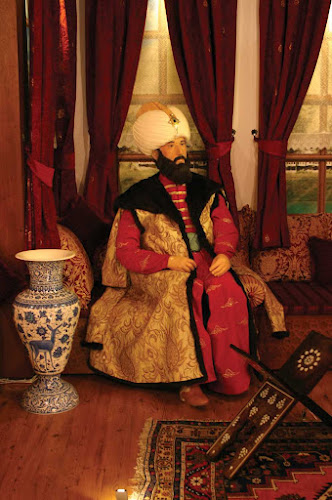
The Şehzadeler Müzesi is one of those places that quietly surprises people. It doesn’t shout for attention, and honestly, that’s part of the charm. Designed as a wax museum focused on Ottoman history, especially the lives of princes (şehzadeler) who once trained and lived in this region, it offers a different way to understand Turkey’s imperial past. Instead of dusty panels and endless dates, visitors walk through life-sized scenes filled with wax figures, costumes, sound effects, and atmospheric lighting. And yes, some of those figures stare back at you just a bit too realistically. It can catch you off guard.
The museum tells the story of Ottoman princes who governed Manisa before ascending to the throne. This wasn’t a symbolic role either; it was hands-on training in politics, warfare, and leadership. Walking through the exhibits, you start to feel how much pressure these young men lived under. One wrong move, one political misstep, and history could change. Or end. The museum does a solid job at showing both the privilege and the burden of that life.
What stands out is how accessible the storytelling feels. You don’t need a degree in Ottoman history to enjoy it. Displays are clear, scenes are visual, and even kids seem engaged. And that’s saying something, because I’ve dragged children through enough museums to know when boredom hits. Here, they stop, stare, ask questions. That’s a win.
It’s not perfect, though. Some figures feel more convincing than others, and a few scenes could use clearer explanations. But overall, the Şehzadeler Müzesi balances education and entertainment in a way many museums try and fail to do. Travelers looking for a cultural stop that doesn’t drain their energy will appreciate this place.
Key Features
- Life-sized wax figures depicting Ottoman princes, sultans, and key historical scenes
- Immersive room setups with sound, lighting, and period decor
- Focus on Manisa’s role as a training ground for future Ottoman rulers
- Family-friendly layout that keeps children engaged without turning it into a theme park
- Restroom facilities on-site, which sounds boring until you really need them
- Compact size, making it easy to visit without committing half your day
- Informational panels that are straightforward and not overly academic
Best Time to Visit
The best time to visit the Şehzadeler Müzesi is during the spring and autumn months. The weather in Manisa is calmer then, not too hot, not annoyingly chilly. Summer can get intense, and while the museum itself is indoors, the crowds tend to grow when tour buses roll in. If you prefer a quieter experience, aim for weekday mornings. That’s when the rooms feel calmer, and you can actually take your time with each scene.
Winter visits have their own upside. Fewer tourists, slower pace, and a more reflective atmosphere. I once visited on a gray winter afternoon, and it oddly fit the mood of the historical narratives. Princes waiting, plotting, studying, preparing for futures they couldn’t fully control. The silence helped that sink in.
Holidays and weekends are busier, especially with local families. Not a bad thing, but expect more noise and less space for lingering. If photography matters to you, earlier in the day is better. The lighting inside works best when you’re not trying to dodge other visitors.
How to Get There
Getting to the Şehzadeler Müzesi is fairly straightforward once you’re in Manisa. The city itself is well-connected by road and rail from major cities in the Aegean region. From the city center, the museum is accessible by local buses, taxis, or even on foot if you enjoy a bit of wandering. And wandering here is half the fun. You pass everyday life: shops opening, people chatting, kids heading home. It grounds the historical experience.
Taxis are affordable and convenient, especially if you’re short on time or traveling with children. Drivers generally know the museum by name, so there’s little confusion. For those using public transport, asking locals for help usually leads to enthusiastic directions, sometimes with hand gestures and mini history lessons thrown in. Don’t rush those moments. They’re part of the trip.
If you’re driving, parking nearby is possible, though it can require a bit of patience during busy hours. And patience, as Ottoman history teaches us, is a useful skill.
Tips for Visiting
First tip: don’t rush. The museum isn’t huge, but it rewards slow exploration. Stand back and look at the details in the costumes, the expressions on the figures, the objects placed around them. Some scenes tell more than the text panels ever could.
Second, bring kids if you have them. This is one of those rare historical museums where children don’t feel like an afterthought. Scenes are visual, sometimes dramatic, and easy to follow. I’ve seen kids act out the poses afterward, which is oddly adorable.
Photography is generally allowed, but be respectful. Flash can ruin the atmosphere, and honestly, some moments feel better unrecorded. You don’t need a photo of everything. Memory works fine too.
Wear comfortable shoes. Yes, it’s indoors, but you’ll be standing more than you expect. And read the panels, even briefly. They add context that makes the wax figures more than just lifelike statues.
One more thing. Go in with balanced expectations. This isn’t a massive international wax museum with celebrity gimmicks. It’s focused, local, and rooted in regional history. That’s its strength. Visitors who expect Hollywood-style spectacle sometimes miss the quieter power of the stories being told.
And finally, give yourself a moment after leaving. Sit somewhere nearby, grab a drink, and think about what you just saw. The lives of these princes were shaped by duty and ambition from a young age. It makes modern travel stress feel… manageable. Or at least, that’s what I thought, sitting there, letting the past linger just a little longer.
Key Features
- Life-sized wax figures depicting Ottoman princes, sultans, and key historical scenes
- Immersive room setups with sound, lighting, and period decor
- Focus on Manisa’s role as a training ground for future Ottoman rulers
- Family-friendly layout that keeps children engaged without turning it into a theme park
- Restroom facilities on-site, which sounds boring until you really need them
- Compact size, making it easy to visit without committing half your day
- Informational panels that are straightforward and not overly academic
More Details
Updated December 30, 2025
Table of Contents
Description
The Şehzadeler Müzesi is one of those places that quietly surprises people. It doesn’t shout for attention, and honestly, that’s part of the charm. Designed as a wax museum focused on Ottoman history, especially the lives of princes (şehzadeler) who once trained and lived in this region, it offers a different way to understand Turkey’s imperial past. Instead of dusty panels and endless dates, visitors walk through life-sized scenes filled with wax figures, costumes, sound effects, and atmospheric lighting. And yes, some of those figures stare back at you just a bit too realistically. It can catch you off guard.
The museum tells the story of Ottoman princes who governed Manisa before ascending to the throne. This wasn’t a symbolic role either; it was hands-on training in politics, warfare, and leadership. Walking through the exhibits, you start to feel how much pressure these young men lived under. One wrong move, one political misstep, and history could change. Or end. The museum does a solid job at showing both the privilege and the burden of that life.
What stands out is how accessible the storytelling feels. You don’t need a degree in Ottoman history to enjoy it. Displays are clear, scenes are visual, and even kids seem engaged. And that’s saying something, because I’ve dragged children through enough museums to know when boredom hits. Here, they stop, stare, ask questions. That’s a win.
It’s not perfect, though. Some figures feel more convincing than others, and a few scenes could use clearer explanations. But overall, the Şehzadeler Müzesi balances education and entertainment in a way many museums try and fail to do. Travelers looking for a cultural stop that doesn’t drain their energy will appreciate this place.
Key Features
- Life-sized wax figures depicting Ottoman princes, sultans, and key historical scenes
- Immersive room setups with sound, lighting, and period decor
- Focus on Manisa’s role as a training ground for future Ottoman rulers
- Family-friendly layout that keeps children engaged without turning it into a theme park
- Restroom facilities on-site, which sounds boring until you really need them
- Compact size, making it easy to visit without committing half your day
- Informational panels that are straightforward and not overly academic
Best Time to Visit
The best time to visit the Şehzadeler Müzesi is during the spring and autumn months. The weather in Manisa is calmer then, not too hot, not annoyingly chilly. Summer can get intense, and while the museum itself is indoors, the crowds tend to grow when tour buses roll in. If you prefer a quieter experience, aim for weekday mornings. That’s when the rooms feel calmer, and you can actually take your time with each scene.
Winter visits have their own upside. Fewer tourists, slower pace, and a more reflective atmosphere. I once visited on a gray winter afternoon, and it oddly fit the mood of the historical narratives. Princes waiting, plotting, studying, preparing for futures they couldn’t fully control. The silence helped that sink in.
Holidays and weekends are busier, especially with local families. Not a bad thing, but expect more noise and less space for lingering. If photography matters to you, earlier in the day is better. The lighting inside works best when you’re not trying to dodge other visitors.
How to Get There
Getting to the Şehzadeler Müzesi is fairly straightforward once you’re in Manisa. The city itself is well-connected by road and rail from major cities in the Aegean region. From the city center, the museum is accessible by local buses, taxis, or even on foot if you enjoy a bit of wandering. And wandering here is half the fun. You pass everyday life: shops opening, people chatting, kids heading home. It grounds the historical experience.
Taxis are affordable and convenient, especially if you’re short on time or traveling with children. Drivers generally know the museum by name, so there’s little confusion. For those using public transport, asking locals for help usually leads to enthusiastic directions, sometimes with hand gestures and mini history lessons thrown in. Don’t rush those moments. They’re part of the trip.
If you’re driving, parking nearby is possible, though it can require a bit of patience during busy hours. And patience, as Ottoman history teaches us, is a useful skill.
Tips for Visiting
First tip: don’t rush. The museum isn’t huge, but it rewards slow exploration. Stand back and look at the details in the costumes, the expressions on the figures, the objects placed around them. Some scenes tell more than the text panels ever could.
Second, bring kids if you have them. This is one of those rare historical museums where children don’t feel like an afterthought. Scenes are visual, sometimes dramatic, and easy to follow. I’ve seen kids act out the poses afterward, which is oddly adorable.
Photography is generally allowed, but be respectful. Flash can ruin the atmosphere, and honestly, some moments feel better unrecorded. You don’t need a photo of everything. Memory works fine too.
Wear comfortable shoes. Yes, it’s indoors, but you’ll be standing more than you expect. And read the panels, even briefly. They add context that makes the wax figures more than just lifelike statues.
One more thing. Go in with balanced expectations. This isn’t a massive international wax museum with celebrity gimmicks. It’s focused, local, and rooted in regional history. That’s its strength. Visitors who expect Hollywood-style spectacle sometimes miss the quieter power of the stories being told.
And finally, give yourself a moment after leaving. Sit somewhere nearby, grab a drink, and think about what you just saw. The lives of these princes were shaped by duty and ambition from a young age. It makes modern travel stress feel… manageable. Or at least, that’s what I thought, sitting there, letting the past linger just a little longer.
Key Highlights
- Life-sized wax figures depicting Ottoman princes, sultans, and key historical scenes
- Immersive room setups with sound, lighting, and period decor
- Focus on Manisa’s role as a training ground for future Ottoman rulers
- Family-friendly layout that keeps children engaged without turning it into a theme park
- Restroom facilities on-site, which sounds boring until you really need them
- Compact size, making it easy to visit without committing half your day
- Informational panels that are straightforward and not overly academic
Location
Places to Stay Near Şehzadeler Müzesi
Find and Book a Tour
Explore More Travel Guides
No reviews found! Be the first to review!
Traveler Reviews for Şehzadeler Müzesi
There are no reviews yet. Be the first one to write one.
Have you visited Şehzadeler Müzesi? Help other travelers by sharing your review.
You Might Also Like

Şeker Kanyonu
Maruf
Ağzıkarahan
Find Accommodations Nearby
Recommended Tours & Activities
Visitor Reviews
There are no reviews yet. Be the first one to write one.
Share Your Experience
Have you visited Şehzadeler Müzesi? Help other travelers by leaving a review.