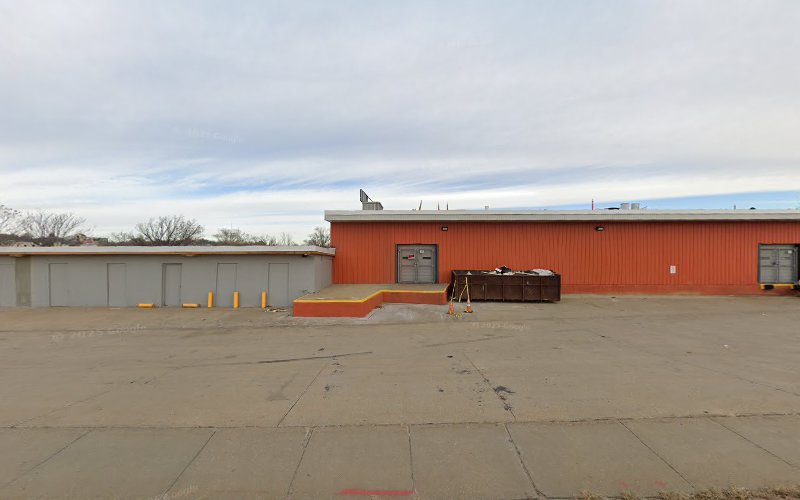
The Scenic Aperture represents one of those fascinating spaces where contemporary art meets visitor accessibility in ways that frankly make you wonder why more galleries don’t follow this model.
Highlights & Key Features
Key Features
Best Time to Visit
How to Get There
Tips for Visiting
Visitor Guide & Information
Description
The Scenic Aperture represents one of those fascinating spaces where contemporary art meets visitor accessibility in ways that frankly make you wonder why more galleries don’t follow this model. As an art gallery that’s carved out its own identity in the cultural landscape, this venue manages to strike a balance between showcasing thought-provoking visual works and maintaining an approachable atmosphere that doesn’t intimidate first-time gallery visitors.
Walking into the Scenic Aperture feels different from your typical white-cube gallery experience. There’s something about the way the space handles natural light and architectural flow that makes you want to actually spend time with each piece rather than rushing through like you’re checking items off a museum bucket list. The gallery has established itself as a destination for travelers who appreciate visual arts but maybe don’t want the overwhelming scale of major metropolitan museums.
What really sets this place apart is how it approaches the entire gallery-going experience. You won’t find that stuffy, overly academic vibe that sometimes makes art spaces feel exclusive or unwelcoming. Instead, the Scenic Aperture creates an environment where you can engage with contemporary works at your own pace, form your own opinions, and actually enjoy the process of looking at art without someone hovering nearby ready to correct your interpretation.
The gallery’s commitment to accessibility deserves real recognition here. They’ve made genuine efforts to ensure visitors with mobility challenges can navigate the space comfortably, which honestly should be standard practice but unfortunately isn’t always the case in art venues. This attention to practical visitor needs suggests a gallery that thinks about who actually walks through their doors rather than just what hangs on their walls.
Key Features
The Scenic Aperture offers several distinctive characteristics that travelers should know about before planning their visit:
• Wheelchair accessible parking facilities that make arrival and departure straightforward for visitors with mobility needs
• Rotating exhibitions that feature both established and emerging artists, giving you exposure to works you probably won’t encounter at larger, more traditional institutions
• Gallery spaces designed to accommodate varying crowd sizes, meaning you can have intimate viewing experiences even during busier periods
• Natural lighting elements integrated thoughtfully throughout the viewing areas, which really does change how you perceive color and texture in the displayed works
• A layout that encourages exploration without following a rigid prescribed path, letting visitors create their own journey through the exhibitions
• Spaces that work equally well for solo contemplation or group discussions about the art on display
• Price points for entry that won’t devastate your travel budget while still supporting the gallery’s operations and the artists they represent
• Curation that leans toward contemporary movements without being so avant-garde that casual art enthusiasts feel lost or confused
• Exhibition information that provides context without overwhelming you with dense academic language that requires an art history degree to decode
• A welcoming atmosphere that makes repeat visits appealing rather than treating the gallery as a one-and-done checklist item
Best Time to Visit
Timing your visit to the Scenic Aperture can significantly impact your experience, and I’ve learned through my own gallery adventures that when you show up matters almost as much as what’s on display.
Weekday mornings typically offer the most peaceful viewing conditions. If you can arrange your travel itinerary to visit on a Tuesday or Wednesday between 10 AM and noon, you’ll likely have substantial portions of the gallery to yourself. There’s something magical about standing alone with a piece of art, letting your thoughts wander without the distraction of other conversations or the pressure of people waiting to view the same work.
Weekend afternoons bring more energy to the space, which honestly can be enjoyable in its own way. You’ll encounter more locals and other travelers, and sometimes overhearing someone else’s perspective on a piece adds dimension to your own viewing experience. But if crowds make you anxious or you really value quiet contemplation, maybe skip Saturday afternoons.
The gallery’s exhibition schedule matters too. Most venues rotate their shows every six to twelve weeks, so checking what’s currently on display before you travel makes sense. Opening receptions and special events can provide unique experiences with artist talks or curator discussions, though they’ll definitely be more crowded.
Season-wise, consider that indoor art galleries offer excellent refuge during extreme weather. If you’re visiting during particularly hot summer months or cold winter periods, the Scenic Aperture provides climate-controlled comfort while still giving you meaningful cultural engagement. And honestly, sometimes the best travel memories come from those unplanned rainy afternoon gallery visits that become unexpected highlights.
How to Get There
Getting to the Scenic Aperture requires some planning, but the journey itself can become part of your overall travel experience rather than just a logistical hurdle to overcome.
The gallery’s wheelchair accessible parking lot provides convenient arrival options for those driving themselves or using ride-sharing services. This practical amenity shouldn’t be overlooked when planning your transportation strategy, especially if you’re traveling with family members or companions who have mobility considerations.
For travelers relying on public transportation, research the local bus or train routes that service the gallery’s neighborhood. Many cities have excellent public transit apps that provide real-time arrival information and route planning features. Don’t be afraid to ask locals for advice either – I’ve found some of my best travel navigation tips came from friendly conversations at coffee shops or hotel front desks rather than from guidebooks.
If you’re staying at a hotel or accommodation within a reasonable distance, walking to the gallery might be feasible depending on weather conditions and your comfort level exploring on foot. There’s something to be said for experiencing the surrounding neighborhood as you approach the gallery, getting a sense of the local context that frames the art you’re about to see.
Ride-sharing services and taxis offer straightforward point-to-point transportation, though costs can add up if you’re taking multiple trips during your visit. Factor these expenses into your overall travel budget so you’re not caught off guard by transportation costs eating into your dining or entertainment funds.
Tips for Visiting
Making the most of your Scenic Aperture experience involves some practical strategies that I’ve picked up through years of gallery visits in various cities.
Plan to spend at least ninety minutes in the space. Rushing through an art gallery defeats the entire purpose of going in the first place. You’re not trying to set a speed record – you’re there to actually look at things, think about them, maybe even let a piece surprise you or challenge your assumptions.
Bring a small notebook if you’re someone who processes experiences through writing. Jotting down thoughts or sketching quick impressions helps cement memories and gives you something tangible to reference later when you’re trying to remember specific works that resonated with you.
Photography policies vary between galleries, so check whether you’re allowed to take pictures before you start snapping away. Some venues embrace photography while others restrict it to protect artists’ copyrights or preserve the contemplative atmosphere. Respect whatever rules are in place, even if you disagree with them.
Consider visiting without your phone in hand constantly. I know, I know – this goes against every travel influencer instinct. But try spending at least part of your visit truly present with the art rather than viewing everything through a screen while thinking about which image will perform best on social media. You might actually enjoy the experience more.
The gallery doesn’t have an on-site restaurant, so eat before you arrive or plan to grab food afterward. Getting hangry in the middle of an exhibition will absolutely ruin your experience. Trust me on this one – I once tried to appreciate a complex conceptual installation while my stomach was growling, and I retained basically nothing from that visit.
Wear comfortable shoes. This seems obvious, but you’d be amazed how many people ignore this basic advice and then spend their entire gallery visit thinking about their aching feet rather than the art surrounding them.
Go alone at least once, even if you’re traveling with others. There’s a different quality to solo gallery visits that group experiences can’t replicate. You move at your own pace, follow your own interests, and avoid the subtle pressure to match someone else’s enthusiasm or viewing speed.
Read the exhibition information, but don’t let it dictate your entire experience. Look at pieces before reading their labels sometimes. Form your own impressions first, then see how the contextual information adds to or changes your initial reaction.
If something confuses you, that’s okay. Contemporary art isn’t always meant to be immediately understood. Sit with that confusion rather than dismissing the work as pretentious or meaningless. Some of the most rewarding artistic experiences come from pieces that initially baffle us.
And finally, give yourself permission to not like everything. You’re allowed to have opinions, including negative ones, about what you see. A thoughtful critique of a work you find unsuccessful is often more interesting than bland appreciation of everything on display.
The Scenic Aperture represents one of those fascinating spaces where contemporary art meets visitor accessibility in ways that frankly make you wonder why more galleries don’t follow this model. As an art gallery that’s carved out its own identity in the cultural landscape, this venue manages to strike a balance between showcasing thought-provoking visual works and maintaining an approachable atmosphere that doesn’t intimidate first-time gallery visitors.
Walking into the Scenic Aperture feels different from your typical white-cube gallery experience. There’s something about the way the space handles natural light and architectural flow that makes you want to actually spend time with each piece rather than rushing through like you’re checking items off a museum bucket list. The gallery has established itself as a destination for travelers who appreciate visual arts but maybe don’t want the overwhelming scale of major metropolitan museums.
What really sets this place apart is how it approaches the entire gallery-going experience. You won’t find that stuffy, overly academic vibe that sometimes makes art spaces feel exclusive or unwelcoming. Instead, the Scenic Aperture creates an environment where you can engage with contemporary works at your own pace, form your own opinions, and actually enjoy the process of looking at art without someone hovering nearby ready to correct your interpretation.
The gallery’s commitment to accessibility deserves real recognition here. They’ve made genuine efforts to ensure visitors with mobility challenges can navigate the space comfortably, which honestly should be standard practice but unfortunately isn’t always the case in art venues. This attention to practical visitor needs suggests a gallery that thinks about who actually walks through their doors rather than just what hangs on their walls.
Key Features
The Scenic Aperture offers several distinctive characteristics that travelers should know about before planning their visit:
• Wheelchair accessible parking facilities that make arrival and departure straightforward for visitors with mobility needs
• Rotating exhibitions that feature both established and emerging artists, giving you exposure to works you probably won’t encounter at larger, more traditional institutions
• Gallery spaces designed to accommodate varying crowd sizes, meaning you can have intimate viewing experiences even during busier periods
• Natural lighting elements integrated thoughtfully throughout the viewing areas, which really does change how you perceive color and texture in the displayed works
• A layout that encourages exploration without following a rigid prescribed path, letting visitors create their own journey through the exhibitions
• Spaces that work equally well for solo contemplation or group discussions about the art on display
• Price points for entry that won’t devastate your travel budget while still supporting the gallery’s operations and the artists they represent
• Curation that leans toward contemporary movements without being so avant-garde that casual art enthusiasts feel lost or confused
• Exhibition information that provides context without overwhelming you with dense academic language that requires an art history degree to decode
• A welcoming atmosphere that makes repeat visits appealing rather than treating the gallery as a one-and-done checklist item
Best Time to Visit
Timing your visit to the Scenic Aperture can significantly impact your experience, and I’ve learned through my own gallery adventures that when you show up matters almost as much as what’s on display.
Weekday mornings typically offer the most peaceful viewing conditions. If you can arrange your travel itinerary to visit on a Tuesday or Wednesday between 10 AM and noon, you’ll likely have substantial portions of the gallery to yourself. There’s something magical about standing alone with a piece of art, letting your thoughts wander without the distraction of other conversations or the pressure of people waiting to view the same work.
Weekend afternoons bring more energy to the space, which honestly can be enjoyable in its own way. You’ll encounter more locals and other travelers, and sometimes overhearing someone else’s perspective on a piece adds dimension to your own viewing experience. But if crowds make you anxious or you really value quiet contemplation, maybe skip Saturday afternoons.
The gallery’s exhibition schedule matters too. Most venues rotate their shows every six to twelve weeks, so checking what’s currently on display before you travel makes sense. Opening receptions and special events can provide unique experiences with artist talks or curator discussions, though they’ll definitely be more crowded.
Season-wise, consider that indoor art galleries offer excellent refuge during extreme weather. If you’re visiting during particularly hot summer months or cold winter periods, the Scenic Aperture provides climate-controlled comfort while still giving you meaningful cultural engagement. And honestly, sometimes the best travel memories come from those unplanned rainy afternoon gallery visits that become unexpected highlights.
How to Get There
Getting to the Scenic Aperture requires some planning, but the journey itself can become part of your overall travel experience rather than just a logistical hurdle to overcome.
The gallery’s wheelchair accessible parking lot provides convenient arrival options for those driving themselves or using ride-sharing services. This practical amenity shouldn’t be overlooked when planning your transportation strategy, especially if you’re traveling with family members or companions who have mobility considerations.
For travelers relying on public transportation, research the local bus or train routes that service the gallery’s neighborhood. Many cities have excellent public transit apps that provide real-time arrival information and route planning features. Don’t be afraid to ask locals for advice either – I’ve found some of my best travel navigation tips came from friendly conversations at coffee shops or hotel front desks rather than from guidebooks.
If you’re staying at a hotel or accommodation within a reasonable distance, walking to the gallery might be feasible depending on weather conditions and your comfort level exploring on foot. There’s something to be said for experiencing the surrounding neighborhood as you approach the gallery, getting a sense of the local context that frames the art you’re about to see.
Ride-sharing services and taxis offer straightforward point-to-point transportation, though costs can add up if you’re taking multiple trips during your visit. Factor these expenses into your overall travel budget so you’re not caught off guard by transportation costs eating into your dining or entertainment funds.
Tips for Visiting
Making the most of your Scenic Aperture experience involves some practical strategies that I’ve picked up through years of gallery visits in various cities.
Plan to spend at least ninety minutes in the space. Rushing through an art gallery defeats the entire purpose of going in the first place. You’re not trying to set a speed record – you’re there to actually look at things, think about them, maybe even let a piece surprise you or challenge your assumptions.
Bring a small notebook if you’re someone who processes experiences through writing. Jotting down thoughts or sketching quick impressions helps cement memories and gives you something tangible to reference later when you’re trying to remember specific works that resonated with you.
Photography policies vary between galleries, so check whether you’re allowed to take pictures before you start snapping away. Some venues embrace photography while others restrict it to protect artists’ copyrights or preserve the contemplative atmosphere. Respect whatever rules are in place, even if you disagree with them.
Consider visiting without your phone in hand constantly. I know, I know – this goes against every travel influencer instinct. But try spending at least part of your visit truly present with the art rather than viewing everything through a screen while thinking about which image will perform best on social media. You might actually enjoy the experience more.
The gallery doesn’t have an on-site restaurant, so eat before you arrive or plan to grab food afterward. Getting hangry in the middle of an exhibition will absolutely ruin your experience. Trust me on this one – I once tried to appreciate a complex conceptual installation while my stomach was growling, and I retained basically nothing from that visit.
Wear comfortable shoes. This seems obvious, but you’d be amazed how many people ignore this basic advice and then spend their entire gallery visit thinking about their aching feet rather than the art surrounding them.
Go alone at least once, even if you’re traveling with others. There’s a different quality to solo gallery visits that group experiences can’t replicate. You move at your own pace, follow your own interests, and avoid the subtle pressure to match someone else’s enthusiasm or viewing speed.
Read the exhibition information, but don’t let it dictate your entire experience. Look at pieces before reading their labels sometimes. Form your own impressions first, then see how the contextual information adds to or changes your initial reaction.
If something confuses you, that’s okay. Contemporary art isn’t always meant to be immediately understood. Sit with that confusion rather than dismissing the work as pretentious or meaningless. Some of the most rewarding artistic experiences come from pieces that initially baffle us.
And finally, give yourself permission to not like everything. You’re allowed to have opinions, including negative ones, about what you see. A thoughtful critique of a work you find unsuccessful is often more interesting than bland appreciation of everything on display.
Scenic Aperture in Omaha brings fine-art nature photography to life through the lens of Frank Comisar, a professional photographer with a real knack for wild places. You’ll find this creative hub tucked inside Clover 24, where the vibe is more “let’s make art together” than “don’t touch the walls.” The gallery’s all about highlighting those fleeting moments in nature most of us probably walk right by.
What really sets Scenic Aperture apart? It’s how seamlessly you can go from admiring art to actually creating it yourself. Frank leads small-group workshops—seriously, just a handful of folks—covering everything from getting off auto mode on your camera to composing shots with your phone.
You’ll actually get feedback that feels personal, not like you’re shouting questions into a void. Whether you’re eyeing those landscape prints on the walls or itching to up your own photo game, this isn’t some intimidating art gallery.
It’s a place where nature lovers and aspiring photographers mingle, learn, and maybe even surprise themselves. The atmosphere is genuinely welcoming, and you’ll notice that right away.
Key Takeaways
Scenic Aperture is a fine-art nature photography gallery and educational space run by professional photographer Frank Comisar.
The gallery offers hands-on photography classes in small groups—think landscapes, composition, and even mobile photography.
Located at Clover 24 in Omaha, the space makes art and photography education feel accessible, no matter your skill level.
About Scenic Aperture
Scenic Aperture is Omaha’s answer to the question, “Where can I see truly stunning landscape photography around here?” The gallery brings a breath of fresh mountain air to Nebraska, but its roots actually go back to Colorado’s wild country, where Frank Comisar first chased his vision.
History and Significance
Frank Comisar kicked things off in 2007, opening the first Scenic Aperture gallery out in Durango, Colorado. The place quickly built a reputation for showcasing his nature photography—work that’s now collected worldwide.
Over time, Frank took Scenic Aperture beyond just a gallery. He started offering photography workshops in some of North America’s most jaw-dropping locations.
The Omaha gallery extends that Colorado legacy, keeping the same commitment to fine-art nature photography that made the original space stand out. Frank’s images span everything from wildlife and mountains to deserts and even trains. A surprising number were shot within an hour of Durango, which just adds to the story.
Workshops are a huge part of what makes Scenic Aperture tick. Frank’s teaching style is hands-on, blending fieldwork with classroom time, and he seems genuinely invested in helping every student grow.
What Makes It Special
Here’s the thing: Scenic Aperture isn’t obsessed with gear. The gallery really champions the idea that creativity and vision matter more than having the fanciest camera.
When you wander through, you’ll feel that philosophy in the air. It’s refreshing—almost rebellious, in the best way.
Scenic Aperture’s 4.9 rating on Google? Not a fluke. Visitors rave about how approachable the gallery feels, and I have to agree. There’s an energy here that makes fine-art photography seem less like a secret club and more like something anyone can dive into.
The workshops aren’t your average photo walks. Frank takes groups to wild spots in Colorado, Arizona, Utah, and even Yellowstone. Expect long days and a healthy mix of exhaustion and inspiration.
What to See and Do
Omaha’s got its own share of scenic overlooks and nature experiences—not what most people expect from Nebraska, honestly. You get new perspectives on the Missouri River valley and the rolling landscapes nearby.
Timing matters. The best outdoor spots blend accessibility with a sense of adventure, and a little planning goes a long way.
Main Attractions and Highlights
If you’re hunting for big views near Omaha, the Hitchcock Nature Center is tough to beat. It’s just outside Council Bluffs, nestled in the Loess Hills, and gives you about 10 miles of trails plus a 45-foot observation tower.
On a clear day, you’ll catch glimpses of Omaha’s skyline from up there. The entry fee is $5—bring cash, since it’s the old-school envelope drop box setup.
From the top, you get a panorama of hills and valleys that honestly don’t feel like the Midwest at all.
Trail Options:
Easy: Boardwalk trails (heads up, they’re under renovation right now)
Moderate: Badger Ridge Trail with some solid overlooks
Challenging: Sunset Ridge hike—perfect if you’re chasing golden hour
During migration season, hawk-watching is fantastic. You might spot raptors gliding right overhead, especially in spring or fall.
Before you hit the trails, swing by the Loess Hills Interpretive Center. They’ve got hands-on activities and maps that actually help.
Best Time to Visit
Late September into October is prime time if you want fall colors and comfortable hiking weather. Asters bloom along the trails, and the view from the tower is ridiculously photogenic.
If birds are your thing, spring migration (April-May) is the window to aim for. The hawk-watchers know what’s up.
Summer’s fine, but brace yourself for heat and humidity. For sunset chasers, try to arrive two hours before dusk—enough time to reach the overlooks before that golden prairie light hits.
Occasionally, you’ll find winter stargazing events at Omaha-area nature reserves. Worth checking local calendars if you’re in town.
Visitor Information
Getting to Scenic Aperture in Omaha is pretty straightforward, but a little prep never hurts. The gallery welcomes photographers and curious visitors all year, with easy access and a few handy resources.
Location and How to Get There
You’ll find Scenic Aperture at Clover 24, woven right into Omaha’s art scene. If you’re driving, Dodge Street is your best bet—it’s one of the main east-west arteries through town.
Coming from downtown? It’s usually a 15-20 minute drive, traffic willing.
Getting There:
By Car: Take I-80 to the 72nd Street exit, then follow the signs.
Public Transit: METRO buses stop within walking distance.
Parking: Free parking in the designated lots, which is always a relief.
Eppley Airfield is the nearest airport, about 20 minutes from most Omaha hotspots. If you’re staying downtown or in the Old Market, rideshare or a rental car will get you there without any hassle.
Tips for Visitors
Honestly, if you’re chasing the best light, aim for golden hour—either early morning or those last, honeyed rays in late afternoon. That’s when Scenic Aperture really glows, and your photos will thank you.
Spring and fall? They’re my personal favorites for dramatic natural scenery. Still, every season brings a different vibe, so don’t write off a winter visit if you’re into moodier landscapes.
Pack your camera gear, and don’t skimp on comfortable walking shoes. Weather in Omaha has a mind of its own—layering is basically non-negotiable.
It’s smart to check locally for any seasonal closures or quirky events that might pop up and impact your plans. I’ve learned that the hard way more than once.
Accessibility is decent—there are paved paths that work for wheelchairs and strollers. But, fair warning, a few of the best viewpoints do mean venturing onto natural trails for a bit.
If you need something specific, just reach out to the Omaha Visitors Center. They’ve always been friendly when I’ve called, and they’re up-to-date on trail conditions.
No admission fee here, which is always a pleasant surprise. You’ll want at least an hour to soak it in and grab those shots—trust me, it goes by fast.
Explore verified points of interest within walking or short transit distance.
No neighboring places mapped within 5 km yet.
Find Places to Stay Nearby
Stay22 provides this accommodation search. We may earn a commission if you book through it; verify current prices and terms with the provider.
🗺️
Interactive accommodation map requires marketing cookies to display live rates.
Recommended Experiences & Activities
GetYourGuide provides this tour inventory. We may earn a commission if you book through it; verify current availability, prices, and terms with the provider.
Top Viator Experiences & Guided Tours in Omaha
We may earn a commission if you book through links on this page at no extra cost to you. All tours feature verified customer reviews and flexible cancellation options.