Tourist attraction 4.4 Sardabe, IranCommunity Guide

Sardabeh Waterfall

Iran

Sardabeh Waterfall
220 Photos

About & Overview

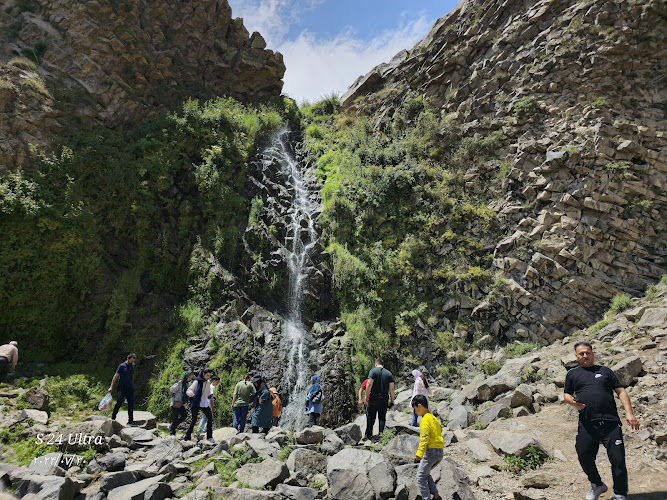
Tucked into the eastern slopes of Mount Sabalan near the village of Sardabe in Ardabil Province, Sardabeh Waterfall is a lush mountain cascade and thermal spring complex that rewards visitors with dramatic scenery and restorative hot mineral waters. Historically the area has served local pastoral communities and travelers seeking the springs’ therapeutic properties; more recently it has been developed modestly for eco-tourism while retaining a wild, off-the-beaten-path feel. What makes Sardabeh special is the rare combination of a 25–30 meter waterfall spilling into verdant pools alongside several naturally heated mineral spring outlets (many sources note seven springs in the immediate area). Visitors come for the photogenic waterfall framed by Sabalan’s slopes, the warm bathing opportunities, and short nature walks through meadows and pine-scrubland. It’s an excellent stop for hikers, photographers, and anyone who enjoys a mix of active exploration and relaxed thermal bathing. The site’s accessibility from Ardabil city (roughly 20–30 km) makes it an easy day trip while still feeling remote and restorative.

Highlights & Key Features

  • 25–30 meter scenic waterfall on Sabalan’s eastern slopes
  • Multiple hot mineral spring outlets (commonly cited as seven)
  • Warm bathing/thermal therapy facilities developed to modern standards
  • Lush mountain meadows and short hiking trails
  • Close proximity to Ardabil city for convenient day trips

Visitor Guide & Information

Sardabeh Waterfall stands as one of those natural attractions that genuinely rewards the effort it takes to reach it. Located in the mountainous terrain of Iran’s Kermanshah Province, this cascade draws visitors who are willing to venture off the beaten path for an authentic wilderness experience. The waterfall itself plunges down rocky cliffs in a way that changes character depending on the season – sometimes it’s a thundering torrent, other times a more gentle flow that lets you appreciate the geological formations around it.

What strikes most people about Sardabeh isn’t just the waterfall itself, but the entire setting. The surrounding landscape is rugged and unpolished in the best possible way. You’re not going to find paved walkways or tourist shops selling magnets here. This is nature as it exists without much human intervention, which honestly feels pretty refreshing these days when so many natural sites have been commercialized to death.

The journey to reach this waterfall becomes part of the experience itself. Visitors need to navigate through rocky paths and sometimes wade through shallow streams, which means this isn’t the kind of place where you can show up in flip-flops and expect an easy stroll. But that’s precisely what keeps it relatively uncrowded compared to more accessible waterfalls in the region. The people who make it here tend to be genuinely interested in nature rather than just checking off a box on their tourist itinerary.

I’ve always believed that the best natural attractions are the ones that demand something from you – a bit of effort, a bit of preparation, maybe even a bit of discomfort. Sardabeh fits that description perfectly. The waterfall area includes several pools where the water collects before continuing downstream, and these spots become gathering places for visitors during warmer months. The water temperature stays pretty cold year-round due to the mountain source, which can be a shock at first but feels incredible on a hot summer day.

Key Features

The distinctive characteristics of Sardabeh Waterfall make it worth consideration for travelers seeking genuine outdoor experiences:

• Multi-tiered cascade system that creates several viewing angles and photographic opportunities throughout different elevations

• Natural pools formed by centuries of water erosion, with depths varying from ankle-deep to several feet in certain sections

• Surrounding canyon walls that provide shade during midday hours and create interesting light patterns as the sun moves

• Rocky terrain that requires moderate physical fitness to navigate, filtering out casual tourists and maintaining a quieter atmosphere

• Seasonal water flow variations that transform the waterfall’s character – spring brings maximum volume while late summer offers calmer pools

• Absence of commercial development means no entrance fees, no crowds, and no infrastructure beyond basic trail markers

• Geological formations visible in the cliff faces showing layers of sedimentary rock dating back millions of years

• Small caves and alcoves near the waterfall base that offer shelter and exploration opportunities for adventurous visitors

• Native plant species adapted to constant moisture creating microhabitats not found in the surrounding drier regions

• Complete lack of wheelchair accessibility or accommodations for limited mobility visitors, which travelers should know upfront

Best Time to Visit

Timing your visit to Sardabeh Waterfall can make the difference between a memorable experience and a disappointing one. Spring months from late March through May offer the most dramatic water flow as snowmelt from higher elevations feeds the cascade. During this period, the waterfall operates at full force, creating that impressive roar and mist you probably have in mind when imagining a proper waterfall. The vegetation also comes alive with fresh growth, and wildflowers dot the landscape.

But here’s something most guides won’t tell you – spring can also mean more challenging conditions. The increased water flow makes stream crossings trickier, and the paths can become muddy and slippery. If you’re traveling with children or aren’t confident about your footing on uneven terrain, you might want to reconsider a spring visit.

Summer months from June through August bring warmer temperatures and reduced water flow. The waterfall becomes less dramatic, sure, but the pools become much more accessible for swimming and wading. This is when local families tend to visit, and honestly, there’s something special about sharing the space with people who live in the region rather than just tourists like yourself. The heat in Kermanshah Province can get intense during summer, so that cool mountain water feels like a gift.

Early fall, particularly September and early October, represents a sweet spot that many experienced travelers aim for. Water levels remain reasonable, temperatures moderate, and the changing foliage adds visual interest to the surroundings. Plus, you’ll encounter fewer visitors as families return to school schedules.

Winter visits are possible but not recommended unless you’re an experienced outdoor enthusiast. The waterfall can partially freeze, creating stunning ice formations, but the approach becomes genuinely dangerous with ice-covered rocks and freezing water temperatures. I wouldn’t attempt it without proper equipment and experience.

Weather in mountainous regions changes quickly, so regardless of season, check forecasts before heading out. And remember that conditions at the waterfall site will be cooler and potentially wetter than in nearby towns.

How to Get There

Getting to Sardabeh Waterfall requires some planning since it’s not the kind of place you’ll stumble upon by accident. The waterfall is located in the Paveh region of Kermanshah Province, and most visitors use the city of Paveh as their base. From Kermanshah city, you’re looking at roughly 180 kilometers, which sounds manageable until you factor in mountain roads that wind considerably.

If you’re driving from Kermanshah, take the road toward Paveh and prepare for about 3-4 hours of travel depending on conditions and your comfort level with mountain driving. The roads are paved for most of the journey, but they’re narrow in sections with significant elevation changes. Local drivers know these routes well and sometimes drive faster than seems advisable, so don’t feel pressured to match their speed.

Once you reach Paveh, you’ll need to continue toward Sardabeh village. The final approach requires either a four-wheel-drive vehicle or parking at a safe spot and hiking the remaining distance. Local guides are available in Paveh and can be worth the expense if you’re unfamiliar with the area or don’t speak Farsi. They know exactly where to park, which paths to take, and can point out features you might otherwise miss.

Public transportation to this specific waterfall is basically non-existent. You might find buses or shared taxis to Paveh, but from there you’ll need to arrange private transportation. Some travelers team up with others to split the cost of hiring a driver for the day, which can work out reasonably.

The hike from the nearest vehicle access point to the waterfall takes roughly 30-45 minutes depending on your pace and how many times you stop to catch your breath or take photos. The trail isn’t marked clearly in all sections, so having someone who knows the way helps tremendously. Don’t rely entirely on your phone’s GPS – signal can be spotty, and battery drains faster in remote areas as your device searches for towers.

Tips for Visiting

Proper preparation makes the difference between an enjoyable visit and a miserable one at Sardabeh Waterfall. First and foremost, wear appropriate footwear. I cannot stress this enough – proper hiking boots with good ankle support and grippy soles are essential. The rocks get slippery, and a twisted ankle out here means a very difficult extraction.

Bring more water than you think you’ll need. Yes, there’s water at the waterfall, but you shouldn’t drink it without purification. Dehydration sneaks up on you during physical activity, especially at elevation. Pack at least two liters per person, more in summer.

Clothing should be layered and include at least one waterproof outer layer. Even if the forecast looks clear, conditions change in mountains. If you plan to wade or swim, bring a change of clothes and a towel. There aren’t facilities for changing, so wear your swimsuit under your clothes if you’re planning to get in the water.

Sun protection matters more at elevation than people realize. Sunscreen, a hat, and sunglasses should all make your packing list. The reflection off water and rocks intensifies UV exposure.

Food is another consideration since there’s nowhere to buy anything near the waterfall. Pack snacks with protein and complex carbs that give sustained energy rather than quick sugar hits that leave you crashed an hour later. Trail mix, dried fruit, and sandwiches work well. And please, pack out everything you pack in. The lack of commercial development means there are no trash bins, and leaving garbage in these pristine areas is just inexcusable.

A basic first aid kit isn’t optional – it’s necessary. Include bandages, antiseptic, pain relievers, and any personal medications. Blisters, cuts, and scrapes happen on rocky terrain.

Start your visit early in the day for several reasons. Morning light is better for photography, temperatures are cooler, and you’ll have more time to explore without feeling rushed. Plus, if something goes wrong, you have daylight hours to deal with it.

Let someone know your plans before heading out. This isn’t being paranoid – it’s basic safety in remote areas. Tell your hotel, a friend, or family member where you’re going and when you expect to return.

Photography enthusiasts should bring protective covering for cameras since mist from the waterfall can reach surprising distances. A polarizing filter helps manage reflections off wet rocks and water surfaces.

The accessibility situation deserves honest discussion. This waterfall is not accessible for wheelchair users or people with significant mobility limitations. The terrain is simply too rough and the paths too narrow. If you’re traveling with someone who has mobility challenges, this probably isn’t the right destination, and that’s okay – knowing that upfront saves disappointment.

Lastly, respect the environment and local customs. This area falls within a region where conservative dress is expected, particularly for women. Long pants and covered shoulders aren’t just polite – they’re necessary to avoid unwanted attention or issues with locals. Swimming or wading should be done modestly, and consider that local families may be present with different cultural expectations about appropriate behavior at natural sites.

The effort required to visit Sardabeh Waterfall filters out the casual tourist crowd, which means those who do make the journey get to experience something increasingly rare – a natural attraction that hasn’t been sanitized, paved, and packaged for mass consumption. Just come prepared.

Community & Insider Notes

Last modified March 30, 2026

Description

Sardabeh Waterfall stands as one of those natural attractions that genuinely rewards the effort it takes to reach it. Located in the mountainous terrain of Iran’s Kermanshah Province, this cascade draws visitors who are willing to venture off the beaten path for an authentic wilderness experience. The waterfall itself plunges down rocky cliffs in a way that changes character depending on the season – sometimes it’s a thundering torrent, other times a more gentle flow that lets you appreciate the geological formations around it.

What strikes most people about Sardabeh isn’t just the waterfall itself, but the entire setting. The surrounding landscape is rugged and unpolished in the best possible way. You’re not going to find paved walkways or tourist shops selling magnets here. This is nature as it exists without much human intervention, which honestly feels pretty refreshing these days when so many natural sites have been commercialized to death.

The journey to reach this waterfall becomes part of the experience itself. Visitors need to navigate through rocky paths and sometimes wade through shallow streams, which means this isn’t the kind of place where you can show up in flip-flops and expect an easy stroll. But that’s precisely what keeps it relatively uncrowded compared to more accessible waterfalls in the region. The people who make it here tend to be genuinely interested in nature rather than just checking off a box on their tourist itinerary.

I’ve always believed that the best natural attractions are the ones that demand something from you – a bit of effort, a bit of preparation, maybe even a bit of discomfort. Sardabeh fits that description perfectly. The waterfall area includes several pools where the water collects before continuing downstream, and these spots become gathering places for visitors during warmer months. The water temperature stays pretty cold year-round due to the mountain source, which can be a shock at first but feels incredible on a hot summer day.

Key Features

The distinctive characteristics of Sardabeh Waterfall make it worth consideration for travelers seeking genuine outdoor experiences:

• Multi-tiered cascade system that creates several viewing angles and photographic opportunities throughout different elevations

• Natural pools formed by centuries of water erosion, with depths varying from ankle-deep to several feet in certain sections

• Surrounding canyon walls that provide shade during midday hours and create interesting light patterns as the sun moves

• Rocky terrain that requires moderate physical fitness to navigate, filtering out casual tourists and maintaining a quieter atmosphere

• Seasonal water flow variations that transform the waterfall’s character – spring brings maximum volume while late summer offers calmer pools

• Absence of commercial development means no entrance fees, no crowds, and no infrastructure beyond basic trail markers

• Geological formations visible in the cliff faces showing layers of sedimentary rock dating back millions of years

• Small caves and alcoves near the waterfall base that offer shelter and exploration opportunities for adventurous visitors

• Native plant species adapted to constant moisture creating microhabitats not found in the surrounding drier regions

• Complete lack of wheelchair accessibility or accommodations for limited mobility visitors, which travelers should know upfront

Best Time to Visit

Timing your visit to Sardabeh Waterfall can make the difference between a memorable experience and a disappointing one. Spring months from late March through May offer the most dramatic water flow as snowmelt from higher elevations feeds the cascade. During this period, the waterfall operates at full force, creating that impressive roar and mist you probably have in mind when imagining a proper waterfall. The vegetation also comes alive with fresh growth, and wildflowers dot the landscape.

But here’s something most guides won’t tell you – spring can also mean more challenging conditions. The increased water flow makes stream crossings trickier, and the paths can become muddy and slippery. If you’re traveling with children or aren’t confident about your footing on uneven terrain, you might want to reconsider a spring visit.

Summer months from June through August bring warmer temperatures and reduced water flow. The waterfall becomes less dramatic, sure, but the pools become much more accessible for swimming and wading. This is when local families tend to visit, and honestly, there’s something special about sharing the space with people who live in the region rather than just tourists like yourself. The heat in Kermanshah Province can get intense during summer, so that cool mountain water feels like a gift.

Early fall, particularly September and early October, represents a sweet spot that many experienced travelers aim for. Water levels remain reasonable, temperatures moderate, and the changing foliage adds visual interest to the surroundings. Plus, you’ll encounter fewer visitors as families return to school schedules.

Winter visits are possible but not recommended unless you’re an experienced outdoor enthusiast. The waterfall can partially freeze, creating stunning ice formations, but the approach becomes genuinely dangerous with ice-covered rocks and freezing water temperatures. I wouldn’t attempt it without proper equipment and experience.

Weather in mountainous regions changes quickly, so regardless of season, check forecasts before heading out. And remember that conditions at the waterfall site will be cooler and potentially wetter than in nearby towns.

How to Get There

Getting to Sardabeh Waterfall requires some planning since it’s not the kind of place you’ll stumble upon by accident. The waterfall is located in the Paveh region of Kermanshah Province, and most visitors use the city of Paveh as their base. From Kermanshah city, you’re looking at roughly 180 kilometers, which sounds manageable until you factor in mountain roads that wind considerably.

If you’re driving from Kermanshah, take the road toward Paveh and prepare for about 3-4 hours of travel depending on conditions and your comfort level with mountain driving. The roads are paved for most of the journey, but they’re narrow in sections with significant elevation changes. Local drivers know these routes well and sometimes drive faster than seems advisable, so don’t feel pressured to match their speed.

Once you reach Paveh, you’ll need to continue toward Sardabeh village. The final approach requires either a four-wheel-drive vehicle or parking at a safe spot and hiking the remaining distance. Local guides are available in Paveh and can be worth the expense if you’re unfamiliar with the area or don’t speak Farsi. They know exactly where to park, which paths to take, and can point out features you might otherwise miss.

Public transportation to this specific waterfall is basically non-existent. You might find buses or shared taxis to Paveh, but from there you’ll need to arrange private transportation. Some travelers team up with others to split the cost of hiring a driver for the day, which can work out reasonably.

The hike from the nearest vehicle access point to the waterfall takes roughly 30-45 minutes depending on your pace and how many times you stop to catch your breath or take photos. The trail isn’t marked clearly in all sections, so having someone who knows the way helps tremendously. Don’t rely entirely on your phone’s GPS – signal can be spotty, and battery drains faster in remote areas as your device searches for towers.

Tips for Visiting

Proper preparation makes the difference between an enjoyable visit and a miserable one at Sardabeh Waterfall. First and foremost, wear appropriate footwear. I cannot stress this enough – proper hiking boots with good ankle support and grippy soles are essential. The rocks get slippery, and a twisted ankle out here means a very difficult extraction.

Bring more water than you think you’ll need. Yes, there’s water at the waterfall, but you shouldn’t drink it without purification. Dehydration sneaks up on you during physical activity, especially at elevation. Pack at least two liters per person, more in summer.

Clothing should be layered and include at least one waterproof outer layer. Even if the forecast looks clear, conditions change in mountains. If you plan to wade or swim, bring a change of clothes and a towel. There aren’t facilities for changing, so wear your swimsuit under your clothes if you’re planning to get in the water.

Sun protection matters more at elevation than people realize. Sunscreen, a hat, and sunglasses should all make your packing list. The reflection off water and rocks intensifies UV exposure.

Food is another consideration since there’s nowhere to buy anything near the waterfall. Pack snacks with protein and complex carbs that give sustained energy rather than quick sugar hits that leave you crashed an hour later. Trail mix, dried fruit, and sandwiches work well. And please, pack out everything you pack in. The lack of commercial development means there are no trash bins, and leaving garbage in these pristine areas is just inexcusable.

A basic first aid kit isn’t optional – it’s necessary. Include bandages, antiseptic, pain relievers, and any personal medications. Blisters, cuts, and scrapes happen on rocky terrain.

Start your visit early in the day for several reasons. Morning light is better for photography, temperatures are cooler, and you’ll have more time to explore without feeling rushed. Plus, if something goes wrong, you have daylight hours to deal with it.

Let someone know your plans before heading out. This isn’t being paranoid – it’s basic safety in remote areas. Tell your hotel, a friend, or family member where you’re going and when you expect to return.

Photography enthusiasts should bring protective covering for cameras since mist from the waterfall can reach surprising distances. A polarizing filter helps manage reflections off wet rocks and water surfaces.

The accessibility situation deserves honest discussion. This waterfall is not accessible for wheelchair users or people with significant mobility limitations. The terrain is simply too rough and the paths too narrow. If you’re traveling with someone who has mobility challenges, this probably isn’t the right destination, and that’s okay – knowing that upfront saves disappointment.

Lastly, respect the environment and local customs. This area falls within a region where conservative dress is expected, particularly for women. Long pants and covered shoulders aren’t just polite – they’re necessary to avoid unwanted attention or issues with locals. Swimming or wading should be done modestly, and consider that local families may be present with different cultural expectations about appropriate behavior at natural sites.

The effort required to visit Sardabeh Waterfall filters out the casual tourist crowd, which means those who do make the journey get to experience something increasingly rare – a natural attraction that hasn’t been sanitized, paved, and packaged for mass consumption. Just come prepared.

Key Highlights

  • 25–30 meter scenic waterfall on Sabalan’s eastern slopes
  • Multiple hot mineral spring outlets (commonly cited as seven)
  • Warm bathing/thermal therapy facilities developed to modern standards
  • Lush mountain meadows and short hiking trails
  • Close proximity to Ardabil city for convenient day trips

Location

Places to Stay Near Sardabeh Waterfall

Find and Book a Tour

Explore More Travel Guides

No reviews found! Be the first to review!

Select a Rating5 Stars4 Stars3 Stars2 Stars1 Star

Sardabeh Waterfall is a prominent attractions located in Sardabe.

Visit us at: Iran.

Find Places to Stay Nearby

Stay22 provides this accommodation search. We may earn a commission if you book through it; verify current prices and terms with the provider.

Recommended Experiences & Activities

GetYourGuide provides this tour inventory. We may earn a commission if you book through it; verify current availability, prices, and terms with the provider.

Top Viator Experiences & Guided Tours in Sardabe

We may earn a commission if you book through links on this page at no extra cost to you. All tours feature verified customer reviews and flexible cancellation options.

Traveler Reviews & Community Q&A

No traveler reviews yet. Share your experience below!

No traveler questions yet. Be the first to ask a local!

Real Journey Travels Community