
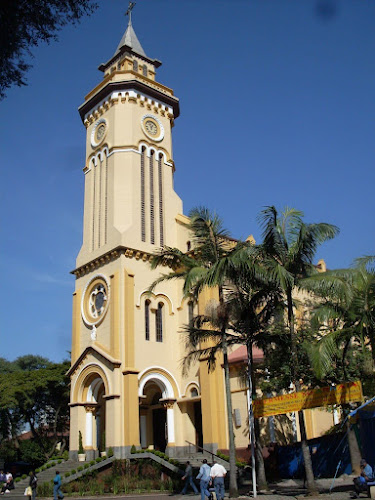
Santo André
About Santo André
Description
Santo André, tucked into the vast metropolitan sprawl of São Paulo, is one of those places that quietly surprises you. It doesn’t scream for attention like the big city next door, but it has its own rhythm—steady, grounded, and full of character. With a population of around 778,000 people spread across 175.8 square kilometers, it’s a city that feels both urban and intimate at once. You can sense its industrial roots in the architecture and the hum of daily life, but at the same time, there’s greenery everywhere—parks, tree-lined streets, and even a few nature reserves that make you forget you’re in one of Brazil’s most developed regions.
When you walk through Santo André, you notice how the city blends progress with community spirit. Locals are proud of their home, and they’ll tell you stories about how the ABC Region (which includes Santo André, São Bernardo do Campo, and São Caetano do Sul) was once the beating heart of Brazil’s automotive industry. But it’s not just factories and freeways here. There’s culture, art, and a growing food scene that’s honestly underrated. You’ll find cozy cafés tucked between modern buildings, local markets buzzing with chatter, and a nightlife that’s lively without being overwhelming.
I remember the first time I visited Santo André—it was a bit of a spontaneous detour from São Paulo city. I didn’t expect much, but the charm of the people and the slower pace caught me off guard. There’s something very real about this place. It’s not trying to impress; it just is. And that authenticity is what makes it worth exploring.
Key Features
- Industrial Heritage: A cornerstone of Brazil’s manufacturing history, particularly in the automotive and chemical sectors.
- Cultural Landmarks: Home to the Sabina Escola Parque do Conhecimento, a science and technology museum that’s a hit with families and curious minds alike.
- Green Spaces: The Parque Central and Parque Natural Municipal do Pedroso offer walking trails, lakes, and picnic spots that locals swear by.
- Art and Music Scene: The city hosts frequent cultural events, local theater performances, and open-air concerts that bring the community together.
- Local Cuisine: A mix of traditional Brazilian dishes with modern influences—expect hearty meals, strong coffee, and irresistible desserts.
- Accessibility: Well-connected by train and major highways, making it easy to reach from São Paulo or nearby cities in the ABC Region.
Best Time to Visit
If you’re planning a trip, the best time to visit Santo André is between April and September. Those months bring cooler, drier weather—perfect for exploring parks and walking through downtown without feeling like you’re melting. Summer (December to March) can be hot and humid, with the occasional afternoon downpour that sends everyone running for cover. But honestly, even then, the city has its charm. The rain gives the streets a fresh, almost cinematic look. And if you’re lucky, you might catch one of the city’s many festivals or open-air events that pop up during the warmer months.
I personally love visiting in late May. The air feels crisp, the skies are clear, and the locals seem more relaxed. You can sit outside at a café, sip on a strong espresso, and just watch life go by—a simple pleasure that somehow feels richer here.
How to Get There
Getting to Santo André is pretty straightforward, especially if you’re already in São Paulo. The city sits just about 20 kilometers southeast of the capital, and you can reach it by train, car, or bus. The CPTM Line 10 (Turquoise) runs directly from central São Paulo to Santo André, and it’s both affordable and efficient. If you prefer driving, the Anchieta Highway connects the two cities—though, fair warning, traffic can get heavy during rush hour.
For those coming from São Paulo’s main airport, Guarulhos International, the trip takes about an hour by car, depending on traffic. Some travelers choose to stay in Santo André as a calmer base while exploring the greater São Paulo area—it’s less chaotic, more affordable, and still close enough to everything.
Once you’re in town, public transportation is reliable, and taxis or ride-share apps are easy to find. But honestly, the best way to really get to know Santo André is by walking. There’s something about strolling through its neighborhoods, hearing snippets of conversation in Portuguese, and discovering small bakeries that makes the experience feel authentic.
Tips for Visiting
Here’s the thing about Santo André—it’s not a tourist trap, and that’s a good thing. But it also means you’ll need to plan a bit to get the most out of your visit. Here are a few tips I’ve picked up along the way:
- Learn a few Portuguese phrases. English isn’t as widely spoken as in central São Paulo, but people are friendly and appreciate the effort.
- Bring comfortable shoes. The city is walkable, but some streets have uneven pavement—especially in older areas.
- Try the local bakeries. Seriously, don’t skip the pão de queijo (cheese bread) or the brigadeiros. They’re small joys that make your day better.
- Visit the parks early. Mornings are peaceful, and you’ll see locals jogging, walking dogs, or just enjoying the fresh air.
- Check out local events. Santo André often hosts art fairs, music festivals, and food markets. They’re the best way to experience the city’s community vibe.
- Stay alert in crowded areas. Like any large urban area, it’s smart to keep an eye on your belongings, especially around train stations.
One thing I learned after a few visits is that Santo André rewards curiosity. The more you wander, the more you find—murals tucked behind alleyways, little bars that play samba on weekends, or locals who’ll happily tell you where to find the best feijoada in town. It’s a city that doesn’t reveal itself all at once, and that’s part of its charm.
If you’re looking for a destination that feels real—where life hums at its own pace, where you can slow down but still feel connected—Santo André might surprise you. It’s not the glossy postcard version of Brazil, but it’s the everyday, genuine one. And sometimes, that’s exactly what travelers are searching for.
Key Features
- Key Features
- Best Time to Visit
- How to Get There
- Tips for Visiting
More Details
Updated November 7, 2025
Table of Contents
Description
Santo André, tucked into the vast metropolitan sprawl of São Paulo, is one of those places that quietly surprises you. It doesn’t scream for attention like the big city next door, but it has its own rhythm—steady, grounded, and full of character. With a population of around 778,000 people spread across 175.8 square kilometers, it’s a city that feels both urban and intimate at once. You can sense its industrial roots in the architecture and the hum of daily life, but at the same time, there’s greenery everywhere—parks, tree-lined streets, and even a few nature reserves that make you forget you’re in one of Brazil’s most developed regions.
When you walk through Santo André, you notice how the city blends progress with community spirit. Locals are proud of their home, and they’ll tell you stories about how the ABC Region (which includes Santo André, São Bernardo do Campo, and São Caetano do Sul) was once the beating heart of Brazil’s automotive industry. But it’s not just factories and freeways here. There’s culture, art, and a growing food scene that’s honestly underrated. You’ll find cozy cafés tucked between modern buildings, local markets buzzing with chatter, and a nightlife that’s lively without being overwhelming.
I remember the first time I visited Santo André—it was a bit of a spontaneous detour from São Paulo city. I didn’t expect much, but the charm of the people and the slower pace caught me off guard. There’s something very real about this place. It’s not trying to impress; it just is. And that authenticity is what makes it worth exploring.
Key Features
- Industrial Heritage: A cornerstone of Brazil’s manufacturing history, particularly in the automotive and chemical sectors.
- Cultural Landmarks: Home to the Sabina Escola Parque do Conhecimento, a science and technology museum that’s a hit with families and curious minds alike.
- Green Spaces: The Parque Central and Parque Natural Municipal do Pedroso offer walking trails, lakes, and picnic spots that locals swear by.
- Art and Music Scene: The city hosts frequent cultural events, local theater performances, and open-air concerts that bring the community together.
- Local Cuisine: A mix of traditional Brazilian dishes with modern influences—expect hearty meals, strong coffee, and irresistible desserts.
- Accessibility: Well-connected by train and major highways, making it easy to reach from São Paulo or nearby cities in the ABC Region.
Best Time to Visit
If you’re planning a trip, the best time to visit Santo André is between April and September. Those months bring cooler, drier weather—perfect for exploring parks and walking through downtown without feeling like you’re melting. Summer (December to March) can be hot and humid, with the occasional afternoon downpour that sends everyone running for cover. But honestly, even then, the city has its charm. The rain gives the streets a fresh, almost cinematic look. And if you’re lucky, you might catch one of the city’s many festivals or open-air events that pop up during the warmer months.
I personally love visiting in late May. The air feels crisp, the skies are clear, and the locals seem more relaxed. You can sit outside at a café, sip on a strong espresso, and just watch life go by—a simple pleasure that somehow feels richer here.
How to Get There
Getting to Santo André is pretty straightforward, especially if you’re already in São Paulo. The city sits just about 20 kilometers southeast of the capital, and you can reach it by train, car, or bus. The CPTM Line 10 (Turquoise) runs directly from central São Paulo to Santo André, and it’s both affordable and efficient. If you prefer driving, the Anchieta Highway connects the two cities—though, fair warning, traffic can get heavy during rush hour.
For those coming from São Paulo’s main airport, Guarulhos International, the trip takes about an hour by car, depending on traffic. Some travelers choose to stay in Santo André as a calmer base while exploring the greater São Paulo area—it’s less chaotic, more affordable, and still close enough to everything.
Once you’re in town, public transportation is reliable, and taxis or ride-share apps are easy to find. But honestly, the best way to really get to know Santo André is by walking. There’s something about strolling through its neighborhoods, hearing snippets of conversation in Portuguese, and discovering small bakeries that makes the experience feel authentic.
Tips for Visiting
Here’s the thing about Santo André—it’s not a tourist trap, and that’s a good thing. But it also means you’ll need to plan a bit to get the most out of your visit. Here are a few tips I’ve picked up along the way:
- Learn a few Portuguese phrases. English isn’t as widely spoken as in central São Paulo, but people are friendly and appreciate the effort.
- Bring comfortable shoes. The city is walkable, but some streets have uneven pavement—especially in older areas.
- Try the local bakeries. Seriously, don’t skip the pão de queijo (cheese bread) or the brigadeiros. They’re small joys that make your day better.
- Visit the parks early. Mornings are peaceful, and you’ll see locals jogging, walking dogs, or just enjoying the fresh air.
- Check out local events. Santo André often hosts art fairs, music festivals, and food markets. They’re the best way to experience the city’s community vibe.
- Stay alert in crowded areas. Like any large urban area, it’s smart to keep an eye on your belongings, especially around train stations.
One thing I learned after a few visits is that Santo André rewards curiosity. The more you wander, the more you find—murals tucked behind alleyways, little bars that play samba on weekends, or locals who’ll happily tell you where to find the best feijoada in town. It’s a city that doesn’t reveal itself all at once, and that’s part of its charm.
If you’re looking for a destination that feels real—where life hums at its own pace, where you can slow down but still feel connected—Santo André might surprise you. It’s not the glossy postcard version of Brazil, but it’s the everyday, genuine one. And sometimes, that’s exactly what travelers are searching for.
Key Highlights
- Key Features
- Best Time to Visit
- How to Get There
- Tips for Visiting
Location
Places to Stay Near Santo André
Find and Book a Tour
Explore More Travel Guides
No reviews found! Be the first to review!
Traveler Reviews for Santo André
There are no reviews yet. Be the first one to write one.
Have you visited Santo André? Help other travelers by sharing your review.
You Might Also Like

Sabina Escola Parque do Conhecimento
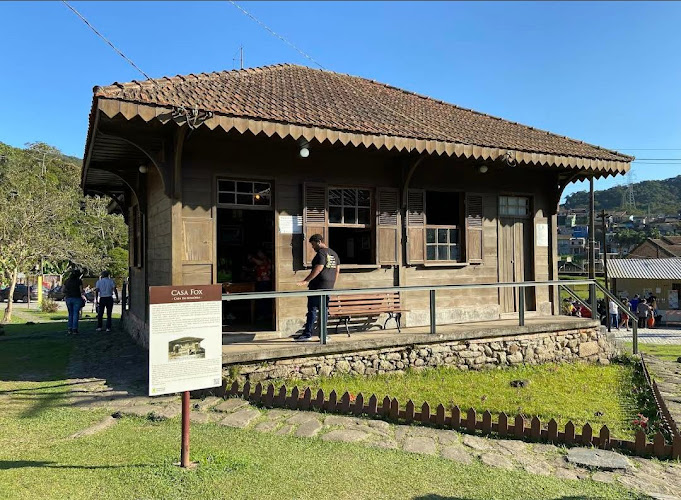
Casa Fox Paranapiacaba
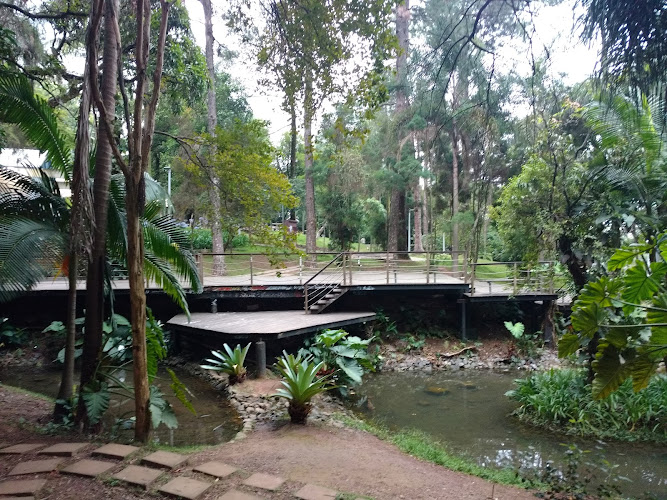
Celso Daniel Park
Find Accommodations Nearby
Recommended Tours & Activities
Visitor Reviews
There are no reviews yet. Be the first one to write one.
Share Your Experience
Have you visited Santo André? Help other travelers by leaving a review.