

Santa Maria do Monjolinho
About Santa Maria do Monjolinho
Description
Santa Maria do Monjolinho is a historical farm in São Carlos, Brazil, dating back to 1850. As one of the city’s most treasured attractions, the site has been recognized as a protected cultural landmark by CONDEPHAAT since 2007. Its preserved colonial-era architecture and rural landscape reflect the agricultural history of the state of São Paulo, when coffee production played a leading role in shaping both the economy and the lives of local inhabitants. Walking through the grounds feels like stepping into another century, with traces of the past carefully maintained so visitors can understand how the estate functioned during its prime.
While currently closed to the public due to the global pandemic, Santa Maria do Monjolinho continues to hold a special place in the collective memory of São Carlos. It has long been a space where travelers come to reflect on the intricate relationship between Brazil’s rural roots and its modern identity as a bustling center of innovation and education. Unlike some other preserved farms, this one emphasizes authenticity over polish. The brick buildings, old mills, and farming machinery still stand much as they did when the estate was active, which adds a certain raw charm that feels less staged than more commercialized attractions.
For many, a visit here is not just about history—it’s about atmosphere. Families would gather to enjoy homemade food, children would run among the open fields, and travelers from big cities would find in it a slower pace of life. Even though services are paused at present, the spirit of the place remains tied to these collective experiences. There is something grounding about being in a landmark that has weathered social and economic transformations yet still holds onto its cultural essence. And honestly, that’s what makes Santa Maria so memorable.
Key Features
- A historical coffee farm founded in 1850, showcasing Brazil’s agrarian past.
- Declared a cultural heritage site by CONDEPHAAT in 2007.
- Well-preserved colonial structures and rustic machinery still in place.
- Family-friendly environment with plenty of outdoor space.
- Wheelchair accessible restrooms for added convenience.
- Opportunities to learn about rural traditions and the socio-economic role of farms in the state.
- Formerly offered hearty farm-style food and meals that reflected the flavors of the countryside.
Best Time to Visit
In general, the region around São Carlos is welcoming year-round since the state of São Paulo enjoys a fairly mild climate. However, those who prefer cooler weather might enjoy visiting during Brazil’s winter months, typically from June to August. These months bring clear skies and crisp evenings that pair perfectly with strolling around historic farmland and exploring the rustic details. Meanwhile, spring—from September to November—is equally pleasant, when the countryside feels lively and green after seasonal rains. In the past, many visitors planned family days here during weekends and holidays, savoring food and leisure on open fields.
While the estate is temporarily closed, those planning future trips should consider aligning their visit with cultural events often celebrated in São Carlos. The city is known for its student life and university-driven festivals. Timing your visit around those dates can add another layer of experience to a trip, blending history at the farm with the energy of an academic city. And if you love photography like I do, golden light in late afternoons—dry-season or not—adds just the right dramatic touch to pictures of colonial buildings and wide landscapes.
How to Get There
Santa Maria do Monjolinho is located in the outskirts of São Carlos, a city in the interior of the state of São Paulo. São Carlos itself is about a three-hour drive from the state capital, São Paulo city. Most travelers reach it either by car or intercity bus since the region is well-connected by highways. Renting a car is often the easiest option because off-the-beaten-path attractions like this farm require flexibility to reach. The drive from São Paulo passes through scenic countryside that gives you a preview of the rural heritage that the farm embodies.
Some visitors also arrive from other nearby cities such as Araraquara or Ribeirão Preto, making São Carlos a central meeting point in the interior. If coming from northern states or further south, flying into Ribeirão Preto (about an hour away by road) can be a good shortcut. Once in São Carlos, local taxis or ride-hailing services are generally available, though a private car is the more reliable choice. And if you’re the type who enjoys detours, the surrounding region also offers other small-town experiences and natural spaces worth adding to your itinerary.
Tips for Visiting
For those looking forward to planning a future trip, keep in mind a few suggestions that can make the experience richer and more comfortable:
- Check reopening details: Because the estate is currently closed, always confirm ahead of time whether it has resumed visitor operations.
- Bring cash or cards: Debit cards are accepted, but it’s still handy to carry a little cash for smaller purchases or rural settings where machines might not always work.
- Prepare for walking: The grounds are expansive, so wear comfortable shoes and expect some uneven terrain.
- Slow down: The real magic here is not rushing—take your time to absorb the historical ambiance, especially the preserved equipment and structures.
- Plan for kids: The open areas perfectly suit children, making it easy for families to spend an entire day exploring.
- Sample local flavors: When it reopens, don’t miss any opportunities to try traditional countryside food. In rural Brazil, meals are often prepared with time-honored recipes, heavy on flavor and homestyle cooking.
- Combine with nearby attractions: São Carlos is a university city with museums and parks worth seeing, so consider creating a balanced itinerary mixing culture, history, and leisure.
One final thought—Santa Maria do Monjolinho stands out not because it overwhelms visitors with grandeur, but because it invites them to step back into a slower rhythm of life. If you’ve ever felt the urge to disconnect from urban rush and reconnect with a more grounded perspective, this is the kind of destination that lingers in your memory long after the visit ends.
Key Features
- A historical coffee farm founded in 1850, showcasing Brazil’s agrarian past.
- Declared a cultural heritage site by CONDEPHAAT in 2007.
- Well-preserved colonial structures and rustic machinery still in place.
- Family-friendly environment with plenty of outdoor space.
- Wheelchair accessible restrooms for added convenience.
- Opportunities to learn about rural traditions and the socio-economic role of farms in the state.
- Formerly offered hearty farm-style food and meals that reflected the flavors of the countryside.
More Details
Updated October 2, 2025
Table of Contents
Description
Santa Maria do Monjolinho is a historical farm in São Carlos, Brazil, dating back to 1850. As one of the city’s most treasured attractions, the site has been recognized as a protected cultural landmark by CONDEPHAAT since 2007. Its preserved colonial-era architecture and rural landscape reflect the agricultural history of the state of São Paulo, when coffee production played a leading role in shaping both the economy and the lives of local inhabitants. Walking through the grounds feels like stepping into another century, with traces of the past carefully maintained so visitors can understand how the estate functioned during its prime.
While currently closed to the public due to the global pandemic, Santa Maria do Monjolinho continues to hold a special place in the collective memory of São Carlos. It has long been a space where travelers come to reflect on the intricate relationship between Brazil’s rural roots and its modern identity as a bustling center of innovation and education. Unlike some other preserved farms, this one emphasizes authenticity over polish. The brick buildings, old mills, and farming machinery still stand much as they did when the estate was active, which adds a certain raw charm that feels less staged than more commercialized attractions.
For many, a visit here is not just about history—it’s about atmosphere. Families would gather to enjoy homemade food, children would run among the open fields, and travelers from big cities would find in it a slower pace of life. Even though services are paused at present, the spirit of the place remains tied to these collective experiences. There is something grounding about being in a landmark that has weathered social and economic transformations yet still holds onto its cultural essence. And honestly, that’s what makes Santa Maria so memorable.
Key Features
- A historical coffee farm founded in 1850, showcasing Brazil’s agrarian past.
- Declared a cultural heritage site by CONDEPHAAT in 2007.
- Well-preserved colonial structures and rustic machinery still in place.
- Family-friendly environment with plenty of outdoor space.
- Wheelchair accessible restrooms for added convenience.
- Opportunities to learn about rural traditions and the socio-economic role of farms in the state.
- Formerly offered hearty farm-style food and meals that reflected the flavors of the countryside.
Best Time to Visit
In general, the region around São Carlos is welcoming year-round since the state of São Paulo enjoys a fairly mild climate. However, those who prefer cooler weather might enjoy visiting during Brazil’s winter months, typically from June to August. These months bring clear skies and crisp evenings that pair perfectly with strolling around historic farmland and exploring the rustic details. Meanwhile, spring—from September to November—is equally pleasant, when the countryside feels lively and green after seasonal rains. In the past, many visitors planned family days here during weekends and holidays, savoring food and leisure on open fields.
While the estate is temporarily closed, those planning future trips should consider aligning their visit with cultural events often celebrated in São Carlos. The city is known for its student life and university-driven festivals. Timing your visit around those dates can add another layer of experience to a trip, blending history at the farm with the energy of an academic city. And if you love photography like I do, golden light in late afternoons—dry-season or not—adds just the right dramatic touch to pictures of colonial buildings and wide landscapes.
How to Get There
Santa Maria do Monjolinho is located in the outskirts of São Carlos, a city in the interior of the state of São Paulo. São Carlos itself is about a three-hour drive from the state capital, São Paulo city. Most travelers reach it either by car or intercity bus since the region is well-connected by highways. Renting a car is often the easiest option because off-the-beaten-path attractions like this farm require flexibility to reach. The drive from São Paulo passes through scenic countryside that gives you a preview of the rural heritage that the farm embodies.
Some visitors also arrive from other nearby cities such as Araraquara or Ribeirão Preto, making São Carlos a central meeting point in the interior. If coming from northern states or further south, flying into Ribeirão Preto (about an hour away by road) can be a good shortcut. Once in São Carlos, local taxis or ride-hailing services are generally available, though a private car is the more reliable choice. And if you’re the type who enjoys detours, the surrounding region also offers other small-town experiences and natural spaces worth adding to your itinerary.
Tips for Visiting
For those looking forward to planning a future trip, keep in mind a few suggestions that can make the experience richer and more comfortable:
- Check reopening details: Because the estate is currently closed, always confirm ahead of time whether it has resumed visitor operations.
- Bring cash or cards: Debit cards are accepted, but it’s still handy to carry a little cash for smaller purchases or rural settings where machines might not always work.
- Prepare for walking: The grounds are expansive, so wear comfortable shoes and expect some uneven terrain.
- Slow down: The real magic here is not rushing—take your time to absorb the historical ambiance, especially the preserved equipment and structures.
- Plan for kids: The open areas perfectly suit children, making it easy for families to spend an entire day exploring.
- Sample local flavors: When it reopens, don’t miss any opportunities to try traditional countryside food. In rural Brazil, meals are often prepared with time-honored recipes, heavy on flavor and homestyle cooking.
- Combine with nearby attractions: São Carlos is a university city with museums and parks worth seeing, so consider creating a balanced itinerary mixing culture, history, and leisure.
One final thought—Santa Maria do Monjolinho stands out not because it overwhelms visitors with grandeur, but because it invites them to step back into a slower rhythm of life. If you’ve ever felt the urge to disconnect from urban rush and reconnect with a more grounded perspective, this is the kind of destination that lingers in your memory long after the visit ends.
Key Highlights
- A historical coffee farm founded in 1850, showcasing Brazil’s agrarian past.
- Declared a cultural heritage site by CONDEPHAAT in 2007.
- Well-preserved colonial structures and rustic machinery still in place.
- Family-friendly environment with plenty of outdoor space.
- Wheelchair accessible restrooms for added convenience.
- Opportunities to learn about rural traditions and the socio-economic role of farms in the state.
- Formerly offered hearty farm-style food and meals that reflected the flavors of the countryside.
Location
Places to Stay Near Santa Maria do Monjolinho
Find and Book a Tour
Explore More Travel Guides
No reviews found! Be the first to review!
Traveler Reviews for Santa Maria do Monjolinho
There are no reviews yet. Be the first one to write one.
Have you visited Santa Maria do Monjolinho? Help other travelers by sharing your review.
You Might Also Like
Carrefour Bairro Sao Carlos
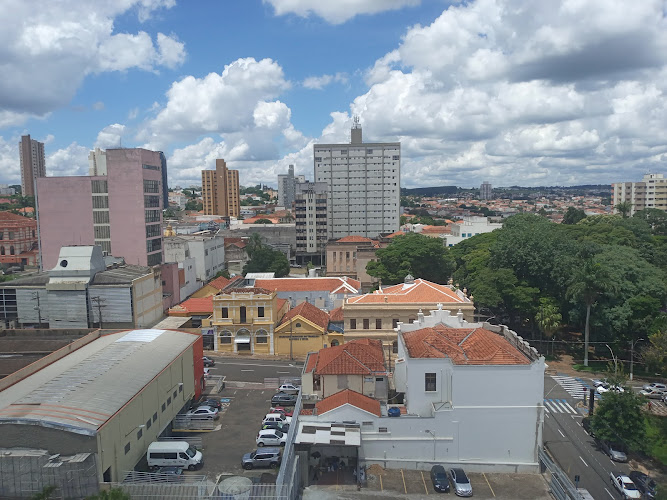
São Carlos
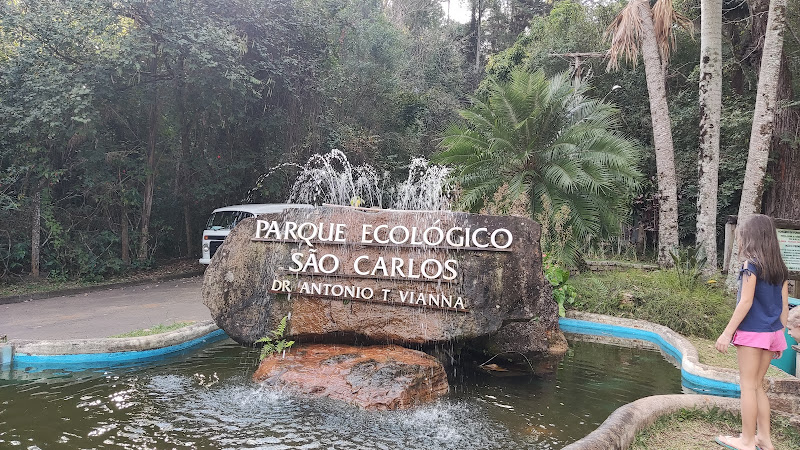
São Carlos Ecological Park
Find Accommodations Nearby
Recommended Tours & Activities
Visitor Reviews
There are no reviews yet. Be the first one to write one.
Share Your Experience
Have you visited Santa Maria do Monjolinho? Help other travelers by leaving a review.