
Cerrado da UfSCar
About Cerrado da UfSCar
Key Features
More Details
Updated April 15, 2024
## Cerrado da UFSCar: a Living Slice of Brazilian Savanna in São Carlos
Just a few kilometers from central São Carlos, the Cerrado da UFSCar protects a rare fragment of Brazil’s threatened savanna inside the campus of the Federal University of São Carlos. It’s small on the map but huge in ecological value: around 47 hectares that shelter roughly 167 plant species, about 300 bird species and at least 20 medium- and large-sized mammals.
For RealJourneyTravels readers planning time in the interior of São Paulo, this patch of protected land is one of the most interesting places to understand the Cerrado biome, join a guided walk, and see how a university turns nature into an outdoor classroom.
—
## Why the Cerrado da UFSCar Matters
### A rare Cerrado fragment inside the city
The Cerrado once covered vast swathes of central Brazil, but agricultural expansion and urban growth have erased much of it. Around São Carlos, remaining fragments are scarce, which makes the UFSCar area important both for conservation and research.
Within its boundaries you find:
– Typical Cerrado vegetation with twisted trees and shrubs adapted to drought and fire
– A spring and small dammed wetland with marsh plants
– A gallery forest protecting a small stream
– Open “campo sujo” grassland, including patches dominated by braquiária and other invasive grasses, plus some non-native Pinus trees that university teams actively monitor.
That variety of habitats in such a compact area explains the impressive species numbers and makes the site a hotspot for environmental education.
### An outdoor classroom for all ages
The best-known way to experience the area is via the Trilha da Natureza (“Nature Trail”), a guided walk of about 1.6–2 km.
Monitors lead small groups along the trail, encouraging visitors to use all five senses to notice smells, textures, bird calls, insect sounds, and subtle changes in vegetation. The project is maintained by volunteers, scholarship students, interns, and staff linked to UFSCar’s environmental education and sustainability departments.
Over its three decades of existence, the trail has received school groups, families, university students, and community visitors, always with the same goal: help people understand the Cerrado and why it needs protection.
If you’re planning a broader trip in the region, pair a morning here with other green spaces we cover in our São Carlos & interior of São Paulo nature guide for a nature-focused day.
—
## What You’ll See on the Trilha da Natureza
### 1. The Cerrado itself
Right at the start of the walk, you enter classic Cerrado sensu stricto vegetation:
– Gnarled trees with thick bark
– Shrubs with small, tough leaves
– Grasses between the woody plants
Interpretive stops usually highlight how these plants cope with seasonal drought, poor soils, and natural fire regimes, key themes in Cerrado ecology.
Birdwatchers often look for common Cerrado birds; exact species lists change over time, but the high overall diversity is well documented in university surveys.
### 2. Wetland and gallery forest
Further along, the trail reaches a spring and small reservoir, with vegetation typical of wetter environments, followed by a stretch of gallery forest along a protected stream.
Here the shade increases, the air cools, and you’ll notice:
– Taller trees forming a partial canopy
– Ferns, climbers, and moisture-loving plants
– More intense bird and insect sounds
Guides often contrast this lush corridor with the more open Cerrado, showing how water availability reshapes the plant community over just a few meters.
### 3. Human pressures and invasive species
One of the strengths of the UFSCar project is that it doesn’t pretend the landscape is untouched. Panels and activities explain how nearby roads, fields, and urban areas influence the fragment and how invasive plants such as Urochloa (braquiária), capim-gordura, and Pinus species create management challenges for conservation teams.
This honest look at disturbance makes the place particularly useful if you’re interested in restoration ecology or simply want to see how conservation works in practice, not just in theory.
—
## Inclusive Environmental Education
The Cerrado da UFSCar is also known for hosting inclusive activities. Research and university reports describe specific environmental education experiences designed with and for visitors with visual and physical disabilities, using tactile materials, sound-based cues, and carefully adapted routes.
In recent years, the Trilha da Natureza project has also:
– Participated in events about climate change education, exploring how students perceive climate risks when they are physically immersed in the Cerrado.
– Offered guided visits and workshops for children and adults during school holidays, often free of charge.
– Hosted themed walks focused on well-being and meditative experiences in nature, reinforcing the mental-health dimension of green spaces.
For readers interested in accessible travel, this makes the Cerrado da UFSCar stand out among Brazilian university campuses.
—
## Research in the Cerrado: From Birds to Bats
Because the area sits inside an active university campus, it also serves as a field laboratory. Academic work has used the fragment to study:
– Environmental education outcomes for school groups
– The role of small green fragments in urban conservation
– Night-time walks that help demystify bats and highlight their ecological importance, using the Cerrado da UFSCar as a case study.
You don’t have to be a scientist to appreciate this, but knowing that your walk passes through a site used for long-term studies adds depth to the experience.
If you’re mapping out more science-focused travel across the country, check our guide to Brazil’s under-the-radar nature reserves and university ecological stations for similar experiences.
—
## Planning Your Visit
### Location and context
– Coordinates (approx.): -21.97636, -47.86911
– City: São Carlos, State of São Paulo, Brazil
– Setting: Within and around the campus of the Federal University of São Carlos (UFSCar), with access typically organized via the Trilha da Natureza project.
### Access and guided visits
Available information shows that:
– The trail is normally visited with guides/monitors, not as an entirely free-roaming hiking area.
– Activities have recently included open visits, children’s workshops, and special themed walks, usually free and publicized on official university and project channels.
> Important: Schedules, meeting points, and access rules can change, especially after 2024. Always confirm the latest information through UFSCar’s official website, the Trilha da Natureza Facebook/Instagram pages, or local tourism channels before you go.
Because this is a conservation area used for research and education, last-minute changes (for example, due to fire risk or maintenance work) are possible.
### What to bring
Even though the trail is relatively short, treat it as a proper outdoor walk in a savanna environment:
– Closed, comfortable walking shoes
– Lightweight long sleeves and trousers for sun and insect protection
– Hat, sunscreen, and reusable water bottle
– Insect repellent, especially in the wetter months
– Binoculars or a camera if you’re into birdwatching
Local regulations for items such as snacks or picnics may apply; follow all instructions from guides to avoid attracting wildlife or leaving waste.
—
## Visiting Responsibly
The Cerrado da UFSCar exists primarily as a conservation and education site, not as a conventional park. A few simple principles help keep it that way:
– Stay on the trail: Off-trail shortcuts damage fragile soils and vegetation roots.
– Do not remove plants, seeds, or animals: Even small collections add up over time.
– Avoid feeding wildlife: It alters natural behavior and can harm animals.
– Respect research areas and signage: Some plots or equipment in the field are part of ongoing studies.
– Follow inclusive-access guidance: If you are visiting with someone who has a disability, ask monitors about adaptations—they have experience running accessible activities.
These recommendations align with the management guidelines UFSCar has developed to regulate use and protection of the area.
—
## Is the Cerrado da UFSCar Right for Your Itinerary?
Choose this stop if you:
– Want to see authentic Cerrado landscapes in a controlled, educational setting
– Appreciate guided experiences that go beyond “just a walk”
– Are interested in conservation, climate change education, or inclusive environmental projects
– Are already visiting São Carlos for study, work, or to explore interior São Paulo
For RealJourneyTravels readers who like to understand the story behind the landscape, the Cerrado da UFSCar delivers a compact but rich view of Brazil’s savanna—along with a clear message: even relatively small green fragments can play a big role in biodiversity protection, environmental education, and community well-being.
Before finalizing your plans, remember that event calendars, access days, and on-site conditions may have changed after the latest sources (2023–2024). Double-check everything through UFSCar’s official channels and local tourism information so your visit aligns with current rules and conservation needs.
Table of Contents
Key Highlights
Cerrado da UfSCar
Location
Places to Stay Near Cerrado da UfSCar
Find and Book a Tour
Explore More Travel Guides
No reviews found! Be the first to review!
Traveler Reviews for Cerrado da UfSCar
There are no reviews yet. Be the first one to write one.
Have you visited Cerrado da UfSCar? Help other travelers by sharing your review.
You Might Also Like
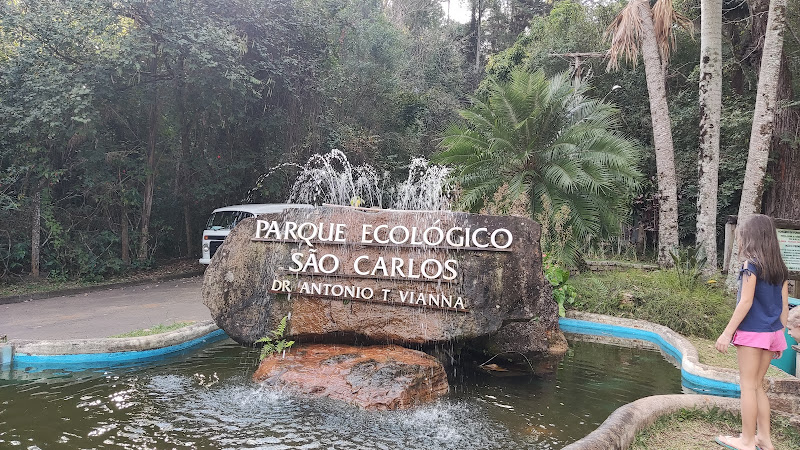
São Carlos Ecological Park

Santa Maria do Monjolinho

Hotel Nacional Inn São Carlos
Find Accommodations Nearby
Recommended Tours & Activities
Visitor Reviews
There are no reviews yet. Be the first one to write one.
Share Your Experience
Have you visited Cerrado da UfSCar? Help other travelers by leaving a review.