
Sanghol Buddhist Archaeological Museum
About Sanghol Buddhist Archaeological Museum
Description
The Sanghol Buddhist Archaeological Museum in Punjab is one of those places that quietly surprises you. At first glance, it may look like just another regional museum, but once you step inside, you realize it’s a window into centuries of history. The collection here spans from the late Harappan period all the way to the flourishing Buddhist settlements that once thrived in this part of India. You’ll find terracotta figurines, pottery, beads, and even intricate stone sculptures that once adorned monasteries and stupas. It’s not a flashy museum, but that’s part of the charm—it feels authentic, like you’re being let in on a secret chapter of history that isn’t always in the textbooks.
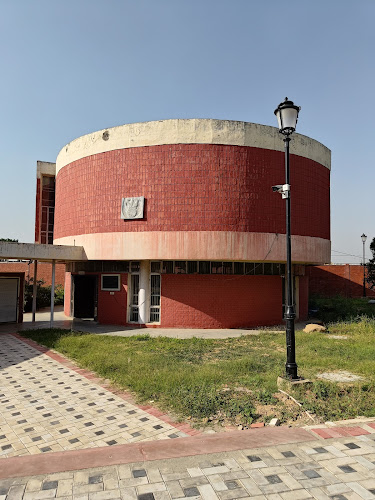
Visitors often comment on how well-maintained the museum is, and I’d agree. The building itself, inaugurated in 1990, has a simple, functional design that doesn’t distract from the artifacts. The atmosphere is calm, almost meditative, which feels fitting given the Buddhist heritage on display. It’s also worth noting that the museum is accessible—wheelchair-friendly entrances, restrooms, and parking make it welcoming for all kinds of travelers. Families with kids often find it engaging too, since the exhibits are visually striking and spark curiosity without being overwhelming.
Now, is it perfect? Not quite. Some travelers feel the museum could benefit from more interactive displays or detailed descriptions in English. And yes, if you’re expecting a massive, high-tech museum like you’d find in a big city, you might walk away underwhelmed. But if you appreciate history in its raw, unpolished form, Sanghol will leave a lasting impression. Personally, I think the quiet simplicity here makes it more memorable than some of the crowded, over-commercialized attractions I’ve visited elsewhere.
Key Features
- Artifacts from the late Harappan period, including pottery, terracotta beads, figurines, and copper tools
- Stone sculptures and relics from Buddhist monasteries and stupas dating back to the 1st–2nd century CE
- Well-preserved archaeological finds displayed in a clear and organized layout
- Wheelchair accessible facilities including entrance, parking, and restrooms
- Peaceful environment ideal for slow exploration and reflection
- Kid-friendly exhibits that are visually engaging without being overwhelming
Best Time to Visit
If you’re planning a trip, the cooler months from October to March are the most comfortable. Punjab summers can be brutally hot, and wandering through exhibits while sweating buckets isn’t exactly fun. Winter mornings here have a crispness in the air that makes walking around the grounds and then stepping into the museum halls feel refreshing. I once visited in February, and the weather was perfect for lingering without rushing. Monsoon season can be unpredictable, though the greenery around the museum does look lush after the rains. Still, for a smooth trip, stick to late autumn or winter.
How to Get There
The museum is located in the village of Sanghol in Fatehgarh Sahib district, Punjab. It’s about halfway between Chandigarh and Ludhiana, making it an easy stop if you’re traveling along that route. The most convenient way to reach is by road—either by hiring a taxi or driving yourself. The drive through Punjab’s countryside is actually quite pleasant, with mustard fields stretching out on either side during the right season. Public buses do run in the area, but they can be slow and a bit confusing if you’re not familiar with the local system. For those flying in, Chandigarh Airport is the nearest major hub, and from there it’s roughly a 60–70 minute drive depending on traffic.
Tips for Visiting
First off, give yourself at least an hour or two here. The museum isn’t massive, but rushing through would mean missing out on the details that make it special. Carry a bottle of water—there’s no restaurant inside, and options nearby are limited. Also, photography rules can vary, so it’s best to check with the staff before snapping pictures. I made the mistake of assuming it was fine everywhere, only to get a polite but firm reminder in one of the galleries.
If you’re traveling with kids, prepare to answer a lot of “what’s this?” questions—the exhibits really do spark curiosity. And if you’re someone who likes context, maybe read up a little on the history of Buddhism in Punjab before visiting; it’ll make the experience richer. Lastly, don’t expect crowds. On weekdays, you might find yourself almost alone in the galleries, which honestly is a rare luxury in India’s tourist circuit. That quietness lets you connect with the artifacts in a way that’s hard to describe—almost like having a private conversation with history itself.
In the end, the Sanghol Buddhist Archaeological Museum isn’t about dazzling displays or high-tech gimmicks. It’s about authenticity, about standing in front of centuries-old relics and imagining the lives of the people who created them. If you’re the kind of traveler who enjoys digging beneath the surface of a place, this museum deserves a spot on your itinerary.
Key Features
- Artifacts from the late Harappan period, including pottery, terracotta beads, figurines, and copper tools
- Stone sculptures and relics from Buddhist monasteries and stupas dating back to the 1st–2nd century CE
- Well-preserved archaeological finds displayed in a clear and organized layout
- Wheelchair accessible facilities including entrance, parking, and restrooms
- Peaceful environment ideal for slow exploration and reflection
- Kid-friendly exhibits that are visually engaging without being overwhelming
More Details
Updated September 9, 2025
Table of Contents
- Description
- Key Features
- Best Time to Visit
- How to Get There
- Tips for Visiting
- Key Highlights
- Location
- Places to Stay Near Sanghol Buddhist Archaeological Museum
- Find and Book a Tour
- Explore More Travel Guides
- Nearby Places You Might Like
- Traveler Reviews for Sanghol Buddhist Archaeological Museum
- Share Your Experience
Description
The Sanghol Buddhist Archaeological Museum in Punjab is one of those places that quietly surprises you. At first glance, it may look like just another regional museum, but once you step inside, you realize it’s a window into centuries of history. The collection here spans from the late Harappan period all the way to the flourishing Buddhist settlements that once thrived in this part of India. You’ll find terracotta figurines, pottery, beads, and even intricate stone sculptures that once adorned monasteries and stupas. It’s not a flashy museum, but that’s part of the charm—it feels authentic, like you’re being let in on a secret chapter of history that isn’t always in the textbooks.
Visitors often comment on how well-maintained the museum is, and I’d agree. The building itself, inaugurated in 1990, has a simple, functional design that doesn’t distract from the artifacts. The atmosphere is calm, almost meditative, which feels fitting given the Buddhist heritage on display. It’s also worth noting that the museum is accessible—wheelchair-friendly entrances, restrooms, and parking make it welcoming for all kinds of travelers. Families with kids often find it engaging too, since the exhibits are visually striking and spark curiosity without being overwhelming.
Now, is it perfect? Not quite. Some travelers feel the museum could benefit from more interactive displays or detailed descriptions in English. And yes, if you’re expecting a massive, high-tech museum like you’d find in a big city, you might walk away underwhelmed. But if you appreciate history in its raw, unpolished form, Sanghol will leave a lasting impression. Personally, I think the quiet simplicity here makes it more memorable than some of the crowded, over-commercialized attractions I’ve visited elsewhere.
Key Features
- Artifacts from the late Harappan period, including pottery, terracotta beads, figurines, and copper tools
- Stone sculptures and relics from Buddhist monasteries and stupas dating back to the 1st–2nd century CE
- Well-preserved archaeological finds displayed in a clear and organized layout
- Wheelchair accessible facilities including entrance, parking, and restrooms
- Peaceful environment ideal for slow exploration and reflection
- Kid-friendly exhibits that are visually engaging without being overwhelming
Best Time to Visit
If you’re planning a trip, the cooler months from October to March are the most comfortable. Punjab summers can be brutally hot, and wandering through exhibits while sweating buckets isn’t exactly fun. Winter mornings here have a crispness in the air that makes walking around the grounds and then stepping into the museum halls feel refreshing. I once visited in February, and the weather was perfect for lingering without rushing. Monsoon season can be unpredictable, though the greenery around the museum does look lush after the rains. Still, for a smooth trip, stick to late autumn or winter.
How to Get There
The museum is located in the village of Sanghol in Fatehgarh Sahib district, Punjab. It’s about halfway between Chandigarh and Ludhiana, making it an easy stop if you’re traveling along that route. The most convenient way to reach is by road—either by hiring a taxi or driving yourself. The drive through Punjab’s countryside is actually quite pleasant, with mustard fields stretching out on either side during the right season. Public buses do run in the area, but they can be slow and a bit confusing if you’re not familiar with the local system. For those flying in, Chandigarh Airport is the nearest major hub, and from there it’s roughly a 60–70 minute drive depending on traffic.
Tips for Visiting
First off, give yourself at least an hour or two here. The museum isn’t massive, but rushing through would mean missing out on the details that make it special. Carry a bottle of water—there’s no restaurant inside, and options nearby are limited. Also, photography rules can vary, so it’s best to check with the staff before snapping pictures. I made the mistake of assuming it was fine everywhere, only to get a polite but firm reminder in one of the galleries.
If you’re traveling with kids, prepare to answer a lot of “what’s this?” questions—the exhibits really do spark curiosity. And if you’re someone who likes context, maybe read up a little on the history of Buddhism in Punjab before visiting; it’ll make the experience richer. Lastly, don’t expect crowds. On weekdays, you might find yourself almost alone in the galleries, which honestly is a rare luxury in India’s tourist circuit. That quietness lets you connect with the artifacts in a way that’s hard to describe—almost like having a private conversation with history itself.
In the end, the Sanghol Buddhist Archaeological Museum isn’t about dazzling displays or high-tech gimmicks. It’s about authenticity, about standing in front of centuries-old relics and imagining the lives of the people who created them. If you’re the kind of traveler who enjoys digging beneath the surface of a place, this museum deserves a spot on your itinerary.
Key Highlights
- Artifacts from the late Harappan period, including pottery, terracotta beads, figurines, and copper tools
- Stone sculptures and relics from Buddhist monasteries and stupas dating back to the 1st–2nd century CE
- Well-preserved archaeological finds displayed in a clear and organized layout
- Wheelchair accessible facilities including entrance, parking, and restrooms
- Peaceful environment ideal for slow exploration and reflection
- Kid-friendly exhibits that are visually engaging without being overwhelming
Location
Places to Stay Near Sanghol Buddhist Archaeological Museum
Find and Book a Tour
Explore More Travel Guides
No reviews found! Be the first to review!
Traveler Reviews for Sanghol Buddhist Archaeological Museum
There are no reviews yet. Be the first one to write one.
Have you visited Sanghol Buddhist Archaeological Museum? Help other travelers by sharing your review.
You Might Also Like
Suri Rabindra Sadan
Nandan Kanan Water Retreat
Mystic Woods
Find Accommodations Nearby
Recommended Tours & Activities
Visitor Reviews
There are no reviews yet. Be the first one to write one.
Share Your Experience
Have you visited Sanghol Buddhist Archaeological Museum? Help other travelers by leaving a review.