
Samar Archaeological Museum
About Samar Archaeological Museum
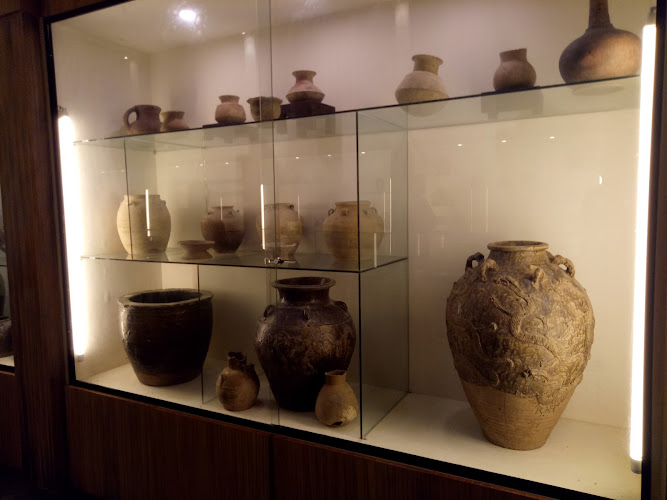
The Samar Archaeological Museum in Calbayog, Samar, Philippines presents a focused, quietly fascinating collection that tells long stories about island life, trade, and prehistoric human activity in the Eastern Visayas. Unlike bigger national museums that sometimes feel like they're trying too hard, this site moves at a human pace. The galleries are compact, the displays intentional, and the artifacts — pottery shards, stone tools, burial items, and occasional metalwork — feel like whispers from centuries gone by. A visitor who enjoys thinking about how people lived, traveled, and made meaning will find the museum oddly satisfying.
What makes the museum stand out is the way it connects archaeological finds to the present-day communities around Samar. Interpretive panels are clear, often bilingual, and grounded in local research. There are moments when the museum will surprise with the provenance of a single object — a piece of pottery that hints at trade networks, or a funerary item that reflects changing beliefs about death and ancestors. For travelers who like context, the museum does not just show objects; it tells how those objects were found, who found them, and what they reveal about daily life in the region over centuries.
The space is accessible and practical. There is a wheelchair-accessible entrance and a designated accessible parking area, which is not always a guarantee at smaller provincial museums, so that’s a real plus. Restrooms are available on site, but visitors should note there is no on-site restaurant, so plan meals accordingly. Families travel here with kids and generally find the exhibits engaging; hands-on displays are limited, but the scale and clarity of the artifacts make it easier to keep younger visitors curious rather than bored.
Staff are mostly local archaeologists and heritage workers, and they tend to be proud of the material under their care. They can be chatty if you ask questions, and they sometimes point out tiny details that most visitors would miss. The museum has a modest atmosphere, not flashy, and that suits the archaeology. It’s a place where nuance matters: conservation methods, excavation stories, occasional controversies over site protection. For those who relish peeling back layers of history, this museum rewards patience.
Key Features
- Carefully curated collections of prehistoric and historic artifacts, including pottery, lithics, and burial goods
- Interpretive panels explaining excavation contexts and cultural significance in clear, visitor-friendly language
- Wheelchair-accessible entrance and wheelchair-accessible parking lot for easier access
- On-site restrooms; no restaurant, so bring snacks or plan to eat nearby
- Family-friendly exhibits and educational content suitable for school groups and curious kids
- Knowledgeable local staff who can provide background on recent digs and conservation methods
- Photograph-friendly in many areas, though some artifacts may be behind glass or have flash restrictions
- Compact layout that makes it possible to explore thoroughly in one to two hours
- Nearby public transport options and short taxi/jeepney rides from central Calbayog
Best Time to Visit
The best time to visit the Samar Archaeological Museum is during the dry months when travel around Samar is easiest. Generally, mornings between opening time and late morning are calmer and cooler — good for those who want a relaxed visit without crowds. Weekdays tend to be quieter than weekends, which makes a difference if the visitor wants to linger over small displays or ask detailed questions without feeling rushed.
Avoiding the middle of the day during the hottest season is smart, especially because local streets and public transport can get slow and steamy. But if a traveler is in Calbayog for a festival or event, the museum can offer an invaluable cultural counterpoint: a moment to reflect on deeper histories while the town buzzes outside. The museum also serves as a reliable indoor activity on rainy days. It won’t take all day, but it will add depth to any itinerary focused on regional history or heritage tourism.
For those planning a family trip, visiting just before lunch tends to work well — kids can view the exhibits, then head off for a meal afterward without losing energy. For photography enthusiasts, diffused morning light filtering through museum windows often lends itself to better shots of display cases and panels without reflections. In short, aim for mornings, avoid peak heat, and schedule extra time if the visitor intends to speak to staff or join an informal tour.
How to Get There
Travelers heading to the Samar Archaeological Museum will usually base themselves in Calbayog city. The museum is within easy reach of the town center, meaning short jeepney or tricycle rides are typical for most visitors. Public transport in the area includes tricycles, jeepneys, and taxis; taxis are convenient for those carrying luggage or traveling with elders who prefer fewer transfers. For budget travelers, the jeepney network is affordable and the stops are close to central points, but expect some walking on uneven sidewalks.
If arriving by air, flights into Calbayog Airport reduce journey time considerably. From there, a short taxi ride will get a visitor to the city proper and onward to the museum. For those coming overland, regional buses link Calbayog to other parts of Samar and Leyte. Ferries and roll-on/roll-off services connect Samar with neighboring islands, offering options for travelers who prefer sea routes. Wherever one comes from, allow extra travel time for local traffic and the occasional delay; island life tends to run on a different clock than big cities, and that’s part of the charm, if one can be patient.
Parking is available and includes a wheelchair-accessible parking lot for visitors driving themselves. If a traveler prefers to use ride-hailing or taxi services, drivers in Calbayog are familiar with the museum and usually know the most convenient drop-off points. For those who like to walk, many hotels and guesthouses in the center are within a reasonable stroll, but again: expect sun and humidity, so dress accordingly and bring water.
Tips for Visiting
Plan for 60 to 120 minutes. The museum is compact and rewards a slow look, but it rarely requires a full day. Visitors who give themselves an hour can see most highlights comfortably; those who want to read all the labels, ask staff questions, or take non-flash photographs should allow two hours.
Bring water and snacks. Because there is no on-site restaurant, it’s smart to eat before arriving or plan to step out afterward. There are local eateries nearby that serve regional food; trying local dishes after a museum visit is a nice way to connect the past with the present. But remember to finish food outside the galleries — food and artifacts do not mix well.
Ask questions. The staff are a key part of the experience. If a visitor shows curiosity, the guides will often share excavation stories, point out conservation challenges, and sometimes even mention recent finds that are not yet on display. Those little conversations are where the museum’s human side shows up.
Take care with photography. Many sections allow photos without flash, but some sensitive artifacts will be behind glass or have specific rules. When in doubt, ask. A polite, short conversation can clear up restrictions and sometimes even result in permission to photograph from a better angle.
Mind the climate. The galleries are kept at conditions meant to protect objects, so it can be cooler than outside. Layering a light shirt or shawl makes a quick difference, especially for older visitors or children. And bring sunscreen for the walk from the parking area on hot days; shaded paths are not guaranteed.
Respect the labels and ropes. It seems obvious, but visitors occasionally get too close to fragile items. Treat displays like a little archaeological site: observe, read, and ask — but don’t touch. Conservation is an ongoing struggle and the museum staff work hard to keep the collection intact for future visitors.
Combine the visit with local history spots. The museum makes more sense when paired with a walk through certain historical neighborhoods or a visit to regional heritage sites. If a traveler is making a day of it, consider other cultural stops in Calbayog to round out a picture of the area’s past and present.
Plan for accessibility. The museum’s wheelchair-accessible entrance and parking lot are definite advantages for visitors with mobility needs. However, not every surrounding street or transport option will be fully adapted, so arranging transport that accommodates mobility aids in advance is recommended. Staff can often help coordinate accessible transport if asked ahead of time.
Bring kids and curiosity. Children can be surprisingly engaged by the simplicity of archaeological objects — a broken pot that once held rice, a stone tool that once cut fish. Encourage hands-on learning by asking them to imagine life in past centuries. The exhibits lend themselves to storytelling, and a little imagination turns labels into dialogues.
Support local heritage. If the museum offers publications or small guided walks, consider buying a booklet or joining a tour. The income supports conservation and local archaeology projects. Even small contributions of attention and respect help preserve this corner of Philippine history.
Finally, be patient and open. The Samar Archaeological Museum does not shout for attention, and that is its strength. It rewards thoughtful visitors more than hurried ones. For those willing to slow down, ask a few questions, and let modest objects tell their stories, the museum becomes an unexpectedly meaningful stop on a trip through the Philippines.
Key Features
- Carefully curated collections of prehistoric and historic artifacts, including pottery, lithics, and burial goods
- Interpretive panels explaining excavation contexts and cultural significance in clear, visitor-friendly language
- Wheelchair-accessible entrance and wheelchair-accessible parking lot for easier access
- On-site restrooms; no restaurant, so bring snacks or plan to eat nearby
- Family-friendly exhibits and educational content suitable for school groups and curious kids
- Knowledgeable local staff who can provide background on recent digs and conservation methods
- Photograph-friendly in many areas, though some artifacts may be behind glass or have flash restrictions
- Compact layout that makes it possible to explore thoroughly in one to two hours
You Might Also Like
100 Baloy Long Beach Rd
11th World Scout Jamboree Memorial Rotonda
3 Springs Mountain Park
Tours & Activities
GetYourGuide provides this tour inventory. We may earn a commission if you book through it; verify current availability, prices, and terms with the provider.
Visitor Reviews
There are no reviews yet. Be the first one to write one.
Share Your Experience
Have you visited Samar Archaeological Museum? Help other travelers by leaving a review.