
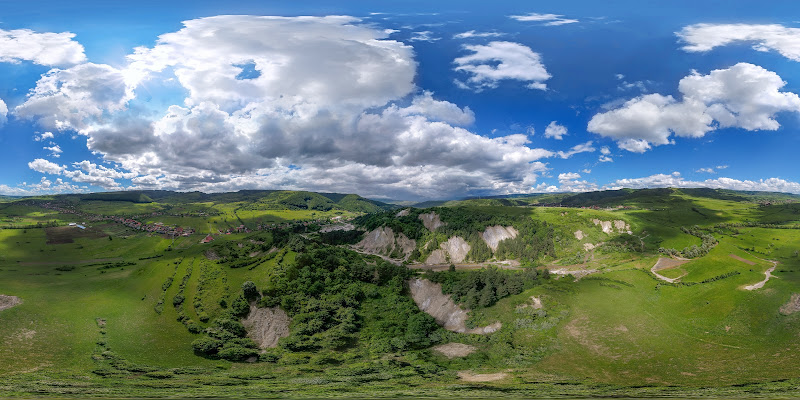
Salt Hill Nature Reserve
About Salt Hill Nature Reserve
Description
Salt Hill Nature Reserve is one of those hidden gems that'll make you wonder why you haven't heard of it before. I stumbled upon this remarkable 60-hectare natural wonder during my travels through Eastern Europe, and let me tell you - it's something special. The reserve's crown jewel is its stunning salt dome formation, rising to an impressive 576 meters above sea level. It's kinda wild to think that this massive natural salt structure has been here for millions of years, shaped by time and the elements.Key Features
• Unique geological formations with exposed salt cliffs that create an almost lunar-like landscape • Network of well-maintained hiking trails suitable for different fitness levels • Natural salt springs and small streams running through the reserve • Rich biodiversity with salt-tolerant plant species you won't find many other places • Spectacular viewpoints offering panoramic vistas of the surrounding valleys • Educational panels explaining the geological history and formation of the salt dome • Protected wildlife habitat supporting various local species • Natural salt caves and interesting rock formations • Family-friendly observation areas and resting spots • Several photography spots perfect for capturing the unique landscapeBest Time to Visit
From my experience, the best time to explore Salt Hill Nature Reserve is during late spring (April-May) or early autumn (September-October). The weather's just right - not too hot or cold - and the lighting is perfect for those Instagram-worthy shots of the salt formations. Summer can get pretty warm, and the white salt surfaces can be pretty intense under direct sunlight. Trust me, you'll want to bring sunglasses! Winter has its own charm, but some trails might be slippery or closed due to weather conditions.How to Get There
Y'know what's great about Salt Hill? It's actually pretty easy to reach. The reserve is accessible by both public transport and private vehicle. If you're driving, you'll find a decent-sized parking area at the main entrance. For those using public transport, regular buses run from nearby towns - just make sure to check the current schedule as they can change seasonally. And here's a pro tip: download an offline map before you go, as mobile reception can be a bit spotty in some areas of the reserve.Tips for Visiting
Alright, let me share some real talk from my visits here. First off, wear proper hiking shoes - the salt terrain can be uneven and sometimes slippery, especially after rain. Bring plenty of water (at least 2 liters per person) because there aren't many spots to refill your bottle. Pack some snacks too - you'll probably spend more time exploring than you initially planned! Sunscreen is absolutely essential, even on cloudy days. The salt surfaces reflect sunlight like crazy, and I learned that lesson the hard way on my first visit! Early morning or late afternoon visits are ideal for the best lighting and smaller crowds. Oh, and don't forget your camera - the way light plays off the salt formations creates some amazing photo opportunities. If you're bringing kids (which is totally fine - they usually love this place), keep an eye on them near the edges of formations. The paths are safe, but you know how curious little ones can get! Dogs are welcome, but they need to be leashed to protect the local wildlife and plant life. And here's something most guidebooks won't tell you - the colors and textures of the salt formations change dramatically with the weather. After rain, the white salt takes on beautiful patterns and striations that you might miss on a dry day. The reserve is also surprisingly peaceful early in the morning, making it perfect for nature photographers or anyone looking for a quiet moment of reflection. Lastly, while it's tempting to take a small piece of salt rock as a souvenir, remember that this is a protected area. Take only pictures and leave only footprints - future visitors will thank you for helping preserve this unique natural wonder!Key Features
- Key Features
- Best Time to Visit
- How to Get There
- Tips for Visiting
More Details
Updated June 23, 2025
Table of Contents
Description
Salt Hill Nature Reserve is one of those hidden gems that’ll make you wonder why you haven’t heard of it before. I stumbled upon this remarkable 60-hectare natural wonder during my travels through Eastern Europe, and let me tell you – it’s something special. The reserve’s crown jewel is its stunning salt dome formation, rising to an impressive 576 meters above sea level. It’s kinda wild to think that this massive natural salt structure has been here for millions of years, shaped by time and the elements.
Key Features
• Unique geological formations with exposed salt cliffs that create an almost lunar-like landscape
• Network of well-maintained hiking trails suitable for different fitness levels
• Natural salt springs and small streams running through the reserve
• Rich biodiversity with salt-tolerant plant species you won’t find many other places
• Spectacular viewpoints offering panoramic vistas of the surrounding valleys
• Educational panels explaining the geological history and formation of the salt dome
• Protected wildlife habitat supporting various local species
• Natural salt caves and interesting rock formations
• Family-friendly observation areas and resting spots
• Several photography spots perfect for capturing the unique landscape
Best Time to Visit
From my experience, the best time to explore Salt Hill Nature Reserve is during late spring (April-May) or early autumn (September-October). The weather’s just right – not too hot or cold – and the lighting is perfect for those Instagram-worthy shots of the salt formations. Summer can get pretty warm, and the white salt surfaces can be pretty intense under direct sunlight. Trust me, you’ll want to bring sunglasses! Winter has its own charm, but some trails might be slippery or closed due to weather conditions.
How to Get There
Y’know what’s great about Salt Hill? It’s actually pretty easy to reach. The reserve is accessible by both public transport and private vehicle. If you’re driving, you’ll find a decent-sized parking area at the main entrance. For those using public transport, regular buses run from nearby towns – just make sure to check the current schedule as they can change seasonally. And here’s a pro tip: download an offline map before you go, as mobile reception can be a bit spotty in some areas of the reserve.
Tips for Visiting
Alright, let me share some real talk from my visits here. First off, wear proper hiking shoes – the salt terrain can be uneven and sometimes slippery, especially after rain. Bring plenty of water (at least 2 liters per person) because there aren’t many spots to refill your bottle. Pack some snacks too – you’ll probably spend more time exploring than you initially planned!
Sunscreen is absolutely essential, even on cloudy days. The salt surfaces reflect sunlight like crazy, and I learned that lesson the hard way on my first visit! Early morning or late afternoon visits are ideal for the best lighting and smaller crowds. Oh, and don’t forget your camera – the way light plays off the salt formations creates some amazing photo opportunities.
If you’re bringing kids (which is totally fine – they usually love this place), keep an eye on them near the edges of formations. The paths are safe, but you know how curious little ones can get! Dogs are welcome, but they need to be leashed to protect the local wildlife and plant life.
And here’s something most guidebooks won’t tell you – the colors and textures of the salt formations change dramatically with the weather. After rain, the white salt takes on beautiful patterns and striations that you might miss on a dry day. The reserve is also surprisingly peaceful early in the morning, making it perfect for nature photographers or anyone looking for a quiet moment of reflection.
Lastly, while it’s tempting to take a small piece of salt rock as a souvenir, remember that this is a protected area. Take only pictures and leave only footprints – future visitors will thank you for helping preserve this unique natural wonder!
Key Highlights
- Key Features
- Best Time to Visit
- How to Get There
- Tips for Visiting
Location
Places to Stay Near Salt Hill Nature Reserve
Find and Book a Tour
Explore More Travel Guides
No reviews found! Be the first to review!
Traveler Reviews for Salt Hill Nature Reserve
There are no reviews yet. Be the first one to write one.
Have you visited Salt Hill Nature Reserve? Help other travelers by sharing your review.
You Might Also Like

Hotel Central

Mures Floodplain Natural Park
Honigberger-ház
Find Accommodations Nearby
Recommended Tours & Activities
Visitor Reviews
There are no reviews yet. Be the first one to write one.
Share Your Experience
Have you visited Salt Hill Nature Reserve? Help other travelers by leaving a review.