
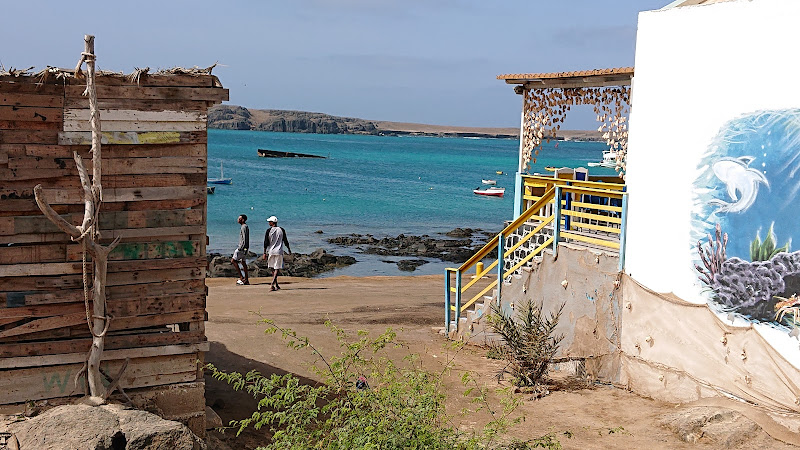
Sal Rei
About Sal Rei
Description
Sal Rei, the main town on the island of Boa Vista in Cape Verde, is the kind of place that sneaks up on you. At first glance, it seems quiet—almost sleepy—with its sandy streets, pastel-colored houses, and fishermen mending their nets along the shore. But spend a little time here, and you’ll see it’s got a rhythm all its own. The name “Sal Rei” literally means “Salt King,” a nod to the island’s past as a salt-trading hub. Today, it’s more about the sea breeze, the easy smiles of locals, and the feeling that you’ve stumbled onto a corner of the world that hasn’t been rushed by time.
Walking through town, you can still sense the echoes of its history. The colonial-era buildings, some faded and cracked by the ocean air, tell stories of Portuguese traders, sailors, and explorers who once passed through. The small harbor remains the lifeblood of the community—boats come and go, bringing in fresh fish and the occasional group of curious travelers. Life here feels simple, but not in a dull way. It’s the kind of simplicity that makes you slow down, take a deep breath, and just be present.
There’s a certain charm in how Sal Rei doesn’t try too hard. It’s not polished or overly commercialized, and that’s exactly what makes it special. You’ll find local kids playing soccer on the beach, old men chatting under the shade of palm trees, and cafés where the coffee is strong and the pace is slow. I remember sitting at one of those cafés one morning, watching the sunlight bounce off the turquoise water, thinking—this is what peace feels like.
Key Features
- Authentic Cape Verdean Culture: Sal Rei offers a glimpse into everyday island life, from its traditional music to its laid-back coastal lifestyle.
- Beautiful Beaches: The town is surrounded by long stretches of golden sand, including Praia de Estoril and Praia de Chaves—perfect for swimming, sunbathing, or just zoning out to the sound of waves.
- Local Cuisine: Fresh seafood dominates the menu—think grilled tuna, lobster, and the national dish, cachupa. You can’t go wrong with a seaside meal here.
- Historical Landmarks: The ruins of the old fort, Forte Duque de Bragança, sit on a small island just offshore, offering a glimpse of the town’s colonial past.
- Friendly Locals: The people of Sal Rei are warm and welcoming, often eager to share stories or invite you to join a local festival or dance.
- Outdoor Adventures: From windsurfing and kiteboarding to quad biking across Boa Vista’s dunes, there’s plenty to keep adrenaline seekers busy.
- Unspoiled Atmosphere: Despite growing tourism, Sal Rei still feels untouched—no massive resorts blocking the view, just open skies and ocean.
Best Time to Visit
Honestly, Sal Rei is one of those places that’s pleasant year-round, but if you want to make the most of your trip, the best time to visit is between November and June. During these months, the weather is warm but not too hot, the sea is calm, and the trade winds make the evenings feel just right. I once visited in February, and it was perfect—sunny days, cool nights, and just enough breeze to keep things comfortable.
July through October can bring slightly higher humidity and the occasional tropical rain shower, but even then, it’s rarely enough to ruin your plans. Plus, that’s when the island feels especially quiet, almost like you’ve got it all to yourself. If you’re into photography, the light during the early morning and late afternoon hours is pure magic—the kind that makes even a simple fishing boat look like a postcard.
How to Get There
Getting to Sal Rei is easier than it might seem. Most travelers fly into Aristides Pereira International Airport (BVC), located just a short drive from the town center. The airport connects Boa Vista to other Cape Verde islands like Santiago and Sal, as well as to a few international destinations in Europe. Once you land, taxis and private transfers are readily available, and some hotels even offer shuttle services.
If you’re already exploring Cape Verde, you can also reach Boa Vista by ferry from other islands, though schedules can be unpredictable. Personally, I’d recommend flying—it’s quicker and less hassle. The drive from the airport to Sal Rei takes about 10 minutes, and along the way, you’ll catch glimpses of the island’s desert-like landscapes and the deep blue Atlantic stretching endlessly on the horizon. It’s a short trip, but it sets the tone for the kind of calm adventure that awaits you.
Tips for Visiting
First things first—take it slow. Sal Rei isn’t the kind of place you rush through. The beauty of this town lies in its pace, so give yourself time to wander. Don’t just stick to the main beach; explore the smaller coves nearby, where you might find yourself completely alone except for a few seabirds. And if you’re lucky, you might even spot sea turtles nesting along the shore during the right season.
Bring cash. While some places accept cards, smaller restaurants and local shops often prefer escudos. It’s always good to have a bit of local currency on hand, especially if you’re planning to buy handmade crafts or fresh fruit from the market. Speaking of the market—go early. That’s when it’s most lively, and you’ll get the best pick of whatever’s fresh that day.
Another tip? Learn a few words of Portuguese or Creole. Even a simple “bom dia” (good morning) goes a long way here. Locals appreciate the effort, and it opens doors to more authentic interactions. I once got invited to a family barbecue just because I tried to order fish in broken Portuguese. Moments like that are what make travel memorable.
As for getting around, walking is perfectly fine within town, but if you want to explore beyond Sal Rei, consider renting a quad or a 4x4. The island’s terrain can be sandy and rugged, and having your own wheels gives you the freedom to chase sunsets or discover hidden beaches. Just make sure to bring sunscreen and a hat—the sun here doesn’t play around.
One more thing—don’t expect nightlife in the typical sense. There are a few bars where you can grab a drink and listen to live morna music, but Sal Rei’s evenings are more about quiet conversations and stargazing than partying. And honestly, that’s part of its charm. There’s something magical about sitting on the beach after dark, listening to the waves and feeling like you’re a million miles away from the noise of the world.
In short, Sal Rei is for travelers who value authenticity over luxury, peace over chaos, and connection over convenience. It’s not flashy, and it doesn’t pretend to be. But if you give it a chance, it’ll reward you with memories that linger long after you’ve left. The kind of place that makes you promise yourself—you’ll come back someday.
Key Features
- Key Features
- Best Time to Visit
- How to Get There
- Tips for Visiting
More Details
Updated December 1, 2025
Table of Contents
Description
Sal Rei, the main town on the island of Boa Vista in Cape Verde, is the kind of place that sneaks up on you. At first glance, it seems quiet—almost sleepy—with its sandy streets, pastel-colored houses, and fishermen mending their nets along the shore. But spend a little time here, and you’ll see it’s got a rhythm all its own. The name “Sal Rei” literally means “Salt King,” a nod to the island’s past as a salt-trading hub. Today, it’s more about the sea breeze, the easy smiles of locals, and the feeling that you’ve stumbled onto a corner of the world that hasn’t been rushed by time.
Walking through town, you can still sense the echoes of its history. The colonial-era buildings, some faded and cracked by the ocean air, tell stories of Portuguese traders, sailors, and explorers who once passed through. The small harbor remains the lifeblood of the community—boats come and go, bringing in fresh fish and the occasional group of curious travelers. Life here feels simple, but not in a dull way. It’s the kind of simplicity that makes you slow down, take a deep breath, and just be present.
There’s a certain charm in how Sal Rei doesn’t try too hard. It’s not polished or overly commercialized, and that’s exactly what makes it special. You’ll find local kids playing soccer on the beach, old men chatting under the shade of palm trees, and cafés where the coffee is strong and the pace is slow. I remember sitting at one of those cafés one morning, watching the sunlight bounce off the turquoise water, thinking—this is what peace feels like.
Key Features
- Authentic Cape Verdean Culture: Sal Rei offers a glimpse into everyday island life, from its traditional music to its laid-back coastal lifestyle.
- Beautiful Beaches: The town is surrounded by long stretches of golden sand, including Praia de Estoril and Praia de Chaves—perfect for swimming, sunbathing, or just zoning out to the sound of waves.
- Local Cuisine: Fresh seafood dominates the menu—think grilled tuna, lobster, and the national dish, cachupa. You can’t go wrong with a seaside meal here.
- Historical Landmarks: The ruins of the old fort, Forte Duque de Bragança, sit on a small island just offshore, offering a glimpse of the town’s colonial past.
- Friendly Locals: The people of Sal Rei are warm and welcoming, often eager to share stories or invite you to join a local festival or dance.
- Outdoor Adventures: From windsurfing and kiteboarding to quad biking across Boa Vista’s dunes, there’s plenty to keep adrenaline seekers busy.
- Unspoiled Atmosphere: Despite growing tourism, Sal Rei still feels untouched—no massive resorts blocking the view, just open skies and ocean.
Best Time to Visit
Honestly, Sal Rei is one of those places that’s pleasant year-round, but if you want to make the most of your trip, the best time to visit is between November and June. During these months, the weather is warm but not too hot, the sea is calm, and the trade winds make the evenings feel just right. I once visited in February, and it was perfect—sunny days, cool nights, and just enough breeze to keep things comfortable.
July through October can bring slightly higher humidity and the occasional tropical rain shower, but even then, it’s rarely enough to ruin your plans. Plus, that’s when the island feels especially quiet, almost like you’ve got it all to yourself. If you’re into photography, the light during the early morning and late afternoon hours is pure magic—the kind that makes even a simple fishing boat look like a postcard.
How to Get There
Getting to Sal Rei is easier than it might seem. Most travelers fly into Aristides Pereira International Airport (BVC), located just a short drive from the town center. The airport connects Boa Vista to other Cape Verde islands like Santiago and Sal, as well as to a few international destinations in Europe. Once you land, taxis and private transfers are readily available, and some hotels even offer shuttle services.
If you’re already exploring Cape Verde, you can also reach Boa Vista by ferry from other islands, though schedules can be unpredictable. Personally, I’d recommend flying—it’s quicker and less hassle. The drive from the airport to Sal Rei takes about 10 minutes, and along the way, you’ll catch glimpses of the island’s desert-like landscapes and the deep blue Atlantic stretching endlessly on the horizon. It’s a short trip, but it sets the tone for the kind of calm adventure that awaits you.
Tips for Visiting
First things first—take it slow. Sal Rei isn’t the kind of place you rush through. The beauty of this town lies in its pace, so give yourself time to wander. Don’t just stick to the main beach; explore the smaller coves nearby, where you might find yourself completely alone except for a few seabirds. And if you’re lucky, you might even spot sea turtles nesting along the shore during the right season.
Bring cash. While some places accept cards, smaller restaurants and local shops often prefer escudos. It’s always good to have a bit of local currency on hand, especially if you’re planning to buy handmade crafts or fresh fruit from the market. Speaking of the market—go early. That’s when it’s most lively, and you’ll get the best pick of whatever’s fresh that day.
Another tip? Learn a few words of Portuguese or Creole. Even a simple “bom dia” (good morning) goes a long way here. Locals appreciate the effort, and it opens doors to more authentic interactions. I once got invited to a family barbecue just because I tried to order fish in broken Portuguese. Moments like that are what make travel memorable.
As for getting around, walking is perfectly fine within town, but if you want to explore beyond Sal Rei, consider renting a quad or a 4×4. The island’s terrain can be sandy and rugged, and having your own wheels gives you the freedom to chase sunsets or discover hidden beaches. Just make sure to bring sunscreen and a hat—the sun here doesn’t play around.
One more thing—don’t expect nightlife in the typical sense. There are a few bars where you can grab a drink and listen to live morna music, but Sal Rei’s evenings are more about quiet conversations and stargazing than partying. And honestly, that’s part of its charm. There’s something magical about sitting on the beach after dark, listening to the waves and feeling like you’re a million miles away from the noise of the world.
In short, Sal Rei is for travelers who value authenticity over luxury, peace over chaos, and connection over convenience. It’s not flashy, and it doesn’t pretend to be. But if you give it a chance, it’ll reward you with memories that linger long after you’ve left. The kind of place that makes you promise yourself—you’ll come back someday.
Key Highlights
- Key Features
- Best Time to Visit
- How to Get There
- Tips for Visiting
Location
Places to Stay Near Sal Rei
Find and Book a Tour
Explore More Travel Guides
No reviews found! Be the first to review!
Traveler Reviews for Sal Rei
There are no reviews yet. Be the first one to write one.
Have you visited Sal Rei? Help other travelers by sharing your review.
You Might Also Like

Museu Dos Naufragos
Baobab Tour
Cabokaitours ️ ️
Find Accommodations Nearby
Recommended Tours & Activities
Visitor Reviews
There are no reviews yet. Be the first one to write one.
Share Your Experience
Have you visited Sal Rei? Help other travelers by leaving a review.