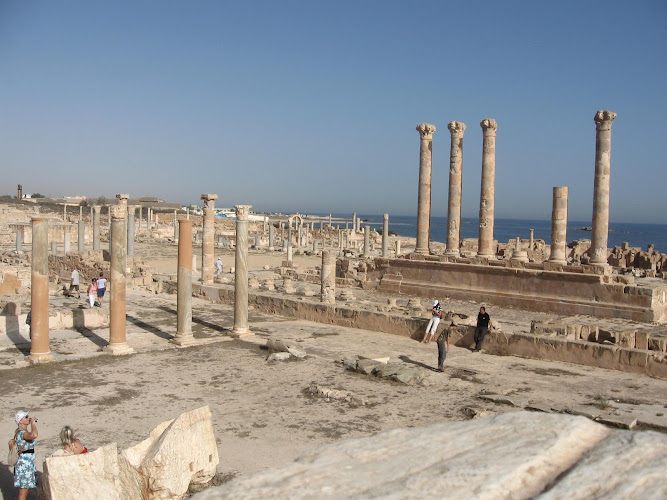
About Sabratah

Description

Sabratha stands as one of Libya's most remarkable archaeological treasures, representing the westernmost jewel of the ancient Roman Tripolis confederation. Located along the Mediterranean coastline approximately 70 kilometers west of modern Tripoli, this UNESCO World Heritage site offers travelers an extraordinary glimpse into the grandeur of Roman civilization in North Africa.

The ancient city flourished as a major trading hub between the 2nd and 3rd centuries CE, serving as a crucial link between the Roman Empire and sub-Saharan Africa. What makes Sabratha truly spectacular isn't just its historical significance—it's the incredible state of preservation that allows visitors to walk through streets that Roman citizens once traversed nearly two millennia ago.

The crown jewel of Sabratha is undoubtedly its magnificent theater, which ranks among the best-preserved Roman theaters in the world. But honestly, calling it just a "theater" feels like an understatement. This architectural masterpiece could seat around 5,000 spectators and features a three-story stage backdrop that'll leave you questioning how ancient builders achieved such engineering marvels without modern machinery.

Beyond the theater, the site encompasses an extensive urban layout complete with forums, temples, basilicas, and residential quarters. The Basilica of Justinian showcases Byzantine influence, while the Temple of Liber Pater demonstrates the religious diversity that characterized this cosmopolitan ancient city. And the mosaics? They're absolutely stunning—intricate geometric patterns and mythological scenes that have somehow survived centuries of weathering.

Key Features

Sabratha's archaeological landscape presents travelers with numerous fascinating elements that showcase different periods of ancient civilization:

  • The Roman Theater - A breathtaking three-story structure with elaborate carved decorations and remarkable acoustic properties that still function today
  • Basilica of Justinian - Byzantine-era religious architecture featuring distinctive architectural elements from the 6th century
  • Temple of Liber Pater - Roman religious complex dedicated to the god of wine and fertility, showcasing classical temple design
  • Ancient Forum - The commercial and political heart of Roman Sabratha, surrounded by columns and administrative buildings
  • Oceanus Mosaics - Intricate floor mosaics depicting sea gods and marine life, demonstrating exceptional Roman artistry
  • Punic Quarter - Earlier Phoenician settlements that predate Roman occupation, revealing layers of historical development
  • Roman Baths - Well-preserved thermae complex illustrating Roman bathing culture and social practices
  • Amphitheater ruins - Remnants of gladiatorial entertainment venues, though less preserved than the main theater
  • Ancient harbor remains - Traces of the port facilities that made Sabratha a crucial Mediterranean trading center
  • Residential quarters - Private homes with intact room layouts, courtyards, and domestic architectural features

Best Time to Visit

Timing your visit to Sabratha requires careful consideration of Libya's Mediterranean climate and the practical challenges of exploring an extensive archaeological site under the North African sun.

The optimal window falls between October and April, when temperatures remain comfortable for extended outdoor exploration. During these months, daytime temperatures typically range from 18-25°C (64-77°F), making it pleasant to spend several hours wandering through the ruins without feeling overwhelmed by heat.

November through February represents the sweet spot for most travelers. The weather stays mild, rainfall is minimal, and you'll avoid the intense summer heat that can make archaeological exploration quite challenging. I've heard from fellow travelers that visiting during these cooler months allows for much more thorough exploration—you can actually take your time reading informational plaques and appreciating architectural details without constantly seeking shade.

Spring months (March-April) offer another excellent opportunity, with wildflowers occasionally blooming around the ancient stones, creating quite a photogenic contrast. The lighting during these months is particularly beautiful for photography enthusiasts.

Summer visits (June-September) present significant challenges due to temperatures that frequently exceed 35°C (95°F). The Mediterranean sun can be relentless, and there's limited shade throughout the archaeological site. If summer travel is unavoidable, plan for very early morning visits—sunrise tours can be magical, but you'll want to finish exploring before 10 AM.

Winter months occasionally bring brief rain showers, but these are typically short-lived and can actually enhance the experience by settling dust and creating dramatic sky conditions for photography.

How to Get There

Reaching Sabratha requires some planning, particularly given Libya's current political situation and travel restrictions that affect international tourism.

Most international travelers begin their journey through Tripoli's Mitiga Airport, which serves as the primary entry point for visitors to western Libya. From Tripoli, Sabratha lies approximately 70 kilometers westward along the coastal road—a drive that typically takes about 1.5 hours under normal conditions.

The coastal highway connecting Tripoli to Sabratha offers scenic Mediterranean views, though road conditions can vary. Many visitors opt for organized tours departing from Tripoli, which handles transportation logistics and often includes knowledgeable local guides familiar with the site's history and current accessibility conditions.

Private car rental is theoretically possible, but international travelers should carefully research current security conditions and insurance requirements. The route passes through several checkpoints, and having proper documentation is essential.

Public transportation options exist but can be unpredictable and may not align well with tourist schedules. Shared taxis (service taxis) operate between Tripoli and towns near Sabratha, but these require flexibility and Arabic language skills for navigation.

For those staying in Tripoli, day trips represent the most practical approach. Several local tour operators offer half-day or full-day excursions that include transportation, site entry, and sometimes meals at nearby restaurants.

It's worth noting that current political conditions in Libya mean that travel arrangements can change rapidly, and staying updated on security advisories from your home country's foreign ministry is absolutely crucial before finalizing any travel plans.

Tips for Visiting

Exploring Sabratha successfully requires preparation and awareness of both the site's unique characteristics and Libya's current travel environment.

First and foremost, verify current entry requirements and security conditions well before traveling. Libya's political situation affects tourism infrastructure, and conditions can change quickly. Contact your embassy or consulate for the most recent travel advisories and registration requirements.

Bring plenty of water—more than you think you'll need. The archaeological site offers limited shade, and dehydration happens faster than expected under the Mediterranean sun. A wide-brimmed hat and high-SPF sunscreen are absolutely essential, not optional accessories.

Comfortable walking shoes with good grip are crucial since you'll be navigating ancient stone surfaces that can be uneven or slippery. Some areas have loose stones or worn steps that require careful footing.

Photography enthusiasts should pack extra batteries and memory cards, but also research current regulations regarding photography at archaeological sites. Rules can vary, and some areas may have restrictions.

Consider hiring a local guide familiar with Sabratha's history and layout. The site covers a large area, and having someone explain the significance of different structures greatly enhances the experience. Plus, local guides often know the best vantage points for photography and can share stories not found in guidebooks.

Pack a light lunch or snacks, as dining options near the site may be limited. Some visitors enjoy picnicking with views of the Mediterranean after exploring the ruins.

Respect the archaeological remains by staying on designated paths and not climbing on ancient structures. These monuments have survived nearly 2,000 years, and preserving them for future generations requires careful visitor behavior.

Plan for a minimum of 3-4 hours to properly explore the main areas, though archaeology enthusiasts could easily spend an entire day examining details and soaking in the atmosphere.

Finally, maintain flexibility in your schedule. Travel in Libya can involve unexpected delays or changes, and approaching your visit with patience and adaptability will result in a much more enjoyable experience.

Key Features

  • Key Features
  • Best Time to Visit
  • How to Get There
  • Tips for Visiting

More Details

Updated September 16, 2025

Description

Sabratha stands as one of Libya’s most remarkable archaeological treasures, representing the westernmost jewel of the ancient Roman Tripolis confederation. Located along the Mediterranean coastline approximately 70 kilometers west of modern Tripoli, this UNESCO World Heritage site offers travelers an extraordinary glimpse into the grandeur of Roman civilization in North Africa.

The ancient city flourished as a major trading hub between the 2nd and 3rd centuries CE, serving as a crucial link between the Roman Empire and sub-Saharan Africa. What makes Sabratha truly spectacular isn’t just its historical significance—it’s the incredible state of preservation that allows visitors to walk through streets that Roman citizens once traversed nearly two millennia ago.

The crown jewel of Sabratha is undoubtedly its magnificent theater, which ranks among the best-preserved Roman theaters in the world. But honestly, calling it just a “theater” feels like an understatement. This architectural masterpiece could seat around 5,000 spectators and features a three-story stage backdrop that’ll leave you questioning how ancient builders achieved such engineering marvels without modern machinery.

Beyond the theater, the site encompasses an extensive urban layout complete with forums, temples, basilicas, and residential quarters. The Basilica of Justinian showcases Byzantine influence, while the Temple of Liber Pater demonstrates the religious diversity that characterized this cosmopolitan ancient city. And the mosaics? They’re absolutely stunning—intricate geometric patterns and mythological scenes that have somehow survived centuries of weathering.

Key Features

Sabratha’s archaeological landscape presents travelers with numerous fascinating elements that showcase different periods of ancient civilization:

  • The Roman Theater – A breathtaking three-story structure with elaborate carved decorations and remarkable acoustic properties that still function today
  • Basilica of Justinian – Byzantine-era religious architecture featuring distinctive architectural elements from the 6th century
  • Temple of Liber Pater – Roman religious complex dedicated to the god of wine and fertility, showcasing classical temple design
  • Ancient Forum – The commercial and political heart of Roman Sabratha, surrounded by columns and administrative buildings
  • Oceanus Mosaics – Intricate floor mosaics depicting sea gods and marine life, demonstrating exceptional Roman artistry
  • Punic Quarter – Earlier Phoenician settlements that predate Roman occupation, revealing layers of historical development
  • Roman Baths – Well-preserved thermae complex illustrating Roman bathing culture and social practices
  • Amphitheater ruins – Remnants of gladiatorial entertainment venues, though less preserved than the main theater
  • Ancient harbor remains – Traces of the port facilities that made Sabratha a crucial Mediterranean trading center
  • Residential quarters – Private homes with intact room layouts, courtyards, and domestic architectural features

Best Time to Visit

Timing your visit to Sabratha requires careful consideration of Libya’s Mediterranean climate and the practical challenges of exploring an extensive archaeological site under the North African sun.

The optimal window falls between October and April, when temperatures remain comfortable for extended outdoor exploration. During these months, daytime temperatures typically range from 18-25°C (64-77°F), making it pleasant to spend several hours wandering through the ruins without feeling overwhelmed by heat.

November through February represents the sweet spot for most travelers. The weather stays mild, rainfall is minimal, and you’ll avoid the intense summer heat that can make archaeological exploration quite challenging. I’ve heard from fellow travelers that visiting during these cooler months allows for much more thorough exploration—you can actually take your time reading informational plaques and appreciating architectural details without constantly seeking shade.

Spring months (March-April) offer another excellent opportunity, with wildflowers occasionally blooming around the ancient stones, creating quite a photogenic contrast. The lighting during these months is particularly beautiful for photography enthusiasts.

Summer visits (June-September) present significant challenges due to temperatures that frequently exceed 35°C (95°F). The Mediterranean sun can be relentless, and there’s limited shade throughout the archaeological site. If summer travel is unavoidable, plan for very early morning visits—sunrise tours can be magical, but you’ll want to finish exploring before 10 AM.

Winter months occasionally bring brief rain showers, but these are typically short-lived and can actually enhance the experience by settling dust and creating dramatic sky conditions for photography.

How to Get There

Reaching Sabratha requires some planning, particularly given Libya’s current political situation and travel restrictions that affect international tourism.

Most international travelers begin their journey through Tripoli’s Mitiga Airport, which serves as the primary entry point for visitors to western Libya. From Tripoli, Sabratha lies approximately 70 kilometers westward along the coastal road—a drive that typically takes about 1.5 hours under normal conditions.

The coastal highway connecting Tripoli to Sabratha offers scenic Mediterranean views, though road conditions can vary. Many visitors opt for organized tours departing from Tripoli, which handles transportation logistics and often includes knowledgeable local guides familiar with the site’s history and current accessibility conditions.

Private car rental is theoretically possible, but international travelers should carefully research current security conditions and insurance requirements. The route passes through several checkpoints, and having proper documentation is essential.

Public transportation options exist but can be unpredictable and may not align well with tourist schedules. Shared taxis (service taxis) operate between Tripoli and towns near Sabratha, but these require flexibility and Arabic language skills for navigation.

For those staying in Tripoli, day trips represent the most practical approach. Several local tour operators offer half-day or full-day excursions that include transportation, site entry, and sometimes meals at nearby restaurants.

It’s worth noting that current political conditions in Libya mean that travel arrangements can change rapidly, and staying updated on security advisories from your home country’s foreign ministry is absolutely crucial before finalizing any travel plans.

Tips for Visiting

Exploring Sabratha successfully requires preparation and awareness of both the site’s unique characteristics and Libya’s current travel environment.

First and foremost, verify current entry requirements and security conditions well before traveling. Libya’s political situation affects tourism infrastructure, and conditions can change quickly. Contact your embassy or consulate for the most recent travel advisories and registration requirements.

Bring plenty of water—more than you think you’ll need. The archaeological site offers limited shade, and dehydration happens faster than expected under the Mediterranean sun. A wide-brimmed hat and high-SPF sunscreen are absolutely essential, not optional accessories.

Comfortable walking shoes with good grip are crucial since you’ll be navigating ancient stone surfaces that can be uneven or slippery. Some areas have loose stones or worn steps that require careful footing.

Photography enthusiasts should pack extra batteries and memory cards, but also research current regulations regarding photography at archaeological sites. Rules can vary, and some areas may have restrictions.

Consider hiring a local guide familiar with Sabratha’s history and layout. The site covers a large area, and having someone explain the significance of different structures greatly enhances the experience. Plus, local guides often know the best vantage points for photography and can share stories not found in guidebooks.

Pack a light lunch or snacks, as dining options near the site may be limited. Some visitors enjoy picnicking with views of the Mediterranean after exploring the ruins.

Respect the archaeological remains by staying on designated paths and not climbing on ancient structures. These monuments have survived nearly 2,000 years, and preserving them for future generations requires careful visitor behavior.

Plan for a minimum of 3-4 hours to properly explore the main areas, though archaeology enthusiasts could easily spend an entire day examining details and soaking in the atmosphere.

Finally, maintain flexibility in your schedule. Travel in Libya can involve unexpected delays or changes, and approaching your visit with patience and adaptability will result in a much more enjoyable experience.

Key Highlights

  • Key Features
  • Best Time to Visit
  • How to Get There
  • Tips for Visiting

Location

Places to Stay Near Sabratah

Find and Book a Tour

Explore More Travel Guides

No reviews found! Be the first to review!

Traveler Reviews for Sabratah

There are no reviews yet. Be the first one to write one.

Share Your Experience

Have you visited Sabratah? Help other travelers by sharing your review.

Find Accommodations Nearby

Recommended Tours & Activities

Visitor Reviews

There are no reviews yet. Be the first one to write one.

Share Your Experience

Have you visited Sabratah? Help other travelers by leaving a review.