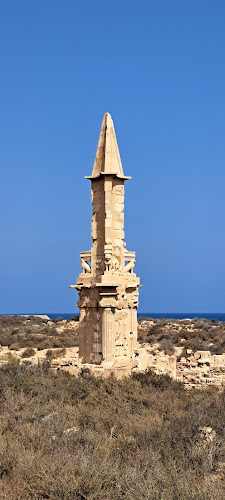
Punic Museum
About Punic Museum
Description
The Punic Museum is one of those places that sneaks up on you. At first glance, it looks like another quiet archaeological stop, but once inside, you realize it’s a treasure chest of stories from the ancient world. This museum is dedicated to the Punic era, a period often overshadowed by the Romans and Greeks, yet just as fascinating. The exhibits manage to strike a balance between scholarly depth and accessibility, making it a place where both history buffs and casual travelers can find something to latch onto. I remember wandering through the galleries and feeling like I had stumbled into a time capsule, with artifacts whispering about trade routes, rituals, and daily life from centuries ago.
What makes it stand out is the way it doesn’t overwhelm you. Some museums drown you in text-heavy panels and endless displays, but here, the layout feels digestible. You can take your time, linger over a carved stone or pottery shard, and actually imagine the hands that once held it. Families with kids will appreciate that it’s not too big or exhausting; the little ones can stay curious without getting cranky. Sure, not every single display is jaw-dropping, and a few corners feel a bit sparse, but that’s part of the charm—it’s authentic, not over-polished.
Key Features
- Authentic Punic artifacts including pottery, tools, and jewelry that highlight everyday life in the ancient world
- Interactive displays and clear explanations that make the history approachable
- Compact layout that allows visitors to explore without feeling rushed or overwhelmed
- Family-friendly environment where children can stay engaged without losing patience
- Quiet, reflective atmosphere that encourages slow exploration rather than hurried tourism
Best Time to Visit
If you ask me, mornings are the sweet spot. Arriving early means you can wander in relative peace before the larger tour groups roll in. The light filtering through in the morning gives the exhibits a softer glow, which somehow makes the artifacts feel even more timeless. Spring and autumn are ideal seasons—temperatures are comfortable, and you won’t be distracted by the heavy summer heat. I once visited in late summer, and while the museum itself was cool inside, stepping back out into the blazing sun made me wish I had timed it better. So yes, mornings in spring or fall, that’s the winning formula.
How to Get There
Getting to the Punic Museum is fairly straightforward, though it depends on where you’re starting from. If you’re staying nearby, a short taxi ride is the most convenient option—you’ll save time and avoid the hassle of navigating unfamiliar streets. For those who prefer public transport, local buses usually stop within walking distance, though you’ll want to check the schedules since they can be a bit unpredictable. Personally, I enjoy walking to spots like this when possible; it sets the mood, gives you a feel for the neighborhood, and builds anticipation as you approach. Just be sure to wear comfortable shoes, because cobbled streets and unexpected detours are almost guaranteed.
Tips for Visiting
Here’s the thing about this museum: to really enjoy it, you need to slow down. Don’t just breeze through snapping photos. Take a moment to read the captions, to imagine the people who crafted these objects. Bring a notebook if you’re the kind who likes jotting down thoughts—you’ll be surprised what connections pop up when you’re face-to-face with history.
For families, pack a few snacks for afterward. The museum itself isn’t overwhelming, but kids always seem to get hungry right after finishing a cultural outing. If you’re into photography, keep in mind that lighting can be tricky in some sections, so a steady hand (or patience) is your best friend. And here’s a small but valuable tip: ask the staff about their favorite pieces. They often have insights or stories that aren’t printed on the walls, and those little nuggets can make your visit feel more personal.
Lastly, give yourself permission to wander a bit outside the museum once you’re done. The surrounding area has its own quiet charm, and sometimes the walk after the visit is where everything you’ve seen really sinks in. It’s not the kind of place you rush through—it’s the kind you let linger in your memory.

Key Features
- Authentic Punic artifacts including pottery, tools, and jewelry that highlight everyday life in the ancient world
- Interactive displays and clear explanations that make the history approachable
- Compact layout that allows visitors to explore without feeling rushed or overwhelmed
- Family-friendly environment where children can stay engaged without losing patience
- Quiet, reflective atmosphere that encourages slow exploration rather than hurried tourism
More Details
Updated September 10, 2025
Table of Contents
Description
The Punic Museum is one of those places that sneaks up on you. At first glance, it looks like another quiet archaeological stop, but once inside, you realize it’s a treasure chest of stories from the ancient world. This museum is dedicated to the Punic era, a period often overshadowed by the Romans and Greeks, yet just as fascinating. The exhibits manage to strike a balance between scholarly depth and accessibility, making it a place where both history buffs and casual travelers can find something to latch onto. I remember wandering through the galleries and feeling like I had stumbled into a time capsule, with artifacts whispering about trade routes, rituals, and daily life from centuries ago.
What makes it stand out is the way it doesn’t overwhelm you. Some museums drown you in text-heavy panels and endless displays, but here, the layout feels digestible. You can take your time, linger over a carved stone or pottery shard, and actually imagine the hands that once held it. Families with kids will appreciate that it’s not too big or exhausting; the little ones can stay curious without getting cranky. Sure, not every single display is jaw-dropping, and a few corners feel a bit sparse, but that’s part of the charm—it’s authentic, not over-polished.
Key Features
- Authentic Punic artifacts including pottery, tools, and jewelry that highlight everyday life in the ancient world
- Interactive displays and clear explanations that make the history approachable
- Compact layout that allows visitors to explore without feeling rushed or overwhelmed
- Family-friendly environment where children can stay engaged without losing patience
- Quiet, reflective atmosphere that encourages slow exploration rather than hurried tourism
Best Time to Visit
If you ask me, mornings are the sweet spot. Arriving early means you can wander in relative peace before the larger tour groups roll in. The light filtering through in the morning gives the exhibits a softer glow, which somehow makes the artifacts feel even more timeless. Spring and autumn are ideal seasons—temperatures are comfortable, and you won’t be distracted by the heavy summer heat. I once visited in late summer, and while the museum itself was cool inside, stepping back out into the blazing sun made me wish I had timed it better. So yes, mornings in spring or fall, that’s the winning formula.
How to Get There
Getting to the Punic Museum is fairly straightforward, though it depends on where you’re starting from. If you’re staying nearby, a short taxi ride is the most convenient option—you’ll save time and avoid the hassle of navigating unfamiliar streets. For those who prefer public transport, local buses usually stop within walking distance, though you’ll want to check the schedules since they can be a bit unpredictable. Personally, I enjoy walking to spots like this when possible; it sets the mood, gives you a feel for the neighborhood, and builds anticipation as you approach. Just be sure to wear comfortable shoes, because cobbled streets and unexpected detours are almost guaranteed.
Tips for Visiting
Here’s the thing about this museum: to really enjoy it, you need to slow down. Don’t just breeze through snapping photos. Take a moment to read the captions, to imagine the people who crafted these objects. Bring a notebook if you’re the kind who likes jotting down thoughts—you’ll be surprised what connections pop up when you’re face-to-face with history.
For families, pack a few snacks for afterward. The museum itself isn’t overwhelming, but kids always seem to get hungry right after finishing a cultural outing. If you’re into photography, keep in mind that lighting can be tricky in some sections, so a steady hand (or patience) is your best friend. And here’s a small but valuable tip: ask the staff about their favorite pieces. They often have insights or stories that aren’t printed on the walls, and those little nuggets can make your visit feel more personal.
Lastly, give yourself permission to wander a bit outside the museum once you’re done. The surrounding area has its own quiet charm, and sometimes the walk after the visit is where everything you’ve seen really sinks in. It’s not the kind of place you rush through—it’s the kind you let linger in your memory.
Key Highlights
- Authentic Punic artifacts including pottery, tools, and jewelry that highlight everyday life in the ancient world
- Interactive displays and clear explanations that make the history approachable
- Compact layout that allows visitors to explore without feeling rushed or overwhelmed
- Family-friendly environment where children can stay engaged without losing patience
- Quiet, reflective atmosphere that encourages slow exploration rather than hurried tourism
Location
Places to Stay Near Punic Museum
Find and Book a Tour
Explore More Travel Guides
No reviews found! Be the first to review!
Traveler Reviews for Punic Museum
There are no reviews yet. Be the first one to write one.
Have you visited Punic Museum? Help other travelers by sharing your review.
Find Accommodations Nearby
Recommended Tours & Activities
Visitor Reviews
There are no reviews yet. Be the first one to write one.
Share Your Experience
Have you visited Punic Museum? Help other travelers by leaving a review.