
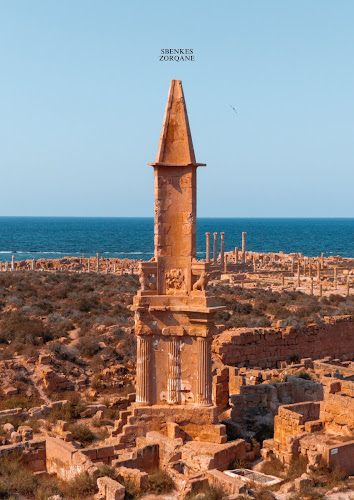
Mausoleum of Bes
About Mausoleum of Bes
Description
The Mausoleum of Bes stands as one of ancient Libya's most intriguing archaeological treasures, quietly waiting in the ruins of Sabratha for curious travelers who appreciate history that goes beyond the typical tourist trail. And honestly? That's exactly what makes this place so special.
Dating back to the 2nd century BC, this remarkable monument pays homage to Bes, the ancient Egyptian protective deity known for safeguarding families, children, and households. But here's where it gets really interesting - while the mausoleum bears the name of an Egyptian god, its architectural DNA tells a completely different story. The structure beautifully blends Punic and Hellenistic design elements, creating something that's uniquely North African yet universally captivating.
What struck me most about learning of this site is how it represents the incredible cultural melting pot that ancient Sabratha once was. You're looking at a monument that perfectly captures how civilizations borrowed, adapted, and created something entirely new from their interactions. The craftsmanship here isn't just about pretty stones stacked together - it's a testament to ancient architects who knew how to make a statement that would last over two millennia.
Families planning their visit will be pleased to know that the Mausoleum of Bes welcomes young explorers too. There's something magical about watching kids try to wrap their heads around structures that were ancient when their great-great-great (you get the idea) grandparents were around. The site offers an excellent opportunity for parents to spark their children's curiosity about different cultures and time periods.
The monument itself showcases intricate architectural details that reveal the artistic sophistication of its creators. Every carved element serves a purpose, whether decorative or symbolic, reflecting the deep reverence ancient peoples held for protective deities like Bes.
Key Features
The Mausoleum of Bes offers visitors several distinctive features that set it apart from other archaeological sites in the region:
- Unique architectural fusion - The structure combines Egyptian religious symbolism with Punic and Hellenistic design principles, creating a one-of-a-kind monument
- 2nd century BC origins - Dating back over 2,000 years, making it one of the older surviving structures in the area
- Dedication to protective deity Bes - Named after the Egyptian god associated with protection, pleasure, and childbirth
- Intricate stone carvings - Detailed craftsmanship that has survived remarkably well through the centuries
- Family-friendly exploration - The site is suitable for visitors of all ages, including children
- Integration with Sabratha's archaeological complex - Located within walking distance of theaters, temples, and other ancient structures
- Cultural significance - Represents the multicultural nature of ancient North African civilizations
- Photographic opportunities - The monument provides excellent subjects for both amateur and professional photographers
- Educational value - Guided tours offer deep insights into ancient religious practices and architectural techniques
Best Time to Visit
Planning your visit to the Mausoleum of Bes requires some strategic thinking about Libya's climate and your personal comfort preferences. The best months to explore this ancient wonder fall between November and March, when temperatures become much more manageable for extended outdoor exploration.
During these cooler months, daytime temperatures typically hover around 18-22°C (64-72°F), making it comfortable to spend several hours wandering through the archaeological site without feeling like you're melting into the ancient stones. But here's a pro tip from someone who's researched countless archaeological sites - even during the "cool" season, the North African sun can be surprisingly intense, especially when you're spending time among light-colored limestone structures that reflect heat.
Spring months (March to May) offer particularly pleasant conditions, though you might encounter occasional desert winds that can stir up dust. These winds aren't necessarily a deal-breaker, but they're something to consider if you're planning extensive photography or have respiratory sensitivities.
I'd strongly recommend avoiding the summer months (June through September) unless you're particularly heat-tolerant. Temperatures during this period can soar above 35°C (95°F), and exploring ancient ruins under the blazing Libyan sun isn't exactly what most people would call enjoyable. Plus, the intense heat can actually make it difficult to appreciate the finer architectural details that make this mausoleum so special.
Early morning visits work particularly well, regardless of the season. The soft morning light creates beautiful shadows that highlight the monument's carved details, and you'll have the site mostly to yourself before other visitors arrive. Late afternoon visits can also be rewarding, especially during winter months when the angle of the sun creates dramatic lighting effects.
How to Get There
Getting to the Mausoleum of Bes requires a bit of planning, but the journey is definitely worth the effort for anyone interested in authentic archaeological experiences. The monument is located within the ancient city of Sabratha, approximately 67 kilometers west of Tripoli along Libya's Mediterranean coast.
Most international visitors will fly into Tripoli's Mitiga International Airport, which serves as the primary gateway to this region of Libya. From the airport, you have several transportation options, though I'd recommend arranging your transport in advance rather than trying to figure it out upon arrival.
Private car hire with a driver represents the most comfortable and flexible option for reaching Sabratha. This approach allows you to travel at your own pace, make stops along the way, and have reliable transportation for your return journey. Many local tour operators offer day trips that include transportation to Sabratha along with guided exploration of the archaeological site.
The drive from Tripoli to Sabratha takes approximately 1.5 to 2 hours, depending on traffic conditions and your route. The coastal road offers some beautiful Mediterranean views, which makes the journey part of the experience rather than just a necessary evil.
Public transportation options exist but can be unpredictable in terms of scheduling and comfort levels. If you're comfortable with adventure travel and don't mind some uncertainty, local buses do run between Tripoli and Sabratha, though departure times can vary significantly.
Once you arrive in Sabratha, the Mausoleum of Bes is easily accessible within the larger archaeological complex. You'll need to purchase entrance tickets to the site, and from there it's just a matter of walking through the ancient city to locate the mausoleum among the other ruins.
Tips for Visiting
Visiting the Mausoleum of Bes successfully requires some practical preparation that goes beyond just showing up with a camera and good intentions. And trust me, a little planning makes the difference between a frustrating experience and an absolutely memorable one.
First things first - bring way more water than you think you'll need. The dry climate and physical activity of exploring ruins can dehydrate you faster than expected, even during cooler months. I always recommend at least 2 liters per person, plus extra if you're traveling with children who might not recognize their own thirst cues.
Sun protection is absolutely critical, regardless of when you visit. A wide-brimmed hat, high-SPF sunscreen, and lightweight long-sleeved clothing can save your skin from serious damage. The light-colored ancient stones reflect sunlight intensely, creating a sort of natural oven effect that can catch visitors off guard.
Comfortable walking shoes are non-negotiable. You'll be traversing uneven ancient surfaces, loose stones, and possibly sandy areas. Those cute sandals might look perfect for Mediterranean exploring, but your feet will thank you for choosing sturdy, closed-toe shoes with good grip.
Photography enthusiasts should bring extra battery packs and memory cards. The architectural details of the mausoleum, combined with the broader Sabratha site, provide countless photo opportunities. But don't spend your entire visit looking through a viewfinder - take time to actually experience the space with your own eyes.
Consider hiring a local guide if your budget allows. While you can certainly explore independently, knowledgeable guides offer insights into historical context, architectural significance, and cultural details that you'd likely miss otherwise. They can also help you navigate the site more efficiently and point out features that aren't immediately obvious.
Respect for the site is paramount. These structures have survived over 2,000 years, but they're still vulnerable to damage from careless visitors. Don't climb on the monuments, touch carved surfaces unnecessarily, or remove any artifacts (even small stones) as souvenirs.
Plan for at least half a day to properly explore both the Mausoleum of Bes and the surrounding Sabratha archaeological complex. Rushing through diminishes the experience significantly, and you'll want time to absorb the historical significance of what you're seeing.
Bring snacks and perhaps a light lunch, especially if you're visiting with children. There aren't many dining options immediately adjacent to the archaeological site, and exploring ancient ruins definitely works up an appetite. A small picnic can turn your visit into a more relaxed, enjoyable experience.
Finally, check current political and security conditions before traveling. Libya's situation can change, and staying informed about local conditions helps ensure your visit remains safe and enjoyable. Contact your embassy or consulate for the most current travel advisories and recommendations.
Key Features
- Key Features
- Best Time to Visit
- How to Get There
- Tips for Visiting
More Details
Updated September 16, 2025
Table of Contents
Description
The Mausoleum of Bes stands as one of ancient Libya’s most intriguing archaeological treasures, quietly waiting in the ruins of Sabratha for curious travelers who appreciate history that goes beyond the typical tourist trail. And honestly? That’s exactly what makes this place so special.
Dating back to the 2nd century BC, this remarkable monument pays homage to Bes, the ancient Egyptian protective deity known for safeguarding families, children, and households. But here’s where it gets really interesting – while the mausoleum bears the name of an Egyptian god, its architectural DNA tells a completely different story. The structure beautifully blends Punic and Hellenistic design elements, creating something that’s uniquely North African yet universally captivating.
What struck me most about learning of this site is how it represents the incredible cultural melting pot that ancient Sabratha once was. You’re looking at a monument that perfectly captures how civilizations borrowed, adapted, and created something entirely new from their interactions. The craftsmanship here isn’t just about pretty stones stacked together – it’s a testament to ancient architects who knew how to make a statement that would last over two millennia.
Families planning their visit will be pleased to know that the Mausoleum of Bes welcomes young explorers too. There’s something magical about watching kids try to wrap their heads around structures that were ancient when their great-great-great (you get the idea) grandparents were around. The site offers an excellent opportunity for parents to spark their children’s curiosity about different cultures and time periods.
The monument itself showcases intricate architectural details that reveal the artistic sophistication of its creators. Every carved element serves a purpose, whether decorative or symbolic, reflecting the deep reverence ancient peoples held for protective deities like Bes.
Key Features
The Mausoleum of Bes offers visitors several distinctive features that set it apart from other archaeological sites in the region:
- Unique architectural fusion – The structure combines Egyptian religious symbolism with Punic and Hellenistic design principles, creating a one-of-a-kind monument
- 2nd century BC origins – Dating back over 2,000 years, making it one of the older surviving structures in the area
- Dedication to protective deity Bes – Named after the Egyptian god associated with protection, pleasure, and childbirth
- Intricate stone carvings – Detailed craftsmanship that has survived remarkably well through the centuries
- Family-friendly exploration – The site is suitable for visitors of all ages, including children
- Integration with Sabratha’s archaeological complex – Located within walking distance of theaters, temples, and other ancient structures
- Cultural significance – Represents the multicultural nature of ancient North African civilizations
- Photographic opportunities – The monument provides excellent subjects for both amateur and professional photographers
- Educational value – Guided tours offer deep insights into ancient religious practices and architectural techniques
Best Time to Visit
Planning your visit to the Mausoleum of Bes requires some strategic thinking about Libya’s climate and your personal comfort preferences. The best months to explore this ancient wonder fall between November and March, when temperatures become much more manageable for extended outdoor exploration.
During these cooler months, daytime temperatures typically hover around 18-22°C (64-72°F), making it comfortable to spend several hours wandering through the archaeological site without feeling like you’re melting into the ancient stones. But here’s a pro tip from someone who’s researched countless archaeological sites – even during the “cool” season, the North African sun can be surprisingly intense, especially when you’re spending time among light-colored limestone structures that reflect heat.
Spring months (March to May) offer particularly pleasant conditions, though you might encounter occasional desert winds that can stir up dust. These winds aren’t necessarily a deal-breaker, but they’re something to consider if you’re planning extensive photography or have respiratory sensitivities.
I’d strongly recommend avoiding the summer months (June through September) unless you’re particularly heat-tolerant. Temperatures during this period can soar above 35°C (95°F), and exploring ancient ruins under the blazing Libyan sun isn’t exactly what most people would call enjoyable. Plus, the intense heat can actually make it difficult to appreciate the finer architectural details that make this mausoleum so special.
Early morning visits work particularly well, regardless of the season. The soft morning light creates beautiful shadows that highlight the monument’s carved details, and you’ll have the site mostly to yourself before other visitors arrive. Late afternoon visits can also be rewarding, especially during winter months when the angle of the sun creates dramatic lighting effects.
How to Get There
Getting to the Mausoleum of Bes requires a bit of planning, but the journey is definitely worth the effort for anyone interested in authentic archaeological experiences. The monument is located within the ancient city of Sabratha, approximately 67 kilometers west of Tripoli along Libya’s Mediterranean coast.
Most international visitors will fly into Tripoli’s Mitiga International Airport, which serves as the primary gateway to this region of Libya. From the airport, you have several transportation options, though I’d recommend arranging your transport in advance rather than trying to figure it out upon arrival.
Private car hire with a driver represents the most comfortable and flexible option for reaching Sabratha. This approach allows you to travel at your own pace, make stops along the way, and have reliable transportation for your return journey. Many local tour operators offer day trips that include transportation to Sabratha along with guided exploration of the archaeological site.
The drive from Tripoli to Sabratha takes approximately 1.5 to 2 hours, depending on traffic conditions and your route. The coastal road offers some beautiful Mediterranean views, which makes the journey part of the experience rather than just a necessary evil.
Public transportation options exist but can be unpredictable in terms of scheduling and comfort levels. If you’re comfortable with adventure travel and don’t mind some uncertainty, local buses do run between Tripoli and Sabratha, though departure times can vary significantly.
Once you arrive in Sabratha, the Mausoleum of Bes is easily accessible within the larger archaeological complex. You’ll need to purchase entrance tickets to the site, and from there it’s just a matter of walking through the ancient city to locate the mausoleum among the other ruins.
Tips for Visiting
Visiting the Mausoleum of Bes successfully requires some practical preparation that goes beyond just showing up with a camera and good intentions. And trust me, a little planning makes the difference between a frustrating experience and an absolutely memorable one.
First things first – bring way more water than you think you’ll need. The dry climate and physical activity of exploring ruins can dehydrate you faster than expected, even during cooler months. I always recommend at least 2 liters per person, plus extra if you’re traveling with children who might not recognize their own thirst cues.
Sun protection is absolutely critical, regardless of when you visit. A wide-brimmed hat, high-SPF sunscreen, and lightweight long-sleeved clothing can save your skin from serious damage. The light-colored ancient stones reflect sunlight intensely, creating a sort of natural oven effect that can catch visitors off guard.
Comfortable walking shoes are non-negotiable. You’ll be traversing uneven ancient surfaces, loose stones, and possibly sandy areas. Those cute sandals might look perfect for Mediterranean exploring, but your feet will thank you for choosing sturdy, closed-toe shoes with good grip.
Photography enthusiasts should bring extra battery packs and memory cards. The architectural details of the mausoleum, combined with the broader Sabratha site, provide countless photo opportunities. But don’t spend your entire visit looking through a viewfinder – take time to actually experience the space with your own eyes.
Consider hiring a local guide if your budget allows. While you can certainly explore independently, knowledgeable guides offer insights into historical context, architectural significance, and cultural details that you’d likely miss otherwise. They can also help you navigate the site more efficiently and point out features that aren’t immediately obvious.
Respect for the site is paramount. These structures have survived over 2,000 years, but they’re still vulnerable to damage from careless visitors. Don’t climb on the monuments, touch carved surfaces unnecessarily, or remove any artifacts (even small stones) as souvenirs.
Plan for at least half a day to properly explore both the Mausoleum of Bes and the surrounding Sabratha archaeological complex. Rushing through diminishes the experience significantly, and you’ll want time to absorb the historical significance of what you’re seeing.
Bring snacks and perhaps a light lunch, especially if you’re visiting with children. There aren’t many dining options immediately adjacent to the archaeological site, and exploring ancient ruins definitely works up an appetite. A small picnic can turn your visit into a more relaxed, enjoyable experience.
Finally, check current political and security conditions before traveling. Libya’s situation can change, and staying informed about local conditions helps ensure your visit remains safe and enjoyable. Contact your embassy or consulate for the most current travel advisories and recommendations.
Key Highlights
- Key Features
- Best Time to Visit
- How to Get There
- Tips for Visiting
Location
Places to Stay Near Mausoleum of Bes
Find and Book a Tour
Explore More Travel Guides
No reviews found! Be the first to review!
Traveler Reviews for Mausoleum of Bes
There are no reviews yet. Be the first one to write one.
Have you visited Mausoleum of Bes? Help other travelers by sharing your review.
You Might Also Like
Punic Museum
Isis Temple
Ancient Latrines
Find Accommodations Nearby
Recommended Tours & Activities
Visitor Reviews
There are no reviews yet. Be the first one to write one.
Share Your Experience
Have you visited Mausoleum of Bes? Help other travelers by leaving a review.