
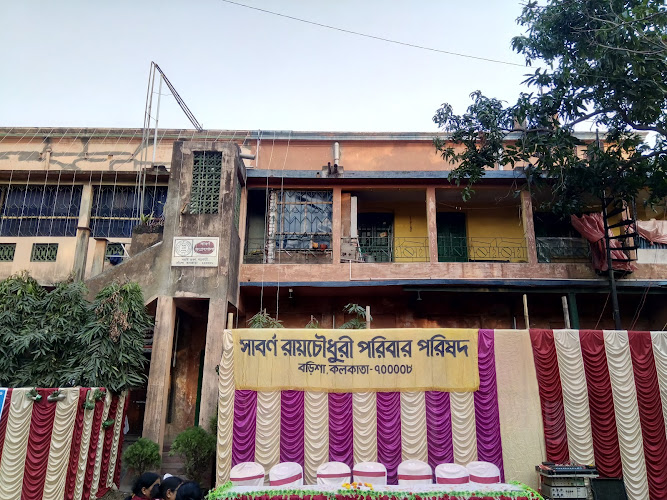
Sabarna Roy Chowdhury Sangrahashala
About Sabarna Roy Chowdhury Sangrahashala
Description
The Sabarna Roy Chowdhury Sangrahashala stands as a testament to Bengal's rich cultural heritage, offering visitors an intimate glimpse into the historical legacy of one of Kolkata's oldest families. This museum, though modest in size, houses an impressive collection of artifacts, documents, and memorabilia that tell the fascinating story of the Sabarna Roy Chowdhury family's influence on the region's development. Walking through its halls, you'll find yourself transported through centuries of Bengali history. I was particularly struck by the ancient manuscripts and land deeds that showcase how the family played a pivotal role in the establishment of what would later become Kolkata. The museum does an excellent job preserving these delicate pieces of history - and trust me, some of these documents are absolutely fascinating!Key Features
• Original land deeds and documents dating back to the Mughal era • Ancient weapons and armor collection from the family's arsenal • Traditional Bengali household items and utensils • Rare photographs depicting the evolution of Kolkata • Family genealogical records and historical manuscripts • Traditional Bengali architectural elements • Collection of ancient coins and currency • Religious artifacts and ceremonial objects • Period furniture and household items • Traditional Bengali artwork and paintingsBest Time to Visit
The ideal time to explore the Sangrahashala is during the winter months, from November to February, when the weather is pleasant and comfortable. I'd definitely recommend avoiding the summer months (March to June) as the humidity can be quite overwhelming, especially since some sections of the museum aren't air-conditioned. The museum really comes alive during Bengali festivals like Durga Puja when special exhibitions are often organized. Early mornings tend to be less crowded, and you'll get a better chance to really soak in the history. I've found that weekday visits offer a more peaceful experience compared to weekends when local families often drop by.How to Get There
The museum is easily accessible by various modes of transportation. If you're taking public transit, several local buses stop nearby. Auto-rickshaws and taxis are readily available throughout the city and can drop you right at the entrance. For those driving, there's a decent-sized parking lot, though it can get pretty full during peak hours. Pro tip: I've found that booking a ride-sharing service works really well, as most drivers are familiar with the location. Just make sure to save the museum's phone number - sometimes drivers might need additional directions, especially if you're visiting for the first time.Tips for Visiting
Y'know, after multiple visits to the Sangrahashala, I've picked up some helpful tricks that'll make your visit more enjoyable. First off, wear comfortable shoes - you'll be doing quite a bit of standing and walking. Photography is allowed in most areas, but flash photography isn't permitted to protect the delicate artifacts. I'd strongly recommend allocating at least 2-3 hours for your visit to really appreciate the collections. The museum staff are incredibly knowledgeable and passionate about the history - don't hesitate to ask questions! Sometimes they share fascinating stories that aren't mentioned in the displays. Bring along a notebook if you're interested in history - there's so much information that it's hard to remember everything. The museum doesn't have a cafe, so you might wanna carry some water and snacks. Oh, and while most exhibits have English descriptions, some are only in Bengali, so having a local friend along can really enhance your experience. Keep in mind that the museum is usually closed on Mondays for maintenance. It's also worth checking ahead during major festivals, as opening hours might vary. And hey, if you're really into Bengali history, try timing your visit with one of their occasional special exhibitions - they're totally worth it! The museum might seem a bit overwhelming at first with its vast collection, but take your time to explore each section thoroughly. Trust me, some of the most interesting pieces are often tucked away in corners you might otherwise miss!Key Features
- Key Features
- Best Time to Visit
- How to Get There
- Tips for Visiting
More Details
Updated May 28, 2025
Table of Contents
- Description
- Key Features
- Best Time to Visit
- How to Get There
- Tips for Visiting
- Key Highlights
- Location
- Places to Stay Near Sabarna Roy Chowdhury Sangrahashala
- Find and Book a Tour
- Explore More Travel Guides
- Nearby Places You Might Like
- Traveler Reviews for Sabarna Roy Chowdhury Sangrahashala
- Share Your Experience
Description
The Sabarna Roy Chowdhury Sangrahashala stands as a testament to Bengal’s rich cultural heritage, offering visitors an intimate glimpse into the historical legacy of one of Kolkata’s oldest families. This museum, though modest in size, houses an impressive collection of artifacts, documents, and memorabilia that tell the fascinating story of the Sabarna Roy Chowdhury family’s influence on the region’s development.
Walking through its halls, you’ll find yourself transported through centuries of Bengali history. I was particularly struck by the ancient manuscripts and land deeds that showcase how the family played a pivotal role in the establishment of what would later become Kolkata. The museum does an excellent job preserving these delicate pieces of history – and trust me, some of these documents are absolutely fascinating!
Key Features
• Original land deeds and documents dating back to the Mughal era
• Ancient weapons and armor collection from the family’s arsenal
• Traditional Bengali household items and utensils
• Rare photographs depicting the evolution of Kolkata
• Family genealogical records and historical manuscripts
• Traditional Bengali architectural elements
• Collection of ancient coins and currency
• Religious artifacts and ceremonial objects
• Period furniture and household items
• Traditional Bengali artwork and paintings
Best Time to Visit
The ideal time to explore the Sangrahashala is during the winter months, from November to February, when the weather is pleasant and comfortable. I’d definitely recommend avoiding the summer months (March to June) as the humidity can be quite overwhelming, especially since some sections of the museum aren’t air-conditioned. The museum really comes alive during Bengali festivals like Durga Puja when special exhibitions are often organized.
Early mornings tend to be less crowded, and you’ll get a better chance to really soak in the history. I’ve found that weekday visits offer a more peaceful experience compared to weekends when local families often drop by.
How to Get There
The museum is easily accessible by various modes of transportation. If you’re taking public transit, several local buses stop nearby. Auto-rickshaws and taxis are readily available throughout the city and can drop you right at the entrance. For those driving, there’s a decent-sized parking lot, though it can get pretty full during peak hours.
Pro tip: I’ve found that booking a ride-sharing service works really well, as most drivers are familiar with the location. Just make sure to save the museum’s phone number – sometimes drivers might need additional directions, especially if you’re visiting for the first time.
Tips for Visiting
Y’know, after multiple visits to the Sangrahashala, I’ve picked up some helpful tricks that’ll make your visit more enjoyable. First off, wear comfortable shoes – you’ll be doing quite a bit of standing and walking. Photography is allowed in most areas, but flash photography isn’t permitted to protect the delicate artifacts.
I’d strongly recommend allocating at least 2-3 hours for your visit to really appreciate the collections. The museum staff are incredibly knowledgeable and passionate about the history – don’t hesitate to ask questions! Sometimes they share fascinating stories that aren’t mentioned in the displays.
Bring along a notebook if you’re interested in history – there’s so much information that it’s hard to remember everything. The museum doesn’t have a cafe, so you might wanna carry some water and snacks. Oh, and while most exhibits have English descriptions, some are only in Bengali, so having a local friend along can really enhance your experience.
Keep in mind that the museum is usually closed on Mondays for maintenance. It’s also worth checking ahead during major festivals, as opening hours might vary. And hey, if you’re really into Bengali history, try timing your visit with one of their occasional special exhibitions – they’re totally worth it!
The museum might seem a bit overwhelming at first with its vast collection, but take your time to explore each section thoroughly. Trust me, some of the most interesting pieces are often tucked away in corners you might otherwise miss!
Key Highlights
- Key Features
- Best Time to Visit
- How to Get There
- Tips for Visiting
Location
Places to Stay Near Sabarna Roy Chowdhury Sangrahashala
Find and Book a Tour
Explore More Travel Guides
No reviews found! Be the first to review!
Traveler Reviews for Sabarna Roy Chowdhury Sangrahashala
There are no reviews yet. Be the first one to write one.
Have you visited Sabarna Roy Chowdhury Sangrahashala? Help other travelers by sharing your review.
You Might Also Like
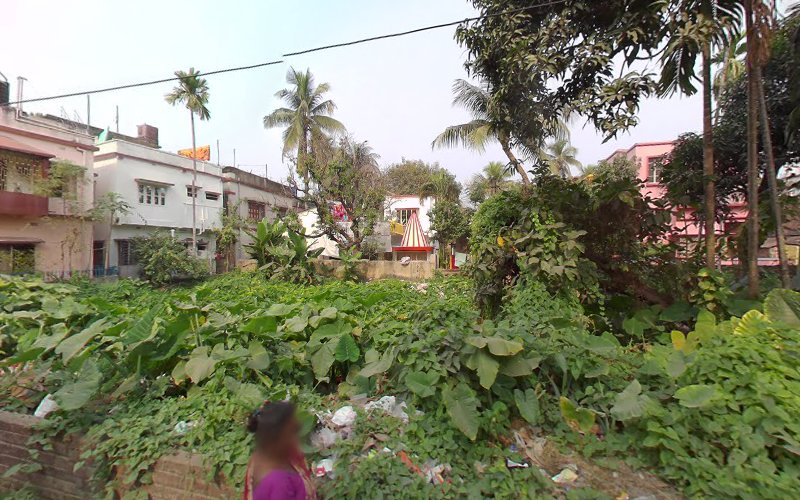
Local park
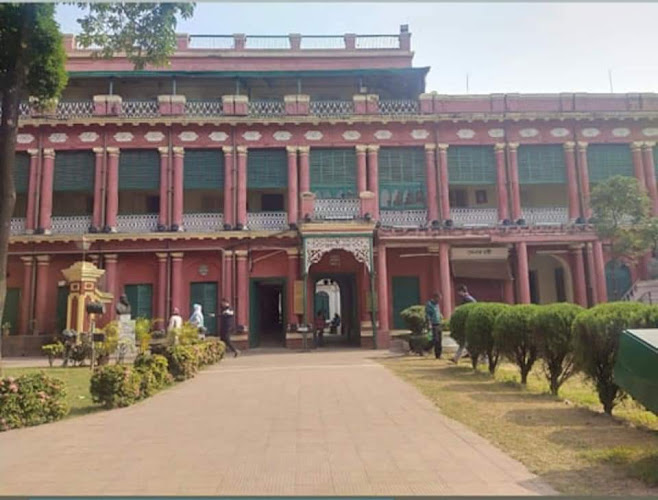
Jorasanko
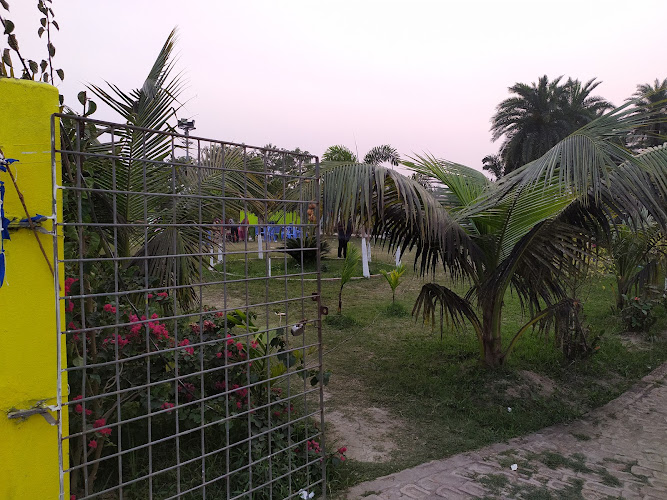
Maa Durga Royal Gardens
Find Accommodations Nearby
Recommended Tours & Activities
Visitor Reviews
There are no reviews yet. Be the first one to write one.
Share Your Experience
Have you visited Sabarna Roy Chowdhury Sangrahashala? Help other travelers by leaving a review.