
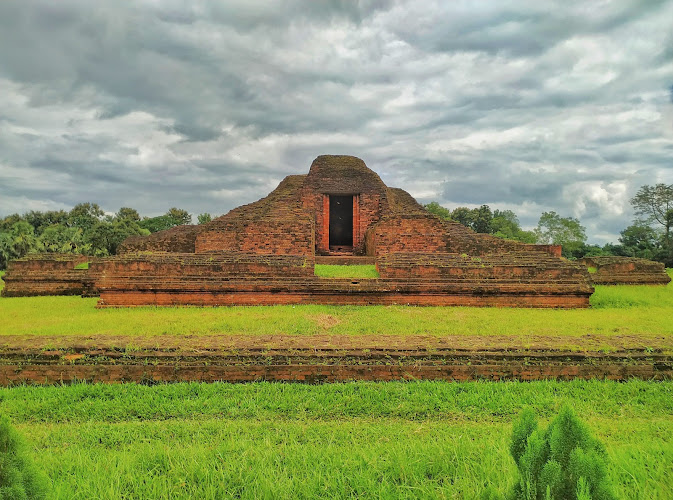
Rupban Mura
About Rupban Mura
Description
Rupban Mura is one of those places that quietly surprises you. Tucked away on a hillock in the Kotbari area of Cumilla, this ancient archaeological site is part of the greater Mainamati-Lalmai range — a treasure trove of Buddhist heritage that once flourished over a thousand years ago. The site itself reveals the remains of a semi-cruciform shrine, believed to date back to the 7th or 8th century, when Buddhism was a powerful cultural and spiritual force in the region. You can almost feel the centuries pressing down as you walk among the ruins — the worn bricks, the faint outlines of monastic cells, and the soft hum of the wind that seems to carry whispers from another time.
What I love most about Rupban Mura is that it doesn’t feel overly commercialized or crowded. It’s peaceful — almost meditative. You’ll often find locals sitting quietly on the grass, school kids on field trips, and the occasional traveler with a camera and a curious heart. The site’s simplicity is its charm. It doesn’t shout for attention, yet it leaves a lasting impression. And yes, it’s surprisingly accessible — with wheelchair-friendly paths and parking, it welcomes visitors of all ages and abilities. Families with kids often enjoy exploring the area, as it’s both safe and educational.
Though some parts of the ruins have weathered over time, the essence of the place remains strong. There’s a certain warmth in the air — maybe it’s the golden hue of the bricks under the afternoon sun or the way the surrounding greenery wraps around the site like a protective cloak. Either way, Rupban Mura feels like a living memory of Bangladesh’s ancient past, quietly waiting for you to uncover its stories.
Key Features
- Archaeological remains of a semi-cruciform Buddhist shrine dating back to the 7th–8th century.
- Located on a scenic hillock offering panoramic views of the Mainamati-Lalmai range.
- Part of the larger Mainamati archaeological complex, which includes several ancient monasteries and stupas.
- Wheelchair-accessible entrance and parking, making it friendly for all types of travelers.
- Peaceful environment ideal for photography, meditation, and quiet exploration.
- Close proximity to the Mainamati Museum, which displays artifacts excavated from the site.
- Good for families with children due to its open layout and educational value.
Best Time to Visit
If you ask me, the best time to visit Rupban Mura is between November and February. The weather is comfortably cool, the skies are clear, and the surrounding greenery looks fresh after the monsoon season. Walking around the ruins under a mild winter sun feels perfect — you can take your time exploring without sweating through your shirt.
That said, I’ve been there during the monsoon too, and it has its own magic. The moss-covered bricks glisten, and the hills look lush and alive. Just be prepared for a few muddy patches. Summer, on the other hand, can be quite hot and humid, so if you’re not a fan of the heat, it’s best to avoid midday visits. Early mornings or late afternoons are ideal year-round — the light is softer, and the site takes on a golden glow that’s just beautiful for photos.
How to Get There
Getting to Rupban Mura is fairly straightforward. If you’re coming from Dhaka, you can take a bus or train to Cumilla — it’s roughly a two to three-hour journey depending on traffic. From the city center, the Kotbari area is just a short drive away. You can hire a CNG auto-rickshaw or a local taxi; it’s about 20 minutes from the main town.
Once you reach Kotbari, you’ll find that Rupban Mura sits conveniently close to other historical spots like Shalban Vihara and Itakhola Mura. The roads are well-marked, and locals are friendly enough to guide you if you get turned around (which I’ve done more than once). Parking is available near the entrance, and there are usually small tea stalls nearby — perfect for a quick break before or after your visit.
Tips for Visiting
A few things I’ve learned from my visits — and from chatting with other travelers — might make your trip smoother and more enjoyable:
- Go early: Morning light brings out the best colors in the old bricks, and you’ll have the place mostly to yourself.
- Bring water: There aren’t many shops inside the site, so carry a bottle to stay hydrated, especially on warm days.
- Wear comfortable shoes: The terrain is uneven in places, and you’ll want to explore every corner without worrying about your feet.
- Respect the site: It’s an ancient monument, so avoid climbing on the ruins or leaving litter behind. Treat it like the sacred ground it is.
- Combine visits: If you have time, plan to see nearby sites like Shalban Vihara and the Mainamati Museum — they add context to what you’ll see at Rupban Mura.
- Photography tip: Visit during golden hour for the best lighting — the contrast between the red bricks and green hills is stunning.
- Bring kids: It’s a great place to introduce children to history in a hands-on way. They can roam safely and learn something new while having fun.
And one more thing — don’t rush it. Rupban Mura isn’t the kind of place you “check off” your list. It’s a spot to slow down, breathe, and imagine what life might have been like here centuries ago. You might even find yourself sitting quietly on a stone ledge, just listening to the wind. That’s when the real magic of the place hits you — not in the ruins themselves, but in the feeling they leave behind.
So if you’re planning a trip through Cumilla, make sure Rupban Mura finds its way onto your itinerary. It might not be the flashiest destination, but it’s real, it’s ancient, and it’s quietly unforgettable. And honestly, those are the kinds of places that stay with you long after you’ve left.
Key Features
- Archaeological remains of a semi-cruciform Buddhist shrine dating back to the 7th–8th century.
- Located on a scenic hillock offering panoramic views of the Mainamati-Lalmai range.
- Part of the larger Mainamati archaeological complex, which includes several ancient monasteries and stupas.
- Wheelchair-accessible entrance and parking, making it friendly for all types of travelers.
- Peaceful environment ideal for photography, meditation, and quiet exploration.
- Close proximity to the Mainamati Museum, which displays artifacts excavated from the site.
- Good for families with children due to its open layout and educational value.
More Details
Updated November 9, 2025
Table of Contents
Description
Rupban Mura is one of those places that quietly surprises you. Tucked away on a hillock in the Kotbari area of Cumilla, this ancient archaeological site is part of the greater Mainamati-Lalmai range — a treasure trove of Buddhist heritage that once flourished over a thousand years ago. The site itself reveals the remains of a semi-cruciform shrine, believed to date back to the 7th or 8th century, when Buddhism was a powerful cultural and spiritual force in the region. You can almost feel the centuries pressing down as you walk among the ruins — the worn bricks, the faint outlines of monastic cells, and the soft hum of the wind that seems to carry whispers from another time.
What I love most about Rupban Mura is that it doesn’t feel overly commercialized or crowded. It’s peaceful — almost meditative. You’ll often find locals sitting quietly on the grass, school kids on field trips, and the occasional traveler with a camera and a curious heart. The site’s simplicity is its charm. It doesn’t shout for attention, yet it leaves a lasting impression. And yes, it’s surprisingly accessible — with wheelchair-friendly paths and parking, it welcomes visitors of all ages and abilities. Families with kids often enjoy exploring the area, as it’s both safe and educational.
Though some parts of the ruins have weathered over time, the essence of the place remains strong. There’s a certain warmth in the air — maybe it’s the golden hue of the bricks under the afternoon sun or the way the surrounding greenery wraps around the site like a protective cloak. Either way, Rupban Mura feels like a living memory of Bangladesh’s ancient past, quietly waiting for you to uncover its stories.
Key Features
- Archaeological remains of a semi-cruciform Buddhist shrine dating back to the 7th–8th century.
- Located on a scenic hillock offering panoramic views of the Mainamati-Lalmai range.
- Part of the larger Mainamati archaeological complex, which includes several ancient monasteries and stupas.
- Wheelchair-accessible entrance and parking, making it friendly for all types of travelers.
- Peaceful environment ideal for photography, meditation, and quiet exploration.
- Close proximity to the Mainamati Museum, which displays artifacts excavated from the site.
- Good for families with children due to its open layout and educational value.
Best Time to Visit
If you ask me, the best time to visit Rupban Mura is between November and February. The weather is comfortably cool, the skies are clear, and the surrounding greenery looks fresh after the monsoon season. Walking around the ruins under a mild winter sun feels perfect — you can take your time exploring without sweating through your shirt.
That said, I’ve been there during the monsoon too, and it has its own magic. The moss-covered bricks glisten, and the hills look lush and alive. Just be prepared for a few muddy patches. Summer, on the other hand, can be quite hot and humid, so if you’re not a fan of the heat, it’s best to avoid midday visits. Early mornings or late afternoons are ideal year-round — the light is softer, and the site takes on a golden glow that’s just beautiful for photos.
How to Get There
Getting to Rupban Mura is fairly straightforward. If you’re coming from Dhaka, you can take a bus or train to Cumilla — it’s roughly a two to three-hour journey depending on traffic. From the city center, the Kotbari area is just a short drive away. You can hire a CNG auto-rickshaw or a local taxi; it’s about 20 minutes from the main town.
Once you reach Kotbari, you’ll find that Rupban Mura sits conveniently close to other historical spots like Shalban Vihara and Itakhola Mura. The roads are well-marked, and locals are friendly enough to guide you if you get turned around (which I’ve done more than once). Parking is available near the entrance, and there are usually small tea stalls nearby — perfect for a quick break before or after your visit.
Tips for Visiting
A few things I’ve learned from my visits — and from chatting with other travelers — might make your trip smoother and more enjoyable:
- Go early: Morning light brings out the best colors in the old bricks, and you’ll have the place mostly to yourself.
- Bring water: There aren’t many shops inside the site, so carry a bottle to stay hydrated, especially on warm days.
- Wear comfortable shoes: The terrain is uneven in places, and you’ll want to explore every corner without worrying about your feet.
- Respect the site: It’s an ancient monument, so avoid climbing on the ruins or leaving litter behind. Treat it like the sacred ground it is.
- Combine visits: If you have time, plan to see nearby sites like Shalban Vihara and the Mainamati Museum — they add context to what you’ll see at Rupban Mura.
- Photography tip: Visit during golden hour for the best lighting — the contrast between the red bricks and green hills is stunning.
- Bring kids: It’s a great place to introduce children to history in a hands-on way. They can roam safely and learn something new while having fun.
And one more thing — don’t rush it. Rupban Mura isn’t the kind of place you “check off” your list. It’s a spot to slow down, breathe, and imagine what life might have been like here centuries ago. You might even find yourself sitting quietly on a stone ledge, just listening to the wind. That’s when the real magic of the place hits you — not in the ruins themselves, but in the feeling they leave behind.
So if you’re planning a trip through Cumilla, make sure Rupban Mura finds its way onto your itinerary. It might not be the flashiest destination, but it’s real, it’s ancient, and it’s quietly unforgettable. And honestly, those are the kinds of places that stay with you long after you’ve left.
Key Highlights
- Archaeological remains of a semi-cruciform Buddhist shrine dating back to the 7th–8th century.
- Located on a scenic hillock offering panoramic views of the Mainamati-Lalmai range.
- Part of the larger Mainamati archaeological complex, which includes several ancient monasteries and stupas.
- Wheelchair-accessible entrance and parking, making it friendly for all types of travelers.
- Peaceful environment ideal for photography, meditation, and quiet exploration.
- Close proximity to the Mainamati Museum, which displays artifacts excavated from the site.
- Good for families with children due to its open layout and educational value.
Location
Places to Stay Near Rupban Mura
Find and Book a Tour
Explore More Travel Guides
No reviews found! Be the first to review!
Traveler Reviews for Rupban Mura
There are no reviews yet. Be the first one to write one.
Have you visited Rupban Mura? Help other travelers by sharing your review.
You Might Also Like
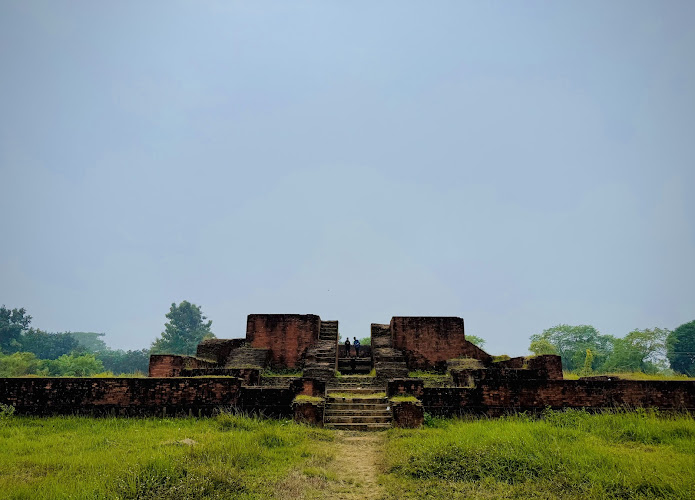
Itakhola Mura
Dino Park
Find Accommodations Nearby
Recommended Tours & Activities
Visitor Reviews
There are no reviews yet. Be the first one to write one.
Share Your Experience
Have you visited Rupban Mura? Help other travelers by leaving a review.