
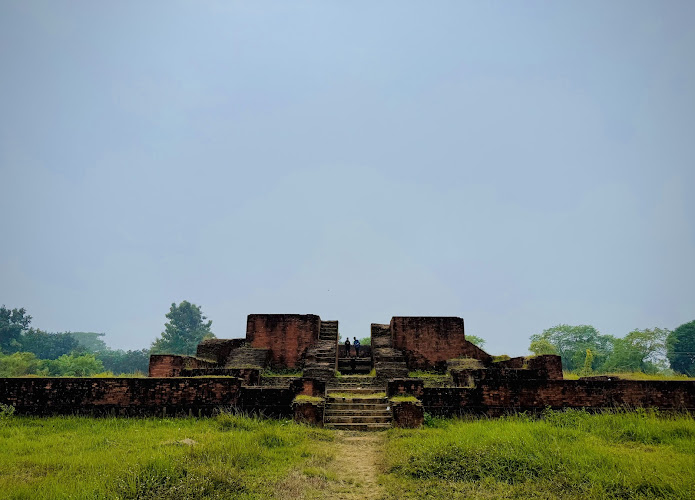
Itakhola Mura
About Itakhola Mura
Description
Itakhola Mura, tucked away in the serene hills of Comilla’s Mainamati area, is one of those places that quietly takes your breath away without even trying. It’s not flashy or overly commercialized, and that’s exactly what makes it so special. This ancient archaeological site, dating back to around the 7th or 8th century, stands as a silent storyteller of Bengal’s Buddhist past. The ruins reveal layers of history, from temple structures to monastic cells, each brick whispering tales of devotion, art, and time.
When you walk through the site, you can almost feel the rhythm of ancient footsteps that once echoed here. The architecture—though weathered by centuries—still holds a certain grace. It’s believed that Itakhola Mura once served as a Buddhist temple and monastery complex, much like its more famous neighbor, Shalban Vihara. Yet, unlike Shalban, Itakhola Mura feels more intimate, more personal. There’s a calmness here that makes you want to slow down and just breathe.
The site is spread across three terraces built on adjacent hillocks, giving it a slightly elevated, layered appearance. Archaeologists have uncovered several structural remains, including a central shrine, stupas, and monastic cells. The brickwork is remarkable—precise, sturdy, and surprisingly elegant despite its age. The name "Itakhola" literally means “brick quarry,” a nod to the fact that, for a long time, locals used the site as a source of ancient bricks. Thankfully, preservation efforts have since protected what remains, allowing visitors to experience a piece of early Bengal’s Buddhist heritage.
What’s striking about Itakhola Mura is how it balances accessibility with authenticity. The site has wheelchair-friendly paths and parking, making it one of the few archaeological spots in Bangladesh that’s inclusive for all travelers. It’s also clean, well-maintained, and usually less crowded than other nearby attractions. You can wander freely, take in the view of the surrounding greenery, and imagine what life might have been like here more than a thousand years ago.
Of course, not every visitor walks away with the same impression. Some find the ruins modest compared to grander sites like Paharpur, while others fall in love with its quiet charm. But that’s the beauty of travel, isn’t it? Itakhola Mura doesn’t demand your admiration—it earns it slowly, the longer you linger.
Key Features
- Ancient Buddhist temple and monastery complex dating back to the 7th–8th century.
- Three-tiered terraced structure built on adjacent hillocks, offering scenic elevation and perspective.
- Central shrine, stupas, and monastic cells showcasing early Buddhist architectural design.
- Well-preserved brickwork that reflects the craftsmanship of ancient Bengal.
- Wheelchair-accessible entrance and parking, making it inclusive for all visitors.
- Peaceful environment with fewer crowds compared to other Mainamati sites.
- Proximity to other archaeological landmarks like Shalban Vihara and Rupban Mura.
Honestly, what makes Itakhola Mura stand out isn’t just its historical importance—it’s the feeling it gives you. The site feels alive in its stillness. You can almost sense the meditative energy that once filled this place. And if you’re the kind of traveler who likes to take the road less traveled, this is one of those hidden gems that will stay with you long after you’ve left.
Best Time to Visit
If you’re planning to visit Itakhola Mura, timing can make all the difference. The best months are from November to February when the weather in Comilla is pleasantly cool and dry. The air feels crisp, the skies are clear, and walking through the site is comfortable without the sticky humidity that summer brings. During this season, the surrounding greenery looks fresh and vibrant, making it perfect for photography or just quiet reflection.
That said, there’s something oddly beautiful about visiting during the monsoon too. The rain brings out the deep red tones of the ancient bricks, and the whole place smells of wet earth and history. Just be prepared for slippery paths and occasional puddles. Summer, on the other hand, can be scorching here, and unless you’re used to the heat, it might not be the most pleasant time for exploring ruins.
Morning visits are ideal if you like solitude. The soft light at sunrise gives the site a golden hue, and you’ll often have the place almost to yourself. Evenings are lovely too, especially when the sun dips behind the hills, casting long shadows across the old walls. It’s quiet, contemplative, and a photographer’s dream.
How to Get There
Reaching Itakhola Mura is quite straightforward. The site sits in the Kotbari area of Comilla, not far from the main city center. If you’re coming from Dhaka, you can take a bus or private car—it's roughly a two-hour drive depending on traffic. The Dhaka-Chittagong Highway makes the journey fairly smooth, and the roads leading into Comilla are well-maintained.
Once in Comilla, local transport options like CNG auto-rickshaws or ride-sharing services can take you directly to the site. It’s located near the Bangladesh Academy for Rural Development (BARD) and close to the other archaeological sites in Mainamati, so you can easily plan a half-day tour covering several spots. The locals are friendly and helpful, and if you ask for directions, someone will gladly point you the right way—probably with a smile.
For those who prefer a bit of adventure, renting a bicycle to explore the area is a fun option. The roads around Kotbari are scenic, lined with trees and small villages. It’s a great way to experience rural Bangladesh up close while hopping between historical landmarks.
Tips for Visiting
Here’s the thing about Itakhola Mura—it’s not a massive complex, so your visit might not take more than an hour or two. But it’s worth slowing down and letting yourself absorb the atmosphere. Below are some practical and personal tips to help make the most of your trip:
- Go early: The morning light is magical, and you’ll avoid the mid-day heat.
- Wear comfortable shoes: There’s a bit of walking and uneven terrain, so sneakers or sandals with good grip are best.
- Bring water: There aren’t many shops nearby, and staying hydrated is key, especially if you’re exploring other sites in the area.
- Respect the site: Remember, this is a protected archaeological area. Avoid climbing on the ruins or touching fragile structures.
- Take your time: Don’t rush. Sit for a while, listen to the wind, and just be present. It’s oddly peaceful here.
- Photography: You don’t need fancy gear—the natural light does the work for you. A simple phone camera can capture the essence beautifully.
- Combine your visit: Since Shalban Vihara and Rupban Mura are close by, you can easily explore all three in a single day.
And here’s a personal note—when I first visited Itakhola Mura, I didn’t expect much. I thought it’d be just another pile of old bricks. But standing there, with the breeze brushing through the trees and the sun warming the ancient stones, I felt something deeper. It’s like the place holds a quiet wisdom, a reminder that everything changes, yet somehow, the essence remains.
If you’re the kind of traveler who appreciates hidden corners of history, who enjoys the sound of silence more than the buzz of crowds, then you’ll find something special here. Itakhola Mura isn’t about grandeur—it’s about connection. Connection to time, to place, and to something bigger than ourselves.
So, pack lightly, keep your heart open, and let this ancient site tell you its story. Because if you listen closely enough, you might just hear it.
Key Features
- Ancient Buddhist temple and monastery complex dating back to the 7th–8th century.
- Three-tiered terraced structure built on adjacent hillocks, offering scenic elevation and perspective.
- Central shrine, stupas, and monastic cells showcasing early Buddhist architectural design.
- Well-preserved brickwork that reflects the craftsmanship of ancient Bengal.
- Wheelchair-accessible entrance and parking, making it inclusive for all visitors.
- Peaceful environment with fewer crowds compared to other Mainamati sites.
- Proximity to other archaeological landmarks like Shalban Vihara and Rupban Mura.
More Details
Updated November 9, 2025
Table of Contents
Description
Itakhola Mura, tucked away in the serene hills of Comilla’s Mainamati area, is one of those places that quietly takes your breath away without even trying. It’s not flashy or overly commercialized, and that’s exactly what makes it so special. This ancient archaeological site, dating back to around the 7th or 8th century, stands as a silent storyteller of Bengal’s Buddhist past. The ruins reveal layers of history, from temple structures to monastic cells, each brick whispering tales of devotion, art, and time.
When you walk through the site, you can almost feel the rhythm of ancient footsteps that once echoed here. The architecture—though weathered by centuries—still holds a certain grace. It’s believed that Itakhola Mura once served as a Buddhist temple and monastery complex, much like its more famous neighbor, Shalban Vihara. Yet, unlike Shalban, Itakhola Mura feels more intimate, more personal. There’s a calmness here that makes you want to slow down and just breathe.
The site is spread across three terraces built on adjacent hillocks, giving it a slightly elevated, layered appearance. Archaeologists have uncovered several structural remains, including a central shrine, stupas, and monastic cells. The brickwork is remarkable—precise, sturdy, and surprisingly elegant despite its age. The name “Itakhola” literally means “brick quarry,” a nod to the fact that, for a long time, locals used the site as a source of ancient bricks. Thankfully, preservation efforts have since protected what remains, allowing visitors to experience a piece of early Bengal’s Buddhist heritage.
What’s striking about Itakhola Mura is how it balances accessibility with authenticity. The site has wheelchair-friendly paths and parking, making it one of the few archaeological spots in Bangladesh that’s inclusive for all travelers. It’s also clean, well-maintained, and usually less crowded than other nearby attractions. You can wander freely, take in the view of the surrounding greenery, and imagine what life might have been like here more than a thousand years ago.
Of course, not every visitor walks away with the same impression. Some find the ruins modest compared to grander sites like Paharpur, while others fall in love with its quiet charm. But that’s the beauty of travel, isn’t it? Itakhola Mura doesn’t demand your admiration—it earns it slowly, the longer you linger.
Key Features
- Ancient Buddhist temple and monastery complex dating back to the 7th–8th century.
- Three-tiered terraced structure built on adjacent hillocks, offering scenic elevation and perspective.
- Central shrine, stupas, and monastic cells showcasing early Buddhist architectural design.
- Well-preserved brickwork that reflects the craftsmanship of ancient Bengal.
- Wheelchair-accessible entrance and parking, making it inclusive for all visitors.
- Peaceful environment with fewer crowds compared to other Mainamati sites.
- Proximity to other archaeological landmarks like Shalban Vihara and Rupban Mura.
Honestly, what makes Itakhola Mura stand out isn’t just its historical importance—it’s the feeling it gives you. The site feels alive in its stillness. You can almost sense the meditative energy that once filled this place. And if you’re the kind of traveler who likes to take the road less traveled, this is one of those hidden gems that will stay with you long after you’ve left.
Best Time to Visit
If you’re planning to visit Itakhola Mura, timing can make all the difference. The best months are from November to February when the weather in Comilla is pleasantly cool and dry. The air feels crisp, the skies are clear, and walking through the site is comfortable without the sticky humidity that summer brings. During this season, the surrounding greenery looks fresh and vibrant, making it perfect for photography or just quiet reflection.
That said, there’s something oddly beautiful about visiting during the monsoon too. The rain brings out the deep red tones of the ancient bricks, and the whole place smells of wet earth and history. Just be prepared for slippery paths and occasional puddles. Summer, on the other hand, can be scorching here, and unless you’re used to the heat, it might not be the most pleasant time for exploring ruins.
Morning visits are ideal if you like solitude. The soft light at sunrise gives the site a golden hue, and you’ll often have the place almost to yourself. Evenings are lovely too, especially when the sun dips behind the hills, casting long shadows across the old walls. It’s quiet, contemplative, and a photographer’s dream.
How to Get There
Reaching Itakhola Mura is quite straightforward. The site sits in the Kotbari area of Comilla, not far from the main city center. If you’re coming from Dhaka, you can take a bus or private car—it’s roughly a two-hour drive depending on traffic. The Dhaka-Chittagong Highway makes the journey fairly smooth, and the roads leading into Comilla are well-maintained.
Once in Comilla, local transport options like CNG auto-rickshaws or ride-sharing services can take you directly to the site. It’s located near the Bangladesh Academy for Rural Development (BARD) and close to the other archaeological sites in Mainamati, so you can easily plan a half-day tour covering several spots. The locals are friendly and helpful, and if you ask for directions, someone will gladly point you the right way—probably with a smile.
For those who prefer a bit of adventure, renting a bicycle to explore the area is a fun option. The roads around Kotbari are scenic, lined with trees and small villages. It’s a great way to experience rural Bangladesh up close while hopping between historical landmarks.
Tips for Visiting
Here’s the thing about Itakhola Mura—it’s not a massive complex, so your visit might not take more than an hour or two. But it’s worth slowing down and letting yourself absorb the atmosphere. Below are some practical and personal tips to help make the most of your trip:
- Go early: The morning light is magical, and you’ll avoid the mid-day heat.
- Wear comfortable shoes: There’s a bit of walking and uneven terrain, so sneakers or sandals with good grip are best.
- Bring water: There aren’t many shops nearby, and staying hydrated is key, especially if you’re exploring other sites in the area.
- Respect the site: Remember, this is a protected archaeological area. Avoid climbing on the ruins or touching fragile structures.
- Take your time: Don’t rush. Sit for a while, listen to the wind, and just be present. It’s oddly peaceful here.
- Photography: You don’t need fancy gear—the natural light does the work for you. A simple phone camera can capture the essence beautifully.
- Combine your visit: Since Shalban Vihara and Rupban Mura are close by, you can easily explore all three in a single day.
And here’s a personal note—when I first visited Itakhola Mura, I didn’t expect much. I thought it’d be just another pile of old bricks. But standing there, with the breeze brushing through the trees and the sun warming the ancient stones, I felt something deeper. It’s like the place holds a quiet wisdom, a reminder that everything changes, yet somehow, the essence remains.
If you’re the kind of traveler who appreciates hidden corners of history, who enjoys the sound of silence more than the buzz of crowds, then you’ll find something special here. Itakhola Mura isn’t about grandeur—it’s about connection. Connection to time, to place, and to something bigger than ourselves.
So, pack lightly, keep your heart open, and let this ancient site tell you its story. Because if you listen closely enough, you might just hear it.
Key Highlights
- Ancient Buddhist temple and monastery complex dating back to the 7th–8th century.
- Three-tiered terraced structure built on adjacent hillocks, offering scenic elevation and perspective.
- Central shrine, stupas, and monastic cells showcasing early Buddhist architectural design.
- Well-preserved brickwork that reflects the craftsmanship of ancient Bengal.
- Wheelchair-accessible entrance and parking, making it inclusive for all visitors.
- Peaceful environment with fewer crowds compared to other Mainamati sites.
- Proximity to other archaeological landmarks like Shalban Vihara and Rupban Mura.
Location
Places to Stay Near Itakhola Mura
Find and Book a Tour
Explore More Travel Guides
No reviews found! Be the first to review!
Traveler Reviews for Itakhola Mura
There are no reviews yet. Be the first one to write one.
Have you visited Itakhola Mura? Help other travelers by sharing your review.
You Might Also Like
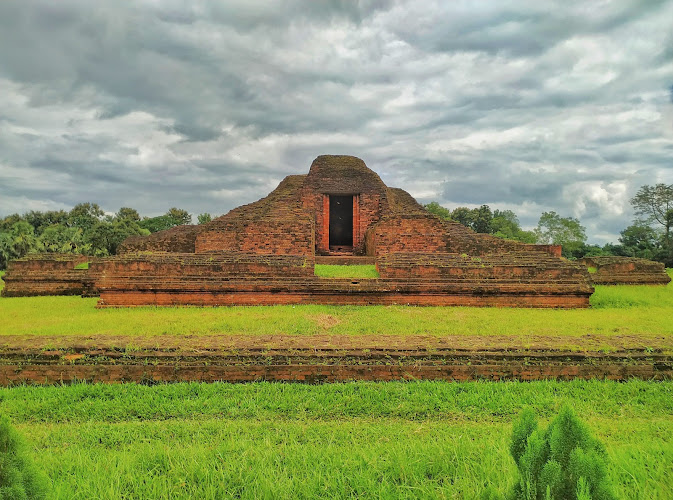
Rupban Mura
Dino Park
Find Accommodations Nearby
Recommended Tours & Activities
Visitor Reviews
There are no reviews yet. Be the first one to write one.
Share Your Experience
Have you visited Itakhola Mura? Help other travelers by leaving a review.