Guided Sightseeing Tours & Activities in Poznań
- Browse sightseeing excursions and activities in Poznań
- Check live availability, rates & traveler reviews on Viator
- Secure online booking with flexible options

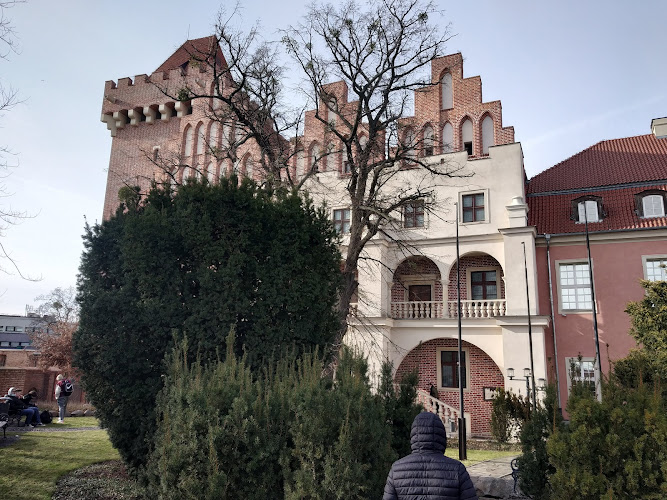
The Royal Castle stands as a remarkable testament to medieval architecture and historical preservation, though what visitors encounter today is actually a modern reconstruction of the original 1200s fortress.
Walking through the castle grounds, travelers will discover it’s now home to the Museum of Applied Arts, which houses an impressive collection spanning centuries of craftsmanship and design. The panoramic tower deserves special mention here because the views from the top are absolutely worth the climb, even if you’re slightly wary of heights like I admittedly am. On a clear day, the vista stretches across the surrounding landscape in a way that really puts the strategic importance of the original castle’s location into perspective.
What strikes most visitors first is how well the reconstruction balances historical accuracy with modern accessibility. The castle doesn’t just sit there looking pretty—it invites exploration, interaction, and genuine learning. Families wander through chambers imagining royal life, history buffs photograph architectural details, and casual tourists find themselves unexpectedly captivated by exhibits they thought might bore them. It’s one of those places where preconceptions tend to get pleasantly overturned.
The Museum of Applied Arts within these walls showcases everything from decorative furniture to intricate textiles, metalwork, and ceramics. These aren’t dusty artifacts behind velvet ropes either—the curation brings real personality to objects that might otherwise feel distant and irrelevant. You start to see the human hands and creative minds behind each piece, which transforms a simple museum visit into something more meaningful.
The Royal Castle offers several distinctive elements that set it apart from typical castle experiences:
Timing your Royal Castle visit can genuinely make or break the experience, and I learned this the hard way during an ill-timed summer weekend visit years back when the crowds were absolutely overwhelming.
The shoulder seasons—late April through early June and September through October—offer the sweet spot most savvy travelers aim for. Weather during these months remains pleasant enough for comfortable exploration, but the massive tourist waves have either not yet arrived or already departed. You’ll actually have space to photograph that perfect tower shot without seventeen strangers’ elbows in your frame.
Weekday mornings present the optimal visiting window year-round. Arriving right when doors open means you’ll have roughly an hour before tour groups descend and school field trips arrive. The castle takes on an almost meditative quality during these quiet early hours, and you can properly absorb the atmosphere without constant chatter echoing through stone chambers.
Summer months from July through August predictably draw the largest crowds, but that doesn’t necessarily mean you should avoid them entirely. If summer’s your only option, consider visiting on rainy days when fair-weather tourists stay away. The castle’s mostly indoor exhibits mean weather won’t dampen your experience—just your walk from the parking area.
Winter visits have their own unique charm that often gets overlooked. From November through March, visitor numbers drop dramatically, and the castle can feel genuinely atmospheric with fewer people around. The stone walls and medieval architecture somehow feel more authentic when there’s a chill in the air. Just dress warmly because historical buildings aren’t exactly known for their heating systems, even reconstructed ones.
Special events and medieval festivals occur throughout the year, and these can either enhance or complicate your visit depending on what you’re seeking. If you want immersive historical reenactments and period costumes, plan around these events. But if you prefer quiet contemplation of the exhibits, definitely check the calendar and avoid festival weekends.
Getting to the Royal Castle is refreshingly straightforward compared to some remote European fortresses that seem deliberately hidden from modern travelers.
Public transportation serves the castle remarkably well, which isn’t always the case with historical sites. Local bus routes stop within easy walking distance, and the connections from the city center run frequently throughout the day. Purchase tickets before boarding or use the mobile app if you’re comfortable with local transit technology—conductors don’t always appreciate tourists fumbling with foreign currency during peak hours.
For those preferring trains, the nearest railway station sits approximately twenty minutes away by foot. The walk itself is pleasant enough, taking you through neighborhoods that offer their own slice of local life beyond tourist attractions. Alternatively, taxis wait outside the station and charge reasonable fixed rates to the castle entrance.
Driving to the castle works well for visitors with rental cars, and parking facilities are adequate though they fill quickly during peak season. Arrive before 10 AM or after 3 PM for the best parking availability. GPS navigation systems recognize the castle without issue, so getting lost is unlikely unless you’re really talented at wrong turns.
Many travelers opt for organized tours that include transportation, which eliminates navigation stress entirely. These packages often bundle the castle with other nearby attractions, creating efficient day trips for visitors trying to maximize their sightseeing time. The downside? You’re locked into the group’s schedule with limited flexibility for lingering in areas that capture your interest.
Cycling to the castle has gained popularity with adventurous visitors, and designated bike paths make the journey safer than you might expect. Local bike rental shops provide maps highlighting the most scenic routes. Just remember that you’ll need to climb that tower later, so maybe don’t exhaust yourself on an overly ambitious cycling route beforehand.
Speaking from experience—both my own and stories collected from fellow travelers—these practical tips will genuinely improve your Royal Castle experience.
Purchase tickets online in advance whenever possible. The modest discount barely matters, but skipping the entrance queue absolutely does. Nothing kills medieval enthusiasm quite like standing in line for forty minutes before you even enter. Online tickets usually include a specific time slot, which also helps manage crowd levels inside.
Wear comfortable walking shoes, and I cannot stress this enough. Those authentic medieval stone floors and spiral staircases aren’t forgiving on fashion-forward footwear. You’ll be walking and climbing more than you anticipate, and blisters have ruined more castle visits than any other single factor.
The panoramic tower climb involves roughly 150 steps—I’ve never counted exactly but that’s the general consensus. If you have mobility concerns or health conditions, assess honestly whether the ascent makes sense for you. That said, the views genuinely reward the effort for those who can manage it.
Allocate at least two to three hours for a proper visit. Rushing through in sixty minutes means you’ll miss significant portions of the Museum of Applied Arts and won’t have time to properly explore the various chambers. The castle rewards slow, contemplative exploration rather than hurried checklist tourism.
Photography is generally permitted throughout most areas, but flash usage is restricted in certain exhibition spaces. Pay attention to signage and respect these limitations—they exist to preserve delicate artifacts, not to annoy tourists. And honestly, natural light creates better photos in these historic spaces anyway.
Bring a light jacket even during summer months. Stone castles maintain cooler temperatures than outside air, which feels refreshing initially but can get uncomfortable during extended visits. Layering gives you flexibility as you move between indoor exhibits and outdoor courtyards.
The museum cafe serves decent refreshments, though prices reflect its captive tourist audience. Eating before arrival or packing snacks makes economic sense, though outside food isn’t permitted in exhibition areas for obvious preservation reasons.
Audio guides are available in multiple languages and provide context that significantly enriches the experience. The additional cost is modest, and the narration reveals architectural details and historical anecdotes you’d otherwise miss entirely.
Visit the tower observation deck early in your visit rather than saving it for last. Morning light typically offers better visibility and photography conditions. Plus, if unexpected weather rolls in later, you won’t miss this highlight.
Families with young children should know that the castle genuinely accommodates kids despite its historical nature. The Museum of Applied Arts includes interactive elements designed for younger visitors, and the castle’s inherent coolness factor—knights, towers, ancient walls—naturally engages children’s imaginations.
Check the current exhibition schedule before visiting. The rotating displays mean repeat visitors encounter fresh content, and sometimes special exhibitions align perfectly with particular interests. Conversely, if a section you particularly wanted to see is temporarily closed for exhibition changes, you’ll want to know beforehand.
Accessibility features work well here compared to many historical sites. The wheelchair accessible entrance isn’t an afterthought but genuinely functional, and elevators provide alternatives to many staircases. However, the panoramic tower remains accessible only via stairs, which is an unavoidable architectural reality.
Bathroom facilities are modern and clean, located on multiple floors. This might seem like a mundane detail, but trust me—knowing where facilities are located matters during multi-hour visits, especially when traveling with children or elderly companions.
Local weather can change quickly, so checking forecasts before departure helps with planning. The walk from parking or public transport to the entrance leaves you exposed to elements, and afternoon thunderstorms occasionally sweep through during summer months.
Finally, approach the Royal Castle with appropriate expectations. It’s a reconstruction, not an original medieval structure, and some purists find this disappointing. But that reconstruction enables preservation of applied arts that couldn’t be safely displayed in a deteriorating authentic castle. Understanding this context from the start allows appreciation for what the site actually offers rather than disappointment about what it isn’t.
Last modified August 17, 2026
The Royal Castle stands as a remarkable testament to medieval architecture and historical preservation, though what visitors encounter today is actually a modern reconstruction of the original 1200s fortress. And honestly? That’s part of what makes it so fascinating. Unlike many European castles that crumble authentically in picturesque decay, this structure offers something different—a chance to experience how these magnificent buildings actually functioned and appeared in their heyday.
Walking through the castle grounds, travelers will discover it’s now home to the Museum of Applied Arts, which houses an impressive collection spanning centuries of craftsmanship and design. The panoramic tower deserves special mention here because the views from the top are absolutely worth the climb, even if you’re slightly wary of heights like I admittedly am. On a clear day, the vista stretches across the surrounding landscape in a way that really puts the strategic importance of the original castle’s location into perspective.
What strikes most visitors first is how well the reconstruction balances historical accuracy with modern accessibility. The castle doesn’t just sit there looking pretty—it invites exploration, interaction, and genuine learning. Families wander through chambers imagining royal life, history buffs photograph architectural details, and casual tourists find themselves unexpectedly captivated by exhibits they thought might bore them. It’s one of those places where preconceptions tend to get pleasantly overturned.
The Museum of Applied Arts within these walls showcases everything from decorative furniture to intricate textiles, metalwork, and ceramics. These aren’t dusty artifacts behind velvet ropes either—the curation brings real personality to objects that might otherwise feel distant and irrelevant. You start to see the human hands and creative minds behind each piece, which transforms a simple museum visit into something more meaningful.
The Royal Castle offers several distinctive elements that set it apart from typical castle experiences:
Timing your Royal Castle visit can genuinely make or break the experience, and I learned this the hard way during an ill-timed summer weekend visit years back when the crowds were absolutely overwhelming.
The shoulder seasons—late April through early June and September through October—offer the sweet spot most savvy travelers aim for. Weather during these months remains pleasant enough for comfortable exploration, but the massive tourist waves have either not yet arrived or already departed. You’ll actually have space to photograph that perfect tower shot without seventeen strangers’ elbows in your frame.
Weekday mornings present the optimal visiting window year-round. Arriving right when doors open means you’ll have roughly an hour before tour groups descend and school field trips arrive. The castle takes on an almost meditative quality during these quiet early hours, and you can properly absorb the atmosphere without constant chatter echoing through stone chambers.
Summer months from July through August predictably draw the largest crowds, but that doesn’t necessarily mean you should avoid them entirely. If summer’s your only option, consider visiting on rainy days when fair-weather tourists stay away. The castle’s mostly indoor exhibits mean weather won’t dampen your experience—just your walk from the parking area.
Winter visits have their own unique charm that often gets overlooked. From November through March, visitor numbers drop dramatically, and the castle can feel genuinely atmospheric with fewer people around. The stone walls and medieval architecture somehow feel more authentic when there’s a chill in the air. Just dress warmly because historical buildings aren’t exactly known for their heating systems, even reconstructed ones.
Special events and medieval festivals occur throughout the year, and these can either enhance or complicate your visit depending on what you’re seeking. If you want immersive historical reenactments and period costumes, plan around these events. But if you prefer quiet contemplation of the exhibits, definitely check the calendar and avoid festival weekends.
Getting to the Royal Castle is refreshingly straightforward compared to some remote European fortresses that seem deliberately hidden from modern travelers.
Public transportation serves the castle remarkably well, which isn’t always the case with historical sites. Local bus routes stop within easy walking distance, and the connections from the city center run frequently throughout the day. Purchase tickets before boarding or use the mobile app if you’re comfortable with local transit technology—conductors don’t always appreciate tourists fumbling with foreign currency during peak hours.
For those preferring trains, the nearest railway station sits approximately twenty minutes away by foot. The walk itself is pleasant enough, taking you through neighborhoods that offer their own slice of local life beyond tourist attractions. Alternatively, taxis wait outside the station and charge reasonable fixed rates to the castle entrance.
Driving to the castle works well for visitors with rental cars, and parking facilities are adequate though they fill quickly during peak season. Arrive before 10 AM or after 3 PM for the best parking availability. GPS navigation systems recognize the castle without issue, so getting lost is unlikely unless you’re really talented at wrong turns.
Many travelers opt for organized tours that include transportation, which eliminates navigation stress entirely. These packages often bundle the castle with other nearby attractions, creating efficient day trips for visitors trying to maximize their sightseeing time. The downside? You’re locked into the group’s schedule with limited flexibility for lingering in areas that capture your interest.
Cycling to the castle has gained popularity with adventurous visitors, and designated bike paths make the journey safer than you might expect. Local bike rental shops provide maps highlighting the most scenic routes. Just remember that you’ll need to climb that tower later, so maybe don’t exhaust yourself on an overly ambitious cycling route beforehand.
Speaking from experience—both my own and stories collected from fellow travelers—these practical tips will genuinely improve your Royal Castle experience.
Purchase tickets online in advance whenever possible. The modest discount barely matters, but skipping the entrance queue absolutely does. Nothing kills medieval enthusiasm quite like standing in line for forty minutes before you even enter. Online tickets usually include a specific time slot, which also helps manage crowd levels inside.
Wear comfortable walking shoes, and I cannot stress this enough. Those authentic medieval stone floors and spiral staircases aren’t forgiving on fashion-forward footwear. You’ll be walking and climbing more than you anticipate, and blisters have ruined more castle visits than any other single factor.
The panoramic tower climb involves roughly 150 steps—I’ve never counted exactly but that’s the general consensus. If you have mobility concerns or health conditions, assess honestly whether the ascent makes sense for you. That said, the views genuinely reward the effort for those who can manage it.
Allocate at least two to three hours for a proper visit. Rushing through in sixty minutes means you’ll miss significant portions of the Museum of Applied Arts and won’t have time to properly explore the various chambers. The castle rewards slow, contemplative exploration rather than hurried checklist tourism.
Photography is generally permitted throughout most areas, but flash usage is restricted in certain exhibition spaces. Pay attention to signage and respect these limitations—they exist to preserve delicate artifacts, not to annoy tourists. And honestly, natural light creates better photos in these historic spaces anyway.
Bring a light jacket even during summer months. Stone castles maintain cooler temperatures than outside air, which feels refreshing initially but can get uncomfortable during extended visits. Layering gives you flexibility as you move between indoor exhibits and outdoor courtyards.
The museum cafe serves decent refreshments, though prices reflect its captive tourist audience. Eating before arrival or packing snacks makes economic sense, though outside food isn’t permitted in exhibition areas for obvious preservation reasons.
Audio guides are available in multiple languages and provide context that significantly enriches the experience. The additional cost is modest, and the narration reveals architectural details and historical anecdotes you’d otherwise miss entirely.
Visit the tower observation deck early in your visit rather than saving it for last. Morning light typically offers better visibility and photography conditions. Plus, if unexpected weather rolls in later, you won’t miss this highlight.
Families with young children should know that the castle genuinely accommodates kids despite its historical nature. The Museum of Applied Arts includes interactive elements designed for younger visitors, and the castle’s inherent coolness factor—knights, towers, ancient walls—naturally engages children’s imaginations.
Check the current exhibition schedule before visiting. The rotating displays mean repeat visitors encounter fresh content, and sometimes special exhibitions align perfectly with particular interests. Conversely, if a section you particularly wanted to see is temporarily closed for exhibition changes, you’ll want to know beforehand.
Accessibility features work well here compared to many historical sites. The wheelchair accessible entrance isn’t an afterthought but genuinely functional, and elevators provide alternatives to many staircases. However, the panoramic tower remains accessible only via stairs, which is an unavoidable architectural reality.
Bathroom facilities are modern and clean, located on multiple floors. This might seem like a mundane detail, but trust me—knowing where facilities are located matters during multi-hour visits, especially when traveling with children or elderly companions.
Local weather can change quickly, so checking forecasts before departure helps with planning. The walk from parking or public transport to the entrance leaves you exposed to elements, and afternoon thunderstorms occasionally sweep through during summer months.
Finally, approach the Royal Castle with appropriate expectations. It’s a reconstruction, not an original medieval structure, and some purists find this disappointing. But that reconstruction enables preservation of applied arts that couldn’t be safely displayed in a deteriorating authentic castle. Understanding this context from the start allows appreciation for what the site actually offers rather than disappointment about what it isn’t.

No reviews found! Be the first to review!
Royal Castle is a prominent attractions located in Poznań.
Visit us at: Góra Przemysła 1, 60-101 Poznań, Polen.
Explore verified points of interest within walking or short transit distance.
No neighboring places mapped within 5 km yet.
Stay22 provides this accommodation search. We may earn a commission if you book through it; verify current prices and terms with the provider.
GetYourGuide provides this tour inventory. We may earn a commission if you book through it; verify current availability, prices, and terms with the provider.
We may earn a commission if you book through links on this page at no extra cost to you. All tours feature verified customer reviews and flexible cancellation options.
No traveler reviews yet. Share your experience below!
No traveler questions yet. Be the first to ask a local!