
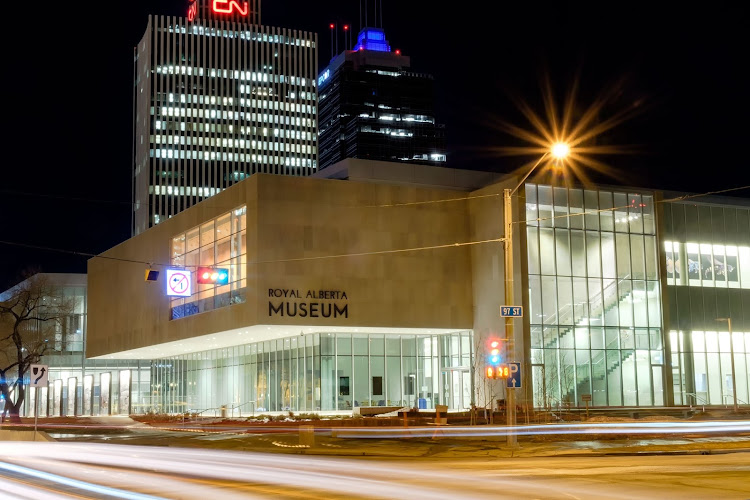
Royal Alberta Museum
About Royal Alberta Museum
Description
The Royal Alberta Museum, often called RAM by locals, is one of those places that quietly surprises you. It’s not just another museum with dusty displays and polite “do not touch” signs—it’s a living, breathing storybook of Alberta’s land, people, and creatures, told with a mix of heart, science, and artistry. Located right in downtown Edmonton’s Arts District, the museum is the largest in Western Canada, and honestly, it feels like it. You could easily lose track of time wandering through its sprawling halls, each one pulling you deeper into Alberta’s past and present.
What makes this museum stand out is how it balances the natural and human sides of history. One moment you’re face-to-face with a massive ice-age mammoth, and the next, you’re learning about the cultures and traditions of Alberta’s First Peoples. The exhibits don’t just display artifacts; they tell stories—personal, sometimes emotional, and always fascinating. There’s a sense of respect and authenticity that runs through every corner, especially in the galleries dedicated to Indigenous heritage. It’s not just about history; it’s about connection.
And while the museum is undeniably educational, it’s also fun. Kids light up when they spot the wildlife dioramas or the live bug gallery (yes, live bugs—creepy to some, but oddly mesmerizing). Adults often find themselves just as captivated, whether they came for the fossils or the anthropology exhibits. The staff have clearly poured their hearts into creating experiences that spark curiosity rather than just deliver facts.
Of course, no place is perfect. Some visitors might find the layout a bit overwhelming—it’s a big space, and if you’re not careful, you might miss a section or two. But that’s part of the adventure, isn’t it? The museum rewards those who take their time, who linger a little longer at the displays, who listen to the stories tucked behind the glass. By the time you leave, you’ll feel like you’ve traveled through centuries of Alberta’s evolution, from prehistoric seas to modern-day communities.
Key Features
- Expansive Natural and Human History Halls: Explore Alberta’s journey from ancient geological formations to the lives of its early inhabitants.
- First Peoples Gallery: A powerful and respectful exploration of Indigenous cultures, traditions, and resilience.
- Bug Gallery: A favorite among kids (and the brave-at-heart adults), featuring live insects and interactive displays.
- Fossil and Wildlife Exhibits: Life-sized dioramas and fossils that bring Alberta’s prehistoric past vividly to life.
- Hands-on Learning Areas: Interactive zones designed to engage children and families in tactile learning experiences.
- Accessibility: Fully wheelchair accessible with ramps, restrooms, and parking for visitors with mobility needs.
- Onsite Amenities: Includes a café-style restaurant, restrooms, and changing tables for families with young children.
- Live Performances and Events: Occasional cultural performances and educational programs that add a dynamic layer to the visit.
Best Time to Visit
If you’re planning a trip, timing can make a big difference. Weekdays, especially mid-morning or early afternoon, tend to be calmer—perfect if you want to take your time without feeling rushed. Weekends are livelier, with more families and kids buzzing around, which can actually make the place feel more alive. Personally, I love visiting in the fall. There’s something about the crisp Edmonton air and the golden leaves outside that pairs beautifully with the museum’s cozy indoor vibe. Plus, it’s a great way to escape the chill while still feeling connected to Alberta’s natural world.
During summer, the museum becomes part of the city’s energetic rhythm. Festivals and outdoor events in the Arts District spill into the area, and it’s easy to make a day of it—grab lunch nearby, stroll through downtown, then dive into the museum’s cool, quiet halls. Winter visits have their own charm too; when the snow is falling outside, stepping into the museum feels like entering another world entirely.
How to Get There
Getting to the Royal Alberta Museum is pretty straightforward. It’s located right in the heart of Edmonton, so whether you’re staying downtown or coming from further out, you’ve got options. Public transit is reliable, with several bus routes and the LRT stopping nearby. If you’re driving, there’s paid parking available both on-site and on surrounding streets—though it can fill up fast on weekends, so aim to arrive early if you can.
For those who prefer walking, the museum is within easy distance of other downtown attractions like the Art Gallery of Alberta and the Citadel Theatre. I’ve often just parked once and spent the day exploring the whole area on foot. It’s a nice way to get a feel for Edmonton’s artsy side while you’re at it. And if you’re traveling with kids or anyone with mobility challenges, don’t worry—the building’s design is incredibly accessible, with smooth entryways, elevators, and wide pathways throughout.
Tips for Visiting
Here’s where a little insider knowledge goes a long way. First, give yourself time—at least two to three hours, minimum. The museum is bigger than it looks, and rushing through it would be a shame. Bring a water bottle (there are refill stations) and wear comfy shoes; you’ll be doing a lot of walking. If you’re visiting with kids, the bug gallery and hands-on exhibits are must-sees, but it’s also worth pausing at the quieter sections—you might be surprised by what captures their attention.
Photography is allowed in most areas, so bring your camera or phone, but remember to be respectful—some exhibits, especially those related to Indigenous culture, may have restrictions. Check the signs before snapping away. And if you’re someone who likes to learn in depth, consider joining one of the guided tours or special talks. They’re usually led by passionate staff who know the stories behind the artifacts, and they add a whole new layer to the experience.
Now, let’s talk food. The onsite restaurant is actually quite good—nothing overly fancy, but the coffee’s solid and the meals are hearty. It’s a great spot to rest your feet and chat about what you’ve seen. If you prefer to eat outside the museum, downtown Edmonton has plenty of cafes and restaurants within walking distance. I once grabbed a sandwich from a nearby deli and sat by the museum’s plaza—it made for a surprisingly peaceful lunch break.
Lastly, keep an eye out for special events or temporary exhibits. The museum often rotates its displays, bringing in new themes that range from paleontology to modern art. These limited-time exhibitions can be real gems, offering something fresh even if you’ve visited before. And if you’re local, a membership might be worth it—it pays for itself after a couple of visits and gives you access to exclusive previews and discounts.
In the end, the Royal Alberta Museum isn’t just a place to look at old things—it’s a place to feel something. Whether it’s awe at a fossilized creature that roamed millions of years ago, or quiet admiration for the artistry of Indigenous beadwork, every corner tells a story worth hearing. It’s one of those rare spots that manages to educate, entertain, and inspire all at once. And honestly, if you walk out of there without learning something new—or feeling a little more connected to Alberta—you probably weren’t paying attention.
Key Features
- Key Features
- Best Time to Visit
- How to Get There
- Tips for Visiting
More Details
Updated October 10, 2025
Table of Contents
Description
The Royal Alberta Museum, often called RAM by locals, is one of those places that quietly surprises you. It’s not just another museum with dusty displays and polite “do not touch” signs—it’s a living, breathing storybook of Alberta’s land, people, and creatures, told with a mix of heart, science, and artistry. Located right in downtown Edmonton’s Arts District, the museum is the largest in Western Canada, and honestly, it feels like it. You could easily lose track of time wandering through its sprawling halls, each one pulling you deeper into Alberta’s past and present.
What makes this museum stand out is how it balances the natural and human sides of history. One moment you’re face-to-face with a massive ice-age mammoth, and the next, you’re learning about the cultures and traditions of Alberta’s First Peoples. The exhibits don’t just display artifacts; they tell stories—personal, sometimes emotional, and always fascinating. There’s a sense of respect and authenticity that runs through every corner, especially in the galleries dedicated to Indigenous heritage. It’s not just about history; it’s about connection.
And while the museum is undeniably educational, it’s also fun. Kids light up when they spot the wildlife dioramas or the live bug gallery (yes, live bugs—creepy to some, but oddly mesmerizing). Adults often find themselves just as captivated, whether they came for the fossils or the anthropology exhibits. The staff have clearly poured their hearts into creating experiences that spark curiosity rather than just deliver facts.
Of course, no place is perfect. Some visitors might find the layout a bit overwhelming—it’s a big space, and if you’re not careful, you might miss a section or two. But that’s part of the adventure, isn’t it? The museum rewards those who take their time, who linger a little longer at the displays, who listen to the stories tucked behind the glass. By the time you leave, you’ll feel like you’ve traveled through centuries of Alberta’s evolution, from prehistoric seas to modern-day communities.
Key Features
- Expansive Natural and Human History Halls: Explore Alberta’s journey from ancient geological formations to the lives of its early inhabitants.
- First Peoples Gallery: A powerful and respectful exploration of Indigenous cultures, traditions, and resilience.
- Bug Gallery: A favorite among kids (and the brave-at-heart adults), featuring live insects and interactive displays.
- Fossil and Wildlife Exhibits: Life-sized dioramas and fossils that bring Alberta’s prehistoric past vividly to life.
- Hands-on Learning Areas: Interactive zones designed to engage children and families in tactile learning experiences.
- Accessibility: Fully wheelchair accessible with ramps, restrooms, and parking for visitors with mobility needs.
- Onsite Amenities: Includes a café-style restaurant, restrooms, and changing tables for families with young children.
- Live Performances and Events: Occasional cultural performances and educational programs that add a dynamic layer to the visit.
Best Time to Visit
If you’re planning a trip, timing can make a big difference. Weekdays, especially mid-morning or early afternoon, tend to be calmer—perfect if you want to take your time without feeling rushed. Weekends are livelier, with more families and kids buzzing around, which can actually make the place feel more alive. Personally, I love visiting in the fall. There’s something about the crisp Edmonton air and the golden leaves outside that pairs beautifully with the museum’s cozy indoor vibe. Plus, it’s a great way to escape the chill while still feeling connected to Alberta’s natural world.
During summer, the museum becomes part of the city’s energetic rhythm. Festivals and outdoor events in the Arts District spill into the area, and it’s easy to make a day of it—grab lunch nearby, stroll through downtown, then dive into the museum’s cool, quiet halls. Winter visits have their own charm too; when the snow is falling outside, stepping into the museum feels like entering another world entirely.
How to Get There
Getting to the Royal Alberta Museum is pretty straightforward. It’s located right in the heart of Edmonton, so whether you’re staying downtown or coming from further out, you’ve got options. Public transit is reliable, with several bus routes and the LRT stopping nearby. If you’re driving, there’s paid parking available both on-site and on surrounding streets—though it can fill up fast on weekends, so aim to arrive early if you can.
For those who prefer walking, the museum is within easy distance of other downtown attractions like the Art Gallery of Alberta and the Citadel Theatre. I’ve often just parked once and spent the day exploring the whole area on foot. It’s a nice way to get a feel for Edmonton’s artsy side while you’re at it. And if you’re traveling with kids or anyone with mobility challenges, don’t worry—the building’s design is incredibly accessible, with smooth entryways, elevators, and wide pathways throughout.
Tips for Visiting
Here’s where a little insider knowledge goes a long way. First, give yourself time—at least two to three hours, minimum. The museum is bigger than it looks, and rushing through it would be a shame. Bring a water bottle (there are refill stations) and wear comfy shoes; you’ll be doing a lot of walking. If you’re visiting with kids, the bug gallery and hands-on exhibits are must-sees, but it’s also worth pausing at the quieter sections—you might be surprised by what captures their attention.
Photography is allowed in most areas, so bring your camera or phone, but remember to be respectful—some exhibits, especially those related to Indigenous culture, may have restrictions. Check the signs before snapping away. And if you’re someone who likes to learn in depth, consider joining one of the guided tours or special talks. They’re usually led by passionate staff who know the stories behind the artifacts, and they add a whole new layer to the experience.
Now, let’s talk food. The onsite restaurant is actually quite good—nothing overly fancy, but the coffee’s solid and the meals are hearty. It’s a great spot to rest your feet and chat about what you’ve seen. If you prefer to eat outside the museum, downtown Edmonton has plenty of cafes and restaurants within walking distance. I once grabbed a sandwich from a nearby deli and sat by the museum’s plaza—it made for a surprisingly peaceful lunch break.
Lastly, keep an eye out for special events or temporary exhibits. The museum often rotates its displays, bringing in new themes that range from paleontology to modern art. These limited-time exhibitions can be real gems, offering something fresh even if you’ve visited before. And if you’re local, a membership might be worth it—it pays for itself after a couple of visits and gives you access to exclusive previews and discounts.
In the end, the Royal Alberta Museum isn’t just a place to look at old things—it’s a place to feel something. Whether it’s awe at a fossilized creature that roamed millions of years ago, or quiet admiration for the artistry of Indigenous beadwork, every corner tells a story worth hearing. It’s one of those rare spots that manages to educate, entertain, and inspire all at once. And honestly, if you walk out of there without learning something new—or feeling a little more connected to Alberta—you probably weren’t paying attention.
Key Highlights
- Key Features
- Best Time to Visit
- How to Get There
- Tips for Visiting
Location
Places to Stay Near Royal Alberta Museum
Find and Book a Tour
Explore More Travel Guides
No reviews found! Be the first to review!
Traveler Reviews for Royal Alberta Museum
There are no reviews yet. Be the first one to write one.
Have you visited Royal Alberta Museum? Help other travelers by sharing your review.
You Might Also Like

Talus Dome

Edmonton Riverboat

Sea Lions' Rock
Find Accommodations Nearby
Recommended Tours & Activities
Visitor Reviews
There are no reviews yet. Be the first one to write one.
Share Your Experience
Have you visited Royal Alberta Museum? Help other travelers by leaving a review.