About Rotary Park

Description

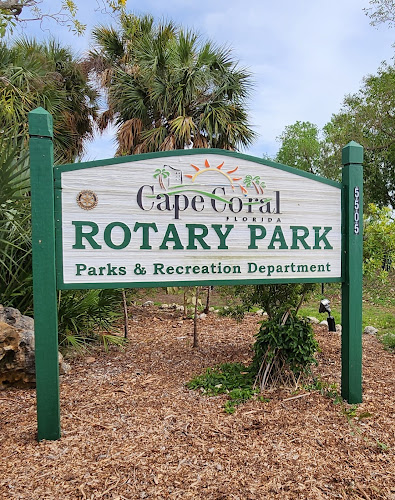
Rotary Park in Cape Coral, Florida, rewards unhurried travelers with exactly the kind of quiet, nature-steeped break they crave. Spread across 97 acres of preserved wetlands, uplands, and salt flats, this attraction balances easy, family-friendly amenities with the kind of wild, briny beauty that makes Southwest Florida special. Locals tend to call it Rotary Park Environmental Center because the Environmental Center anchors the experience: a hub for classes, guided walks, summer camps, and eco-minded events that make the park feel both neighborly and genuinely educational. It is not a manicured garden pretending to be nature. It is a preserve—alive with tides, birds, breezes, and the occasional splash from a turtle.

What do visitors actually do here? They stroll the multiuse trails, pause on the boardwalks over marshland, and climb the modest wildlife observation tower for wind-in-the-face views. They bring kids to the playground to burn off some energy, sneak in a picnic at shaded tables, or grab a bench and watch herons puncture the shallows. They wander into the Tom Allen Memorial Butterfly House during open hours to watch native butterflies flit among nectar plants while volunteer docents explain what’s blooming, who’s feeding, and how to help at home. And dog people know the drill: Wagging Tails Dog Park is a favorite, with off-leash sections and a social vibe that makes new friends fast.

The park’s origin story matters too. The site was preserved thanks to funding from a grant from the Florida Department of Environmental Protection, and community energy—especially from three local Rotary clubs—helped build momentum for what opened in 2001. That public-spirited foundation still shows. The Environmental Center runs programs for homeschool groups, occasional native plant sales, wildlife talks, and family activities that make first-time visitors feel like regulars. If a city could have a living classroom, this would be Cape Coral’s.

Because Rotary Park lies within the Great Florida Birding Trail corridor, it’s a magnet during migrations. Dawn and late afternoon deliver the best show: ospreys hanging on the wind, egrets standing like punctuation in the flats, and—on lucky days—roseate spoonbills sweeping the marshes with that unmistakable bubblegum-pink flash. Burrowing owls are a Cape Coral icon, and while they aren’t guaranteed, careful, respectful observation along designated areas sometimes pays off. A small tip from seasoned walkers: listen before looking; their soft calls often give them away.

As a nature preserve, the experience can change day to day. After summer rains or when the tide is high, trails can feel swampy or buggy. On dry winter mornings, the air sharpens, and the boardwalk’s mangrove views stretch farther than expected. That dynamism is the point here: Rotary Park isn’t a theme park. It’s a living slice of coastal habitat on the west side of Cape Coral, near the Rose Garden neighborhood and not far from Tarpon Point. Those streets are some of the city’s prettiest, by the way, with mature landscaping and canal views—folks often say it’s one of the nicest areas in Cape Coral for a simple drive after a morning walk.

A practical word, since travelers ask: there is no restaurant inside Rotary Park, though the Cape Coral Parkway West corridor and the Tarpon Point Marina area have plenty of dining options a short drive away. Food vendors occasionally appear at special events or festivals, but it’s smart to bring your own snacks or lunch. And while entrance to the park is typically free, certain programs, room rentals, and the dog park may involve a fee or pass. The Butterfly House tours commonly suggest a small donation to support their volunteer-led work. It’s budget-friendly overall—an easy Yes for anyone hunting for cheap or free things to do in Cape Coral that don’t feel like a consolation prize.

This writer has looped these paths more times than he can count, and the moment that sticks is always the same: stepping onto the observation tower on a breezy day. Everything slows. You see the patterns—the wind across the salt marshes, the fiddler crabs surfacing on the banks, a lone kayaker far off in the canals. Even after years, it’s never boring. In truth, the park’s only real shortcoming is the weather; the Florida sun gets bossy by midday in summer. But that’s fixable—go early, go late, bring water, and dab on the repellent. The reward is worth it.

Key Features

  • Rotary Park Environmental Center: The park’s heart, with educational programs, community events, and rooms available to rent for gatherings.
  • 97 acres of habitat: A preserved mix of wetlands, salt marshes, uplands, and ponds shaped by tides and seasonal rains.
  • Trails and boardwalks: Easy, flat loops and boardwalk sections suitable for relaxed walks, running, or kid-friendly hikes.
  • Wildlife observation tower: A breezy vantage for scanning mangrove edges, marshland, and wading birds at dawn or dusk.
  • Tom Allen Memorial Butterfly House: Volunteer-led tours featuring native species, nectar gardens, and practical tips for home butterfly gardening.
  • Wagging Tails Dog Park: Off-leash areas for dogs, with separate spaces and rules to keep playtime orderly; a pass or fee may apply.
  • Playground: Slides, swings, and open space close to restrooms and picnic tables—great for a post-hike cooldown.
  • Picnic amenities: Picnic tables and barbecue grills for family lunches or low-key celebrations under the trees.
  • Cycling access: Bike-friendly lanes approaching the park; bikes are welcome, and riders should walk bicycles on boardwalks.
  • Restrooms on-site: Public restroom facilities near the Environmental Center for convenience.
  • Accessibility: Wheelchair-accessible entrance and parking; boardwalks and paved segments help make nature more reachable.
  • Kid-centric programs: Summer camps, homeschool days, and hands-on activities that turn a casual visit into an outdoor science class.
  • Birding hotspot: Part of the Great Florida Birding Trail, with regular sightings of herons, egrets, ospreys, and seasonal migrants.
  • Photography-friendly settings: Flower gardens, butterfly enclosures, marsh overlooks, and golden-hour light across the flats.
  • Community feel: Volunteer projects, native plant sales, and festivals that support conservation and local wildlife education.

Best Time to Visit

For comfort and wildlife viewing, the sweet spot is October through April, especially in the morning. Cooler temperatures, fewer mosquitoes, and the winter-spring migration combine to make these months prime time. Sunrises paint the wetlands in soft pastels; sunsets can be dramatic across the salt flats if there’s a touch of cloud cover. In late spring, the butterfly gardens often glow with activity, and the Tom Allen Memorial Butterfly House tours are a feel-good add-on.

Summer visits can still be lovely, especially right after sunrise, but heat and humidity spike quickly. Bring more water than seems necessary, wear a hat, and reapply sunscreen. An afternoon thunderstorm can flip the script—mosquitoes rise, and trails may be wet or temporarily muddy. If that happens, take the boardwalk route and stick to the observation tower where breezes can help. Tide matters too. Low tide exposes more salt flats—great for spotting crabs and wading birds. High tide can push fish into calmer edges, drawing in herons and egrets. Either way, patience rewards the observer here.

For families, weekends in winter are popular, but they’re popular for a reason: mellow weather, active wildlife, and a social park vibe. Those who prefer empty paths should aim for weekday mornings. Photographers chase golden hour on both ends of the day; the tower and the edge of the marsh are classic compositions that never get old.

How to Get There

Rotary Park sits on Cape Coral’s west side, within an easy drive from most parts of the city and about 25–35 minutes from many Fort Myers neighborhoods depending on traffic. From central Cape Coral, many drivers take Cape Coral Parkway West, head south on Pelican Boulevard, and continue toward the Rose Garden area; clear signage makes the final approach straightforward. The main parking lot is adjacent to the Environmental Center, and overflow is typically obvious during larger events.

Cyclists appreciate the ride-in option along neighborhood lanes—flat, scenic, and safer than major thoroughfares. There are cycling lanes leading toward the park, but once inside, riders should be mindful of walkers and wildlife. Walk bicycles on boardwalks and around the Butterfly House to protect both people and the habitat.

Is there public transportation? Limited. Lee County’s bus service doesn’t always put a stop directly at the entrance and schedules can be sparse on weekends or evenings. Rideshare or a car remains the most reliable way to visit. Fortunately, parking is free and usually ample outside of major festivals.

Out-of-towners often combine Rotary Park with nearby canal walks, a marina visit, or a meal in the Cape Coral Parkway West dining district. And for those idly wondering about the nicer neighborhoods in Cape Coral: the Rose Garden area around the park is frequently mentioned by locals for its mature shade, quiet streets, and water views. Regardless, the park itself remains refreshingly relaxed—more birdsong than bustle.

Tips for Visiting

These bite-sized pointers help turn a good Rotary Park morning into a great one:

  • Arrive early. Dawn light is cooler, colors are richer, and wildlife tends to be more active. Midday heat in Florida is no joke, especially in summer.
  • Hydrate and protect. Bring water, sunscreen, and a hat. During mosquito season, repellent is the difference between sweet memories and hurried goodbyes.
  • Plan for the tides. Low tide changes the feel of the marsh and exposes critter activity. If you’re a birder, check tide times and time your visit.
  • Expect natural surfaces. Some trails are sandy or slightly uneven. Closed-toe shoes are smart if you plan to wander beyond the boardwalks.
  • Accessibility notes. The entrance and parking are wheelchair accessible, and boardwalks improve access. Some sandy sections may be challenging after rain.
  • Dog rules. Leashed dogs are welcome in general areas; off-leash play is limited to the Wagging Tails Dog Park. A pass or day fee and proof of vaccinations may be required, so check ahead. No dogs in the Butterfly House.
  • Butterfly House details. Tours commonly operate on set days/times led by volunteers and may suggest a small donation. Handheld photography is usually fine; ask docents for current guidelines and avoid flash.
  • Pack a picnic. There’s no restaurant inside the park, and vendors are event-based. Picnic tables and barbecue grills make DIY lunches painless.
  • Respect wildlife. Stay on trails, give burrowing owls and gopher tortoises wide birth, and never feed animals. It’s better for them—and the next visitor.
  • Watch for weather. Summer storms pass quickly but can flood low spots or spur insects. If clouds build, pivot to the boardwalk and the observation tower.
  • Family-friendly strategy. Pair a short hike with 20 minutes at the playground, then a Butterfly House tour. It’s an easy arc for kids who need variety.
  • Photography picks. Golden hour at the tower, macro shots in the butterfly garden, and reflections along the marsh after rain produce reliable keepers.
  • Events and programs. From native plant sales and wildlife talks to homeschool days and summer camps, the Rotary Park Environmental Center keeps a packed calendar. It’s worth checking schedules before you go.
  • Budget win. Park entry is typically free. If you’re keeping costs down in Cape Coral, this ranks high on the list of easy, meaningful experiences.
  • Be realistic. On some days, bugs buzz, the air sits heavy, or a trail feels soggy. That’s coastal Florida. Lean into it with the right gear, and the payoff is real.

For travelers curious about what exactly is here, think layers: an Environmental Center that fosters learning and community; trails and boardwalks that blend simple exercise with subtle beauty; a butterfly house that delights kids and plant nerds; a dog park that gives four-legged friends their moment; a playground that convinces even reluctant hikers to join the family outing; and dozens of little edges—flower beds, brackish pools, mangrove fringes—where life seems to hum. The result is an attraction that feels like a gift from Cape Coral to both locals and visitors.

A balanced word on expectations: because this is a preserved landscape, not every corner looks postcard-perfect all the time. Mosquitoes can be feisty, signage can feel sparse in places, and the occasional boardwalk repair or trail closure pops up after storms. Yet the overall experience trends strongly positive—clean facilities, friendly volunteers, and a steady stream of wildlife sightings that keep people returning. One might say Rotary Park is a place that manages to be serene without being sleepy, educational without being preachy, and social without crowding out the very nature that makes it worth visiting. For a Florida park, that’s a trick worth celebrating.

Key Features

  • 97-acre preserved wetlands, uplands and salt flats
  • Accessible boardwalks and nature trails
  • Environmental Education Center with exhibits and programs
  • Butterfly house and native plant gardens
  • Observation platforms and wildlife viewing opportunities

More Details

Updated November 1, 2025

Description

Rotary Park in Cape Coral, Florida, rewards unhurried travelers with exactly the kind of quiet, nature-steeped break they crave. Spread across 97 acres of preserved wetlands, uplands, and salt flats, this attraction balances easy, family-friendly amenities with the kind of wild, briny beauty that makes Southwest Florida special. Locals tend to call it Rotary Park Environmental Center because the Environmental Center anchors the experience: a hub for classes, guided walks, summer camps, and eco-minded events that make the park feel both neighborly and genuinely educational. It is not a manicured garden pretending to be nature. It is a preserve—alive with tides, birds, breezes, and the occasional splash from a turtle.

What do visitors actually do here? They stroll the multiuse trails, pause on the boardwalks over marshland, and climb the modest wildlife observation tower for wind-in-the-face views. They bring kids to the playground to burn off some energy, sneak in a picnic at shaded tables, or grab a bench and watch herons puncture the shallows. They wander into the Tom Allen Memorial Butterfly House during open hours to watch native butterflies flit among nectar plants while volunteer docents explain what’s blooming, who’s feeding, and how to help at home. And dog people know the drill: Wagging Tails Dog Park is a favorite, with off-leash sections and a social vibe that makes new friends fast.

The park’s origin story matters too. The site was preserved thanks to funding from a grant from the Florida Department of Environmental Protection, and community energy—especially from three local Rotary clubs—helped build momentum for what opened in 2001. That public-spirited foundation still shows. The Environmental Center runs programs for homeschool groups, occasional native plant sales, wildlife talks, and family activities that make first-time visitors feel like regulars. If a city could have a living classroom, this would be Cape Coral’s.

Because Rotary Park lies within the Great Florida Birding Trail corridor, it’s a magnet during migrations. Dawn and late afternoon deliver the best show: ospreys hanging on the wind, egrets standing like punctuation in the flats, and—on lucky days—roseate spoonbills sweeping the marshes with that unmistakable bubblegum-pink flash. Burrowing owls are a Cape Coral icon, and while they aren’t guaranteed, careful, respectful observation along designated areas sometimes pays off. A small tip from seasoned walkers: listen before looking; their soft calls often give them away.

As a nature preserve, the experience can change day to day. After summer rains or when the tide is high, trails can feel swampy or buggy. On dry winter mornings, the air sharpens, and the boardwalk’s mangrove views stretch farther than expected. That dynamism is the point here: Rotary Park isn’t a theme park. It’s a living slice of coastal habitat on the west side of Cape Coral, near the Rose Garden neighborhood and not far from Tarpon Point. Those streets are some of the city’s prettiest, by the way, with mature landscaping and canal views—folks often say it’s one of the nicest areas in Cape Coral for a simple drive after a morning walk.

A practical word, since travelers ask: there is no restaurant inside Rotary Park, though the Cape Coral Parkway West corridor and the Tarpon Point Marina area have plenty of dining options a short drive away. Food vendors occasionally appear at special events or festivals, but it’s smart to bring your own snacks or lunch. And while entrance to the park is typically free, certain programs, room rentals, and the dog park may involve a fee or pass. The Butterfly House tours commonly suggest a small donation to support their volunteer-led work. It’s budget-friendly overall—an easy Yes for anyone hunting for cheap or free things to do in Cape Coral that don’t feel like a consolation prize.

This writer has looped these paths more times than he can count, and the moment that sticks is always the same: stepping onto the observation tower on a breezy day. Everything slows. You see the patterns—the wind across the salt marshes, the fiddler crabs surfacing on the banks, a lone kayaker far off in the canals. Even after years, it’s never boring. In truth, the park’s only real shortcoming is the weather; the Florida sun gets bossy by midday in summer. But that’s fixable—go early, go late, bring water, and dab on the repellent. The reward is worth it.

Key Features

  • Rotary Park Environmental Center: The park’s heart, with educational programs, community events, and rooms available to rent for gatherings.
  • 97 acres of habitat: A preserved mix of wetlands, salt marshes, uplands, and ponds shaped by tides and seasonal rains.
  • Trails and boardwalks: Easy, flat loops and boardwalk sections suitable for relaxed walks, running, or kid-friendly hikes.
  • Wildlife observation tower: A breezy vantage for scanning mangrove edges, marshland, and wading birds at dawn or dusk.
  • Tom Allen Memorial Butterfly House: Volunteer-led tours featuring native species, nectar gardens, and practical tips for home butterfly gardening.
  • Wagging Tails Dog Park: Off-leash areas for dogs, with separate spaces and rules to keep playtime orderly; a pass or fee may apply.
  • Playground: Slides, swings, and open space close to restrooms and picnic tables—great for a post-hike cooldown.
  • Picnic amenities: Picnic tables and barbecue grills for family lunches or low-key celebrations under the trees.
  • Cycling access: Bike-friendly lanes approaching the park; bikes are welcome, and riders should walk bicycles on boardwalks.
  • Restrooms on-site: Public restroom facilities near the Environmental Center for convenience.
  • Accessibility: Wheelchair-accessible entrance and parking; boardwalks and paved segments help make nature more reachable.
  • Kid-centric programs: Summer camps, homeschool days, and hands-on activities that turn a casual visit into an outdoor science class.
  • Birding hotspot: Part of the Great Florida Birding Trail, with regular sightings of herons, egrets, ospreys, and seasonal migrants.
  • Photography-friendly settings: Flower gardens, butterfly enclosures, marsh overlooks, and golden-hour light across the flats.
  • Community feel: Volunteer projects, native plant sales, and festivals that support conservation and local wildlife education.

Best Time to Visit

For comfort and wildlife viewing, the sweet spot is October through April, especially in the morning. Cooler temperatures, fewer mosquitoes, and the winter-spring migration combine to make these months prime time. Sunrises paint the wetlands in soft pastels; sunsets can be dramatic across the salt flats if there’s a touch of cloud cover. In late spring, the butterfly gardens often glow with activity, and the Tom Allen Memorial Butterfly House tours are a feel-good add-on.

Summer visits can still be lovely, especially right after sunrise, but heat and humidity spike quickly. Bring more water than seems necessary, wear a hat, and reapply sunscreen. An afternoon thunderstorm can flip the script—mosquitoes rise, and trails may be wet or temporarily muddy. If that happens, take the boardwalk route and stick to the observation tower where breezes can help. Tide matters too. Low tide exposes more salt flats—great for spotting crabs and wading birds. High tide can push fish into calmer edges, drawing in herons and egrets. Either way, patience rewards the observer here.

For families, weekends in winter are popular, but they’re popular for a reason: mellow weather, active wildlife, and a social park vibe. Those who prefer empty paths should aim for weekday mornings. Photographers chase golden hour on both ends of the day; the tower and the edge of the marsh are classic compositions that never get old.

How to Get There

Rotary Park sits on Cape Coral’s west side, within an easy drive from most parts of the city and about 25–35 minutes from many Fort Myers neighborhoods depending on traffic. From central Cape Coral, many drivers take Cape Coral Parkway West, head south on Pelican Boulevard, and continue toward the Rose Garden area; clear signage makes the final approach straightforward. The main parking lot is adjacent to the Environmental Center, and overflow is typically obvious during larger events.

Cyclists appreciate the ride-in option along neighborhood lanes—flat, scenic, and safer than major thoroughfares. There are cycling lanes leading toward the park, but once inside, riders should be mindful of walkers and wildlife. Walk bicycles on boardwalks and around the Butterfly House to protect both people and the habitat.

Is there public transportation? Limited. Lee County’s bus service doesn’t always put a stop directly at the entrance and schedules can be sparse on weekends or evenings. Rideshare or a car remains the most reliable way to visit. Fortunately, parking is free and usually ample outside of major festivals.

Out-of-towners often combine Rotary Park with nearby canal walks, a marina visit, or a meal in the Cape Coral Parkway West dining district. And for those idly wondering about the nicer neighborhoods in Cape Coral: the Rose Garden area around the park is frequently mentioned by locals for its mature shade, quiet streets, and water views. Regardless, the park itself remains refreshingly relaxed—more birdsong than bustle.

Tips for Visiting

These bite-sized pointers help turn a good Rotary Park morning into a great one:

  • Arrive early. Dawn light is cooler, colors are richer, and wildlife tends to be more active. Midday heat in Florida is no joke, especially in summer.
  • Hydrate and protect. Bring water, sunscreen, and a hat. During mosquito season, repellent is the difference between sweet memories and hurried goodbyes.
  • Plan for the tides. Low tide changes the feel of the marsh and exposes critter activity. If you’re a birder, check tide times and time your visit.
  • Expect natural surfaces. Some trails are sandy or slightly uneven. Closed-toe shoes are smart if you plan to wander beyond the boardwalks.
  • Accessibility notes. The entrance and parking are wheelchair accessible, and boardwalks improve access. Some sandy sections may be challenging after rain.
  • Dog rules. Leashed dogs are welcome in general areas; off-leash play is limited to the Wagging Tails Dog Park. A pass or day fee and proof of vaccinations may be required, so check ahead. No dogs in the Butterfly House.
  • Butterfly House details. Tours commonly operate on set days/times led by volunteers and may suggest a small donation. Handheld photography is usually fine; ask docents for current guidelines and avoid flash.
  • Pack a picnic. There’s no restaurant inside the park, and vendors are event-based. Picnic tables and barbecue grills make DIY lunches painless.
  • Respect wildlife. Stay on trails, give burrowing owls and gopher tortoises wide birth, and never feed animals. It’s better for them—and the next visitor.
  • Watch for weather. Summer storms pass quickly but can flood low spots or spur insects. If clouds build, pivot to the boardwalk and the observation tower.
  • Family-friendly strategy. Pair a short hike with 20 minutes at the playground, then a Butterfly House tour. It’s an easy arc for kids who need variety.
  • Photography picks. Golden hour at the tower, macro shots in the butterfly garden, and reflections along the marsh after rain produce reliable keepers.
  • Events and programs. From native plant sales and wildlife talks to homeschool days and summer camps, the Rotary Park Environmental Center keeps a packed calendar. It’s worth checking schedules before you go.
  • Budget win. Park entry is typically free. If you’re keeping costs down in Cape Coral, this ranks high on the list of easy, meaningful experiences.
  • Be realistic. On some days, bugs buzz, the air sits heavy, or a trail feels soggy. That’s coastal Florida. Lean into it with the right gear, and the payoff is real.

For travelers curious about what exactly is here, think layers: an Environmental Center that fosters learning and community; trails and boardwalks that blend simple exercise with subtle beauty; a butterfly house that delights kids and plant nerds; a dog park that gives four-legged friends their moment; a playground that convinces even reluctant hikers to join the family outing; and dozens of little edges—flower beds, brackish pools, mangrove fringes—where life seems to hum. The result is an attraction that feels like a gift from Cape Coral to both locals and visitors.

A balanced word on expectations: because this is a preserved landscape, not every corner looks postcard-perfect all the time. Mosquitoes can be feisty, signage can feel sparse in places, and the occasional boardwalk repair or trail closure pops up after storms. Yet the overall experience trends strongly positive—clean facilities, friendly volunteers, and a steady stream of wildlife sightings that keep people returning. One might say Rotary Park is a place that manages to be serene without being sleepy, educational without being preachy, and social without crowding out the very nature that makes it worth visiting. For a Florida park, that’s a trick worth celebrating.

Key Highlights

  • 97-acre preserved wetlands, uplands and salt flats
  • Accessible boardwalks and nature trails
  • Environmental Education Center with exhibits and programs
  • Butterfly house and native plant gardens
  • Observation platforms and wildlife viewing opportunities

Location

Places to Stay Near Rotary Park

Find and Book a Tour

Explore More Travel Guides

No reviews found! Be the first to review!

Traveler Reviews for Rotary Park

There are no reviews yet. Be the first one to write one.

Share Your Experience

Have you visited Rotary Park? Help other travelers by sharing your review.

Nearby Attractions

Four Mile Cove Ecological Preserve Sun Splash Family Waterpark Cape Coral Yacht Club and beachfront park

Find Accommodations Nearby

Recommended Tours & Activities

Visitor Reviews

There are no reviews yet. Be the first one to write one.

Share Your Experience

Have you visited Rotary Park? Help other travelers by leaving a review.