
Rosie the Riveter National Historical Park
About Rosie the Riveter National Historical Park
Description
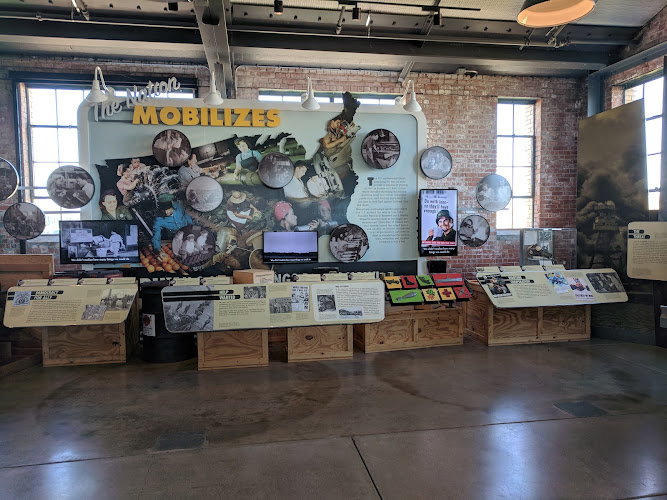
If you’ve ever wondered what it really felt like on the American home front during World War II, the Rosie the Riveter National Historical Park offers a rare and deep dive into that era. This unique spot focuses on the men and women who kept the country running while so many fought abroad. You’ll learn about the strength, grit, and sheer determination of those workers, especially the iconic Rosie the Riveters—women who shattered the glass ceiling and took on traditionally male jobs in shipyards and factories. The visitor center itself does a great job pulling you into this fascinating slice of history, using photos, exhibits, and personal stories that really hit home.
One thing that often surprises visitors is how this park isn’t just about women’s history, but about the collective effort of the entire community, including men, families, and even children who contributed to the war effort. Plus, the Rosie the Riveter Memorial is not just some random statue; it commemorates this spirit in a way that’s both moving and thought-provoking. It’s not just history on display—it’s a respectful tribute to resilience and unity.
But here’s the kicker: it’s not just a museum where you passively look at displays. This park encourages interaction and reflection. Whether you’re a history buff or someone who’s just vaguely curious, the storytelling here is compelling enough to keep you engaged for hours. And they’ve really thought of comfort too. The place is wheelchair accessible, pet-friendly (yes, bring your furry pals!), and has restroom facilities that are clean and convenient. It’s also quite kid-friendly, making it a solid option if you’re traveling with little ones who might get an educational kick out of seeing history in action.
Visitors often mention how the park doubles as a sweet picnic spot. There’s a relaxed vibe here—even though the history is intense, you can kick back and soak in the atmosphere after exploring. The ability to pay by card keeps things easy-peasy, especially if you’re a traveler who hates fumbling with cash. So, this isn’t just a historical park frozen in time—it’s a living, breathing space that invites you to learn, remember, and even chill out a bit.
Key Features
- Engaging visitor center spotlighting WWII home front workers, with an emphasis on women’s vital contributions
- Rosie the Riveter Memorial, honoring the iconic symbol of female empowerment during the war
- Interactive exhibits showcasing personal stories, photographs, and historical artifacts
- Wheelchair accessible entrances and parking to ensure ease of visit for everyone
- Pet-friendly policies so you can bring your four-legged friends along
- Kid-friendly environment with educational displays that keep young minds curious
- Public restrooms and picnic areas to make your visit comfortable and relaxed
- Credit and debit card payments accepted for hassle-free transactions on site
- Located in Richmond, close enough to other Bay Area attractions but with its own unique vibe
Best Time to Visit
Honestly, the park is worth a visit year-round, but if you want my take, spring and fall steal the show. The Bay Area tends to get that mild, gentle weather that makes exploring outdoors pretty darn enjoyable. Summers can get busy with tourists, especially on weekends, and winter might drizzle a bit, which isn’t always fun if you plan to picnic or wander the outdoor sections. I’ve been there in late April, and the weather was just perfect—not too hot, not too cold, and the crowds were light enough to feel like you had some breathing room.
Early weekday mornings are a sweet spot if you want a quieter experience, especially if you’re really into the exhibits and want uninterrupted time to pore over all the details. Plus, if you time your visit with any special events or commemorative days related to WWII, you might catch something really special—think talks, workshops, or reenactments. But those events can draw crowds, so if you’re a people-avoider like me, maybe skip those or get there early.
How to Get There
This park sits in Richmond, California, which is conveniently close to the San Francisco Bay Area’s busy transportation routes. If you’re driving, it’s pretty straightforward to find parking; they offer accessible spots and a decent amount for visitors. Just look for signs pointing toward the historical park area once you’re in the neighborhood. I remember one visit when GPS took me on a wild goose chase, but a simple call to the visitor center cleared things right up.
If public transportation is your style, there’s the Richmond BART station nearby, and from there, you can take local buses or rideshares. It’s about a 10-15 minute trip from the station, and the area is visitor-friendly enough that even if you’re not the most confident urban traveler, you shouldn’t have trouble. Plus, rideshare apps make the final leg easy and usually affordable.
For those who come from outside the Bay Area, San Francisco International Airport is the closest major airport. Renting a car will give you the most flexibility, especially if you want to hit other local sites on the same trip. Just a heads up though—while Richmond isn’t any sort of hidden secret, it’s not as tourist-packed as other spots around the Bay, so it’s a bit of a gem that feels off the beaten path.
Tips for Visiting
Alright, here’s the deal—if you want to get the most out of your visit, a little planning goes a long way. First off, give yourself at least two hours. It might not sound like a long time, but once you start getting into the stories and exhibits, time flies. No one likes rushing through a place like this because you’re inevitably going to miss the juicy bits that make history come alive.
Bring a camera or your smartphone, by the way. There are plenty of photo-worthy moments, especially around the memorial and the outdoor spaces. But please, be respectful—the park honors real people who sacrificed so much, so the vibe is more reflective than party-like.
Since the park is kid-friendly, bringing the little ones can be a great way to spark their interest in history early on. Just maybe prep them with a quick “why this place matters” chat beforehand so they don’t zone out as soon as you walk in.
Oh, and don’t forget to wear comfy shoes. The visitor center is easy to navigate, but exploring the memorial and surrounding areas means getting some steps in. If you’re planning on a picnic, pack a blanket and some snacks—the designated areas are perfect for taking a break and soaking in the atmosphere.
If you’re a dog person, you’re in luck. The park allows dogs, so long as you keep them on a leash and clean up afterward. It’s great that they include our canine friends, because, honestly, who wants to leave their buddy behind on a fun trip?
Lastly, check the park hours before you go. They can sometimes shift due to holidays or special events. Calling ahead or verifying online might save you from that disappointment of walking up to closed gates. Remember, this is a national historical park that depends on preservation and respect, so the staff are generally helpful and friendly if you have questions.
In the end, visiting Rosie the Riveter National Historical Park isn’t just about seeing a museum—it’s about feeling connected to a time when people banded together under pressure and changed the course of history. And if at the end of your visit you walk away with a little more admiration for everyday heroes, then this place has done its job perfectly.
Key Features
- Engaging visitor center spotlighting WWII home front workers, with an emphasis on women’s vital contributions
- Rosie the Riveter Memorial, honoring the iconic symbol of female empowerment during the war
- Interactive exhibits showcasing personal stories, photographs, and historical artifacts
- Wheelchair accessible entrances and parking to ensure ease of visit for everyone
- Pet-friendly policies so you can bring your four-legged friends along
- Kid-friendly environment with educational displays that keep young minds curious
- Public restrooms and picnic areas to make your visit comfortable and relaxed
- Credit and debit card payments accepted for hassle-free transactions on site
More Details
Updated August 8, 2025
Table of Contents
- Description
- Key Features
- Best Time to Visit
- How to Get There
- Tips for Visiting
- Key Highlights
- Location
- Places to Stay Near Rosie the Riveter National Historical Park
- Find and Book a Tour
- Explore More Travel Guides
- Nearby Places You Might Like
- Traveler Reviews for Rosie the Riveter National Historical Park
- Share Your Experience
Description
If you’ve ever wondered what it really felt like on the American home front during World War II, the Rosie the Riveter National Historical Park offers a rare and deep dive into that era. This unique spot focuses on the men and women who kept the country running while so many fought abroad. You’ll learn about the strength, grit, and sheer determination of those workers, especially the iconic Rosie the Riveters—women who shattered the glass ceiling and took on traditionally male jobs in shipyards and factories. The visitor center itself does a great job pulling you into this fascinating slice of history, using photos, exhibits, and personal stories that really hit home.
One thing that often surprises visitors is how this park isn’t just about women’s history, but about the collective effort of the entire community, including men, families, and even children who contributed to the war effort. Plus, the Rosie the Riveter Memorial is not just some random statue; it commemorates this spirit in a way that’s both moving and thought-provoking. It’s not just history on display—it’s a respectful tribute to resilience and unity.
But here’s the kicker: it’s not just a museum where you passively look at displays. This park encourages interaction and reflection. Whether you’re a history buff or someone who’s just vaguely curious, the storytelling here is compelling enough to keep you engaged for hours. And they’ve really thought of comfort too. The place is wheelchair accessible, pet-friendly (yes, bring your furry pals!), and has restroom facilities that are clean and convenient. It’s also quite kid-friendly, making it a solid option if you’re traveling with little ones who might get an educational kick out of seeing history in action.
Visitors often mention how the park doubles as a sweet picnic spot. There’s a relaxed vibe here—even though the history is intense, you can kick back and soak in the atmosphere after exploring. The ability to pay by card keeps things easy-peasy, especially if you’re a traveler who hates fumbling with cash. So, this isn’t just a historical park frozen in time—it’s a living, breathing space that invites you to learn, remember, and even chill out a bit.
Key Features
- Engaging visitor center spotlighting WWII home front workers, with an emphasis on women’s vital contributions
- Rosie the Riveter Memorial, honoring the iconic symbol of female empowerment during the war
- Interactive exhibits showcasing personal stories, photographs, and historical artifacts
- Wheelchair accessible entrances and parking to ensure ease of visit for everyone
- Pet-friendly policies so you can bring your four-legged friends along
- Kid-friendly environment with educational displays that keep young minds curious
- Public restrooms and picnic areas to make your visit comfortable and relaxed
- Credit and debit card payments accepted for hassle-free transactions on site
- Located in Richmond, close enough to other Bay Area attractions but with its own unique vibe
Best Time to Visit
Honestly, the park is worth a visit year-round, but if you want my take, spring and fall steal the show. The Bay Area tends to get that mild, gentle weather that makes exploring outdoors pretty darn enjoyable. Summers can get busy with tourists, especially on weekends, and winter might drizzle a bit, which isn’t always fun if you plan to picnic or wander the outdoor sections. I’ve been there in late April, and the weather was just perfect—not too hot, not too cold, and the crowds were light enough to feel like you had some breathing room.
Early weekday mornings are a sweet spot if you want a quieter experience, especially if you’re really into the exhibits and want uninterrupted time to pore over all the details. Plus, if you time your visit with any special events or commemorative days related to WWII, you might catch something really special—think talks, workshops, or reenactments. But those events can draw crowds, so if you’re a people-avoider like me, maybe skip those or get there early.
How to Get There
This park sits in Richmond, California, which is conveniently close to the San Francisco Bay Area’s busy transportation routes. If you’re driving, it’s pretty straightforward to find parking; they offer accessible spots and a decent amount for visitors. Just look for signs pointing toward the historical park area once you’re in the neighborhood. I remember one visit when GPS took me on a wild goose chase, but a simple call to the visitor center cleared things right up.
If public transportation is your style, there’s the Richmond BART station nearby, and from there, you can take local buses or rideshares. It’s about a 10-15 minute trip from the station, and the area is visitor-friendly enough that even if you’re not the most confident urban traveler, you shouldn’t have trouble. Plus, rideshare apps make the final leg easy and usually affordable.
For those who come from outside the Bay Area, San Francisco International Airport is the closest major airport. Renting a car will give you the most flexibility, especially if you want to hit other local sites on the same trip. Just a heads up though—while Richmond isn’t any sort of hidden secret, it’s not as tourist-packed as other spots around the Bay, so it’s a bit of a gem that feels off the beaten path.
Tips for Visiting
Alright, here’s the deal—if you want to get the most out of your visit, a little planning goes a long way. First off, give yourself at least two hours. It might not sound like a long time, but once you start getting into the stories and exhibits, time flies. No one likes rushing through a place like this because you’re inevitably going to miss the juicy bits that make history come alive.
Bring a camera or your smartphone, by the way. There are plenty of photo-worthy moments, especially around the memorial and the outdoor spaces. But please, be respectful—the park honors real people who sacrificed so much, so the vibe is more reflective than party-like.
Since the park is kid-friendly, bringing the little ones can be a great way to spark their interest in history early on. Just maybe prep them with a quick “why this place matters” chat beforehand so they don’t zone out as soon as you walk in.
Oh, and don’t forget to wear comfy shoes. The visitor center is easy to navigate, but exploring the memorial and surrounding areas means getting some steps in. If you’re planning on a picnic, pack a blanket and some snacks—the designated areas are perfect for taking a break and soaking in the atmosphere.
If you’re a dog person, you’re in luck. The park allows dogs, so long as you keep them on a leash and clean up afterward. It’s great that they include our canine friends, because, honestly, who wants to leave their buddy behind on a fun trip?
Lastly, check the park hours before you go. They can sometimes shift due to holidays or special events. Calling ahead or verifying online might save you from that disappointment of walking up to closed gates. Remember, this is a national historical park that depends on preservation and respect, so the staff are generally helpful and friendly if you have questions.
In the end, visiting Rosie the Riveter National Historical Park isn’t just about seeing a museum—it’s about feeling connected to a time when people banded together under pressure and changed the course of history. And if at the end of your visit you walk away with a little more admiration for everyday heroes, then this place has done its job perfectly.
Key Highlights
- Engaging visitor center spotlighting WWII home front workers, with an emphasis on women’s vital contributions
- Rosie the Riveter Memorial, honoring the iconic symbol of female empowerment during the war
- Interactive exhibits showcasing personal stories, photographs, and historical artifacts
- Wheelchair accessible entrances and parking to ensure ease of visit for everyone
- Pet-friendly policies so you can bring your four-legged friends along
- Kid-friendly environment with educational displays that keep young minds curious
- Public restrooms and picnic areas to make your visit comfortable and relaxed
- Credit and debit card payments accepted for hassle-free transactions on site
Location
Places to Stay Near Rosie the Riveter National Historical Park
Find and Book a Tour
Explore More Travel Guides
No reviews found! Be the first to review!
Traveler Reviews for Rosie the Riveter National Historical Park
There are no reviews yet. Be the first one to write one.
Have you visited Rosie the Riveter National Historical Park? Help other travelers by sharing your review.
You Might Also Like
Wilton House Museum

Libby Hill Park
Virginia Holocaust Museum
Find Accommodations Nearby
Recommended Tours & Activities
Visitor Reviews
There are no reviews yet. Be the first one to write one.
Share Your Experience
Have you visited Rosie the Riveter National Historical Park? Help other travelers by leaving a review.