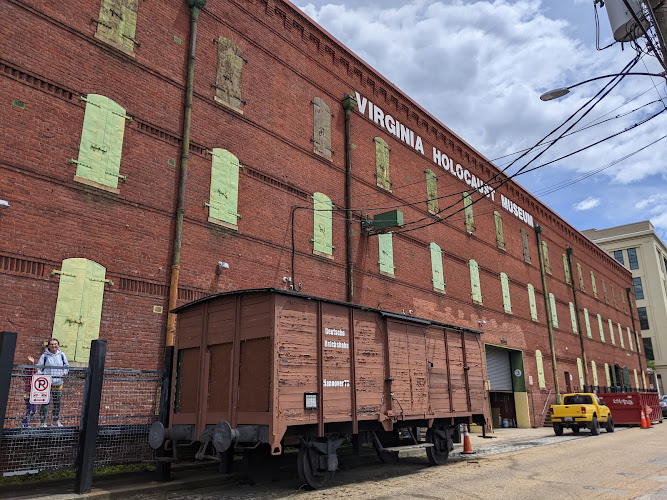
It’s not flashy, not loud—just deeply human. The museum tells the story of the Holocaust through personal accounts, artifacts, and immersive exhibits that bring history startlingly close. Founded in 1997 by Holocaust survivor Jay Ipson along with Mark Fetter and Al Rosenbaum, it was created with one clear purpose: to make sure the lessons of the Holocaust are never forgotten. And it does that remarkably well.
Walking through its halls, you’ll find yourself drawn into the stories of survival and resilience. The exhibits are emotional but thoughtfully presented, guiding visitors through the rise of Nazi Germany, the horrors of concentration camps, and the aftermath that shaped generations. There’s a haunting authenticity to the displays—replicas of train cars, barracks, and personal belongings that remind you these were real people with real lives. It’s not a place you rush through. Every corner seems to whisper something worth pausing for.
One of the things that really hits home is how the museum connects global history with local stories. You’ll learn about survivors who rebuilt their lives right here in Richmond, turning tragedy into a legacy of education and compassion. The museum doesn’t just recount the past; it challenges visitors to think about prejudice and intolerance in today’s world. And honestly, that’s what makes it so powerful. It’s not just about history—it’s about humanity.
Best Time to Visit
If you’re planning a trip, weekdays are your best bet. Mornings tend to be quieter, giving you space to move at your own pace and reflect. During spring and fall, Richmond’s weather is comfortable, which makes exploring the surrounding Shockoe Bottom area afterward quite pleasant. Summer brings more tourists and school groups, so if you prefer a calmer atmosphere, avoid peak vacation months. That said, visiting in winter has its own charm—the museum feels even more introspective when it’s cold outside, almost like the season itself encourages reflection.
There’s no bad time to visit, really. Each season offers something different. I once visited in late October, and the crisp air combined with the museum’s solemn atmosphere made for an experience I’ll never forget. It’s one of those places that stays with you long after you leave, no matter when you go.
How to Get There
Getting to the museum is fairly straightforward. It’s located in Richmond’s historic Shockoe Bottom district, not far from other notable landmarks and restaurants. If you’re driving, there’s free on-site parking—always a win in a city setting. For those relying on public transportation, several bus routes stop nearby, and rideshare services are easily accessible. If you’re staying downtown, it’s a short drive or even a manageable walk depending on where you’re coming from.
Travelers coming from out of town will find that Richmond’s Amtrak station and the city’s main highways make it convenient to reach. The museum’s central location also means you can easily pair your visit with other cultural stops, like the American Civil War Museum or the Edgar Allan Poe Museum. It’s the kind of place that fits seamlessly into a day of exploring Richmond’s rich historical landscape.
Tips for Visiting
First and foremost, give yourself time. This isn’t a museum you breeze through in 20 minutes. Plan for at least two hours, maybe more if you like to read every caption (guilty as charged). The exhibits are dense with information, and you’ll want to absorb as much as possible. Comfortable shoes are a must—there’s a fair bit of walking involved, and you’ll find yourself stopping often to reflect.
If you’re traveling with kids, prepare them for the subject matter. The museum does a good job of presenting history in a way that’s educational without being overwhelming, but conversations afterward can help them process what they’ve seen. The staff are incredibly knowledgeable and approachable, so don’t hesitate to ask questions—they genuinely love what they do and it shows.
Photography is allowed in some areas, but always be mindful and respectful. This isn’t a place for selfies; it’s a place to learn and remember. I always recommend bringing a small notebook or using your phone to jot down thoughts or quotes that resonate with you. It’s amazing how much reflection happens in those quiet moments between exhibits.
And here’s a small but meaningful suggestion—stop by the gift shop before you leave. The selection of books and memorabilia isn’t just about souvenirs; many items directly support the museum’s educational programs. I picked up a book of survivor stories on my last visit, and it’s one of those reads that stays on your mind for weeks.
Lastly, if you can, take a guided tour. Even if you’ve been before, the guides always share new insights and stories that you might miss on your own. Each visit feels different because the museum constantly evolves, adding new exhibits and materials. It’s a living, breathing reminder of history’s weight and the importance of empathy in our everyday lives.
All in all, the Virginia Holocaust Museum is more than just a stop on a travel itinerary—it’s an experience that changes the way you see the world. It’s free, accessible, and profoundly meaningful. Whether you’re a history buff, a teacher, or simply someone who values understanding the past to build a better future, this museum deserves a spot on your Richmond travel list. Just be prepared: it might leave you a little quieter, a little more thoughtful, and a lot more grateful for the stories that survived.
 Real Journey Travels