
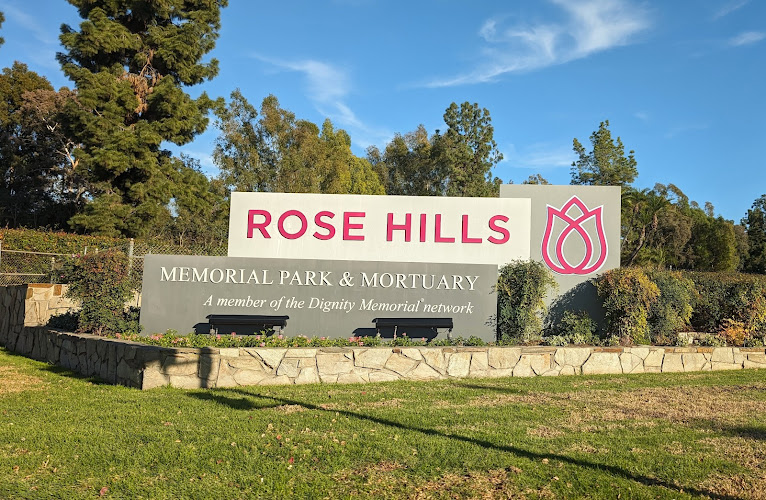
Rose Hills Memorial Park & Mortuary
About Rose Hills Memorial Park & Mortuary
Description
Let’s be real: cemeteries aren’t usually top of your travel list, right? But Rose Hills Memorial Park & Mortuary in Whittier, California, isn’t your average cemetery. If you’re anything like me—curious about sweeping city views, sprawling lawns with centuries of stories, and those quiet sacred nooks that just seem to make time stop—then you’ll genuinely find something meaningfully different here.
This place covers an immense area over sloping hills, edged with mature trees and gardens that surprise you with calm at every turn. From some spots, you’ll catch views across the valley that make you want to stop and just stare a moment—especially at sunset, when the light gets a little gold and dramatic, almost cinematic. That’s pretty magical.
Rose Hills isn’t just a cemetery; it functions as a memorial park, mortuary, and crematorium. It hosts remembrance ceremonies, offers both burial and cremation services, and is well known for its Mission-style Rainbow Chapel. Locals and visitors—myself included—often comment on the tranquil presence of this chapel, the way it’s kept up, and its role as both a spiritual and architectural landmark. Whether it’s the peaceful gardens, the striking shrines and sculptures, or the rare blend of city proximity with a distinctly pastoral vibe, there’s an unexpected hush here that sticks with you.
And here's my honest take: Rose Hills can tug at your heartstrings even if you haven't lost someone yourself. It stands as a moving reminder of the transience of life, but there’s comfort in the beautifully designed grounds and the way it often hosts visitors from every walk of life, all seeking a moment of quiet or perhaps a piece of personal or cultural history. You may run into people leaving flowers, taking meditative walks, or pausing at a headstone deep in thought. You get this sense of shared humanity. Yes, the vibe is solemn, as you might expect, but it’s the good kind—soothing, respectful, and deeply reflective.
But, not every aspect is perfect. Sometimes, logistics can feel a bit overwhelming, especially if you’re not used to huge spaces—meaning large parking areas and the sort of navigational puzzles where the GPS only gets you so far. Some facilities are visibly busier on certain days, which can make parts of the experience less personal. Yet, for most visitors, what stays with you is the dignity, the carefully tended grounds, and the feeling of space to remember or reflect.
Key Features
- Sweeping City Views: From numerous vantage points on the hills, you catch panoramas stretching to downtown Los Angeles on clear days—don’t forget your camera. Clouds rolling over at dusk? Totally surreal.
- Expansive Landscaped Grounds: This is one of the largest memorial parks anywhere (it’s massive, trust me), with a patchwork of lush lawns, old oak and sycamore trees, and walking paths perfect for contemplative strolls.
- Mission-style Rainbow Chapel: Arguably the jewel of the property. The chapel features elegant architecture, original mission-style design elements, and serves as both a prominent ceremonial site and a peaceful retreat.
- Wide Range of Memorials: From classic upright headstones to sculpted monuments and culturally distinct plots, the diversity of memorial traditions on display here is genuinely fascinating.
- Full-Service Funeral Home & Mortuary: Onsite staff handle everything from traditional burial to modern cremation, and can guide you through memorial planning—if you ever need it.
- Accessibility: Wheelchair-friendly parking and paved paths make the location accessible for visitors with mobility needs; some steeper hills, though, might require some extra help.
- Prepayment Plans: For those making future arrangements, there are options to prepay for services—a thoughtful touch that many families appreciate.
- On-site Parking: Space isn’t a problem here, even at busier times. That’s a small joy, honestly, when you think about how packed LA can get.
- Cultural Inclusivity: If you wander enough, you’ll notice memorials from a really wide range of cultures—there’s a rare spirit of inclusiveness here, which makes it a genuine reflection of Southern California’s diversity.
- Carefully Maintained Grounds: Staff are almost always seen tending to gardens, clearing paths, and keeping the experience beautiful (and solemnly respectful).
Best Time to Visit
So, when’s the ideal time to swing by Rose Hills Memorial Park & Mortuary? Well, I’d say late fall through spring offers the best blend of comfortable weather and lush scenery. The Southern California heat can be, let’s say, a bit much in midsummer—those hills don’t provide much shade in the open spots, even though the trees do their best. In winter (which is still pretty mild here, California style), the air is crisp and the views sharper. Early mornings give you soft light and fewer visitors, making it perfect if you want a bit of solitude.
If you’re interested in cultural traditions or would be curious to see how different communities honor their loved ones, keep an eye out for the days surrounding important holidays and memorials—like Día de los Muertos, Ching Ming, or during large-scale remembrance events near Memorial Day. You’ll experience the place almost as a living, evolving museum, full of meaning and activity.
Avoid weekends if you’re allergic to crowds—weekdays are noticeably quieter, and you can take your time exploring without feeling like you’re in anyone’s way. And trust me: late afternoons in autumn, when light filters through the sycamores and you can hear little more than your own footsteps, that’s pure poetry.
How to Get There
If you’re not a seasoned LA driver, here’s the scoop: Rose Hills Memorial Park & Mortuary sits on the east side of Los Angeles County, within easy driving range from downtown. But fair warning, LA traffic gets wild—so plan ahead and give yourself plenty of time. You’ll find clear highway access from several major freeways, which helps.
Public transport? It’s, uh, not ideal, but not impossible. You can take Metrolink or Metro lines to nearby Whittier, though you might need to cab or rideshare the final stretch. Map apps will route you through winding residential neighborhoods, but signage is pretty reliable once you’re close. The grounds themselves are vast—like, genuinely vast. Expect to drive from the entrance to the main chapel or parking lots, unless you really want a workout.
Tip from me: Have your target destination inside the park mapped out ahead of time. Whether you’re visiting a specific grave, attending a service, or just coming to take in the grounds, you don’t want to be circling with a funeral procession at your bumper. There’s plenty of on-site parking, so don’t stress that.
Tips for Visiting
If there’s one thing I’d stress: bring comfortable walking shoes. Even if you only plan a quick stop, you’ll likely end up wandering farther than intended, because something always catches your attention—a beautifully carved headstone, a view of the city below, the scent of eucalyptus or jasmine drifting on the breeze. It’s a place that makes you want to slow down.
Respectful attire is a no brainer but worth stating, especially given how many memorial services are happening daily. And if you’re visiting for contemplation or sightseeing (totally ok, by the way), keep your noise level down and avoid large groups—families or mourners may be nearby.
- Start Early: Arriving in the morning gives you the best light and the quietest atmosphere. Plus, LA traffic’s a bit less nasty.
- Grab a Map: Stop at the office or ask staff—they have visitor maps and are usually happy to point you to landmarks, trails, or specific sections. Don’t be shy to ask for directions!
- Plan for Weather: Sunscreen and water are a must in summer. In spring, those hills can get muddy after rain—don’t wear your finest white sneakers, like I once did (regrets, trust me).
- Photography: Photos are usually allowed, but be tasteful. Never photograph people at services or mourning unless you have clear permission. Some of the best images are simply of the landscape anyway.
- Cultural Etiquette: Please be sensitive around culturally distinct burial sections—there may be traditions or private ceremonies happening.
- Food & Drink: There aren’t a lot of options on-site. If you’re planning a long visit, pack water and maybe a snack
Key Features
- Key Features
- Best Time to Visit
- How to Get There
- Tips for Visiting
More Details
Updated July 9, 2025
Table of Contents
- Description
- Key Features
- Best Time to Visit
- How to Get There
- Tips for Visiting
- Key Highlights
- Location
- Places to Stay Near Rose Hills Memorial Park & Mortuary
- Find and Book a Tour
- Explore More Travel Guides
- Nearby Places You Might Like
- Traveler Reviews for Rose Hills Memorial Park & Mortuary
- Share Your Experience
Description
Let’s be real: cemeteries aren’t usually top of your travel list, right? But Rose Hills Memorial Park & Mortuary in Whittier, California, isn’t your average cemetery. If you’re anything like me—curious about sweeping city views, sprawling lawns with centuries of stories, and those quiet sacred nooks that just seem to make time stop—then you’ll genuinely find something meaningfully different here.
This place covers an immense area over sloping hills, edged with mature trees and gardens that surprise you with calm at every turn. From some spots, you’ll catch views across the valley that make you want to stop and just stare a moment—especially at sunset, when the light gets a little gold and dramatic, almost cinematic. That’s pretty magical.
Rose Hills isn’t just a cemetery; it functions as a memorial park, mortuary, and crematorium. It hosts remembrance ceremonies, offers both burial and cremation services, and is well known for its Mission-style Rainbow Chapel. Locals and visitors—myself included—often comment on the tranquil presence of this chapel, the way it’s kept up, and its role as both a spiritual and architectural landmark. Whether it’s the peaceful gardens, the striking shrines and sculptures, or the rare blend of city proximity with a distinctly pastoral vibe, there’s an unexpected hush here that sticks with you.
And here’s my honest take: Rose Hills can tug at your heartstrings even if you haven’t lost someone yourself. It stands as a moving reminder of the transience of life, but there’s comfort in the beautifully designed grounds and the way it often hosts visitors from every walk of life, all seeking a moment of quiet or perhaps a piece of personal or cultural history. You may run into people leaving flowers, taking meditative walks, or pausing at a headstone deep in thought. You get this sense of shared humanity. Yes, the vibe is solemn, as you might expect, but it’s the good kind—soothing, respectful, and deeply reflective.
But, not every aspect is perfect. Sometimes, logistics can feel a bit overwhelming, especially if you’re not used to huge spaces—meaning large parking areas and the sort of navigational puzzles where the GPS only gets you so far. Some facilities are visibly busier on certain days, which can make parts of the experience less personal. Yet, for most visitors, what stays with you is the dignity, the carefully tended grounds, and the feeling of space to remember or reflect.
Key Features
- Sweeping City Views: From numerous vantage points on the hills, you catch panoramas stretching to downtown Los Angeles on clear days—don’t forget your camera. Clouds rolling over at dusk? Totally surreal.
- Expansive Landscaped Grounds: This is one of the largest memorial parks anywhere (it’s massive, trust me), with a patchwork of lush lawns, old oak and sycamore trees, and walking paths perfect for contemplative strolls.
- Mission-style Rainbow Chapel: Arguably the jewel of the property. The chapel features elegant architecture, original mission-style design elements, and serves as both a prominent ceremonial site and a peaceful retreat.
- Wide Range of Memorials: From classic upright headstones to sculpted monuments and culturally distinct plots, the diversity of memorial traditions on display here is genuinely fascinating.
- Full-Service Funeral Home & Mortuary: Onsite staff handle everything from traditional burial to modern cremation, and can guide you through memorial planning—if you ever need it.
- Accessibility: Wheelchair-friendly parking and paved paths make the location accessible for visitors with mobility needs; some steeper hills, though, might require some extra help.
- Prepayment Plans: For those making future arrangements, there are options to prepay for services—a thoughtful touch that many families appreciate.
- On-site Parking: Space isn’t a problem here, even at busier times. That’s a small joy, honestly, when you think about how packed LA can get.
- Cultural Inclusivity: If you wander enough, you’ll notice memorials from a really wide range of cultures—there’s a rare spirit of inclusiveness here, which makes it a genuine reflection of Southern California’s diversity.
- Carefully Maintained Grounds: Staff are almost always seen tending to gardens, clearing paths, and keeping the experience beautiful (and solemnly respectful).
Best Time to Visit
So, when’s the ideal time to swing by Rose Hills Memorial Park & Mortuary? Well, I’d say late fall through spring offers the best blend of comfortable weather and lush scenery. The Southern California heat can be, let’s say, a bit much in midsummer—those hills don’t provide much shade in the open spots, even though the trees do their best. In winter (which is still pretty mild here, California style), the air is crisp and the views sharper. Early mornings give you soft light and fewer visitors, making it perfect if you want a bit of solitude.
If you’re interested in cultural traditions or would be curious to see how different communities honor their loved ones, keep an eye out for the days surrounding important holidays and memorials—like Día de los Muertos, Ching Ming, or during large-scale remembrance events near Memorial Day. You’ll experience the place almost as a living, evolving museum, full of meaning and activity.
Avoid weekends if you’re allergic to crowds—weekdays are noticeably quieter, and you can take your time exploring without feeling like you’re in anyone’s way. And trust me: late afternoons in autumn, when light filters through the sycamores and you can hear little more than your own footsteps, that’s pure poetry.
How to Get There
If you’re not a seasoned LA driver, here’s the scoop: Rose Hills Memorial Park & Mortuary sits on the east side of Los Angeles County, within easy driving range from downtown. But fair warning, LA traffic gets wild—so plan ahead and give yourself plenty of time. You’ll find clear highway access from several major freeways, which helps.
Public transport? It’s, uh, not ideal, but not impossible. You can take Metrolink or Metro lines to nearby Whittier, though you might need to cab or rideshare the final stretch. Map apps will route you through winding residential neighborhoods, but signage is pretty reliable once you’re close. The grounds themselves are vast—like, genuinely vast. Expect to drive from the entrance to the main chapel or parking lots, unless you really want a workout.
Tip from me: Have your target destination inside the park mapped out ahead of time. Whether you’re visiting a specific grave, attending a service, or just coming to take in the grounds, you don’t want to be circling with a funeral procession at your bumper. There’s plenty of on-site parking, so don’t stress that.
Tips for Visiting
If there’s one thing I’d stress: bring comfortable walking shoes. Even if you only plan a quick stop, you’ll likely end up wandering farther than intended, because something always catches your attention—a beautifully carved headstone, a view of the city below, the scent of eucalyptus or jasmine drifting on the breeze. It’s a place that makes you want to slow down.
Respectful attire is a no brainer but worth stating, especially given how many memorial services are happening daily. And if you’re visiting for contemplation or sightseeing (totally ok, by the way), keep your noise level down and avoid large groups—families or mourners may be nearby.
- Start Early: Arriving in the morning gives you the best light and the quietest atmosphere. Plus, LA traffic’s a bit less nasty.
- Grab a Map: Stop at the office or ask staff—they have visitor maps and are usually happy to point you to landmarks, trails, or specific sections. Don’t be shy to ask for directions!
- Plan for Weather: Sunscreen and water are a must in summer. In spring, those hills can get muddy after rain—don’t wear your finest white sneakers, like I once did (regrets, trust me).
- Photography: Photos are usually allowed, but be tasteful. Never photograph people at services or mourning unless you have clear permission. Some of the best images are simply of the landscape anyway.
- Cultural Etiquette: Please be sensitive around culturally distinct burial sections—there may be traditions or private ceremonies happening.
-
Food & Drink: There aren’t a lot of options on-site. If you’re planning a long visit, pack water and maybe a snack
Key Highlights
- Key Features
- Best Time to Visit
- How to Get There
- Tips for Visiting
Location
Places to Stay Near Rose Hills Memorial Park & Mortuary
Find and Book a Tour
Explore More Travel Guides
No reviews found! Be the first to review!
Traveler Reviews for Rose Hills Memorial Park & Mortuary
There are no reviews yet. Be the first one to write one.
Have you visited Rose Hills Memorial Park & Mortuary? Help other travelers by sharing your review.
You Might Also Like
Michigan Park
Murphy Ranch Park

Central Park
Find Accommodations Nearby
Recommended Tours & Activities
Visitor Reviews
There are no reviews yet. Be the first one to write one.
Share Your Experience
Have you visited Rose Hills Memorial Park & Mortuary? Help other travelers by leaving a review.