

Roman Harbour
About Roman Harbour
Description
Walking through the Roman Harbour feels like stepping into a time machine. I've visited countless ancient sites, but there's something magical about this place that keeps drawing me back. The weathered stone piers and ancient quays tell stories of bustling trade routes and maritime power that once defined this remarkable port. The archaeological remains are remarkably well-preserved – you can actually trace the outline of where merchant ships once docked some 2,000 years ago. Let me tell ya, the engineering skills of those ancient Romans never cease to amaze me. The harbor's innovative design included a sophisticated system of breakwaters that protected ships from rough seas, and parts of these structures are still visible today. What really gets me excited is imagining the scenes that must have played out here – merchants haggling over exotic goods, sailors sharing tales from distant lands, and ships laden with treasures from across the Empire.Key Features
• Original Roman breakwater structures dating back to the 1st century AD • Ancient warehouse foundations where goods from across the Empire were stored • Preserved mooring rings where ships were once secured • Archaeological museum displaying artifacts recovered from the harbor • Underwater archaeological remains visible through glass-bottom boat tours • Interactive exhibits showing the harbor's construction techniques • Original Roman lighthouse foundation • Ancient fish sauce production facilities • Reconstructed dock crane demonstrating Roman engineering • Educational panels with detailed historical informationBest Time to Visit
Look, I learned this the hard way – timing your visit right makes all the difference. Spring (April-May) and autumn (September-October) offer the most pleasant conditions for exploring the harbor area. The summer crowds haven't arrived yet or have already left, and the temperatures are just perfect for wandering around the archaeological site. I particularly love visiting during early morning hours, when the rising sun casts long shadows across the ancient stones. The site opens at 9 AM, and trust me, getting there right when it opens means you'll have those magical first moments almost to yourself. If you're into photography like me, the golden hour just before sunset creates absolutely stunning lighting conditions that make those old stones glow.How to Get There
Getting to the Roman Harbour is pretty straightforward, but I've picked up some tricks over my multiple visits. If you're coming by public transport, take bus line 42 from the city center – it drops you right at the entrance. For those driving, there's a spacious parking lot about 200 meters from the site entrance. But here's a cool tip I discovered: there's also a scenic coastal walking path that leads to the harbor. It takes about 30 minutes from the main beach, but it's totally worth it for the views alone. You'll pass some smaller archaeological sites along the way that most tourists miss completely.Tips for Visiting
After countless visits, I've figured out some insider tips that'll make your experience even better. First off, wear comfortable shoes with good grip – those ancient stones can be slippery, especially in the morning when there's dew. I learned that one the hard way! Bring a water bottle and snacks because the site's quite extensive, and you'll want to take your time exploring. The on-site café is nice but can get pricey. Download the site's audio guide app before you arrive – it's free and way better than the rental ones they offer on-site. Try to book a glass-bottom boat tour in advance, especially during peak season. These tours sell out quick, and they're absolutely worth it – seeing the submerged ruins from above is mind-blowing. Oh, and don't forget to bring a hat and sunscreen; there's limited shade around the archaeological areas. If you're into photography, pack a wide-angle lens – you'll want it for capturing those massive harbor structures. And here's something cool I discovered: the site offers special archaeological workshops on weekends where you can learn about ongoing excavations. Most visitors don't know about these, but they're fascinating if you're into history. Lastly, keep an eye on the weather forecast. While the site is open year-round, strong winds can sometimes limit access to certain areas, particularly the breakwater sections. The best experience is on a calm day when you can really appreciate the engineering marvel this harbor once was.Key Features
- Key Features
- Best Time to Visit
- How to Get There
- Tips for Visiting
More Details
Updated June 20, 2025
Table of Contents
Description
Walking through the Roman Harbour feels like stepping into a time machine. I’ve visited countless ancient sites, but there’s something magical about this place that keeps drawing me back. The weathered stone piers and ancient quays tell stories of bustling trade routes and maritime power that once defined this remarkable port. The archaeological remains are remarkably well-preserved – you can actually trace the outline of where merchant ships once docked some 2,000 years ago.
Let me tell ya, the engineering skills of those ancient Romans never cease to amaze me. The harbor’s innovative design included a sophisticated system of breakwaters that protected ships from rough seas, and parts of these structures are still visible today. What really gets me excited is imagining the scenes that must have played out here – merchants haggling over exotic goods, sailors sharing tales from distant lands, and ships laden with treasures from across the Empire.
Key Features
• Original Roman breakwater structures dating back to the 1st century AD
• Ancient warehouse foundations where goods from across the Empire were stored
• Preserved mooring rings where ships were once secured
• Archaeological museum displaying artifacts recovered from the harbor
• Underwater archaeological remains visible through glass-bottom boat tours
• Interactive exhibits showing the harbor’s construction techniques
• Original Roman lighthouse foundation
• Ancient fish sauce production facilities
• Reconstructed dock crane demonstrating Roman engineering
• Educational panels with detailed historical information
Best Time to Visit
Look, I learned this the hard way – timing your visit right makes all the difference. Spring (April-May) and autumn (September-October) offer the most pleasant conditions for exploring the harbor area. The summer crowds haven’t arrived yet or have already left, and the temperatures are just perfect for wandering around the archaeological site.
I particularly love visiting during early morning hours, when the rising sun casts long shadows across the ancient stones. The site opens at 9 AM, and trust me, getting there right when it opens means you’ll have those magical first moments almost to yourself. If you’re into photography like me, the golden hour just before sunset creates absolutely stunning lighting conditions that make those old stones glow.
How to Get There
Getting to the Roman Harbour is pretty straightforward, but I’ve picked up some tricks over my multiple visits. If you’re coming by public transport, take bus line 42 from the city center – it drops you right at the entrance. For those driving, there’s a spacious parking lot about 200 meters from the site entrance.
But here’s a cool tip I discovered: there’s also a scenic coastal walking path that leads to the harbor. It takes about 30 minutes from the main beach, but it’s totally worth it for the views alone. You’ll pass some smaller archaeological sites along the way that most tourists miss completely.
Tips for Visiting
After countless visits, I’ve figured out some insider tips that’ll make your experience even better. First off, wear comfortable shoes with good grip – those ancient stones can be slippery, especially in the morning when there’s dew. I learned that one the hard way!
Bring a water bottle and snacks because the site’s quite extensive, and you’ll want to take your time exploring. The on-site café is nice but can get pricey. Download the site’s audio guide app before you arrive – it’s free and way better than the rental ones they offer on-site.
Try to book a glass-bottom boat tour in advance, especially during peak season. These tours sell out quick, and they’re absolutely worth it – seeing the submerged ruins from above is mind-blowing. Oh, and don’t forget to bring a hat and sunscreen; there’s limited shade around the archaeological areas.
If you’re into photography, pack a wide-angle lens – you’ll want it for capturing those massive harbor structures. And here’s something cool I discovered: the site offers special archaeological workshops on weekends where you can learn about ongoing excavations. Most visitors don’t know about these, but they’re fascinating if you’re into history.
Lastly, keep an eye on the weather forecast. While the site is open year-round, strong winds can sometimes limit access to certain areas, particularly the breakwater sections. The best experience is on a calm day when you can really appreciate the engineering marvel this harbor once was.
Key Highlights
- Key Features
- Best Time to Visit
- How to Get There
- Tips for Visiting
Location
Places to Stay Near Roman Harbour
Find and Book a Tour
Explore More Travel Guides
No reviews found! Be the first to review!
Traveler Reviews for Roman Harbour
There are no reviews yet. Be the first one to write one.
Have you visited Roman Harbour? Help other travelers by sharing your review.
You Might Also Like
iskenderun gezi noktası ( Ceyran Travel )
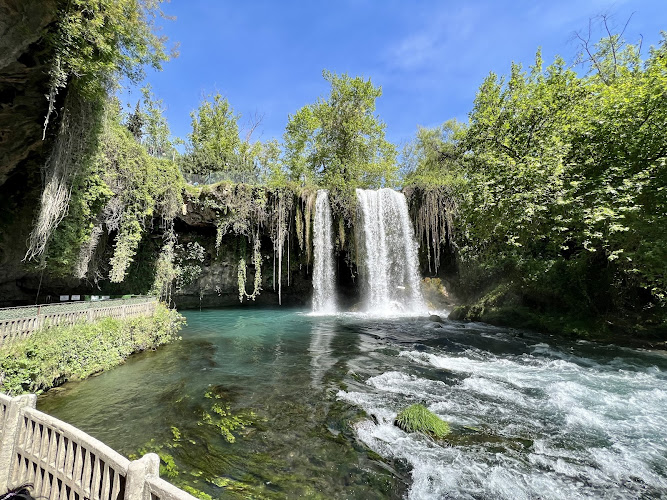
Lower Duden Waterfalls

Salepçioğlu Mosque
Find Accommodations Nearby
Recommended Tours & Activities
Visitor Reviews
There are no reviews yet. Be the first one to write one.
Share Your Experience
Have you visited Roman Harbour? Help other travelers by leaving a review.