
Rio Gallegos
About Rio Gallegos
Description
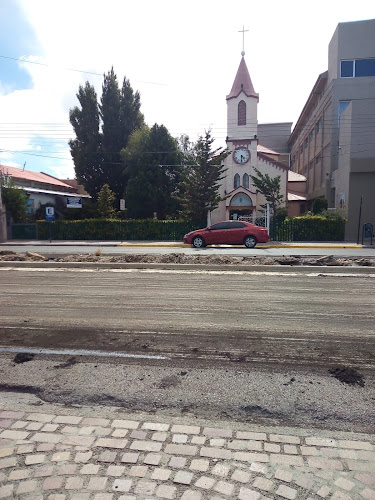
Río Gallegos sits quietly on the southern edge of Argentina, where the Gallegos River meets the vast Patagonian plains. It’s not one of those flashy cities that jump out at you with neon lights or endless tourist traps, but it has a charm that sneaks up on you if you give it a chance. The heart of the city pulses around San Martín Square, a spot where locals gather, and right there you’ll find the Cathedral of Our Lady of Luján. It’s a modest wooden church with a pink facade that catches the light in a way that feels almost magical—especially when the Patagonian winds are calm enough to let you linger.
Art lovers will find a quiet gem in the Eduardo Minnicelli Art Museum, showcasing works from local and regional artists who capture the spirit of Patagonia in brushstrokes and sculptures. It’s a refreshing break from the usual tourist fare, giving a real sense of the culture here. Not far from there, the Father Jesús Molina Regional Museum offers a fascinating peek into the past with fossils, dinosaur replicas, and artifacts from the indigenous Tehuelche people. It’s a reminder that this place has stories far older than the city itself, stories written in bones and ancient tools.
Río Gallegos isn’t about rushing around or ticking off a checklist; it’s about soaking in the wide-open spaces, the rugged beauty, and the subtle history layered beneath its streets. Sure, it’s a bit off the beaten path, but that’s exactly why it’s worth your time. You won’t find hoards of tourists here, but you will find a city with a soul that’s as vast and wild as the Patagonian steppe that surrounds it.
Key Features
- San Martín Square: The lively city center and social hub with local vendors and street life.
- Cathedral of Our Lady of Luján: Unique wooden construction with a soft pink facade, perfect for photography and quiet reflection.
- Eduardo Minnicelli Art Museum: A showcase of Patagonian artistic talent, featuring contemporary and regional art.
- Father Jesús Molina Regional Museum: Offers a deep dive into local history, including fossils, dinosaur replicas, and Tehuelche indigenous culture.
- Proximity to Patagonian landscapes: Ideal starting point for exploring the wild, windswept plains and natural beauty of southern Argentina.
- Authentic local atmosphere: Unlike more tourist-heavy spots, Río Gallegos maintains a genuine, lived-in vibe.
Best Time to Visit
Patagonia isn’t exactly known for gentle weather, and Río Gallegos is no exception. The best time to visit is during the Southern Hemisphere’s summer months, from December through February. That’s when the temperatures are milder—think highs around 15-20°C (59-68°F)—and the winds, while still present, are less biting. It’s perfect for wandering the city streets or heading out on day trips into the surrounding wilderness.
If you’re the adventurous type who doesn’t mind a chill in the air and fewer crowds, spring (October-November) or autumn (March-April) can be rewarding. Just pack a good windbreaker and prepare for some unpredictable weather. Winter months are cold and often harsh, with temperatures dropping below freezing, so unless you’re into serious cold-weather gear and solitude, it’s best to avoid that season.
How to Get There
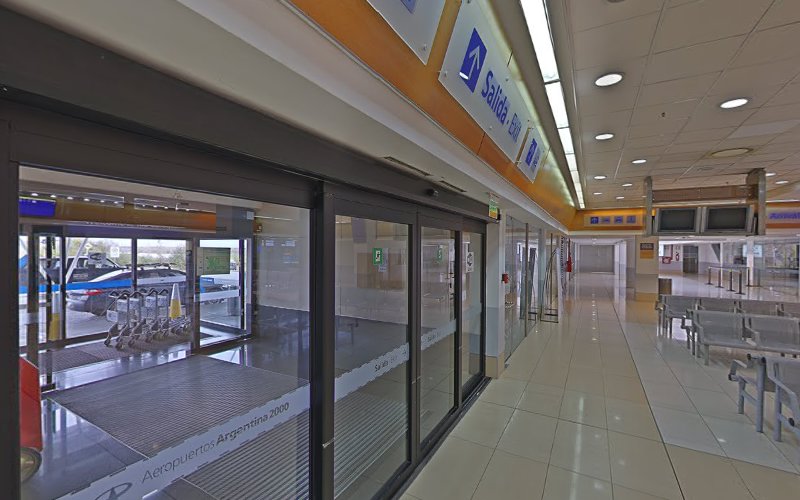
Getting to Río Gallegos is a bit of an adventure in itself, but that’s part of the fun. The city is served by the Río Gallegos Airport, which connects to Buenos Aires and some other regional hubs. Flights aren’t super frequent, so booking ahead is a smart move, especially during peak travel season.
If you’re already in Patagonia, you can reach Río Gallegos by road. The highways are decent, but remember Patagonia is vast, and distances between towns can be long. Renting a car gives you the freedom to explore at your own pace, but be prepared for some stretches where services are sparse.
For the truly intrepid, long-distance buses link Río Gallegos with other major Argentine cities. It’s a slower option but offers a chance to see the changing landscapes of Patagonia up close. Just bring snacks, a good book, and patience.
Tips for Visiting
First off, pack layers. The weather can flip on a dime, and that Patagonian wind is no joke. A sturdy windbreaker and comfortable walking shoes will be your best friends. Don’t underestimate the power of sunscreen either—sunburns happen even when it’s cool.
Take your time exploring the museums. The Eduardo Minnicelli Art Museum and Father Jesús Molina Regional Museum aren’t huge, but they’re packed with character and insight. You’ll get a much richer experience if you slow down and really soak it in rather than rushing through.
Try to chat with locals. They’re generally friendly and proud of their city’s unique place in Patagonia. You might hear some fascinating stories or get tips on hidden spots that don’t make it into guidebooks. And if you get the chance, sample some Patagonian lamb or fresh seafood—trust me, your taste buds will thank you.
Oh, and don’t expect nonstop action. Río Gallegos is more about the quiet moments—the kind you get staring out over the river or watching the sun set behind the distant hills. If you’re craving nightlife or nonstop entertainment, you might want to temper your expectations. But if you want a genuine slice of southern Argentina with a side of history and nature, this city delivers.
Lastly, keep an eye on the weather forecast. Sudden storms or strong winds can change your plans quickly, so flexibility is key. And remember, sometimes the best travel memories come from those unexpected detours and weather-induced pauses.
Key Features
- San Martín Square: The lively city center and social hub with local vendors and street life.
- Cathedral of Our Lady of Luján: Unique wooden construction with a soft pink facade, perfect for photography and quiet reflection.
- Eduardo Minnicelli Art Museum: A showcase of Patagonian artistic talent, featuring contemporary and regional art.
- Father Jesús Molina Regional Museum: Offers a deep dive into local history, including fossils, dinosaur replicas, and Tehuelche indigenous culture.
- Proximity to Patagonian landscapes: Ideal starting point for exploring the wild, windswept plains and natural beauty of southern Argentina.
- Authentic local atmosphere: Unlike more tourist-heavy spots, Río Gallegos maintains a genuine, lived-in vibe.
More Details
Updated July 16, 2025
Table of Contents
Description
Río Gallegos sits quietly on the southern edge of Argentina, where the Gallegos River meets the vast Patagonian plains. It’s not one of those flashy cities that jump out at you with neon lights or endless tourist traps, but it has a charm that sneaks up on you if you give it a chance. The heart of the city pulses around San Martín Square, a spot where locals gather, and right there you’ll find the Cathedral of Our Lady of Luján. It’s a modest wooden church with a pink facade that catches the light in a way that feels almost magical—especially when the Patagonian winds are calm enough to let you linger.
Art lovers will find a quiet gem in the Eduardo Minnicelli Art Museum, showcasing works from local and regional artists who capture the spirit of Patagonia in brushstrokes and sculptures. It’s a refreshing break from the usual tourist fare, giving a real sense of the culture here. Not far from there, the Father Jesús Molina Regional Museum offers a fascinating peek into the past with fossils, dinosaur replicas, and artifacts from the indigenous Tehuelche people. It’s a reminder that this place has stories far older than the city itself, stories written in bones and ancient tools.
Río Gallegos isn’t about rushing around or ticking off a checklist; it’s about soaking in the wide-open spaces, the rugged beauty, and the subtle history layered beneath its streets. Sure, it’s a bit off the beaten path, but that’s exactly why it’s worth your time. You won’t find hoards of tourists here, but you will find a city with a soul that’s as vast and wild as the Patagonian steppe that surrounds it.
Key Features
- San Martín Square: The lively city center and social hub with local vendors and street life.
- Cathedral of Our Lady of Luján: Unique wooden construction with a soft pink facade, perfect for photography and quiet reflection.
- Eduardo Minnicelli Art Museum: A showcase of Patagonian artistic talent, featuring contemporary and regional art.
- Father Jesús Molina Regional Museum: Offers a deep dive into local history, including fossils, dinosaur replicas, and Tehuelche indigenous culture.
- Proximity to Patagonian landscapes: Ideal starting point for exploring the wild, windswept plains and natural beauty of southern Argentina.
- Authentic local atmosphere: Unlike more tourist-heavy spots, Río Gallegos maintains a genuine, lived-in vibe.
Best Time to Visit
Patagonia isn’t exactly known for gentle weather, and Río Gallegos is no exception. The best time to visit is during the Southern Hemisphere’s summer months, from December through February. That’s when the temperatures are milder—think highs around 15-20°C (59-68°F)—and the winds, while still present, are less biting. It’s perfect for wandering the city streets or heading out on day trips into the surrounding wilderness.
If you’re the adventurous type who doesn’t mind a chill in the air and fewer crowds, spring (October-November) or autumn (March-April) can be rewarding. Just pack a good windbreaker and prepare for some unpredictable weather. Winter months are cold and often harsh, with temperatures dropping below freezing, so unless you’re into serious cold-weather gear and solitude, it’s best to avoid that season.
How to Get There
Getting to Río Gallegos is a bit of an adventure in itself, but that’s part of the fun. The city is served by the Río Gallegos Airport, which connects to Buenos Aires and some other regional hubs. Flights aren’t super frequent, so booking ahead is a smart move, especially during peak travel season.
If you’re already in Patagonia, you can reach Río Gallegos by road. The highways are decent, but remember Patagonia is vast, and distances between towns can be long. Renting a car gives you the freedom to explore at your own pace, but be prepared for some stretches where services are sparse.
For the truly intrepid, long-distance buses link Río Gallegos with other major Argentine cities. It’s a slower option but offers a chance to see the changing landscapes of Patagonia up close. Just bring snacks, a good book, and patience.
Tips for Visiting
First off, pack layers. The weather can flip on a dime, and that Patagonian wind is no joke. A sturdy windbreaker and comfortable walking shoes will be your best friends. Don’t underestimate the power of sunscreen either—sunburns happen even when it’s cool.
Take your time exploring the museums. The Eduardo Minnicelli Art Museum and Father Jesús Molina Regional Museum aren’t huge, but they’re packed with character and insight. You’ll get a much richer experience if you slow down and really soak it in rather than rushing through.
Try to chat with locals. They’re generally friendly and proud of their city’s unique place in Patagonia. You might hear some fascinating stories or get tips on hidden spots that don’t make it into guidebooks. And if you get the chance, sample some Patagonian lamb or fresh seafood—trust me, your taste buds will thank you.
Oh, and don’t expect nonstop action. Río Gallegos is more about the quiet moments—the kind you get staring out over the river or watching the sun set behind the distant hills. If you’re craving nightlife or nonstop entertainment, you might want to temper your expectations. But if you want a genuine slice of southern Argentina with a side of history and nature, this city delivers.
Lastly, keep an eye on the weather forecast. Sudden storms or strong winds can change your plans quickly, so flexibility is key. And remember, sometimes the best travel memories come from those unexpected detours and weather-induced pauses.
Key Highlights
- San Martín Square: The lively city center and social hub with local vendors and street life.
- Cathedral of Our Lady of Luján: Unique wooden construction with a soft pink facade, perfect for photography and quiet reflection.
- Eduardo Minnicelli Art Museum: A showcase of Patagonian artistic talent, featuring contemporary and regional art.
- Father Jesús Molina Regional Museum: Offers a deep dive into local history, including fossils, dinosaur replicas, and Tehuelche indigenous culture.
- Proximity to Patagonian landscapes: Ideal starting point for exploring the wild, windswept plains and natural beauty of southern Argentina.
- Authentic local atmosphere: Unlike more tourist-heavy spots, Río Gallegos maintains a genuine, lived-in vibe.
Location
Places to Stay Near Rio Gallegos
Find and Book a Tour
Explore More Travel Guides
No reviews found! Be the first to review!
Traveler Reviews for Rio Gallegos
There are no reviews yet. Be the first one to write one.
Have you visited Rio Gallegos? Help other travelers by sharing your review.
You Might Also Like
Les Banc de la Liberté
Piloto Civil Norberto Fernández International Airport

Casino Club - Rio Gallegos - Santa Cruz
Find Accommodations Nearby
Recommended Tours & Activities
Visitor Reviews
There are no reviews yet. Be the first one to write one.
Share Your Experience
Have you visited Rio Gallegos? Help other travelers by leaving a review.