
Richmond Slave Trail
About Richmond Slave Trail
Description
The Richmond Slave Trail tells a story that is both heartbreaking and deeply important. It’s not the kind of place you visit just to check off a sightseeing list—it’s a place that makes you stop, breathe, and think. The trail follows the same path that enslaved Africans once walked after being brought to Virginia, tracing their journey from the docks along the James River to the markets and auction houses that once stood in Richmond. It’s a self-guided walking tour, but honestly, it feels more like a quiet conversation with history. Every step along that 2.5-mile stretch carries the weight of lives, resilience, and the beginnings of so many untold stories.
What’s striking about the Richmond Slave Trail is how it balances solemn remembrance with education and reflection. The interpretive signs along the route don’t sugarcoat anything—they tell it as it was. The trail invites visitors to engage with the truth of the past rather than turning away from it. And for travelers who value authenticity and depth in their experiences, this is one of those rare places where you come away changed, or at least more aware. It’s not flashy or crowded, and that’s part of what makes it powerful. The silence here speaks volumes.
Walking the trail, you’ll pass through shaded paths, cross bridges over the river, and reach historical landmarks that shaped not just Richmond, but the entire country. You’ll see markers that describe the arrival of enslaved Africans in Virginia, the locations of former slave markets, and the stories of those who resisted and survived. It’s humbling. I remember my first visit—I didn’t expect to feel so connected to the space. There’s something about standing in the very place where history unfolded that makes everything you’ve read in books suddenly feel real. You can almost hear echoes of the past carried by the wind off the river.
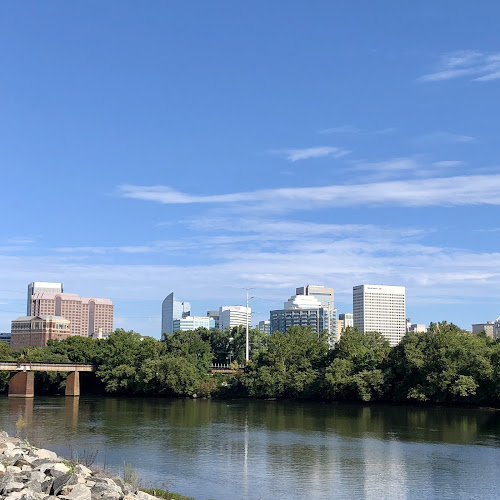
While the trail is somber, it’s also a place of quiet beauty. The James River glistens alongside parts of the path, and the trees provide shade that feels almost protective. It’s a good reminder that nature keeps moving forward, even as we pause to reflect. The trail is well-maintained, with clear signage and accessible pathways, making it suitable for visitors of all ages. You’ll see families, solo travelers, and sometimes school groups walking together, each person taking in the experience in their own way. It’s not an easy visit emotionally, but it’s an essential one.
Key Features
- Self-Guided Historical Trail: The Richmond Slave Trail offers interpretive markers detailing the city’s role in the slave trade and the lives of those impacted by it.
- Scenic River Views: The path runs along the James River, offering peaceful, reflective views that contrast with the heavy history of the site.
- Educational Signage: Informational boards provide context, personal stories, and historical facts that help visitors understand the broader narrative of slavery in Virginia.
- Accessible Pathways: The trail includes wheelchair-accessible parking and well-paved sections suitable for walking, jogging, or biking.
- Pet-Friendly Environment: Dogs are welcome along the trail, as long as they’re leashed and respectful of the site’s solemn nature.
- Family-Friendly: Though the subject matter is serious, the trail is appropriate for older children and can serve as an educational experience for families.
- Connection to Other Sites: The trail links to several other historical landmarks in Richmond, including the site of Lumpkin’s Jail and the Manchester Docks.
One of the most underrated aspects of the Richmond Slave Trail is how it connects the physical landscape with emotional understanding. You’re not just reading history—you’re walking through it. And that’s something no museum can truly replicate.
Best Time to Visit
Richmond’s climate makes the trail accessible year-round, but the best times to visit are spring and fall. The weather is mild, and the trees along the James River show off their best colors. In spring, you’ll find blooming wildflowers softening the edges of the trail, while autumn brings crisp air and golden leaves that make the walk feel contemplative. Summer can be hot and humid—Richmond doesn’t mess around with its heat—so if you do go then, bring water and maybe plan for an early morning stroll before the sun gets too strong.
Winter visits have their own quiet charm. The bare trees and muted tones seem to fit the reflective nature of the trail. It’s less crowded too, which can make for a more personal experience. I once went in January, bundled up in layers, and the stillness was almost haunting—in a good way. There’s something powerful about walking that path in silence, with only your thoughts and the sound of your footsteps.
How to Get There
The Richmond Slave Trail sits on the south side of the James River, close to downtown Richmond. It’s easy to reach by car, with parking available near the start of the trail. If you’re staying in the city center, you can even walk or bike there—it’s just across one of the bridges that span the river. Public transportation is also an option, though schedules can vary, so it’s worth checking before you go.
For those who like to explore on foot, the trail connects to other walking paths and green spaces in the area, making it a great addition to a day of exploring Richmond’s historic core. I’d recommend starting early in the day, especially if you want to take your time reading the markers and reflecting at each stop. The trail isn’t long, but it’s rich in detail, and you’ll want to move at your own pace.
Tips for Visiting
If you’re planning a visit, here are a few things that might help you make the most of it:
- Wear comfortable shoes. The trail is about 2.5 miles long, and while it’s not strenuous, you’ll be on your feet for a while.
- Bring water, especially in summer. There aren’t many shaded rest areas, and Richmond’s humidity can sneak up on you.
- Take your time at each marker. The information is powerful and deserves reflection. It’s not a race—it’s a journey through history.
- Be respectful. This isn’t a typical tourist attraction; it’s a memorial space. Keep voices low and be mindful of others who may be reflecting quietly.
- Visit early or late in the day. The lighting is softer, the crowds smaller, and the atmosphere more peaceful.
- Bring your camera, but use it thoughtfully. Photos are allowed, but it’s worth putting the lens down sometimes and just being present.
- Consider pairing your visit with nearby historic sites. The trail connects to other landmarks that give even more context to Richmond’s role in American history.
And here’s a personal tip: bring a small notebook. I know it sounds old-fashioned, but jotting down your thoughts as you walk can help you process what you’re seeing and feeling. I did that on my second visit, and reading those notes later reminded me how powerful the experience was. It’s easy to forget details over time, but writing helps preserve the emotional impact.
The Richmond Slave Trail isn’t flashy or filled with amenities, but that’s part of its strength. It’s raw, real, and deeply human. For travelers who seek meaning in their journeys, this trail offers a rare opportunity—to stand where history happened and to honor those whose stories shaped the world we live in today. It’s not just a walk through Richmond; it’s a walk through time, memory, and truth.
Key Features
- Key Features
- Best Time to Visit
- How to Get There
- Tips for Visiting
More Details
Updated October 9, 2025
Table of Contents
Description
The Richmond Slave Trail tells a story that is both heartbreaking and deeply important. It’s not the kind of place you visit just to check off a sightseeing list—it’s a place that makes you stop, breathe, and think. The trail follows the same path that enslaved Africans once walked after being brought to Virginia, tracing their journey from the docks along the James River to the markets and auction houses that once stood in Richmond. It’s a self-guided walking tour, but honestly, it feels more like a quiet conversation with history. Every step along that 2.5-mile stretch carries the weight of lives, resilience, and the beginnings of so many untold stories.
What’s striking about the Richmond Slave Trail is how it balances solemn remembrance with education and reflection. The interpretive signs along the route don’t sugarcoat anything—they tell it as it was. The trail invites visitors to engage with the truth of the past rather than turning away from it. And for travelers who value authenticity and depth in their experiences, this is one of those rare places where you come away changed, or at least more aware. It’s not flashy or crowded, and that’s part of what makes it powerful. The silence here speaks volumes.
Walking the trail, you’ll pass through shaded paths, cross bridges over the river, and reach historical landmarks that shaped not just Richmond, but the entire country. You’ll see markers that describe the arrival of enslaved Africans in Virginia, the locations of former slave markets, and the stories of those who resisted and survived. It’s humbling. I remember my first visit—I didn’t expect to feel so connected to the space. There’s something about standing in the very place where history unfolded that makes everything you’ve read in books suddenly feel real. You can almost hear echoes of the past carried by the wind off the river.
While the trail is somber, it’s also a place of quiet beauty. The James River glistens alongside parts of the path, and the trees provide shade that feels almost protective. It’s a good reminder that nature keeps moving forward, even as we pause to reflect. The trail is well-maintained, with clear signage and accessible pathways, making it suitable for visitors of all ages. You’ll see families, solo travelers, and sometimes school groups walking together, each person taking in the experience in their own way. It’s not an easy visit emotionally, but it’s an essential one.
Key Features
- Self-Guided Historical Trail: The Richmond Slave Trail offers interpretive markers detailing the city’s role in the slave trade and the lives of those impacted by it.
- Scenic River Views: The path runs along the James River, offering peaceful, reflective views that contrast with the heavy history of the site.
- Educational Signage: Informational boards provide context, personal stories, and historical facts that help visitors understand the broader narrative of slavery in Virginia.
- Accessible Pathways: The trail includes wheelchair-accessible parking and well-paved sections suitable for walking, jogging, or biking.
- Pet-Friendly Environment: Dogs are welcome along the trail, as long as they’re leashed and respectful of the site’s solemn nature.
- Family-Friendly: Though the subject matter is serious, the trail is appropriate for older children and can serve as an educational experience for families.
- Connection to Other Sites: The trail links to several other historical landmarks in Richmond, including the site of Lumpkin’s Jail and the Manchester Docks.
One of the most underrated aspects of the Richmond Slave Trail is how it connects the physical landscape with emotional understanding. You’re not just reading history—you’re walking through it. And that’s something no museum can truly replicate.
Best Time to Visit
Richmond’s climate makes the trail accessible year-round, but the best times to visit are spring and fall. The weather is mild, and the trees along the James River show off their best colors. In spring, you’ll find blooming wildflowers softening the edges of the trail, while autumn brings crisp air and golden leaves that make the walk feel contemplative. Summer can be hot and humid—Richmond doesn’t mess around with its heat—so if you do go then, bring water and maybe plan for an early morning stroll before the sun gets too strong.
Winter visits have their own quiet charm. The bare trees and muted tones seem to fit the reflective nature of the trail. It’s less crowded too, which can make for a more personal experience. I once went in January, bundled up in layers, and the stillness was almost haunting—in a good way. There’s something powerful about walking that path in silence, with only your thoughts and the sound of your footsteps.
How to Get There
The Richmond Slave Trail sits on the south side of the James River, close to downtown Richmond. It’s easy to reach by car, with parking available near the start of the trail. If you’re staying in the city center, you can even walk or bike there—it’s just across one of the bridges that span the river. Public transportation is also an option, though schedules can vary, so it’s worth checking before you go.
For those who like to explore on foot, the trail connects to other walking paths and green spaces in the area, making it a great addition to a day of exploring Richmond’s historic core. I’d recommend starting early in the day, especially if you want to take your time reading the markers and reflecting at each stop. The trail isn’t long, but it’s rich in detail, and you’ll want to move at your own pace.
Tips for Visiting
If you’re planning a visit, here are a few things that might help you make the most of it:
- Wear comfortable shoes. The trail is about 2.5 miles long, and while it’s not strenuous, you’ll be on your feet for a while.
- Bring water, especially in summer. There aren’t many shaded rest areas, and Richmond’s humidity can sneak up on you.
- Take your time at each marker. The information is powerful and deserves reflection. It’s not a race—it’s a journey through history.
- Be respectful. This isn’t a typical tourist attraction; it’s a memorial space. Keep voices low and be mindful of others who may be reflecting quietly.
- Visit early or late in the day. The lighting is softer, the crowds smaller, and the atmosphere more peaceful.
- Bring your camera, but use it thoughtfully. Photos are allowed, but it’s worth putting the lens down sometimes and just being present.
- Consider pairing your visit with nearby historic sites. The trail connects to other landmarks that give even more context to Richmond’s role in American history.
And here’s a personal tip: bring a small notebook. I know it sounds old-fashioned, but jotting down your thoughts as you walk can help you process what you’re seeing and feeling. I did that on my second visit, and reading those notes later reminded me how powerful the experience was. It’s easy to forget details over time, but writing helps preserve the emotional impact.
The Richmond Slave Trail isn’t flashy or filled with amenities, but that’s part of its strength. It’s raw, real, and deeply human. For travelers who seek meaning in their journeys, this trail offers a rare opportunity—to stand where history happened and to honor those whose stories shaped the world we live in today. It’s not just a walk through Richmond; it’s a walk through time, memory, and truth.
Key Highlights
- Key Features
- Best Time to Visit
- How to Get There
- Tips for Visiting
Location
Places to Stay Near Richmond Slave Trail
Find and Book a Tour
Explore More Travel Guides
No reviews found! Be the first to review!
Traveler Reviews for Richmond Slave Trail
There are no reviews yet. Be the first one to write one.
Have you visited Richmond Slave Trail? Help other travelers by sharing your review.
You Might Also Like

American Civil War Museum- Historic Tredegar

Libby Hill Park

Virginia Museum of History & Culture
Find Accommodations Nearby
Recommended Tours & Activities
Visitor Reviews
There are no reviews yet. Be the first one to write one.
Share Your Experience
Have you visited Richmond Slave Trail? Help other travelers by leaving a review.