

Virginia Museum of History & Culture
About Virginia Museum of History & Culture
Description
The Virginia Museum of History & Culture, tucked along Richmond’s Museum District, feels like one of those places where time slows down just enough for you to actually appreciate it. It’s not just another museum—it’s a living, breathing archive of Virginia’s story, told through artifacts, photographs, and exhibits that somehow make history feel personal. Housed in a stately 1913 neoclassical building, the museum manages to blend old-world charm with modern storytelling. You can feel the weight of the past here, but not in a dusty, intimidating way—more like a conversation between generations.
I remember wandering through its halls one rainy afternoon, coffee in hand from the cozy café inside, and thinking how surreal it was to stand inches away from objects that had witnessed centuries of change. The museum doesn’t just display history—it invites you to step into it. And that’s what makes it special. You’ll find exhibits that stretch from Virginia’s Indigenous roots to the present day, each thoughtfully curated to highlight the people, places, and events that shaped not just the Commonwealth, but the nation.
What’s great is how approachable it all feels. Families, students, and travelers mingle here, and you can tell everyone finds something that speaks to them. Some visitors linger in the research library, digging into genealogy projects or old letters, while others are drawn to the theater for live performances or educational talks. There’s even a sense of community pride that radiates from the staff and volunteers—they genuinely love sharing these stories. And honestly, that enthusiasm is contagious.
Key Features
- Extensive Collections: Thousands of artifacts, manuscripts, and photographs spanning 16,000 years of Virginia’s history—from Native American heritage to modern civil rights movements.
- Research Library: A treasure trove for historians, genealogists, and the simply curious, offering access to rare documents and archives.
- Live Performances & Events: Regular lectures, film screenings, and community events that bring history to life.
- Accessibility: Fully wheelchair accessible, with accessible restrooms, parking, and entrances.
- Dining & Amenities: On-site café and restaurant for a relaxing break between exhibits, plus free Wi-Fi and gender-neutral restrooms.
- Family-Friendly Environment: Interactive exhibits and programs designed to engage kids and adults alike.
- Gift Shop: A well-curated selection of books, local crafts, and Virginia-themed memorabilia.
- Guided Tours: Knowledgeable guides who add color and context to the museum’s stories.
Best Time to Visit
If you ask me, the best time to visit is during the cooler months—October through April—when Richmond’s weather is mild and the museum’s atmosphere feels extra cozy. There’s something about stepping into that marble-lined lobby on a crisp morning that just feels right. Weekdays tend to be quieter, which makes it easier to take your time with each exhibit. But if you’re the type who enjoys a bit of buzz, weekends bring in more families and travelers, giving the place a lively energy.
Spring is another fantastic season to plan your trip. The surrounding Museum District blooms with color, and you can easily pair your visit with a stroll through nearby cultural attractions. Plus, the museum often rolls out special exhibitions or events around that time, which adds a little extra magic to the experience.
Summer, though busier, has its perks too—especially if you’re traveling with kids on break. The air conditioning is a welcome escape from Virginia’s heat, and the educational programs often ramp up during those months. And if you’re a fan of festive vibes, December brings beautifully themed displays and community gatherings that make the visit even more memorable.
How to Get There
Reaching the museum is straightforward whether you’re a local or coming from out of town. If you’re driving, there’s both free street parking and a paid lot nearby, which is a bit of a luxury in Richmond. I’ve found that arriving early in the day usually guarantees a good spot. Public transportation is also a solid option—the area is well-connected by bus routes, and rideshare services drop you off right at the entrance.
For those staying in Richmond’s downtown or the Fan District, it’s an easy and scenic walk or bike ride, especially on a sunny day. The route takes you past tree-lined streets, old architecture, and a few coffee shops worth stopping at. And if you’re traveling from farther away, the museum’s location makes it a convenient stop on a broader Virginia road trip, especially if you’re exploring other historic landmarks like Monticello or Colonial Williamsburg.
Honestly, part of the fun is just getting there. The approach along Arthur Ashe Boulevard (even though we’re not mentioning the exact address here) gives you a taste of Richmond’s character—historic yet modern, refined but relaxed. It’s one of those drives where you might find yourself slowing down just to take it all in.
Tips for Visiting
Here’s the thing about visiting the Virginia Museum of History & Culture: it’s not a place you want to rush through. Give yourself at least two to three hours, maybe more if you’re the curious type who reads every plaque (guilty as charged). The exhibits are layered with detail, and you’ll appreciate them more if you take your time.
I’d also recommend starting your visit with the museum’s orientation film—it gives you a quick but powerful overview of Virginia’s story and helps you connect the dots as you explore. After that, wander at your own pace. Some of the best discoveries happen when you’re not following a strict plan.
Wear comfortable shoes—there’s more walking than you might expect—and bring a light sweater because the galleries can be a bit chilly. If you’re traveling with kids, check out the family-friendly programs or scavenger hunts that make history fun (and keep little ones engaged). And don’t skip the gift shop; it’s one of the better ones I’ve seen, with meaningful souvenirs rather than the usual touristy stuff.
Food-wise, the on-site café is perfect for a quick bite or coffee break. I once spent an hour there chatting with a local historian who happened to be at the next table—it’s that kind of place. You never know who you’ll meet or what stories you’ll hear.
If you’re a researcher or history buff, consider setting aside time to visit the library. It’s quiet, inspiring, and full of resources you won’t find anywhere else. Just check ahead for hours and access requirements. And for those who love photography, the museum’s architecture alone is worth a few snapshots—the grand columns and marble details make for stunning photos, especially in the late afternoon light.
Lastly, don’t forget to check the museum’s event calendar before you go. There’s often something special happening—a guest lecture, a film screening, or a community celebration. These events add depth to your visit and give you a richer sense of Virginia’s ongoing story.
All in all, the Virginia Museum of History & Culture offers more than just a walk through time—it’s an experience that connects you to the heart of Virginia itself. Whether you’re a history enthusiast, a casual traveler, or someone just looking for a meaningful way to spend an afternoon, you’ll walk away feeling like you’ve learned something new—and maybe even a little more connected to the world around you.
Key Features
- Key Features
- Best Time to Visit
- How to Get There
- Tips for Visiting
More Details
Updated October 9, 2025
Table of Contents
- Description
- Key Features
- Best Time to Visit
- How to Get There
- Tips for Visiting
- Key Highlights
- Location
- Places to Stay Near Virginia Museum of History & Culture
- Find and Book a Tour
- Explore More Travel Guides
- Nearby Places You Might Like
- Traveler Reviews for Virginia Museum of History & Culture
- Share Your Experience
Description
The Virginia Museum of History & Culture, tucked along Richmond’s Museum District, feels like one of those places where time slows down just enough for you to actually appreciate it. It’s not just another museum—it’s a living, breathing archive of Virginia’s story, told through artifacts, photographs, and exhibits that somehow make history feel personal. Housed in a stately 1913 neoclassical building, the museum manages to blend old-world charm with modern storytelling. You can feel the weight of the past here, but not in a dusty, intimidating way—more like a conversation between generations.
I remember wandering through its halls one rainy afternoon, coffee in hand from the cozy café inside, and thinking how surreal it was to stand inches away from objects that had witnessed centuries of change. The museum doesn’t just display history—it invites you to step into it. And that’s what makes it special. You’ll find exhibits that stretch from Virginia’s Indigenous roots to the present day, each thoughtfully curated to highlight the people, places, and events that shaped not just the Commonwealth, but the nation.
What’s great is how approachable it all feels. Families, students, and travelers mingle here, and you can tell everyone finds something that speaks to them. Some visitors linger in the research library, digging into genealogy projects or old letters, while others are drawn to the theater for live performances or educational talks. There’s even a sense of community pride that radiates from the staff and volunteers—they genuinely love sharing these stories. And honestly, that enthusiasm is contagious.
Key Features
- Extensive Collections: Thousands of artifacts, manuscripts, and photographs spanning 16,000 years of Virginia’s history—from Native American heritage to modern civil rights movements.
- Research Library: A treasure trove for historians, genealogists, and the simply curious, offering access to rare documents and archives.
- Live Performances & Events: Regular lectures, film screenings, and community events that bring history to life.
- Accessibility: Fully wheelchair accessible, with accessible restrooms, parking, and entrances.
- Dining & Amenities: On-site café and restaurant for a relaxing break between exhibits, plus free Wi-Fi and gender-neutral restrooms.
- Family-Friendly Environment: Interactive exhibits and programs designed to engage kids and adults alike.
- Gift Shop: A well-curated selection of books, local crafts, and Virginia-themed memorabilia.
- Guided Tours: Knowledgeable guides who add color and context to the museum’s stories.
Best Time to Visit
If you ask me, the best time to visit is during the cooler months—October through April—when Richmond’s weather is mild and the museum’s atmosphere feels extra cozy. There’s something about stepping into that marble-lined lobby on a crisp morning that just feels right. Weekdays tend to be quieter, which makes it easier to take your time with each exhibit. But if you’re the type who enjoys a bit of buzz, weekends bring in more families and travelers, giving the place a lively energy.
Spring is another fantastic season to plan your trip. The surrounding Museum District blooms with color, and you can easily pair your visit with a stroll through nearby cultural attractions. Plus, the museum often rolls out special exhibitions or events around that time, which adds a little extra magic to the experience.
Summer, though busier, has its perks too—especially if you’re traveling with kids on break. The air conditioning is a welcome escape from Virginia’s heat, and the educational programs often ramp up during those months. And if you’re a fan of festive vibes, December brings beautifully themed displays and community gatherings that make the visit even more memorable.
How to Get There
Reaching the museum is straightforward whether you’re a local or coming from out of town. If you’re driving, there’s both free street parking and a paid lot nearby, which is a bit of a luxury in Richmond. I’ve found that arriving early in the day usually guarantees a good spot. Public transportation is also a solid option—the area is well-connected by bus routes, and rideshare services drop you off right at the entrance.
For those staying in Richmond’s downtown or the Fan District, it’s an easy and scenic walk or bike ride, especially on a sunny day. The route takes you past tree-lined streets, old architecture, and a few coffee shops worth stopping at. And if you’re traveling from farther away, the museum’s location makes it a convenient stop on a broader Virginia road trip, especially if you’re exploring other historic landmarks like Monticello or Colonial Williamsburg.
Honestly, part of the fun is just getting there. The approach along Arthur Ashe Boulevard (even though we’re not mentioning the exact address here) gives you a taste of Richmond’s character—historic yet modern, refined but relaxed. It’s one of those drives where you might find yourself slowing down just to take it all in.
Tips for Visiting
Here’s the thing about visiting the Virginia Museum of History & Culture: it’s not a place you want to rush through. Give yourself at least two to three hours, maybe more if you’re the curious type who reads every plaque (guilty as charged). The exhibits are layered with detail, and you’ll appreciate them more if you take your time.
I’d also recommend starting your visit with the museum’s orientation film—it gives you a quick but powerful overview of Virginia’s story and helps you connect the dots as you explore. After that, wander at your own pace. Some of the best discoveries happen when you’re not following a strict plan.
Wear comfortable shoes—there’s more walking than you might expect—and bring a light sweater because the galleries can be a bit chilly. If you’re traveling with kids, check out the family-friendly programs or scavenger hunts that make history fun (and keep little ones engaged). And don’t skip the gift shop; it’s one of the better ones I’ve seen, with meaningful souvenirs rather than the usual touristy stuff.
Food-wise, the on-site café is perfect for a quick bite or coffee break. I once spent an hour there chatting with a local historian who happened to be at the next table—it’s that kind of place. You never know who you’ll meet or what stories you’ll hear.
If you’re a researcher or history buff, consider setting aside time to visit the library. It’s quiet, inspiring, and full of resources you won’t find anywhere else. Just check ahead for hours and access requirements. And for those who love photography, the museum’s architecture alone is worth a few snapshots—the grand columns and marble details make for stunning photos, especially in the late afternoon light.
Lastly, don’t forget to check the museum’s event calendar before you go. There’s often something special happening—a guest lecture, a film screening, or a community celebration. These events add depth to your visit and give you a richer sense of Virginia’s ongoing story.
All in all, the Virginia Museum of History & Culture offers more than just a walk through time—it’s an experience that connects you to the heart of Virginia itself. Whether you’re a history enthusiast, a casual traveler, or someone just looking for a meaningful way to spend an afternoon, you’ll walk away feeling like you’ve learned something new—and maybe even a little more connected to the world around you.
Key Highlights
- Key Features
- Best Time to Visit
- How to Get There
- Tips for Visiting
Location
Places to Stay Near Virginia Museum of History & Culture
Find and Book a Tour
Explore More Travel Guides
No reviews found! Be the first to review!
Traveler Reviews for Virginia Museum of History & Culture
There are no reviews yet. Be the first one to write one.
Have you visited Virginia Museum of History & Culture? Help other travelers by sharing your review.
You Might Also Like
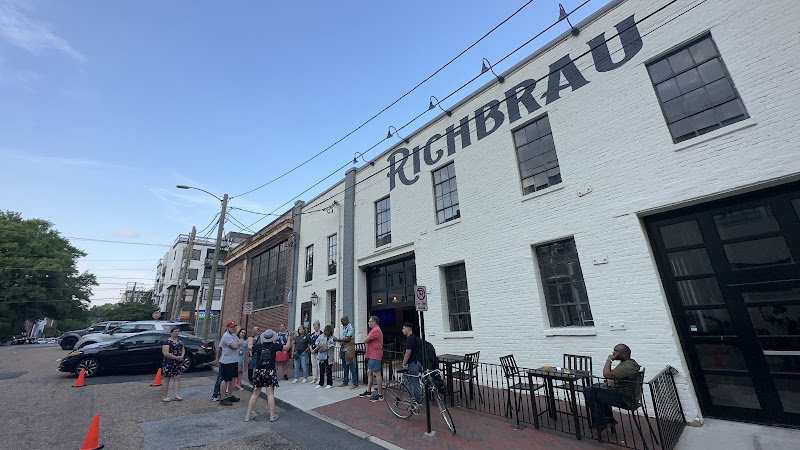
Haunts of Richmond - The Original Shadows of Shockoe Ghost Tour
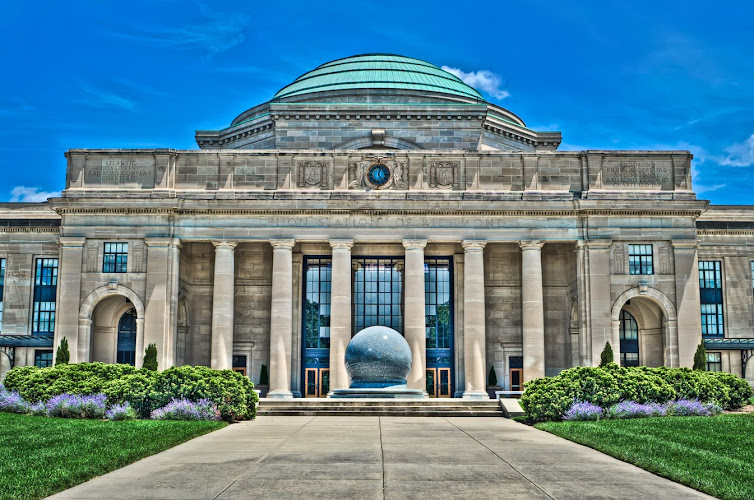
Science Museum of Virginia

Black History Museum and Cultural Center of Virginia
Find Accommodations Nearby
Recommended Tours & Activities
Visitor Reviews
There are no reviews yet. Be the first one to write one.
Share Your Experience
Have you visited Virginia Museum of History & Culture? Help other travelers by leaving a review.