

Réserve Naturelle de Scandola
About Réserve Naturelle de Scandola
Description
Let me tell you about one of Corsica's most jaw-dropping natural wonders. The Réserve Naturelle de Scandola is honestly one of those places that'll make you wonder if you've somehow stumbled into a movie set. Picture this: dramatic red volcanic cliffs plunging straight into crystal-clear Mediterranean waters, with twisted rock formations that look like they were sculpted by some ancient artist. But what really gets me excited about this place is that it's not just about pretty views - it's a thriving ecosystem that shows what happens when nature is left to do its thing.Key Features
• Pristine marine sanctuary covering roughly 1,000 hectares of sea and 900 hectares of land • Stunning red porphyry cliffs that change color throughout the day • Rich underwater ecosystem with red coral colonies and diverse fish species • Nesting grounds for rare ospreys and peregrine falcons • Crystal-clear waters perfect for spotting marine life • Hidden caves and grottos carved by centuries of wave action • Untouched Mediterranean maquis vegetation clinging to cliff faces • Unique geological formations created by ancient volcanic activityBest Time to Visit
I've found that late spring (May-June) and early fall (September) are absolute sweet spots for visiting Scandola. The weather's just right - not too hot, not too cold - and the tourist crowds haven't reached their peak. Summer months can get pretty intense with both heat and visitors, though the sea is wonderfully warm. Winter visits can be tricky since boat services are limited and the Mediterranean can get pretty choppy. Plus, some of the wildlife might be less active during colder months.How to Get There
Here's the thing about Scandola - you can't just drive up to it. The reserve is only accessible by boat, which actually adds to its charm and preservation. Your best bet is catching a boat tour from Porto or Calvi. These trips usually take anywhere from 2 to 4 hours, depending on the route. Some tours combine Scandola with visits to nearby villages like Girolata, which I definitely recommend. The boat rides themselves are part of the adventure - you'll get different perspectives of those amazing cliffs, and if you're lucky, you might spot some dolphins playing in the wake.Tips for Visiting
Look, I've learned a few things from my visits that'll make your trip way better. First off, book your boat tour in advance - especially during peak season. The morning tours often have calmer seas, and the light's usually better for photos. Bring seasickness pills if you're prone to motion sickness - the Mediterranean can get surprisingly choppy. Don't forget your camera, but also bring a waterproof case because, trust me, the spray from the boat is real. Pack sunscreen, a hat, and water - there's usually no shade on the boats. And while those crystal-clear waters might tempt you, remember that swimming isn't allowed within the reserve - it's about preserving this incredible ecosystem for future generations. The closer boats get to the cliffs, the better your chances of spotting some of the reserve's famous residents - ospreys diving for fish, or peregrine falcons soaring overhead. Oh, and if you can, try to grab a seat on the right side of the boat when departing from Porto - you'll get the best views of the coastline. Keep your eyes peeled for the submerged rocks too - they're often teeming with fish, and on a calm day, you can see straight to the bottom.Key Features
- Key Features
- Best Time to Visit
- How to Get There
- Tips for Visiting
More Details
Updated June 12, 2025
Table of Contents
Description
Let me tell you about one of Corsica’s most jaw-dropping natural wonders. The Réserve Naturelle de Scandola is honestly one of those places that’ll make you wonder if you’ve somehow stumbled into a movie set. Picture this: dramatic red volcanic cliffs plunging straight into crystal-clear Mediterranean waters, with twisted rock formations that look like they were sculpted by some ancient artist. But what really gets me excited about this place is that it’s not just about pretty views – it’s a thriving ecosystem that shows what happens when nature is left to do its thing.
Key Features
• Pristine marine sanctuary covering roughly 1,000 hectares of sea and 900 hectares of land
• Stunning red porphyry cliffs that change color throughout the day
• Rich underwater ecosystem with red coral colonies and diverse fish species
• Nesting grounds for rare ospreys and peregrine falcons
• Crystal-clear waters perfect for spotting marine life
• Hidden caves and grottos carved by centuries of wave action
• Untouched Mediterranean maquis vegetation clinging to cliff faces
• Unique geological formations created by ancient volcanic activity
Best Time to Visit
I’ve found that late spring (May-June) and early fall (September) are absolute sweet spots for visiting Scandola. The weather’s just right – not too hot, not too cold – and the tourist crowds haven’t reached their peak. Summer months can get pretty intense with both heat and visitors, though the sea is wonderfully warm. Winter visits can be tricky since boat services are limited and the Mediterranean can get pretty choppy. Plus, some of the wildlife might be less active during colder months.
How to Get There
Here’s the thing about Scandola – you can’t just drive up to it. The reserve is only accessible by boat, which actually adds to its charm and preservation. Your best bet is catching a boat tour from Porto or Calvi. These trips usually take anywhere from 2 to 4 hours, depending on the route. Some tours combine Scandola with visits to nearby villages like Girolata, which I definitely recommend. The boat rides themselves are part of the adventure – you’ll get different perspectives of those amazing cliffs, and if you’re lucky, you might spot some dolphins playing in the wake.
Tips for Visiting
Look, I’ve learned a few things from my visits that’ll make your trip way better. First off, book your boat tour in advance – especially during peak season. The morning tours often have calmer seas, and the light’s usually better for photos. Bring seasickness pills if you’re prone to motion sickness – the Mediterranean can get surprisingly choppy. Don’t forget your camera, but also bring a waterproof case because, trust me, the spray from the boat is real. Pack sunscreen, a hat, and water – there’s usually no shade on the boats. And while those crystal-clear waters might tempt you, remember that swimming isn’t allowed within the reserve – it’s about preserving this incredible ecosystem for future generations.
The closer boats get to the cliffs, the better your chances of spotting some of the reserve’s famous residents – ospreys diving for fish, or peregrine falcons soaring overhead. Oh, and if you can, try to grab a seat on the right side of the boat when departing from Porto – you’ll get the best views of the coastline. Keep your eyes peeled for the submerged rocks too – they’re often teeming with fish, and on a calm day, you can see straight to the bottom.
Key Highlights
- Key Features
- Best Time to Visit
- How to Get There
- Tips for Visiting
Location
Places to Stay Near Réserve Naturelle de Scandola
Find and Book a Tour
Explore More Travel Guides
No reviews found! Be the first to review!
Traveler Reviews for Réserve Naturelle de Scandola
There are no reviews yet. Be the first one to write one.
Have you visited Réserve Naturelle de Scandola? Help other travelers by sharing your review.
You Might Also Like
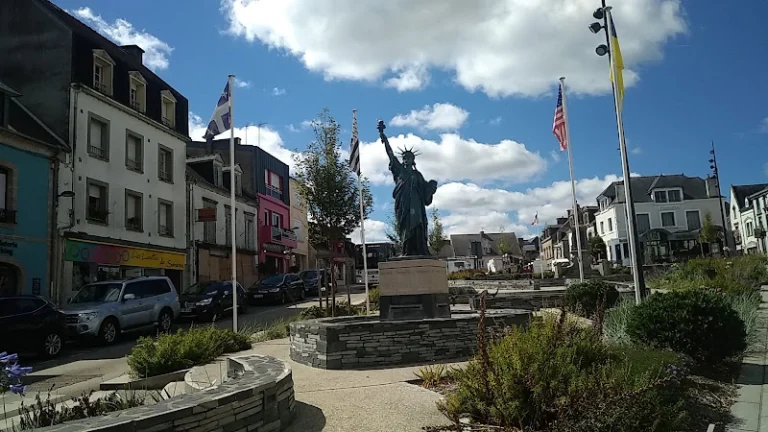
Gourin
9 Pl. de la Liberté
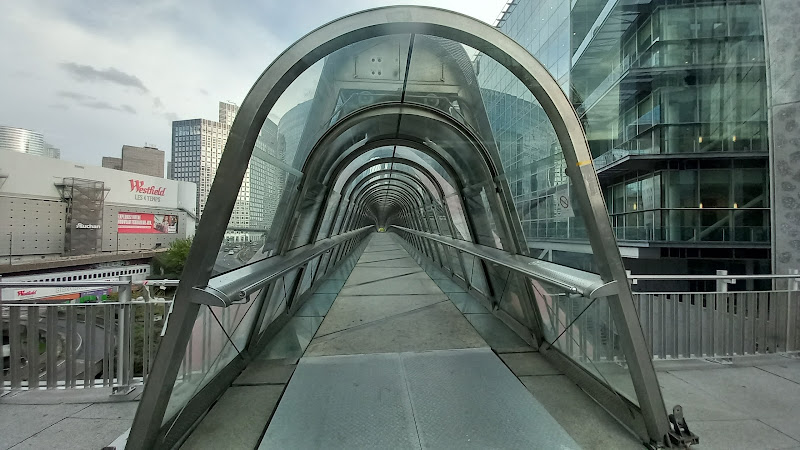
Japan Bridge – Pont d
Find Accommodations Nearby
Recommended Tours & Activities
Visitor Reviews
There are no reviews yet. Be the first one to write one.
Share Your Experience
Have you visited Réserve Naturelle de Scandola? Help other travelers by leaving a review.