
Reserva Nacional de Tumbes
About Reserva Nacional de Tumbes
Description
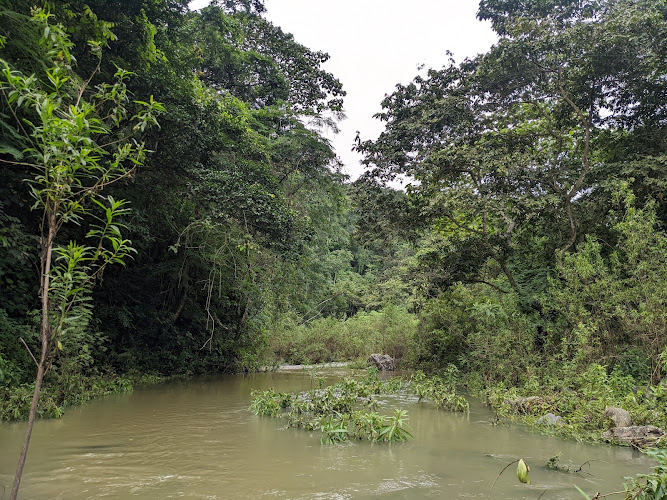
The Reserva Nacional de Tumbes is one of those places that quietly sneaks up on you—like a secret tucked away in the northern reaches of Peru. It’s a sprawling tropical forest reserve that’s home to an astonishing array of wildlife. If you’re into birds, bats, or just the kind of lush, green wilderness that makes you feel like you’ve stepped into another world, this spot will grab your attention. Now, don’t expect a perfectly manicured park with easy wheelchair access or fancy paved paths—this is raw nature, and it shows. But that’s part of its charm, honestly. The forest feels alive in a way that’s hard to describe unless you’re standing there listening to the chorus of creatures at dawn or dusk.
One of the coolest things about Tumbes is its bat population. Yep, bats! Most people don’t think of bats as the stars of the show, but here, they’re a big deal. The reserve shelters a variety of rare bat species that you won’t find just anywhere. And if you’re lucky, you might catch sight of some of the rare birds that call this place home—species that birdwatchers dream about spotting. It’s like a natural treasure chest for wildlife lovers.
Families with kids will find it a pretty good spot too. While it’s not a theme park, the chance to see animals in their natural habitat can be a real eye-opener for little ones. Just keep in mind it’s not exactly stroller-friendly, so pack a good carrier if you’ve got toddlers tagging along. And if you’re the kind of traveler who likes to plan ahead (and who isn’t these days?), getting your tickets in advance is a smart move—this place can get busy, especially during peak season.
Sure, it’s not perfect. The infrastructure could use some love, and it’s not the easiest place to get around for everyone. But if you’re after an authentic nature experience, where the forest feels untamed and the wildlife isn’t behind glass, Reserva Nacional de Tumbes delivers. It’s a bit rough around the edges, but that’s part of what makes it so memorable.
Key Features
- Expansive tropical forest teeming with diverse flora and fauna
- Habitat for numerous rare bat species, a highlight for wildlife enthusiasts
- Home to a variety of rare and endemic bird species, ideal for birdwatching
- Family-friendly environment with educational opportunities for children
- Authentic, off-the-beaten-path nature experience away from commercial tourism
- Recommended to purchase tickets in advance to avoid long waits
- Limited accessibility for wheelchair users; terrain can be challenging
- Opportunities for guided tours that deepen understanding of local ecology
Best Time to Visit
Timing your visit to Reserva Nacional de Tumbes can make a big difference in what you get to see and how comfortable your trip is. The dry season, which runs roughly from May to November, is generally the best time to go. During these months, the trails are less muddy and the weather is more predictable—meaning fewer surprises like sudden downpours that can turn a forest walk into a soggy slog.
But here’s a little insider tip: the transition months, like April and December, can offer a unique experience. You might catch the forest in that magical in-between state where some flowers start blooming and certain bird species become more active. Just be ready for a bit of rain and bring your waterproof gear.
Visiting during the wet season (December to April) has its own vibe, but it’s not for the faint-hearted. Trails can get slippery, and some areas might be harder to access. Still, if you’re up for an adventure and don’t mind a little mud, you’ll see the forest at its most lush and vibrant. Plus, it’s less crowded, which is a bonus if you prefer to avoid the tourist rush.
How to Get There
Getting to Reserva Nacional de Tumbes isn’t exactly a cakewalk, but that’s part of the adventure. The closest major city is Tumbes itself, which has a small airport with connections from Lima and other Peruvian hubs. From there, it’s usually a drive of about an hour or so to the reserve entrance. Renting a car is an option if you like the freedom to explore at your own pace, but local buses and taxis are available too, though they might require a bit of patience and flexibility.
Once you’re near the reserve, the roads can get a little bumpy, so don’t expect a smooth ride all the way. And don’t forget to double-check ticket availability before you go—sometimes the reserve limits daily visitors to protect the environment, so snagging your entry pass ahead of time saves you from disappointment.
Tips for Visiting
Here’s where I get a bit personal, because I’ve been there, and trust me, a little prep goes a long way. First off, pack light but smart. Bring sturdy walking shoes because the trails aren’t paved, and you’ll want to be comfortable trekking through uneven ground. A hat, sunscreen, and insect repellent are must-haves—those bugs can be relentless if you’re not prepared.
Don’t underestimate the power of a good guide. Having someone who knows the forest and its creatures can turn a simple walk into a fascinating journey full of stories and discoveries. Plus, guides often help spot wildlife you’d miss on your own, especially those shy bats and elusive birds.
Also, keep your expectations real. This isn’t a zoo or a resort; it’s a nature preserve where animals roam free, and sometimes you might not see everything you hoped for. But that’s the thrill of it—patience and a bit of luck can lead to unforgettable moments. Oh, and take your time. The forest has a rhythm, and rushing through means missing out on the little things—the rustle of leaves, the distant call of a bird, the way sunlight filters through the canopy.
Lastly, respect the environment. Stick to marked trails, don’t feed the wildlife, and carry out whatever you bring in. It’s a fragile ecosystem, and preserving it means future travelers get to enjoy the same magic you’re about to experience.
Key Features
- Expansive tropical forest teeming with diverse flora and fauna
- Habitat for numerous rare bat species, a highlight for wildlife enthusiasts
- Home to a variety of rare and endemic bird species, ideal for birdwatching
- Family-friendly environment with educational opportunities for children
- Authentic, off-the-beaten-path nature experience away from commercial tourism
- Recommended to purchase tickets in advance to avoid long waits
- Limited accessibility for wheelchair users; terrain can be challenging
- Opportunities for guided tours that deepen understanding of local ecology
More Details
Updated July 17, 2025
Table of Contents
Description
The Reserva Nacional de Tumbes is one of those places that quietly sneaks up on you—like a secret tucked away in the northern reaches of Peru. It’s a sprawling tropical forest reserve that’s home to an astonishing array of wildlife. If you’re into birds, bats, or just the kind of lush, green wilderness that makes you feel like you’ve stepped into another world, this spot will grab your attention. Now, don’t expect a perfectly manicured park with easy wheelchair access or fancy paved paths—this is raw nature, and it shows. But that’s part of its charm, honestly. The forest feels alive in a way that’s hard to describe unless you’re standing there listening to the chorus of creatures at dawn or dusk.
One of the coolest things about Tumbes is its bat population. Yep, bats! Most people don’t think of bats as the stars of the show, but here, they’re a big deal. The reserve shelters a variety of rare bat species that you won’t find just anywhere. And if you’re lucky, you might catch sight of some of the rare birds that call this place home—species that birdwatchers dream about spotting. It’s like a natural treasure chest for wildlife lovers.
Families with kids will find it a pretty good spot too. While it’s not a theme park, the chance to see animals in their natural habitat can be a real eye-opener for little ones. Just keep in mind it’s not exactly stroller-friendly, so pack a good carrier if you’ve got toddlers tagging along. And if you’re the kind of traveler who likes to plan ahead (and who isn’t these days?), getting your tickets in advance is a smart move—this place can get busy, especially during peak season.
Sure, it’s not perfect. The infrastructure could use some love, and it’s not the easiest place to get around for everyone. But if you’re after an authentic nature experience, where the forest feels untamed and the wildlife isn’t behind glass, Reserva Nacional de Tumbes delivers. It’s a bit rough around the edges, but that’s part of what makes it so memorable.
Key Features
- Expansive tropical forest teeming with diverse flora and fauna
- Habitat for numerous rare bat species, a highlight for wildlife enthusiasts
- Home to a variety of rare and endemic bird species, ideal for birdwatching
- Family-friendly environment with educational opportunities for children
- Authentic, off-the-beaten-path nature experience away from commercial tourism
- Recommended to purchase tickets in advance to avoid long waits
- Limited accessibility for wheelchair users; terrain can be challenging
- Opportunities for guided tours that deepen understanding of local ecology
Best Time to Visit
Timing your visit to Reserva Nacional de Tumbes can make a big difference in what you get to see and how comfortable your trip is. The dry season, which runs roughly from May to November, is generally the best time to go. During these months, the trails are less muddy and the weather is more predictable—meaning fewer surprises like sudden downpours that can turn a forest walk into a soggy slog.
But here’s a little insider tip: the transition months, like April and December, can offer a unique experience. You might catch the forest in that magical in-between state where some flowers start blooming and certain bird species become more active. Just be ready for a bit of rain and bring your waterproof gear.
Visiting during the wet season (December to April) has its own vibe, but it’s not for the faint-hearted. Trails can get slippery, and some areas might be harder to access. Still, if you’re up for an adventure and don’t mind a little mud, you’ll see the forest at its most lush and vibrant. Plus, it’s less crowded, which is a bonus if you prefer to avoid the tourist rush.
How to Get There
Getting to Reserva Nacional de Tumbes isn’t exactly a cakewalk, but that’s part of the adventure. The closest major city is Tumbes itself, which has a small airport with connections from Lima and other Peruvian hubs. From there, it’s usually a drive of about an hour or so to the reserve entrance. Renting a car is an option if you like the freedom to explore at your own pace, but local buses and taxis are available too, though they might require a bit of patience and flexibility.
Once you’re near the reserve, the roads can get a little bumpy, so don’t expect a smooth ride all the way. And don’t forget to double-check ticket availability before you go—sometimes the reserve limits daily visitors to protect the environment, so snagging your entry pass ahead of time saves you from disappointment.
Tips for Visiting
Here’s where I get a bit personal, because I’ve been there, and trust me, a little prep goes a long way. First off, pack light but smart. Bring sturdy walking shoes because the trails aren’t paved, and you’ll want to be comfortable trekking through uneven ground. A hat, sunscreen, and insect repellent are must-haves—those bugs can be relentless if you’re not prepared.
Don’t underestimate the power of a good guide. Having someone who knows the forest and its creatures can turn a simple walk into a fascinating journey full of stories and discoveries. Plus, guides often help spot wildlife you’d miss on your own, especially those shy bats and elusive birds.
Also, keep your expectations real. This isn’t a zoo or a resort; it’s a nature preserve where animals roam free, and sometimes you might not see everything you hoped for. But that’s the thrill of it—patience and a bit of luck can lead to unforgettable moments. Oh, and take your time. The forest has a rhythm, and rushing through means missing out on the little things—the rustle of leaves, the distant call of a bird, the way sunlight filters through the canopy.
Lastly, respect the environment. Stick to marked trails, don’t feed the wildlife, and carry out whatever you bring in. It’s a fragile ecosystem, and preserving it means future travelers get to enjoy the same magic you’re about to experience.
Key Highlights
- Expansive tropical forest teeming with diverse flora and fauna
- Habitat for numerous rare bat species, a highlight for wildlife enthusiasts
- Home to a variety of rare and endemic bird species, ideal for birdwatching
- Family-friendly environment with educational opportunities for children
- Authentic, off-the-beaten-path nature experience away from commercial tourism
- Recommended to purchase tickets in advance to avoid long waits
- Limited accessibility for wheelchair users; terrain can be challenging
- Opportunities for guided tours that deepen understanding of local ecology
Location
Places to Stay Near Reserva Nacional de Tumbes
Find and Book a Tour
Explore More Travel Guides
No reviews found! Be the first to review!
Traveler Reviews for Reserva Nacional de Tumbes
There are no reviews yet. Be the first one to write one.
Have you visited Reserva Nacional de Tumbes? Help other travelers by sharing your review.
You Might Also Like
Casa de Aliaga

Micaela Bastidas Square
Catedral de Cajamarca
Find Accommodations Nearby
Recommended Tours & Activities
Visitor Reviews
There are no reviews yet. Be the first one to write one.
Share Your Experience
Have you visited Reserva Nacional de Tumbes? Help other travelers by leaving a review.