Reserva de la Biosfera Sierra Gorda
About Reserva de la Biosfera Sierra Gorda
Description
The Sierra Gorda Biosphere Reserve in Querétaro, Mexico, is one of those places that quietly sneaks up on you. You might arrive expecting just another nature reserve, but what you find is a wild, living mosaic of ecosystems—canyons that seem to swallow the light, misty mountains that whisper through the pines, and dry desert valleys that suddenly burst into color after a good rain. It’s the kind of place that reminds you how small you are, in the best possible way.
Covering more than 383,000 hectares, the reserve makes up nearly a third of the state of Querétaro. It’s part of UNESCO’s Man and the Biosphere Programme, and you can feel that commitment to balance here: people and nature coexisting, not competing. Over 100,000 residents live within the reserve’s boundaries, spread across hundreds of small communities that have learned to work with the land rather than against it. That’s something you don’t see everywhere.
What makes Sierra Gorda so special is its sheer diversity. You can drive for an hour and go from oak and pine forests into semi-arid scrubland, then down into tropical jungle. It’s like traveling through different worlds in a single afternoon. The region’s dramatic geography means it’s home to an incredible range of wildlife—jaguars, pumas, black bears, and countless bird species. I actually remember my first visit here; I was hiking near Jalpan de Serra and heard a rustle in the underbrush that turned out to be a coati nosing around for snacks. Cute little guy, though I did lose half my sandwich to him.
But Sierra Gorda isn’t just about nature—it’s also a cultural treasure. Scattered throughout the reserve are the UNESCO-listed Franciscan Missions, built in the 18th century. Their ornate facades stand out against the rugged landscape, reminders of the region’s layered history. You’ll also find small villages where time seems to move slower, and the locals are always ready with a smile and a story. It’s the kind of authenticity that can’t be manufactured.
Key Features
- Ecological Diversity: From cloud forests to deserts, Sierra Gorda is one of Mexico’s most biologically rich regions.
- Outdoor Activities: Hiking, cycling, birdwatching, and even cave exploration are top draws for adventurers.
- Family-Friendly: There are gentle trails, picnic areas, and kid-friendly hikes perfect for families looking to explore safely.
- Pet-Friendly: Dogs are welcome on many trails, making it a great destination for travelers with pets.
- Facilities: Amenities include picnic tables, barbecue grills, cycling lanes, and public restrooms—simple but convenient.
- Local Culture: Visitors can explore traditional villages, taste local food, and learn about sustainable living practices.
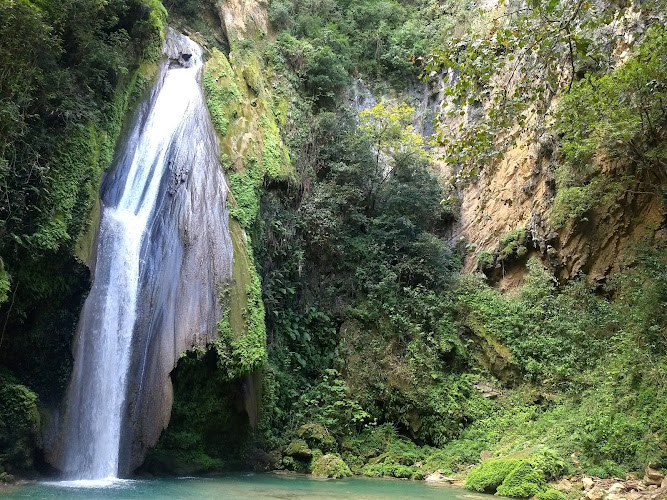
- Waterfalls and Rivers: Hidden among the canyons are pristine waterfalls and swimming holes that are perfect for cooling off after a long hike.
It’s this mix of natural beauty and thoughtful infrastructure that makes Sierra Gorda stand out. You can go off-grid here, but you don’t have to rough it unless you want to.
Best Time to Visit
Timing your visit can make a big difference. The best months to explore Sierra Gorda are generally between November and April, when the weather is cooler and drier. The mornings are crisp, the skies are clear, and the trails are in great shape for hiking or cycling. If you’re into photography, the light during this season is just magical—soft, golden, and perfect for capturing those sweeping canyon views.
That said, the rainy season (usually June to September) has its own charm. The landscapes turn lush and green, waterfalls swell, and the forests come alive with bird calls. It’s a bit muddier, sure, but if you don’t mind a little dirt on your boots, it’s worth it. I actually prefer visiting then—it feels more alive, more raw. Just remember to pack a rain jacket and maybe some waterproof shoes. You’ll thank yourself later.
Temperature-wise, expect variety. In higher elevations, it can get chilly at night, while the lower valleys can be warm and humid. Layering is your best friend here.
How to Get There
Getting to the Sierra Gorda Biosphere Reserve is part of the adventure. The reserve lies in the northern part of Querétaro state, and most travelers start their journey from the city of Santiago de Querétaro. From there, it’s about a 3- to 4-hour drive, depending on which part of the reserve you’re heading to. The roads wind through mountains and valleys, offering spectacular views but also plenty of curves—so if you get motion sick, maybe skip breakfast before the trip.
If you don’t have a car, buses run regularly from Santiago de Querétaro to towns like Jalpan de Serra, Pinal de Amoles, and Landa de Matamoros. Jalpan, in particular, makes a great base for exploring the reserve. Once there, you can hire local guides or join eco-tours that support community-based tourism. I’d recommend doing that even if you’re an experienced traveler—it’s a fantastic way to learn about the area from people who truly know it.
For those who love road trips, driving through the Sierra Gorda is unforgettable. There are plenty of scenic stops along the way—lookout points, small eateries serving handmade tortillas, and roadside stands selling local honey. Just make sure your car is in good shape; the terrain can be demanding in some parts.
Tips for Visiting
First off, give yourself time. Sierra Gorda isn’t the kind of place you rush through. There’s too much to see, too much to feel. Plan at least three or four days if you can. You’ll want to hike, explore the missions, maybe swim in a waterfall, and still have time to just sit and take it all in.
Here are a few practical tips to make your trip smoother:
- Bring Cash: Many small communities don’t accept credit cards, and ATMs can be scarce.
- Pack Smart: Layers, sturdy shoes, sunscreen, and a hat are essentials. Nights can get cold even after hot days.
- Respect the Environment: This is a protected area—stick to marked trails, don’t litter, and avoid disturbing wildlife.
- Hire Local Guides: They know hidden spots you’d never find on your own and your money supports local conservation efforts.
- Stay Hydrated: The altitude and dry air can sneak up on you. Always carry water, especially during hikes.
- Try Local Food: Don’t miss the regional dishes—enchiladas serranas, cecina, and local coffee are all worth a taste.
- Plan for Connectivity: Cell signal can be spotty in remote areas. Download maps in advance and let someone know your itinerary.
One thing I always tell people: slow down. The magic of Sierra Gorda isn’t just in its landscapes—it’s in the rhythm of life here. You’ll see kids playing by rivers, farmers tending their fields, and the occasional donkey wandering across the road (it happens more often than you’d think). It’s a reminder that travel doesn’t always have to be fast-paced or perfectly planned. Sometimes the best experiences happen when you let go of the schedule.
And if you’re into stargazing, bring a blanket and stay up late. The night skies here are unreal—no city lights, just an ocean of stars stretching across the mountains. It’s one of those moments that stays with you long after you’ve gone home.
Ultimately, the Sierra Gorda Biosphere Reserve is more than a destination—it’s a lesson in coexistence, resilience, and natural beauty. Whether you come for the hiking, the culture, or simply to breathe in clean mountain air, you’ll leave with a deeper appreciation for Mexico’s wild heart. And maybe, like me, you’ll find yourself planning your next trip back before you’ve even left.
Key Features
- Key Features
- Best Time to Visit
- How to Get There
- Tips for Visiting
More Details
Updated November 9, 2025
Table of Contents
- Description
- Key Features
- Best Time to Visit
- How to Get There
- Tips for Visiting
- Key Highlights
- Location
- Places to Stay Near Reserva de la Biosfera Sierra Gorda
- Find and Book a Tour
- Explore More Travel Guides
- Nearby Places You Might Like
- Traveler Reviews for Reserva de la Biosfera Sierra Gorda
- Share Your Experience
Description
The Sierra Gorda Biosphere Reserve in Querétaro, Mexico, is one of those places that quietly sneaks up on you. You might arrive expecting just another nature reserve, but what you find is a wild, living mosaic of ecosystems—canyons that seem to swallow the light, misty mountains that whisper through the pines, and dry desert valleys that suddenly burst into color after a good rain. It’s the kind of place that reminds you how small you are, in the best possible way.
Covering more than 383,000 hectares, the reserve makes up nearly a third of the state of Querétaro. It’s part of UNESCO’s Man and the Biosphere Programme, and you can feel that commitment to balance here: people and nature coexisting, not competing. Over 100,000 residents live within the reserve’s boundaries, spread across hundreds of small communities that have learned to work with the land rather than against it. That’s something you don’t see everywhere.
What makes Sierra Gorda so special is its sheer diversity. You can drive for an hour and go from oak and pine forests into semi-arid scrubland, then down into tropical jungle. It’s like traveling through different worlds in a single afternoon. The region’s dramatic geography means it’s home to an incredible range of wildlife—jaguars, pumas, black bears, and countless bird species. I actually remember my first visit here; I was hiking near Jalpan de Serra and heard a rustle in the underbrush that turned out to be a coati nosing around for snacks. Cute little guy, though I did lose half my sandwich to him.
But Sierra Gorda isn’t just about nature—it’s also a cultural treasure. Scattered throughout the reserve are the UNESCO-listed Franciscan Missions, built in the 18th century. Their ornate facades stand out against the rugged landscape, reminders of the region’s layered history. You’ll also find small villages where time seems to move slower, and the locals are always ready with a smile and a story. It’s the kind of authenticity that can’t be manufactured.
Key Features
- Ecological Diversity: From cloud forests to deserts, Sierra Gorda is one of Mexico’s most biologically rich regions.
- Outdoor Activities: Hiking, cycling, birdwatching, and even cave exploration are top draws for adventurers.
- Family-Friendly: There are gentle trails, picnic areas, and kid-friendly hikes perfect for families looking to explore safely.
- Pet-Friendly: Dogs are welcome on many trails, making it a great destination for travelers with pets.
- Facilities: Amenities include picnic tables, barbecue grills, cycling lanes, and public restrooms—simple but convenient.
- Local Culture: Visitors can explore traditional villages, taste local food, and learn about sustainable living practices.
- Waterfalls and Rivers: Hidden among the canyons are pristine waterfalls and swimming holes that are perfect for cooling off after a long hike.
It’s this mix of natural beauty and thoughtful infrastructure that makes Sierra Gorda stand out. You can go off-grid here, but you don’t have to rough it unless you want to.
Best Time to Visit
Timing your visit can make a big difference. The best months to explore Sierra Gorda are generally between November and April, when the weather is cooler and drier. The mornings are crisp, the skies are clear, and the trails are in great shape for hiking or cycling. If you’re into photography, the light during this season is just magical—soft, golden, and perfect for capturing those sweeping canyon views.
That said, the rainy season (usually June to September) has its own charm. The landscapes turn lush and green, waterfalls swell, and the forests come alive with bird calls. It’s a bit muddier, sure, but if you don’t mind a little dirt on your boots, it’s worth it. I actually prefer visiting then—it feels more alive, more raw. Just remember to pack a rain jacket and maybe some waterproof shoes. You’ll thank yourself later.
Temperature-wise, expect variety. In higher elevations, it can get chilly at night, while the lower valleys can be warm and humid. Layering is your best friend here.
How to Get There
Getting to the Sierra Gorda Biosphere Reserve is part of the adventure. The reserve lies in the northern part of Querétaro state, and most travelers start their journey from the city of Santiago de Querétaro. From there, it’s about a 3- to 4-hour drive, depending on which part of the reserve you’re heading to. The roads wind through mountains and valleys, offering spectacular views but also plenty of curves—so if you get motion sick, maybe skip breakfast before the trip.
If you don’t have a car, buses run regularly from Santiago de Querétaro to towns like Jalpan de Serra, Pinal de Amoles, and Landa de Matamoros. Jalpan, in particular, makes a great base for exploring the reserve. Once there, you can hire local guides or join eco-tours that support community-based tourism. I’d recommend doing that even if you’re an experienced traveler—it’s a fantastic way to learn about the area from people who truly know it.
For those who love road trips, driving through the Sierra Gorda is unforgettable. There are plenty of scenic stops along the way—lookout points, small eateries serving handmade tortillas, and roadside stands selling local honey. Just make sure your car is in good shape; the terrain can be demanding in some parts.
Tips for Visiting
First off, give yourself time. Sierra Gorda isn’t the kind of place you rush through. There’s too much to see, too much to feel. Plan at least three or four days if you can. You’ll want to hike, explore the missions, maybe swim in a waterfall, and still have time to just sit and take it all in.
Here are a few practical tips to make your trip smoother:
- Bring Cash: Many small communities don’t accept credit cards, and ATMs can be scarce.
- Pack Smart: Layers, sturdy shoes, sunscreen, and a hat are essentials. Nights can get cold even after hot days.
- Respect the Environment: This is a protected area—stick to marked trails, don’t litter, and avoid disturbing wildlife.
- Hire Local Guides: They know hidden spots you’d never find on your own and your money supports local conservation efforts.
- Stay Hydrated: The altitude and dry air can sneak up on you. Always carry water, especially during hikes.
- Try Local Food: Don’t miss the regional dishes—enchiladas serranas, cecina, and local coffee are all worth a taste.
- Plan for Connectivity: Cell signal can be spotty in remote areas. Download maps in advance and let someone know your itinerary.
One thing I always tell people: slow down. The magic of Sierra Gorda isn’t just in its landscapes—it’s in the rhythm of life here. You’ll see kids playing by rivers, farmers tending their fields, and the occasional donkey wandering across the road (it happens more often than you’d think). It’s a reminder that travel doesn’t always have to be fast-paced or perfectly planned. Sometimes the best experiences happen when you let go of the schedule.
And if you’re into stargazing, bring a blanket and stay up late. The night skies here are unreal—no city lights, just an ocean of stars stretching across the mountains. It’s one of those moments that stays with you long after you’ve gone home.
Ultimately, the Sierra Gorda Biosphere Reserve is more than a destination—it’s a lesson in coexistence, resilience, and natural beauty. Whether you come for the hiking, the culture, or simply to breathe in clean mountain air, you’ll leave with a deeper appreciation for Mexico’s wild heart. And maybe, like me, you’ll find yourself planning your next trip back before you’ve even left.

Key Highlights
- Key Features
- Best Time to Visit
- How to Get There
- Tips for Visiting
Location
Places to Stay Near Reserva de la Biosfera Sierra Gorda
Find and Book a Tour
Explore More Travel Guides
No reviews found! Be the first to review!
Traveler Reviews for Reserva de la Biosfera Sierra Gorda
There are no reviews yet. Be the first one to write one.
Have you visited Reserva de la Biosfera Sierra Gorda? Help other travelers by sharing your review.
Find Accommodations Nearby
Recommended Tours & Activities
Visitor Reviews
There are no reviews yet. Be the first one to write one.
Share Your Experience
Have you visited Reserva de la Biosfera Sierra Gorda? Help other travelers by leaving a review.