Reserva Animal: Leones
About Reserva Animal: Leones
Description
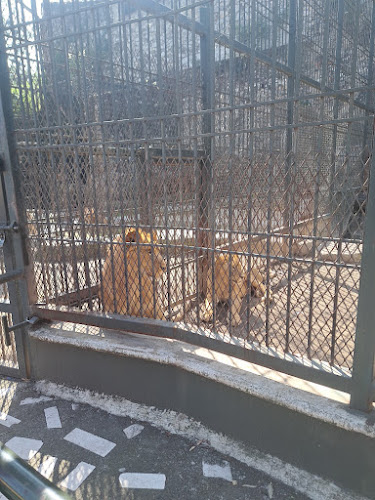
Reserva Animal: Leones is one of those places that quietly sticks with you long after you’ve left. It’s a tourist attraction focused on animals—yes—but more than that, it feels like a living classroom mixed with a dose of real-world conservation work. The name itself sets expectations: lions are a central part of the experience. And they deliver. Seeing these animals up close, hearing them breathe, watching how they move when they think no one’s watching… it’s powerful in a way that photos and documentaries never quite manage. This animal reserve appeals strongly to travelers who want something meaningful, not just a checkbox stop. Families with kids tend to leave smiling (and a bit exhausted), while solo travelers and couples often linger longer than planned, asking questions and watching behaviors most people miss. There’s a strong educational angle here, but it doesn’t feel preachy. It feels honest. You’re shown how animals live, why some are here, and what the reserve is trying to do to protect them. And yes, sometimes that includes uncomfortable truths about habitat loss or illegal wildlife trade. But I actually appreciate that—they don’t sugarcoat things. The layout is simple and functional. You won’t find over-the-top attractions or flashy installations. And that’s kind of the point. The focus stays on the animals and their welfare. Some visitors expect a theme-park vibe and feel a bit underwhelmed. Others, including myself, find the calm refreshing. I remember visiting on a warm afternoon and just standing there, listening to the wind and distant animal calls. No loud music. No rushing crowds. It felt real. What really stands out is how approachable the staff are. They talk to you like a fellow human, not like you’re part of a herd being pushed along. Ask a question and you’ll probably get a story in return. Sometimes a long one. And honestly, that’s where the magic happens.Key Features
- Close-up lion enclosures that allow safe but impressive viewing, often closer than people expect
- Educational talks led by caretakers who actually work with the animals daily
- Child-friendly environment with clear paths, rest areas, and explanations kids can grasp
- Focus on animal welfare rather than entertainment-driven shows
- Quiet, spacious grounds that make it easier to observe natural animal behavior
- Opportunities to learn about conservation, rescue stories, and rehabilitation efforts
Best Time to Visit
Timing matters here, more than people think. Early mornings tend to be the sweet spot. The animals are more active, the air is cooler, and you won’t feel rushed. I once showed up close to opening time and watched a lion stretch and yawn for a full five minutes—sounds boring, I know, but it was oddly mesmerizing. Midday visits can be quieter in terms of animals, especially in warmer months, when they prefer shade and rest. If you’re traveling with kids, mornings are also better simply because attention spans are longer. By late afternoon, things can feel a bit sluggish, both for visitors and animals. Seasonal differences also play a role. During cooler months, animals tend to move around more throughout the day. In hotter periods, plan for shade, water, and patience. Weekdays are calmer. Weekends bring more families, which adds energy but also noise. Neither is bad—it just depends on what kind of experience you’re after. If you want conversations with staff and space to linger, go on a weekday. If you like a lively atmosphere and don’t mind sharing viewpoints, weekends are fine.How to Get There
Getting to Reserva Animal: Leones usually requires some planning, especially if you’re relying on public transport. Many travelers choose to arrive by car, which gives you flexibility and makes timing easier. The roads leading there are generally manageable, but it’s worth checking local conditions, especially after heavy rain. If you’re coming from a nearby city or tourist hub, taxis or ride services can work, but make sure you arrange a return option ahead of time. I learned this the hard way once—great visit, awkward wait afterward. Some travelers coordinate their visit as part of a larger day trip that includes other nearby attractions or natural areas, which makes logistical sense. Signage on the final approach can be minimal, so having offline maps downloaded is smart. Ask locals if you’re unsure; people tend to know the reserve and are happy to point you in the right direction.Tips for Visiting
Come prepared, and you’ll enjoy the place a lot more. Comfortable shoes are a must. You’ll be walking, stopping, standing, walking again. It adds up. Bring sun protection even if the day starts cloudy—trust me on this one. Water is essential, especially if you’re visiting with kids. Take your time. This isn’t a rush-through attraction. Some of the best moments happen when you stop trying to see everything and just watch one enclosure for a while. Look for small behaviors: tail flicks, ear movements, interactions between animals. That’s where you start to understand them a bit. Listen to the staff. They know their stuff, and they’re usually happy to answer questions. But also respect boundaries—both yours and the animals’. Flash photography and loud noises are generally frowned upon, and for good reason. If you’re traveling with children, talk to them beforehand about what they’ll see. This helps manage expectations and turns the visit into a learning experience rather than just “look, a lion.” And afterwards, ask them what they noticed. You might be surprised by their observations. Lastly, go in with an open mind. Reserva Animal: Leones isn’t perfect. A few areas could use better signage or more shade. But what it offers—a genuine look at animals and the people caring for them—is worth your time. I left feeling more informed, a little humbled, and very glad I went. And that, for me, is the sign of a place doing something right.Key Features
- Key Features
- Best Time to Visit
- How to Get There
- Tips for Visiting
More Details
Updated December 31, 2025
Table of Contents
Description
Reserva Animal: Leones is one of those places that quietly sticks with you long after you’ve left. It’s a tourist attraction focused on animals—yes—but more than that, it feels like a living classroom mixed with a dose of real-world conservation work. The name itself sets expectations: lions are a central part of the experience. And they deliver. Seeing these animals up close, hearing them breathe, watching how they move when they think no one’s watching… it’s powerful in a way that photos and documentaries never quite manage.
This animal reserve appeals strongly to travelers who want something meaningful, not just a checkbox stop. Families with kids tend to leave smiling (and a bit exhausted), while solo travelers and couples often linger longer than planned, asking questions and watching behaviors most people miss. There’s a strong educational angle here, but it doesn’t feel preachy. It feels honest. You’re shown how animals live, why some are here, and what the reserve is trying to do to protect them. And yes, sometimes that includes uncomfortable truths about habitat loss or illegal wildlife trade. But I actually appreciate that—they don’t sugarcoat things.
The layout is simple and functional. You won’t find over-the-top attractions or flashy installations. And that’s kind of the point. The focus stays on the animals and their welfare. Some visitors expect a theme-park vibe and feel a bit underwhelmed. Others, including myself, find the calm refreshing. I remember visiting on a warm afternoon and just standing there, listening to the wind and distant animal calls. No loud music. No rushing crowds. It felt real.
What really stands out is how approachable the staff are. They talk to you like a fellow human, not like you’re part of a herd being pushed along. Ask a question and you’ll probably get a story in return. Sometimes a long one. And honestly, that’s where the magic happens.
Key Features
- Close-up lion enclosures that allow safe but impressive viewing, often closer than people expect
- Educational talks led by caretakers who actually work with the animals daily
- Child-friendly environment with clear paths, rest areas, and explanations kids can grasp
- Focus on animal welfare rather than entertainment-driven shows
- Quiet, spacious grounds that make it easier to observe natural animal behavior
- Opportunities to learn about conservation, rescue stories, and rehabilitation efforts
Best Time to Visit
Timing matters here, more than people think. Early mornings tend to be the sweet spot. The animals are more active, the air is cooler, and you won’t feel rushed. I once showed up close to opening time and watched a lion stretch and yawn for a full five minutes—sounds boring, I know, but it was oddly mesmerizing. Midday visits can be quieter in terms of animals, especially in warmer months, when they prefer shade and rest.
If you’re traveling with kids, mornings are also better simply because attention spans are longer. By late afternoon, things can feel a bit sluggish, both for visitors and animals. Seasonal differences also play a role. During cooler months, animals tend to move around more throughout the day. In hotter periods, plan for shade, water, and patience.
Weekdays are calmer. Weekends bring more families, which adds energy but also noise. Neither is bad—it just depends on what kind of experience you’re after. If you want conversations with staff and space to linger, go on a weekday. If you like a lively atmosphere and don’t mind sharing viewpoints, weekends are fine.
How to Get There
Getting to Reserva Animal: Leones usually requires some planning, especially if you’re relying on public transport. Many travelers choose to arrive by car, which gives you flexibility and makes timing easier. The roads leading there are generally manageable, but it’s worth checking local conditions, especially after heavy rain.
If you’re coming from a nearby city or tourist hub, taxis or ride services can work, but make sure you arrange a return option ahead of time. I learned this the hard way once—great visit, awkward wait afterward. Some travelers coordinate their visit as part of a larger day trip that includes other nearby attractions or natural areas, which makes logistical sense.
Signage on the final approach can be minimal, so having offline maps downloaded is smart. Ask locals if you’re unsure; people tend to know the reserve and are happy to point you in the right direction.
Tips for Visiting
Come prepared, and you’ll enjoy the place a lot more. Comfortable shoes are a must. You’ll be walking, stopping, standing, walking again. It adds up. Bring sun protection even if the day starts cloudy—trust me on this one. Water is essential, especially if you’re visiting with kids.
Take your time. This isn’t a rush-through attraction. Some of the best moments happen when you stop trying to see everything and just watch one enclosure for a while. Look for small behaviors: tail flicks, ear movements, interactions between animals. That’s where you start to understand them a bit.
Listen to the staff. They know their stuff, and they’re usually happy to answer questions. But also respect boundaries—both yours and the animals’. Flash photography and loud noises are generally frowned upon, and for good reason.
If you’re traveling with children, talk to them beforehand about what they’ll see. This helps manage expectations and turns the visit into a learning experience rather than just “look, a lion.” And afterwards, ask them what they noticed. You might be surprised by their observations.
Lastly, go in with an open mind. Reserva Animal: Leones isn’t perfect. A few areas could use better signage or more shade. But what it offers—a genuine look at animals and the people caring for them—is worth your time. I left feeling more informed, a little humbled, and very glad I went. And that, for me, is the sign of a place doing something right.
Key Highlights
- Key Features
- Best Time to Visit
- How to Get There
- Tips for Visiting
Location
Places to Stay Near Reserva Animal: Leones
Find and Book a Tour
Explore More Travel Guides
No reviews found! Be the first to review!
Traveler Reviews for Reserva Animal: Leones
There are no reviews yet. Be the first one to write one.
Have you visited Reserva Animal: Leones? Help other travelers by sharing your review.
Find Accommodations Nearby
Recommended Tours & Activities
Visitor Reviews
There are no reviews yet. Be the first one to write one.
Share Your Experience
Have you visited Reserva Animal: Leones? Help other travelers by leaving a review.
