
Red River Gorge Geological Area
About Red River Gorge Geological Area
Description
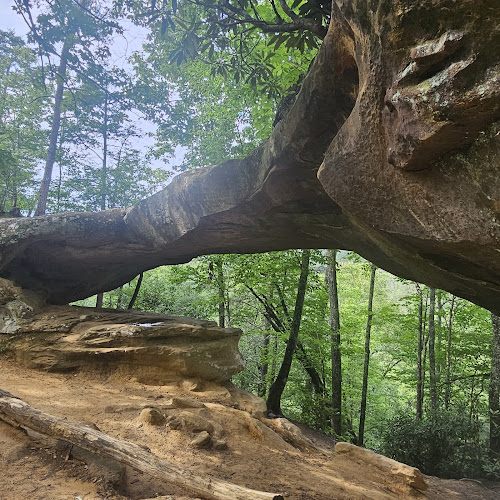
The Red River Gorge Geological Area isn’t the kind of place you just check off a list. It lingers. Long after you’ve wiped the trail dust off your boots and driven back toward cell service, the image of those massive sandstone cliffs tends to stick in your head. The Gorge sits inside the Daniel Boone National Forest and is shaped, quite literally, by time, water, and a stubborn river that refused to take the easy route. Over millions of years, the Red River carved out towering walls, narrow canyons, and more than a hundred natural sandstone arches. That’s not poetic exaggeration, either. It’s one of the highest concentrations of arches east of the Mississippi, which still surprises people.
For travelers, the appeal is layered. On the surface, it’s a hiking and scenic area, yes. But spend a full day, or better yet a long weekend, and it becomes something else. Quiet mornings broken only by wind through the trees. Sunsets that turn the rock faces a warm orange, almost glowing. And the sound of climbers calling up to each other from the base of a route, which somehow feels right in a place built for challenge.
I still remember my first visit. I went in thinking it’d be a quick hike-and-leave situation. Instead, I ended up sitting on a rock ledge for an hour, doing absolutely nothing, watching clouds slide between cliffs. No phone. No rush. That’s kind of the Gorge’s trick. It slows you down without asking permission.
The area is well-managed, with a visitor center that actually adds value, not just pamphlets. Trails range from short, kid-friendly loops to leg-burning climbs that make you question your life choices. And while it’s wildly popular, especially with climbers, it rarely feels overrun if you’re willing to wander even a little bit off the most obvious paths.
Key Features
- Over 100 documented natural sandstone arches, formed by erosion and time
- Massive cliff lines that attract rock climbers from around the world
- Dozens of hiking trails, from easy strolls to strenuous backcountry routes
- Scenic overlooks that deliver big payoffs without long hikes
- Red River winding through the gorge, shaping the landscape
- Designated picnic areas with tables and nearby restrooms
- Kid-friendly hikes and open spaces for families
- Dog-friendly trails, as long as your pup is leashed
- Free parking areas spread throughout the geological area
- Cycling lanes on access roads for those who prefer two wheels
Best Time to Visit
Fall gets all the hype, and honestly, it earns it. Late September through October brings cooler temps and a full-on color show that makes the cliffs look even more dramatic. The downside? Crowds. Parking lots fill fast, especially on weekends. If you’re not a morning person, fall weekends might test your patience.
Spring is my personal favorite. March through May means blooming wildflowers, fuller streams, and fewer people if you time it right. Trails can be muddy, and you’ll want decent shoes, but that’s part of the deal. And there’s something about fresh green leaves against gray stone that feels hopeful, like the land waking up.
Summer is warm and humid, no sugarcoating that. But it’s also when shaded trails and cliffside breezes become your best friends. Early mornings and evenings are the sweet spots. Plus, kids are out of school, which makes it easier for family trips. Just bring water. More than you think you’ll need.
Winter is underrated. Snow is hit-or-miss, but when it happens, the Gorge turns quiet and surreal. Ice on the cliffs, bare trees, long views. Some trails can be slick, and a few access roads may close temporarily, but if you’re careful, winter visits feel almost private. And yeah, it’s cold. But that’s what layers are for.
How to Get There
Getting to the Red River Gorge is part of the experience. Once you leave the main highways, the road narrows, curves increase, and the scenery slowly shifts from everyday rural Kentucky into something wilder. You’ll pass small towns, gas stations that double as general stores, and stretches of forest that feel untouched.
Most travelers arrive by car, which is really the only practical option. The Gorge itself is spread out, with trailheads and parking areas scattered along the main scenic routes. Public transportation doesn’t reach into the area, so plan accordingly. Having a reliable vehicle is important, especially if you want to explore beyond the most popular spots.
One tip from hard-earned experience: download maps ahead of time. Cell service is unreliable at best, nonexistent at worst. The first time I visited, I confidently ignored this advice and ended up guessing my way to a trailhead. It worked out, but I don’t recommend testing your luck like that.
Tips for Visiting
First, pace yourself. The Gorge looks manageable on a map, but elevation changes add up fast. A trail that seems short can feel long when you’re climbing stone steps carved into a hillside. Take breaks. Drink water. And don’t be embarrassed to turn around if a hike feels like too much. The views aren’t going anywhere.
Second, respect the land. This is a protected geological area for a reason. Stay on marked trails, don’t carve your name into sandstone (it happens, sadly), and pack out what you bring in. It’s basic stuff, but it matters. The arches and cliffs are surprisingly fragile, even though they look indestructible.
If you’re visiting with kids, pick trails with clear signage and shorter distances. There are plenty of options that still deliver wow-factor views without exhausting little legs. Picnic areas make a good mid-day reset, especially when moods start to dip. Snacks help too. Always snacks.
Dogs are welcome, which is a big win for many travelers. Just keep them leashed and be mindful on narrow trails and near cliff edges. Not every dog understands gravity the way humans do. I’ve seen a few heart-stopping moments that could’ve been avoided.
Weather can change quickly, so layers are your friend. Even in summer, shaded areas and wind along the cliffs can feel cool. In spring and fall, a light rain jacket is a smart addition. Trails can get slick after rain, especially on exposed rock.
Lastly, give yourself permission to wander a bit. Some of my favorite moments in the Red River Gorge came from unplanned stops. A short spur trail. A quiet overlook without a name. Sitting on a rock eating a sandwich while watching climbers inch their way up a route that looks impossible. Those unscripted moments are where the place really gets under your skin.
The Red River Gorge Geological Area isn’t flashy. It doesn’t try to impress you with gimmicks. It just exists, doing what it’s done for millions of years. And if you let it, it’ll remind you how good it feels to step into a landscape that doesn’t care about your schedule, your inbox, or your to-do list. You come for the arches and cliffs. You leave with something quieter, harder to name, and honestly, that’s the best part.
Key Features
- Over 100 documented natural sandstone arches, formed by erosion and time
- Massive cliff lines that attract rock climbers from around the world
- Dozens of hiking trails, from easy strolls to strenuous backcountry routes
- Scenic overlooks that deliver big payoffs without long hikes
- Red River winding through the gorge, shaping the landscape
- Designated picnic areas with tables and nearby restrooms
- Kid-friendly hikes and open spaces for families
- Dog-friendly trails, as long as your pup is leashed
More Details
Updated December 31, 2025
Table of Contents
Description
The Red River Gorge Geological Area isn’t the kind of place you just check off a list. It lingers. Long after you’ve wiped the trail dust off your boots and driven back toward cell service, the image of those massive sandstone cliffs tends to stick in your head. The Gorge sits inside the Daniel Boone National Forest and is shaped, quite literally, by time, water, and a stubborn river that refused to take the easy route. Over millions of years, the Red River carved out towering walls, narrow canyons, and more than a hundred natural sandstone arches. That’s not poetic exaggeration, either. It’s one of the highest concentrations of arches east of the Mississippi, which still surprises people.
For travelers, the appeal is layered. On the surface, it’s a hiking and scenic area, yes. But spend a full day, or better yet a long weekend, and it becomes something else. Quiet mornings broken only by wind through the trees. Sunsets that turn the rock faces a warm orange, almost glowing. And the sound of climbers calling up to each other from the base of a route, which somehow feels right in a place built for challenge.
I still remember my first visit. I went in thinking it’d be a quick hike-and-leave situation. Instead, I ended up sitting on a rock ledge for an hour, doing absolutely nothing, watching clouds slide between cliffs. No phone. No rush. That’s kind of the Gorge’s trick. It slows you down without asking permission.
The area is well-managed, with a visitor center that actually adds value, not just pamphlets. Trails range from short, kid-friendly loops to leg-burning climbs that make you question your life choices. And while it’s wildly popular, especially with climbers, it rarely feels overrun if you’re willing to wander even a little bit off the most obvious paths.
Key Features
- Over 100 documented natural sandstone arches, formed by erosion and time
- Massive cliff lines that attract rock climbers from around the world
- Dozens of hiking trails, from easy strolls to strenuous backcountry routes
- Scenic overlooks that deliver big payoffs without long hikes
- Red River winding through the gorge, shaping the landscape
- Designated picnic areas with tables and nearby restrooms
- Kid-friendly hikes and open spaces for families
- Dog-friendly trails, as long as your pup is leashed
- Free parking areas spread throughout the geological area
- Cycling lanes on access roads for those who prefer two wheels
Best Time to Visit
Fall gets all the hype, and honestly, it earns it. Late September through October brings cooler temps and a full-on color show that makes the cliffs look even more dramatic. The downside? Crowds. Parking lots fill fast, especially on weekends. If you’re not a morning person, fall weekends might test your patience.
Spring is my personal favorite. March through May means blooming wildflowers, fuller streams, and fewer people if you time it right. Trails can be muddy, and you’ll want decent shoes, but that’s part of the deal. And there’s something about fresh green leaves against gray stone that feels hopeful, like the land waking up.
Summer is warm and humid, no sugarcoating that. But it’s also when shaded trails and cliffside breezes become your best friends. Early mornings and evenings are the sweet spots. Plus, kids are out of school, which makes it easier for family trips. Just bring water. More than you think you’ll need.
Winter is underrated. Snow is hit-or-miss, but when it happens, the Gorge turns quiet and surreal. Ice on the cliffs, bare trees, long views. Some trails can be slick, and a few access roads may close temporarily, but if you’re careful, winter visits feel almost private. And yeah, it’s cold. But that’s what layers are for.
How to Get There
Getting to the Red River Gorge is part of the experience. Once you leave the main highways, the road narrows, curves increase, and the scenery slowly shifts from everyday rural Kentucky into something wilder. You’ll pass small towns, gas stations that double as general stores, and stretches of forest that feel untouched.
Most travelers arrive by car, which is really the only practical option. The Gorge itself is spread out, with trailheads and parking areas scattered along the main scenic routes. Public transportation doesn’t reach into the area, so plan accordingly. Having a reliable vehicle is important, especially if you want to explore beyond the most popular spots.
One tip from hard-earned experience: download maps ahead of time. Cell service is unreliable at best, nonexistent at worst. The first time I visited, I confidently ignored this advice and ended up guessing my way to a trailhead. It worked out, but I don’t recommend testing your luck like that.
Tips for Visiting
First, pace yourself. The Gorge looks manageable on a map, but elevation changes add up fast. A trail that seems short can feel long when you’re climbing stone steps carved into a hillside. Take breaks. Drink water. And don’t be embarrassed to turn around if a hike feels like too much. The views aren’t going anywhere.
Second, respect the land. This is a protected geological area for a reason. Stay on marked trails, don’t carve your name into sandstone (it happens, sadly), and pack out what you bring in. It’s basic stuff, but it matters. The arches and cliffs are surprisingly fragile, even though they look indestructible.
If you’re visiting with kids, pick trails with clear signage and shorter distances. There are plenty of options that still deliver wow-factor views without exhausting little legs. Picnic areas make a good mid-day reset, especially when moods start to dip. Snacks help too. Always snacks.
Dogs are welcome, which is a big win for many travelers. Just keep them leashed and be mindful on narrow trails and near cliff edges. Not every dog understands gravity the way humans do. I’ve seen a few heart-stopping moments that could’ve been avoided.
Weather can change quickly, so layers are your friend. Even in summer, shaded areas and wind along the cliffs can feel cool. In spring and fall, a light rain jacket is a smart addition. Trails can get slick after rain, especially on exposed rock.
Lastly, give yourself permission to wander a bit. Some of my favorite moments in the Red River Gorge came from unplanned stops. A short spur trail. A quiet overlook without a name. Sitting on a rock eating a sandwich while watching climbers inch their way up a route that looks impossible. Those unscripted moments are where the place really gets under your skin.
The Red River Gorge Geological Area isn’t flashy. It doesn’t try to impress you with gimmicks. It just exists, doing what it’s done for millions of years. And if you let it, it’ll remind you how good it feels to step into a landscape that doesn’t care about your schedule, your inbox, or your to-do list. You come for the arches and cliffs. You leave with something quieter, harder to name, and honestly, that’s the best part.
Key Highlights
- Over 100 documented natural sandstone arches, formed by erosion and time
- Massive cliff lines that attract rock climbers from around the world
- Dozens of hiking trails, from easy strolls to strenuous backcountry routes
- Scenic overlooks that deliver big payoffs without long hikes
- Red River winding through the gorge, shaping the landscape
- Designated picnic areas with tables and nearby restrooms
- Kid-friendly hikes and open spaces for families
- Dog-friendly trails, as long as your pup is leashed
Location
Places to Stay Near Red River Gorge Geological Area
Find and Book a Tour
Explore More Travel Guides
No reviews found! Be the first to review!
Traveler Reviews for Red River Gorge Geological Area
There are no reviews yet. Be the first one to write one.
Have you visited Red River Gorge Geological Area? Help other travelers by sharing your review.
Find Accommodations Nearby
Recommended Tours & Activities
Visitor Reviews
There are no reviews yet. Be the first one to write one.
Share Your Experience
Have you visited Red River Gorge Geological Area? Help other travelers by leaving a review.