
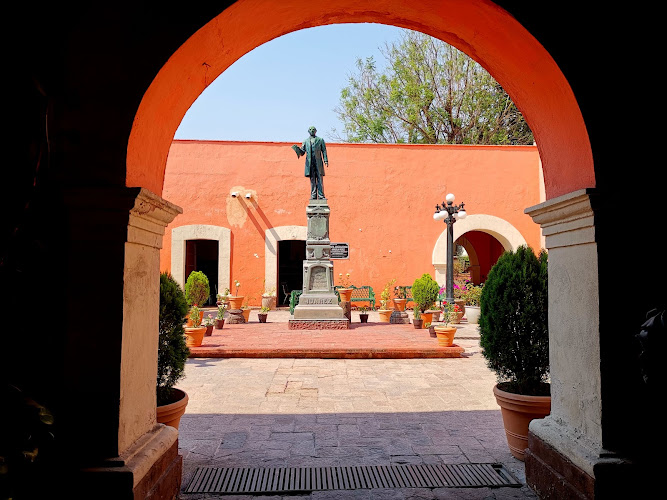
Recinto Cultural de Juárez
About Recinto Cultural de Juárez
Description
The Recinto Cultural de Juárez in Saltillo is one of those places that feels more personal than grand, more about stories than spectacle. It sits right in the heart of the city’s historic center, inside a stately old house where President Benito Juárez and his family lived briefly in 1863–1864 during the turbulent years of the French Intervention. Walking through its rooms today, you’re not just stepping into a museum—you’re stepping into a home that once carried the weight of political refuge and resilience. The walls don’t just display history; they’ve lived it.
When it was officially turned into a museum in 1977, the house also became the headquarters of the Coahuilense College of Historical Research. That means the space isn’t just about looking back—it’s also about preserving and studying Mexico’s past in an ongoing way. Some visitors find it quiet and contemplative, while others are caught off guard by how much history is packed into such an unassuming building. And yes, it’s not a flashy, state-of-the-art museum with interactive screens everywhere, but that’s part of the charm. It’s authentic, and it feels like a hidden corner of Mexican history you’ve stumbled into.
The atmosphere is generally calm, even cozy, with exhibits that showcase both national history and Saltillo’s local role in it. While not every visitor may be blown away—some might expect more elaborate displays—the majority leave with a sense of having discovered something meaningful. If you’re the kind of traveler who enjoys peeling back the quieter layers of a city, this place will likely resonate with you.
Key Features
- The Hall of Flags, displaying banners from the Reform War, is one of the most striking exhibits.
- Original rooms preserved to reflect the time when Juárez and his family lived here.
- Collections of documents, artifacts, and personal items tied to Juárez and the French Intervention period.
- Home to the Coahuilense College of Historical Research, giving the space an academic and cultural dimension.
- Accessible facilities, including wheelchair-friendly entrances and restrooms.
- Family-friendly environment, making it a good stop if you’re traveling with kids.
What I personally love is the contrast—you walk outside and Saltillo’s streets are buzzing, but inside the Recinto, it feels like time slows down. It’s a pocket of history where you can almost imagine Juárez himself pacing the halls, thinking through the fate of a nation.
Best Time to Visit
Saltillo has a climate that can swing from chilly mornings to warm afternoons, so timing your visit matters. The Recinto Cultural de Juárez is best enjoyed in the late morning or early afternoon, when the light filters beautifully through the old windows and the house feels most alive. Weekdays are generally quieter, which means you can take your time with the exhibits without feeling rushed. If you’re planning your trip around the city’s cultural calendar, visiting during local festivals can add another layer of context, though it may also mean more crowds.
Personally, I’d avoid the very late afternoon, not because the museum itself changes, but because the surrounding historic center gets busier with traffic and noise. For me, the magic of the Recinto is in its stillness, so I’d recommend going when you can savor that.
How to Get There
Getting to the Recinto Cultural de Juárez is straightforward if you’re already in Saltillo’s historic center. Most visitors arrive on foot while exploring the downtown area, since the museum is within walking distance of many other landmarks. If you’re staying farther out, taxis and rideshare services are reliable and inexpensive. Public transport is also an option, though it can be a bit tricky if you’re not familiar with the routes.
I’d say walking is the best way to arrive—not just for convenience, but because it lets you soak in the character of the historic streets. And honestly, half the fun of visiting is stumbling across little cafés or shops along the way. Just wear comfortable shoes; the sidewalks in Saltillo’s center can be uneven in spots.
Tips for Visiting
Here are a few things I’ve learned (sometimes the hard way) that might help you make the most of your visit:
- Take your time: Even though the museum isn’t huge, don’t rush. The details in the exhibits reward close attention.
- Ask questions: The staff are usually friendly and knowledgeable, and they sometimes share stories that aren’t written on the plaques.
- No restaurant on-site: Plan to eat before or after. Luckily, the historic center has plenty of good spots nearby.
- Good for families: Kids often enjoy the flags and the idea that they’re walking through a real historic house.
- Accessibility: The building is wheelchair accessible, which isn’t always the case with older houses, so that’s a plus.
- Photography: Rules can vary, so check before snapping pictures.
One last thought: don’t go expecting a massive museum with endless galleries. Go expecting to connect with a piece of Saltillo’s soul, a place where national history brushed up against everyday life. For me, that’s what makes it worth the visit. It’s not the kind of spot you brag about on Instagram, but it’s the kind of memory that sticks with you long after you’ve left.
Key Features
- The Hall of Flags, displaying banners from the Reform War, is one of the most striking exhibits.
- Original rooms preserved to reflect the time when Juárez and his family lived here.
- Collections of documents, artifacts, and personal items tied to Juárez and the French Intervention period.
- Home to the Coahuilense College of Historical Research, giving the space an academic and cultural dimension.
- Accessible facilities, including wheelchair-friendly entrances and restrooms.
- Family-friendly environment, making it a good stop if you’re traveling with kids.
More Details
Updated September 24, 2025
Table of Contents
Description
The Recinto Cultural de Juárez in Saltillo is one of those places that feels more personal than grand, more about stories than spectacle. It sits right in the heart of the city’s historic center, inside a stately old house where President Benito Juárez and his family lived briefly in 1863–1864 during the turbulent years of the French Intervention. Walking through its rooms today, you’re not just stepping into a museum—you’re stepping into a home that once carried the weight of political refuge and resilience. The walls don’t just display history; they’ve lived it.
When it was officially turned into a museum in 1977, the house also became the headquarters of the Coahuilense College of Historical Research. That means the space isn’t just about looking back—it’s also about preserving and studying Mexico’s past in an ongoing way. Some visitors find it quiet and contemplative, while others are caught off guard by how much history is packed into such an unassuming building. And yes, it’s not a flashy, state-of-the-art museum with interactive screens everywhere, but that’s part of the charm. It’s authentic, and it feels like a hidden corner of Mexican history you’ve stumbled into.
The atmosphere is generally calm, even cozy, with exhibits that showcase both national history and Saltillo’s local role in it. While not every visitor may be blown away—some might expect more elaborate displays—the majority leave with a sense of having discovered something meaningful. If you’re the kind of traveler who enjoys peeling back the quieter layers of a city, this place will likely resonate with you.
Key Features
- The Hall of Flags, displaying banners from the Reform War, is one of the most striking exhibits.
- Original rooms preserved to reflect the time when Juárez and his family lived here.
- Collections of documents, artifacts, and personal items tied to Juárez and the French Intervention period.
- Home to the Coahuilense College of Historical Research, giving the space an academic and cultural dimension.
- Accessible facilities, including wheelchair-friendly entrances and restrooms.
- Family-friendly environment, making it a good stop if you’re traveling with kids.
What I personally love is the contrast—you walk outside and Saltillo’s streets are buzzing, but inside the Recinto, it feels like time slows down. It’s a pocket of history where you can almost imagine Juárez himself pacing the halls, thinking through the fate of a nation.
Best Time to Visit
Saltillo has a climate that can swing from chilly mornings to warm afternoons, so timing your visit matters. The Recinto Cultural de Juárez is best enjoyed in the late morning or early afternoon, when the light filters beautifully through the old windows and the house feels most alive. Weekdays are generally quieter, which means you can take your time with the exhibits without feeling rushed. If you’re planning your trip around the city’s cultural calendar, visiting during local festivals can add another layer of context, though it may also mean more crowds.
Personally, I’d avoid the very late afternoon, not because the museum itself changes, but because the surrounding historic center gets busier with traffic and noise. For me, the magic of the Recinto is in its stillness, so I’d recommend going when you can savor that.
How to Get There
Getting to the Recinto Cultural de Juárez is straightforward if you’re already in Saltillo’s historic center. Most visitors arrive on foot while exploring the downtown area, since the museum is within walking distance of many other landmarks. If you’re staying farther out, taxis and rideshare services are reliable and inexpensive. Public transport is also an option, though it can be a bit tricky if you’re not familiar with the routes.
I’d say walking is the best way to arrive—not just for convenience, but because it lets you soak in the character of the historic streets. And honestly, half the fun of visiting is stumbling across little cafés or shops along the way. Just wear comfortable shoes; the sidewalks in Saltillo’s center can be uneven in spots.
Tips for Visiting
Here are a few things I’ve learned (sometimes the hard way) that might help you make the most of your visit:
- Take your time: Even though the museum isn’t huge, don’t rush. The details in the exhibits reward close attention.
- Ask questions: The staff are usually friendly and knowledgeable, and they sometimes share stories that aren’t written on the plaques.
- No restaurant on-site: Plan to eat before or after. Luckily, the historic center has plenty of good spots nearby.
- Good for families: Kids often enjoy the flags and the idea that they’re walking through a real historic house.
- Accessibility: The building is wheelchair accessible, which isn’t always the case with older houses, so that’s a plus.
- Photography: Rules can vary, so check before snapping pictures.
One last thought: don’t go expecting a massive museum with endless galleries. Go expecting to connect with a piece of Saltillo’s soul, a place where national history brushed up against everyday life. For me, that’s what makes it worth the visit. It’s not the kind of spot you brag about on Instagram, but it’s the kind of memory that sticks with you long after you’ve left.
Key Highlights
- The Hall of Flags, displaying banners from the Reform War, is one of the most striking exhibits.
- Original rooms preserved to reflect the time when Juárez and his family lived here.
- Collections of documents, artifacts, and personal items tied to Juárez and the French Intervention period.
- Home to the Coahuilense College of Historical Research, giving the space an academic and cultural dimension.
- Accessible facilities, including wheelchair-friendly entrances and restrooms.
- Family-friendly environment, making it a good stop if you’re traveling with kids.
Location
Places to Stay Near Recinto Cultural de Juárez
Find and Book a Tour
Explore More Travel Guides
No reviews found! Be the first to review!
Traveler Reviews for Recinto Cultural de Juárez
There are no reviews yet. Be the first one to write one.
Have you visited Recinto Cultural de Juárez? Help other travelers by sharing your review.
You Might Also Like
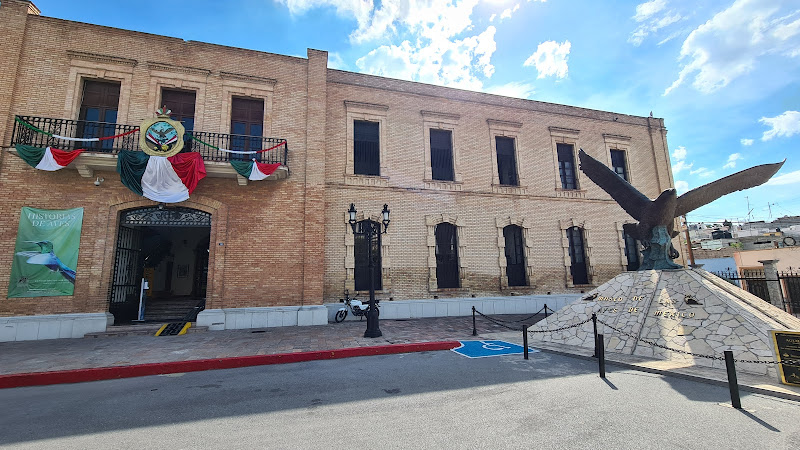
Museo de Las Aves de México
Plaza Alpes Norte
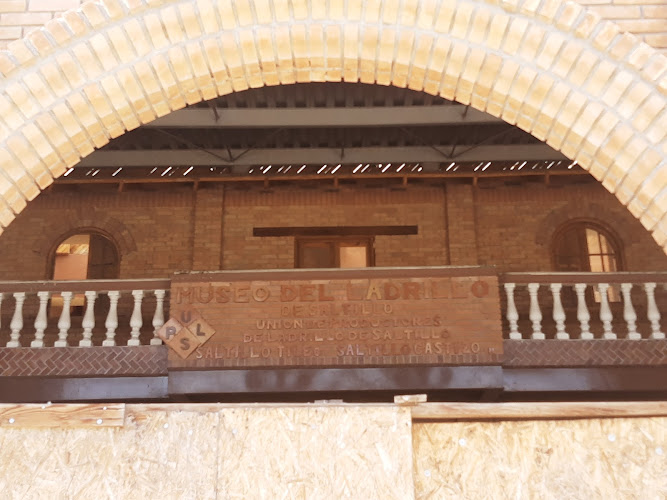
Museo del Ladrillo
Find Accommodations Nearby
Recommended Tours & Activities
Visitor Reviews
There are no reviews yet. Be the first one to write one.
Share Your Experience
Have you visited Recinto Cultural de Juárez? Help other travelers by leaving a review.