
REACH Museum
About REACH Museum
Description
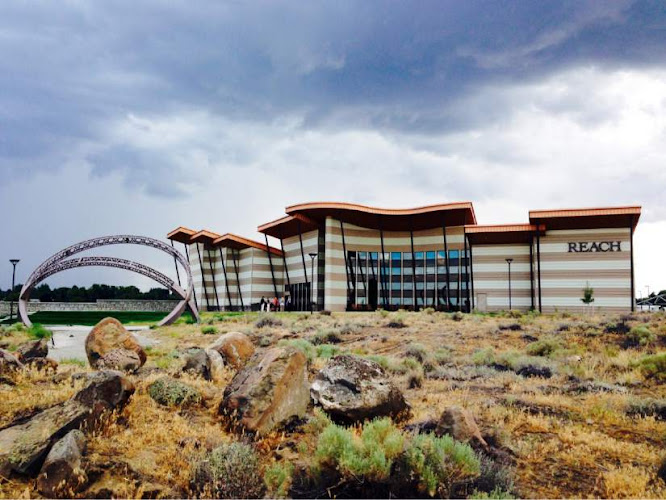
The REACH Museum in Richland, Washington serves as a regional hub for the history, science, and geology of the Hanford Reach and the greater Tri-Cities area. Positioned along the Columbia Park Trail with a monument visible nearby, the museum presents the layered stories of the Columbia River, the people who lived beside it, and the technological and environmental chapters tied to the Hanford site. It acts as an interpretive center where natural history meets human history and where science exhibits sit comfortably alongside local cultural displays.
Visitors find galleries that shift between hands-on science, rotating exhibits, and quiet displays about the Ice Age floods and native cultural heritage. The museum does not just show artifacts; it interprets the landscape. Exhibits explore the Columbia River ecosystem, explain sediment and geology, and trace how the Manhattan Project and later Cold War-era activities reshaped the region. For those who like context, the REACH connects dots between the natural forces that carved the basin and the modern technological footprint that became the Hanford site. The result is often surprising: a site that can flip from paleohistory to high-tech history in the same room, and somehow make both feel relevant.
Families appreciate the mix of interactive learning and accessible displays. There are kid-friendly features, changing tables, and programs geared toward school groups and younger explorers. Adults who love science and local history will find detailed panels, artifacts, and a small theater that screens regionally focused films and occasional live performances. The museum doubles as an event venue—weddings, community programs, and public lectures occur there—so visitors might stumble into a talk or performance during a regular museum day. And yes, the gift shop offers regionally themed items that make decent mementos or gifts for the person who collects odd local history trinkets.
Practical amenities are straightforward: free on-site parking, wheelchair accessible entrances and restrooms, and tours offered by staff or volunteers who tend to be enthusiastic and well-informed about the Hanford Reach National Monument, the Columbia River, and local archaeology. An admission fee supports the museum’s programming and rotating exhibits. Active military discounts are available, which is a thoughtful touch for a community with many service members and veterans.
The REACH does something that larger museums sometimes forget: it places a strong emphasis on place. Walking out onto the adjacent trail, visitors can literally see the landscape described inside. That physical link between exhibit and environment is powerful. One memorable moment for many is standing on the trail after a gallery tour and spotting the Columbia River's broad sweep while imagining the Ice Age floods that scoured the land. It’s an instant context-builder and one reason travelers often pair a museum visit with a riverside stroll.
Not everything is perfect. At busy times—particularly when school groups or community events coincide—the galleries can feel crowded and the theater may be used for private programs. Some visitors expect a large blockbuster museum experience and are instead met with a compact, highly focused interpretive center. Those who want deep archival research or exhaustive Hanford Site technical detail might find the REACH an excellent introduction but not the final word. Still, the museum's approachable scale is a feature for many: it invites curiosity without overwhelming, and staff are usually eager to point visitors toward more specialized resources if desired.
For travelers planning a stop, the REACH is a smart half-day outing that complements other Tri-Cities experiences. The museum’s emphasis on geology, ecology, and regional history makes it particularly worthwhile for those curious about the Columbia River’s role in shaping communities, climate, and commerce in the Pacific Northwest. Photographers and history buffs will enjoy the proximity to river views and the ability to combine indoor learning with outdoor wandering.
The REACH also plays a public role in conversations about stewardship and the future of the Hanford area. Programs often tackle contemporary issues—restoration, monitoring, and the ongoing relationship between people and place. This is not just nostalgia; the museum encourages visitors to think about how past decisions influence present-day environmental management and community life.
Personal note from this guide: after many visits to regional museums, the REACH stands out for how it ties an interpretive thread through subjects that otherwise feel siloed. It is the kind of museum that rewards both quick pop-ins and slower, curious exploration. Bring comfortable shoes for the trail, and an appetite for regional stories that travel from ancient floods to modern science and technology. It will leave most visitors with new questions as much as answers, and that right there is the point.
Key Features
More Details
Updated August 30, 2025
Table of Contents
Description
The REACH Museum in Richland, Washington serves as a regional hub for the history, science, and geology of the Hanford Reach and the greater Tri-Cities area. Positioned along the Columbia Park Trail with a monument visible nearby, the museum presents the layered stories of the Columbia River, the people who lived beside it, and the technological and environmental chapters tied to the Hanford site. It acts as an interpretive center where natural history meets human history and where science exhibits sit comfortably alongside local cultural displays.
Visitors find galleries that shift between hands-on science, rotating exhibits, and quiet displays about the Ice Age floods and native cultural heritage. The museum does not just show artifacts; it interprets the landscape. Exhibits explore the Columbia River ecosystem, explain sediment and geology, and trace how the Manhattan Project and later Cold War-era activities reshaped the region. For those who like context, the REACH connects dots between the natural forces that carved the basin and the modern technological footprint that became the Hanford site. The result is often surprising: a site that can flip from paleohistory to high-tech history in the same room, and somehow make both feel relevant.
Families appreciate the mix of interactive learning and accessible displays. There are kid-friendly features, changing tables, and programs geared toward school groups and younger explorers. Adults who love science and local history will find detailed panels, artifacts, and a small theater that screens regionally focused films and occasional live performances. The museum doubles as an event venue—weddings, community programs, and public lectures occur there—so visitors might stumble into a talk or performance during a regular museum day. And yes, the gift shop offers regionally themed items that make decent mementos or gifts for the person who collects odd local history trinkets.
Practical amenities are straightforward: free on-site parking, wheelchair accessible entrances and restrooms, and tours offered by staff or volunteers who tend to be enthusiastic and well-informed about the Hanford Reach National Monument, the Columbia River, and local archaeology. An admission fee supports the museum’s programming and rotating exhibits. Active military discounts are available, which is a thoughtful touch for a community with many service members and veterans.
The REACH does something that larger museums sometimes forget: it places a strong emphasis on place. Walking out onto the adjacent trail, visitors can literally see the landscape described inside. That physical link between exhibit and environment is powerful. One memorable moment for many is standing on the trail after a gallery tour and spotting the Columbia River’s broad sweep while imagining the Ice Age floods that scoured the land. It’s an instant context-builder and one reason travelers often pair a museum visit with a riverside stroll.
Not everything is perfect. At busy times—particularly when school groups or community events coincide—the galleries can feel crowded and the theater may be used for private programs. Some visitors expect a large blockbuster museum experience and are instead met with a compact, highly focused interpretive center. Those who want deep archival research or exhaustive Hanford Site technical detail might find the REACH an excellent introduction but not the final word. Still, the museum’s approachable scale is a feature for many: it invites curiosity without overwhelming, and staff are usually eager to point visitors toward more specialized resources if desired.
For travelers planning a stop, the REACH is a smart half-day outing that complements other Tri-Cities experiences. The museum’s emphasis on geology, ecology, and regional history makes it particularly worthwhile for those curious about the Columbia River’s role in shaping communities, climate, and commerce in the Pacific Northwest. Photographers and history buffs will enjoy the proximity to river views and the ability to combine indoor learning with outdoor wandering.
The REACH also plays a public role in conversations about stewardship and the future of the Hanford area. Programs often tackle contemporary issues—restoration, monitoring, and the ongoing relationship between people and place. This is not just nostalgia; the museum encourages visitors to think about how past decisions influence present-day environmental management and community life.
Personal note from this guide: after many visits to regional museums, the REACH stands out for how it ties an interpretive thread through subjects that otherwise feel siloed. It is the kind of museum that rewards both quick pop-ins and slower, curious exploration. Bring comfortable shoes for the trail, and an appetite for regional stories that travel from ancient floods to modern science and technology. It will leave most visitors with new questions as much as answers, and that right there is the point.
Key Highlights
REACH Museum
Location
Places to Stay Near REACH Museum
Find and Book a Tour
Explore More Travel Guides
No reviews found! Be the first to review!
Traveler Reviews for REACH Museum
There are no reviews yet. Be the first one to write one.
Have you visited REACH Museum? Help other travelers by sharing your review.
You Might Also Like

PrimeLending, A PlainsCapital Company - Tri-Cities WA

Badger Mountain Community Park
Howard Amon Park
Find Accommodations Nearby
Recommended Tours & Activities
Visitor Reviews
There are no reviews yet. Be the first one to write one.
Share Your Experience
Have you visited REACH Museum? Help other travelers by leaving a review.