
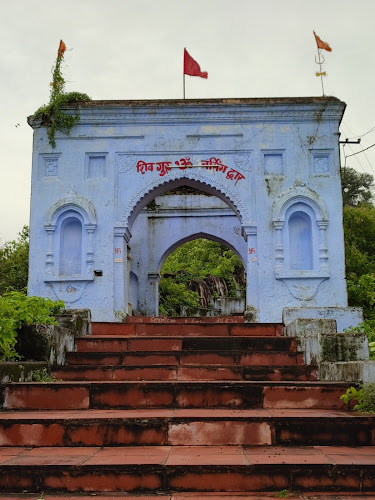
Ramshila Hill
About Ramshila Hill
Description
Ramshila Hill stands as one of those places where spirituality meets raw natural beauty, and honestly, I've always found that combination pretty remarkable. This mountain peak has been drawing pilgrims and travelers for generations, though it doesn't get the massive crowds you'd find at more commercialized destinations. The hill itself rises with a kind of quiet dignity, offering visitors both a physical challenge and a chance for spiritual reflection. What strikes most people when they first arrive is how the hill manages to feel both accessible and remote at the same time. You're not climbing Everest here, but you're definitely going to know you've done something worthwhile by the time you reach the summit. The terrain changes as you ascend, moving from easier paths to sections that require a bit more determination and sure footing. The religious significance of Ramshila Hill runs deep in local culture. Temples and shrines dot the landscape, each with their own stories and devotees who've been making this pilgrimage for years. And while the spiritual aspect draws many visitors, you don't have to be particularly religious to appreciate what this place offers. The panoramic views from various points along the climb are genuinely breathtaking, stretching across valleys and neighboring peaks in ways that make you stop and just stare. I remember talking to a local guide once who told me his grandfather used to climb this hill every week without fail, rain or shine. That kind of dedication speaks to something deeper than just exercise or tourism. There's a connection people feel here that's hard to put into words but easy to experience once you're standing on those ancient rocks yourself. The hill attracts a pretty diverse crowd these days. You'll see serious trekkers with all their gear, elderly pilgrims moving slowly but with purpose, families trying to instill some appreciation for nature in their kids, and solo travelers looking for that perfect Instagram shot or maybe just some peace and quiet. Most visitors come away feeling like they got what they came for, though the experience can be quite different depending on when you visit and what you're seeking.Key Features
The distinctive characteristics of Ramshila Hill make it worth considering for your travel itinerary, especially if you're someone who appreciates destinations that offer multiple layers of experience:- Multiple temples and religious sites scattered throughout the climb, each offering different architectural styles and spiritual atmospheres that reflect various periods of construction and renovation
- Panoramic viewing points at different elevations, meaning you don't have to complete the entire ascent to enjoy spectacular vistas of the surrounding landscape
- Well-worn paths that show evidence of centuries of pilgrimage, giving the trek a sense of historical continuity that modern trails simply can't replicate
- Rocky outcrops and natural formations that provide perfect spots for rest, meditation, or photography throughout the journey upward
- Sunrise and sunset viewing opportunities that transform the entire hill into something almost otherworldly, with light playing across the terrain in ways that change by the minute
- Local flora and fauna that adapt to the elevation changes, creating mini-ecosystems you can observe as you climb higher
- Stone inscriptions and carvings at various points that tell stories if you take the time to look closely or ask knowledgeable locals about their significance
- Community of regular pilgrims and visitors who create an informal support system, often sharing water, advice, or encouragement with fellow climbers
- Areas designated for prayer and contemplation that maintain a peaceful atmosphere even when other parts of the hill see heavier foot traffic
Best Time to Visit
Timing your visit to Ramshila Hill can honestly make or break your experience, and I've heard enough stories from travelers who learned this the hard way to know it's worth planning carefully. The cooler months between October and March generally offer the most comfortable conditions for making the climb. Temperatures during this period stay manageable, and you won't find yourself drenched in sweat halfway up. Winter mornings can get pretty chilly though, so don't pack like you're heading to the beach. I'd suggest layers that you can shed as you warm up during the ascent. Many seasoned visitors swear by the period right after monsoon season ends, usually late September through November. The landscape takes on this refreshed quality, with vegetation looking its greenest and the air feeling crisp and clean. Plus, the chances of clear skies for those panoramic views increase significantly. But here's the thing about monsoon season, which typically runs from June through early September – some people absolutely love visiting during this time despite the challenges. The hill becomes shrouded in mist and clouds, creating an almost mystical atmosphere that appeals to photographers and those seeking a more dramatic experience. However, the paths get slippery, visibility drops, and you need to be genuinely careful about your footing. Not recommended for first-timers or anyone with mobility concerns. Summer months from April to June bring intense heat that can make the climb quite demanding. If you're visiting during this period, start your ascent as early as possible – like dawn early. The temperature difference between 6 AM and 10 AM can be substantial, and you'll appreciate having the harder parts of the climb behind you before the sun reaches its peak intensity. Festival periods bring their own considerations. The hill sees significantly more visitors during major religious occasions, which creates a certain energy and community feeling that some travelers find enriching. Others prefer the quieter, more contemplative experience of visiting during off-peak times. Neither approach is wrong – it depends entirely on what kind of experience resonates with you.How to Get There
Getting to Ramshila Hill requires some planning, though it's not as complicated as reaching some truly remote mountain destinations. The accessibility has improved considerably over recent years, making it feasible for travelers with various budgets and time constraints. Most visitors approach the hill from the nearest major town or city, which serves as a logical base for the journey. Road connections have improved significantly, and you'll find various transportation options depending on your preferences and budget. Local buses run regularly and offer the most economical option, though they make multiple stops and take considerably longer than private vehicles. Hiring a taxi or arranging private transport gives you flexibility with timing and the ability to stop at viewpoints or local establishments along the route. Many drivers who work this route regularly can provide valuable insights about the area – just make sure to negotiate rates clearly before departing to avoid any awkward conversations later. If you're the adventurous type who prefers two wheels, renting a motorcycle or scooter is definitely doable, though you'll want to check road conditions beforehand. The journey can be quite scenic on a bike, giving you freedom to explore at your own pace. Just remember that parking near the base of the hill can get crowded during peak times. The actual trailhead or starting point for the climb is usually pretty well-marked, though asking locals for confirmation never hurts. There's typically some basic infrastructure at the base – small shops selling water and snacks, maybe a few food stalls, sometimes informal guides offering their services. Whether you need a guide depends on your comfort level and the trail's condition, but the main paths are generally well-established enough that reasonably experienced hikers can manage independently. Some visitors choose to stay overnight in nearby accommodations rather than attempting a day trip, which can reduce the pressure to rush and allows for experiencing the hill at different times of day. Budget guesthouses and hotels in the surrounding area range from basic to moderately comfortable, with advance booking recommended during busy seasons.Tips for Visiting
Having talked to plenty of people who've made this climb, I've collected some practical wisdom that can make your visit to Ramshila Hill considerably more enjoyable and safe. Start earlier than you think necessary. This advice gets repeated for mountain destinations because it's genuinely important, but people still underestimate how much difference it makes. Early starts mean cooler temperatures, better light for photography, fewer crowds, and plenty of buffer time if you move slower than expected. Water is non-negotiable. Carry more than you think you'll need because dehydration can sneak up on you during climbs, even when weather seems mild. Yes, there might be vendors selling bottled water along some sections, but don't count on it, and definitely don't count on them having enough when you need it most. Footwear matters way more than fashion. I've seen people attempt this climb in flip-flops or dress shoes, and it never ends well. Proper hiking shoes or at least sturdy sneakers with good grip will prevent slips and make the entire experience less stressful for your feet and ankles. Break them in before your trip if they're new. Respect the religious significance of the site. Even if spiritual aspects don't personally resonate with you, remember that they matter deeply to many visitors and local communities. Dress modestly, keep voices down in prayer areas, and ask before photographing people engaged in worship. Basic courtesy goes a long way toward maintaining the hill's welcoming atmosphere. Pack light but smart. You'll want sunscreen, a hat, maybe a light jacket depending on season, and some energy-boosting snacks. But hauling a massive backpack up a mountain gets old fast. Find the balance between prepared and overburdened. Listen to your body during the ascent. There's no prize for pushing through genuine distress signals. Take breaks when needed, find shade during hot weather, and don't let ego or peer pressure convince you to ignore warning signs of exhaustion or altitude discomfort. Consider visiting on weekdays if your schedule allows. Weekends and holidays bring significantly larger crowds, which can diminish the peaceful contemplative quality that makes Ramshila Hill special for many people. The experience of having certain viewpoints or shrine areas relatively to yourself creates moments you'll remember long after your muscles stop aching. Bring small denomination currency for any offerings at temples or purchases from small vendors. Many won't have change for large bills, and fumbling with money transactions when you're tired isn't fun. Download offline maps or get clear directions before starting your climb. Cell coverage can be spotty at various elevations, and you don't want to rely on signal when trying to find your way. Consider the descent before you're tired from climbing up. Going down can actually be harder on knees and requires concentration to avoid slips. Save some energy and daylight for the return journey.Key Features
- Associated with Lord Rama and local Ramayana legends
- Short, easy trek/steps with rocky terraces and viewpoints
- Ritual and pilgrimage activities tied to ancestor rites
- Close proximity to the Falgu River with rural landscape views
- Accessible day-trip from Gaya city and Vishnupad Temple
More Details
Updated January 18, 2026
Table of Contents
Description
Ramshila Hill stands as one of those places where spirituality meets raw natural beauty, and honestly, I’ve always found that combination pretty remarkable. This mountain peak has been drawing pilgrims and travelers for generations, though it doesn’t get the massive crowds you’d find at more commercialized destinations. The hill itself rises with a kind of quiet dignity, offering visitors both a physical challenge and a chance for spiritual reflection.
What strikes most people when they first arrive is how the hill manages to feel both accessible and remote at the same time. You’re not climbing Everest here, but you’re definitely going to know you’ve done something worthwhile by the time you reach the summit. The terrain changes as you ascend, moving from easier paths to sections that require a bit more determination and sure footing.
The religious significance of Ramshila Hill runs deep in local culture. Temples and shrines dot the landscape, each with their own stories and devotees who’ve been making this pilgrimage for years. And while the spiritual aspect draws many visitors, you don’t have to be particularly religious to appreciate what this place offers. The panoramic views from various points along the climb are genuinely breathtaking, stretching across valleys and neighboring peaks in ways that make you stop and just stare.
I remember talking to a local guide once who told me his grandfather used to climb this hill every week without fail, rain or shine. That kind of dedication speaks to something deeper than just exercise or tourism. There’s a connection people feel here that’s hard to put into words but easy to experience once you’re standing on those ancient rocks yourself.
The hill attracts a pretty diverse crowd these days. You’ll see serious trekkers with all their gear, elderly pilgrims moving slowly but with purpose, families trying to instill some appreciation for nature in their kids, and solo travelers looking for that perfect Instagram shot or maybe just some peace and quiet. Most visitors come away feeling like they got what they came for, though the experience can be quite different depending on when you visit and what you’re seeking.
Key Features
The distinctive characteristics of Ramshila Hill make it worth considering for your travel itinerary, especially if you’re someone who appreciates destinations that offer multiple layers of experience:
- Multiple temples and religious sites scattered throughout the climb, each offering different architectural styles and spiritual atmospheres that reflect various periods of construction and renovation
- Panoramic viewing points at different elevations, meaning you don’t have to complete the entire ascent to enjoy spectacular vistas of the surrounding landscape
- Well-worn paths that show evidence of centuries of pilgrimage, giving the trek a sense of historical continuity that modern trails simply can’t replicate
- Rocky outcrops and natural formations that provide perfect spots for rest, meditation, or photography throughout the journey upward
- Sunrise and sunset viewing opportunities that transform the entire hill into something almost otherworldly, with light playing across the terrain in ways that change by the minute
- Local flora and fauna that adapt to the elevation changes, creating mini-ecosystems you can observe as you climb higher
- Stone inscriptions and carvings at various points that tell stories if you take the time to look closely or ask knowledgeable locals about their significance
- Community of regular pilgrims and visitors who create an informal support system, often sharing water, advice, or encouragement with fellow climbers
- Areas designated for prayer and contemplation that maintain a peaceful atmosphere even when other parts of the hill see heavier foot traffic
Best Time to Visit
Timing your visit to Ramshila Hill can honestly make or break your experience, and I’ve heard enough stories from travelers who learned this the hard way to know it’s worth planning carefully.
The cooler months between October and March generally offer the most comfortable conditions for making the climb. Temperatures during this period stay manageable, and you won’t find yourself drenched in sweat halfway up. Winter mornings can get pretty chilly though, so don’t pack like you’re heading to the beach. I’d suggest layers that you can shed as you warm up during the ascent.
Many seasoned visitors swear by the period right after monsoon season ends, usually late September through November. The landscape takes on this refreshed quality, with vegetation looking its greenest and the air feeling crisp and clean. Plus, the chances of clear skies for those panoramic views increase significantly.
But here’s the thing about monsoon season, which typically runs from June through early September – some people absolutely love visiting during this time despite the challenges. The hill becomes shrouded in mist and clouds, creating an almost mystical atmosphere that appeals to photographers and those seeking a more dramatic experience. However, the paths get slippery, visibility drops, and you need to be genuinely careful about your footing. Not recommended for first-timers or anyone with mobility concerns.
Summer months from April to June bring intense heat that can make the climb quite demanding. If you’re visiting during this period, start your ascent as early as possible – like dawn early. The temperature difference between 6 AM and 10 AM can be substantial, and you’ll appreciate having the harder parts of the climb behind you before the sun reaches its peak intensity.
Festival periods bring their own considerations. The hill sees significantly more visitors during major religious occasions, which creates a certain energy and community feeling that some travelers find enriching. Others prefer the quieter, more contemplative experience of visiting during off-peak times. Neither approach is wrong – it depends entirely on what kind of experience resonates with you.
How to Get There
Getting to Ramshila Hill requires some planning, though it’s not as complicated as reaching some truly remote mountain destinations. The accessibility has improved considerably over recent years, making it feasible for travelers with various budgets and time constraints.
Most visitors approach the hill from the nearest major town or city, which serves as a logical base for the journey. Road connections have improved significantly, and you’ll find various transportation options depending on your preferences and budget. Local buses run regularly and offer the most economical option, though they make multiple stops and take considerably longer than private vehicles.
Hiring a taxi or arranging private transport gives you flexibility with timing and the ability to stop at viewpoints or local establishments along the route. Many drivers who work this route regularly can provide valuable insights about the area – just make sure to negotiate rates clearly before departing to avoid any awkward conversations later.
If you’re the adventurous type who prefers two wheels, renting a motorcycle or scooter is definitely doable, though you’ll want to check road conditions beforehand. The journey can be quite scenic on a bike, giving you freedom to explore at your own pace. Just remember that parking near the base of the hill can get crowded during peak times.
The actual trailhead or starting point for the climb is usually pretty well-marked, though asking locals for confirmation never hurts. There’s typically some basic infrastructure at the base – small shops selling water and snacks, maybe a few food stalls, sometimes informal guides offering their services. Whether you need a guide depends on your comfort level and the trail’s condition, but the main paths are generally well-established enough that reasonably experienced hikers can manage independently.
Some visitors choose to stay overnight in nearby accommodations rather than attempting a day trip, which can reduce the pressure to rush and allows for experiencing the hill at different times of day. Budget guesthouses and hotels in the surrounding area range from basic to moderately comfortable, with advance booking recommended during busy seasons.
Tips for Visiting
Having talked to plenty of people who’ve made this climb, I’ve collected some practical wisdom that can make your visit to Ramshila Hill considerably more enjoyable and safe.
Start earlier than you think necessary. This advice gets repeated for mountain destinations because it’s genuinely important, but people still underestimate how much difference it makes. Early starts mean cooler temperatures, better light for photography, fewer crowds, and plenty of buffer time if you move slower than expected.
Water is non-negotiable. Carry more than you think you’ll need because dehydration can sneak up on you during climbs, even when weather seems mild. Yes, there might be vendors selling bottled water along some sections, but don’t count on it, and definitely don’t count on them having enough when you need it most.
Footwear matters way more than fashion. I’ve seen people attempt this climb in flip-flops or dress shoes, and it never ends well. Proper hiking shoes or at least sturdy sneakers with good grip will prevent slips and make the entire experience less stressful for your feet and ankles. Break them in before your trip if they’re new.
Respect the religious significance of the site. Even if spiritual aspects don’t personally resonate with you, remember that they matter deeply to many visitors and local communities. Dress modestly, keep voices down in prayer areas, and ask before photographing people engaged in worship. Basic courtesy goes a long way toward maintaining the hill’s welcoming atmosphere.
Pack light but smart. You’ll want sunscreen, a hat, maybe a light jacket depending on season, and some energy-boosting snacks. But hauling a massive backpack up a mountain gets old fast. Find the balance between prepared and overburdened.
Listen to your body during the ascent. There’s no prize for pushing through genuine distress signals. Take breaks when needed, find shade during hot weather, and don’t let ego or peer pressure convince you to ignore warning signs of exhaustion or altitude discomfort.
Consider visiting on weekdays if your schedule allows. Weekends and holidays bring significantly larger crowds, which can diminish the peaceful contemplative quality that makes Ramshila Hill special for many people. The experience of having certain viewpoints or shrine areas relatively to yourself creates moments you’ll remember long after your muscles stop aching.
Bring small denomination currency for any offerings at temples or purchases from small vendors. Many won’t have change for large bills, and fumbling with money transactions when you’re tired isn’t fun.
Download offline maps or get clear directions before starting your climb. Cell coverage can be spotty at various elevations, and you don’t want to rely on signal when trying to find your way.
Consider the descent before you’re tired from climbing up. Going down can actually be harder on knees and requires concentration to avoid slips. Save some energy and daylight for the return journey.
Key Highlights
- Associated with Lord Rama and local Ramayana legends
- Short, easy trek/steps with rocky terraces and viewpoints
- Ritual and pilgrimage activities tied to ancestor rites
- Close proximity to the Falgu River with rural landscape views
- Accessible day-trip from Gaya city and Vishnupad Temple
Location
Places to Stay Near Ramshila Hill
Find and Book a Tour
Explore More Travel Guides
No reviews found! Be the first to review!
Traveler Reviews for Ramshila Hill
There are no reviews yet. Be the first one to write one.
Have you visited Ramshila Hill? Help other travelers by sharing your review.
Nearby Attractions
You Might Also Like

Maa Sarva Mangla Gauri Shakti Peeth Temple

Pind Daan Gaya ji

APR City Center Mall
Find Accommodations Nearby
Recommended Tours & Activities
Visitor Reviews
There are no reviews yet. Be the first one to write one.
Share Your Experience
Have you visited Ramshila Hill? Help other travelers by leaving a review.