
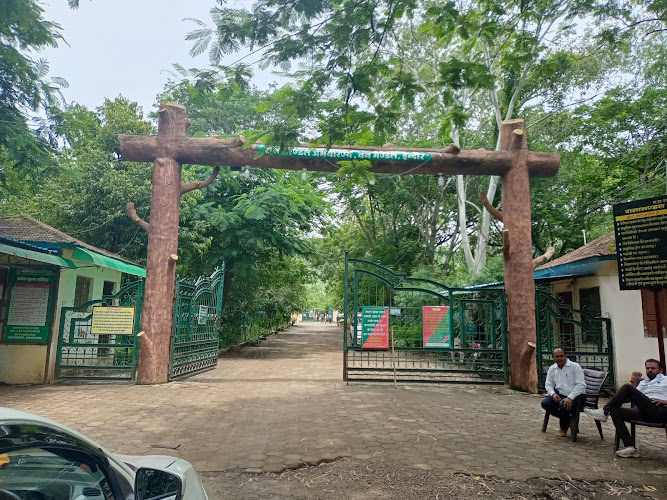
Ralamandal Wildlife Sanctuary
About Ralamandal Wildlife Sanctuary
Description
Ralamandal Wildlife Sanctuary is one of those places that quietly surprises you. It’s not the kind of destination plastered all over travel posters, but that’s part of its charm. Located just outside Indore, it feels like you’ve stepped into a pocket of wilderness that somehow escaped the chaos of urban life. The sanctuary was once a royal hunting ground, and you can still sense that old-world grandeur hidden among the trees and rolling hills. Today, it’s a protected haven where deer roam freely, peacocks strut about like they own the place, and the occasional big cat leaves its pawprints in the dust near the trails. The Narmada River flows gently through the park, adding a serene rhythm to the landscape that makes you want to slow down and just breathe.
I remember the first time I visited—it was one of those crisp mornings when the air smells faintly of earth and leaves. The light filtered through the canopy in golden streaks, and I could hear birds calling from somewhere deep inside the forest. There’s something grounding about this place. You don’t need to be a hardcore wildlife enthusiast to appreciate it; even a simple walk here feels like a small adventure. Sure, it’s not as massive or wild as some of India’s bigger sanctuaries, but that’s exactly what makes it accessible and personal. You can explore it at your own pace, without feeling rushed or overwhelmed.
The sanctuary is well-kept, though not overly manicured—thankfully. There are cycling lanes for those who like to explore on two wheels, and hiking trails that wind through the forest, some gentle enough for kids and families. It’s a favorite spot for school picnics, weekend trekkers, and bird watchers. And while you might spot sambars, blue bulls, or even a leopard if you’re lucky, the real magic lies in the quiet moments—the rustle of leaves, the flash of a kingfisher, or the way the sunlight dances on the river.
Key Features
- Rich Biodiversity: Home to deer, leopards, peacocks, and a variety of migratory birds during winter.
- Historical Significance: Once a royal hunting reserve, now a peaceful wildlife sanctuary preserving its regal legacy.
- Narmada River: The river flows through the sanctuary, adding scenic beauty and supporting the ecosystem.
- Outdoor Activities: Offers hiking, cycling, and nature walks with trails suitable for all ages.
- Family-Friendly: Ideal for picnics, school outings, and kid-friendly hikes.
- Facilities: Public restrooms, shaded resting spots, and designated cycling lanes make the visit comfortable.
- Accessibility: Located close to Indore, making it an easy half-day or full-day escape from the city.
Best Time to Visit
If you ask me, the best time to visit Ralamandal Wildlife Sanctuary is between October and March. Those months are perfect—the weather is pleasant, the forest feels alive, and the light is just right for photography. Winters bring migratory birds, which means you’ll hear a symphony of calls echoing through the trees. During this time, the mornings are crisp, and the afternoons are warm enough for a leisurely hike or picnic by the river.
Summer, on the other hand, can be quite hot. The trails get dusty and the animals prefer staying hidden in the shade. Still, if you’re an early riser, catching the sunrise here in May or June can be a treat. Monsoon months transform the sanctuary into a lush green wonderland—though the trails can get slippery, the smell of wet soil and the sight of mist clinging to the trees are worth it. So, really, there’s no bad time to visit—just different moods of the same wild heart.
How to Get There
Reaching Ralamandal Wildlife Sanctuary is pretty straightforward. It’s a short drive from Indore city, which makes it a convenient getaway for both locals and travelers passing through. Most people prefer taking a cab or driving themselves—it’s about a half-hour journey depending on traffic. The route itself is scenic, especially as you get closer and the city slowly gives way to open fields and forested patches.
If you’re someone who enjoys cycling, the ride to Ralamandal can be a fun challenge, especially early in the morning when the roads are quiet. Public buses and auto-rickshaws are also available, though a private vehicle gives you the freedom to explore at your own pace. Once you reach the entrance, there’s a small parking area, ticket counter, and a few local vendors selling tea and snacks—perfect for a quick energy boost before you head in.
Tips for Visiting
A few practical tips can make your trip smoother and more enjoyable. First off, wear comfortable shoes—trust me, you’ll thank yourself later. The trails are easy to moderate, but you’ll still be walking quite a bit. Carry a hat, sunscreen, and plenty of water, especially if you’re visiting during warmer months. There are shaded areas and rest spots, but hydration is key.
If you’re into photography, mornings and late afternoons offer the best light. The golden hues filtering through the trees make everything look cinematic. And if you’re hoping to spot wildlife, keep your voice low and your eyes open. The animals here are shy, and patience really pays off. I once waited nearly half an hour by the riverbank before a herd of deer appeared, their reflections shimmering on the water—it was worth every mosquito bite.
Families will find the sanctuary kid-friendly, but it’s best to keep an eye on children while hiking. The trails are safe but can get uneven in places. Don’t litter—carry a small bag for your trash. It’s heartbreaking to see plastic bottles in such a beautiful natural space. Also, avoid feeding animals; it disrupts their natural habits.
If you’re planning a picnic, pick a quiet spot near the river or under the shade of the big banyan trees. And if you’re lucky enough to visit during the cooler months, stay a little longer into the evening. The sunset here is something else—the sky turns shades of orange and pink, and the forest slowly slips into a calm hush. It’s the kind of peaceful moment that stays with you long after you’ve left.
Ralamandal Wildlife Sanctuary may not be the most famous attraction in Madhya Pradesh, but it has a quiet magic that grows on you. It’s a place where you can reconnect with nature without venturing too far from civilization. Whether you’re a photographer chasing that perfect shot, a family looking for a weekend outing, or just someone who needs a break from city noise, this sanctuary offers that rare blend of accessibility and wilderness. And honestly, that’s what makes it special—it’s wild enough to feel adventurous, yet calm enough to feel like home.
Key Features
- Key Features
- Best Time to Visit
- How to Get There
- Tips for Visiting
More Details
Updated October 11, 2025
Table of Contents
Description
Ralamandal Wildlife Sanctuary is one of those places that quietly surprises you. It’s not the kind of destination plastered all over travel posters, but that’s part of its charm. Located just outside Indore, it feels like you’ve stepped into a pocket of wilderness that somehow escaped the chaos of urban life. The sanctuary was once a royal hunting ground, and you can still sense that old-world grandeur hidden among the trees and rolling hills. Today, it’s a protected haven where deer roam freely, peacocks strut about like they own the place, and the occasional big cat leaves its pawprints in the dust near the trails. The Narmada River flows gently through the park, adding a serene rhythm to the landscape that makes you want to slow down and just breathe.
I remember the first time I visited—it was one of those crisp mornings when the air smells faintly of earth and leaves. The light filtered through the canopy in golden streaks, and I could hear birds calling from somewhere deep inside the forest. There’s something grounding about this place. You don’t need to be a hardcore wildlife enthusiast to appreciate it; even a simple walk here feels like a small adventure. Sure, it’s not as massive or wild as some of India’s bigger sanctuaries, but that’s exactly what makes it accessible and personal. You can explore it at your own pace, without feeling rushed or overwhelmed.
The sanctuary is well-kept, though not overly manicured—thankfully. There are cycling lanes for those who like to explore on two wheels, and hiking trails that wind through the forest, some gentle enough for kids and families. It’s a favorite spot for school picnics, weekend trekkers, and bird watchers. And while you might spot sambars, blue bulls, or even a leopard if you’re lucky, the real magic lies in the quiet moments—the rustle of leaves, the flash of a kingfisher, or the way the sunlight dances on the river.
Key Features
- Rich Biodiversity: Home to deer, leopards, peacocks, and a variety of migratory birds during winter.
- Historical Significance: Once a royal hunting reserve, now a peaceful wildlife sanctuary preserving its regal legacy.
- Narmada River: The river flows through the sanctuary, adding scenic beauty and supporting the ecosystem.
- Outdoor Activities: Offers hiking, cycling, and nature walks with trails suitable for all ages.
- Family-Friendly: Ideal for picnics, school outings, and kid-friendly hikes.
- Facilities: Public restrooms, shaded resting spots, and designated cycling lanes make the visit comfortable.
- Accessibility: Located close to Indore, making it an easy half-day or full-day escape from the city.
Best Time to Visit
If you ask me, the best time to visit Ralamandal Wildlife Sanctuary is between October and March. Those months are perfect—the weather is pleasant, the forest feels alive, and the light is just right for photography. Winters bring migratory birds, which means you’ll hear a symphony of calls echoing through the trees. During this time, the mornings are crisp, and the afternoons are warm enough for a leisurely hike or picnic by the river.
Summer, on the other hand, can be quite hot. The trails get dusty and the animals prefer staying hidden in the shade. Still, if you’re an early riser, catching the sunrise here in May or June can be a treat. Monsoon months transform the sanctuary into a lush green wonderland—though the trails can get slippery, the smell of wet soil and the sight of mist clinging to the trees are worth it. So, really, there’s no bad time to visit—just different moods of the same wild heart.
How to Get There
Reaching Ralamandal Wildlife Sanctuary is pretty straightforward. It’s a short drive from Indore city, which makes it a convenient getaway for both locals and travelers passing through. Most people prefer taking a cab or driving themselves—it’s about a half-hour journey depending on traffic. The route itself is scenic, especially as you get closer and the city slowly gives way to open fields and forested patches.
If you’re someone who enjoys cycling, the ride to Ralamandal can be a fun challenge, especially early in the morning when the roads are quiet. Public buses and auto-rickshaws are also available, though a private vehicle gives you the freedom to explore at your own pace. Once you reach the entrance, there’s a small parking area, ticket counter, and a few local vendors selling tea and snacks—perfect for a quick energy boost before you head in.
Tips for Visiting
A few practical tips can make your trip smoother and more enjoyable. First off, wear comfortable shoes—trust me, you’ll thank yourself later. The trails are easy to moderate, but you’ll still be walking quite a bit. Carry a hat, sunscreen, and plenty of water, especially if you’re visiting during warmer months. There are shaded areas and rest spots, but hydration is key.
If you’re into photography, mornings and late afternoons offer the best light. The golden hues filtering through the trees make everything look cinematic. And if you’re hoping to spot wildlife, keep your voice low and your eyes open. The animals here are shy, and patience really pays off. I once waited nearly half an hour by the riverbank before a herd of deer appeared, their reflections shimmering on the water—it was worth every mosquito bite.
Families will find the sanctuary kid-friendly, but it’s best to keep an eye on children while hiking. The trails are safe but can get uneven in places. Don’t litter—carry a small bag for your trash. It’s heartbreaking to see plastic bottles in such a beautiful natural space. Also, avoid feeding animals; it disrupts their natural habits.
If you’re planning a picnic, pick a quiet spot near the river or under the shade of the big banyan trees. And if you’re lucky enough to visit during the cooler months, stay a little longer into the evening. The sunset here is something else—the sky turns shades of orange and pink, and the forest slowly slips into a calm hush. It’s the kind of peaceful moment that stays with you long after you’ve left.
Ralamandal Wildlife Sanctuary may not be the most famous attraction in Madhya Pradesh, but it has a quiet magic that grows on you. It’s a place where you can reconnect with nature without venturing too far from civilization. Whether you’re a photographer chasing that perfect shot, a family looking for a weekend outing, or just someone who needs a break from city noise, this sanctuary offers that rare blend of accessibility and wilderness. And honestly, that’s what makes it special—it’s wild enough to feel adventurous, yet calm enough to feel like home.
Key Highlights
- Key Features
- Best Time to Visit
- How to Get There
- Tips for Visiting
Location
Places to Stay Near Ralamandal Wildlife Sanctuary
Find and Book a Tour
Explore More Travel Guides
No reviews found! Be the first to review!
Traveler Reviews for Ralamandal Wildlife Sanctuary
There are no reviews yet. Be the first one to write one.
Have you visited Ralamandal Wildlife Sanctuary? Help other travelers by sharing your review.
You Might Also Like

Zuari Brg
Antarvedi Beach

Keibul Lamjao National Park
Find Accommodations Nearby
Recommended Tours & Activities
Visitor Reviews
There are no reviews yet. Be the first one to write one.
Share Your Experience
Have you visited Ralamandal Wildlife Sanctuary? Help other travelers by leaving a review.