

Keibul Lamjao National Park
About Keibul Lamjao National Park
Description
Keibul Lamjao National Park is one of those rare places that makes you pause and think, “Wow, nature really outdid itself here.” It’s the only floating national park in the world, resting on the shimmering waters of Loktak Lake in Manipur. Imagine walking across a wetland that’s actually made up of phumdis—floating masses of soil, vegetation, and organic matter that shift gently with the water. It’s surreal, almost like stepping into a dreamscape. And then there’s the park’s most famous resident, the sangai deer, a shy and graceful creature you won’t find anywhere else on Earth. Watching one move through the tall reeds feels like witnessing a secret the world nearly forgot.
Now, it’s not perfect—some parts can feel a bit underdeveloped, and if you’re expecting manicured trails or flashy visitor centers, you might be disappointed. But that’s also part of its charm. This is a place where nature takes the lead, and you’re just a respectful guest. Families often come here for picnics, and the park has made an effort to be accessible, with wheelchair-friendly entrances and parking. There are picnic tables, barbecue grills, and even swings for kids, which makes it easy to spend a whole day without rushing. The public restrooms are basic but functional, and the hiking paths—while not overly challenging—give you a chance to stretch your legs and soak in the sights.
Personally, I think the magic of Keibul Lamjao is in the quiet moments: the stillness of the lake at dawn, the sudden ripple of water when a fish breaks the surface, the way the air smells faintly of wet grass and earth. It’s the kind of place that rewards patience. You might come for the sangai, but you’ll leave remembering the light, the water, and the feeling of being somewhere utterly unique.
Key Features
- World’s only floating national park, located on Loktak Lake
- Home to the endangered sangai deer, found nowhere else
- Unique floating phumdis ecosystem
- Wheelchair-accessible entrance and parking
- Facilities include picnic tables, barbecue grills, swings, and public restrooms
- Kid-friendly hikes and playground areas
- Opportunities for birdwatching and photography
Best Time to Visit
If you want the park at its most photogenic, aim for the cool, dry months between November and March. The skies are clearer, the air is crisp, and the sangai are easier to spot moving through the grasslands. I once visited in late December, and the early morning mist over the lake made everything look like a watercolor painting. Summer can be humid, and the monsoon season (June to September) brings heavy rains that can make some paths muddy and less inviting. But the rains also make the lake swell, and the floating islands seem to come alive—so if you don’t mind getting a bit wet, it’s still worth the trip.
How to Get There
Reaching Keibul Lamjao isn’t complicated, but it does require a bit of planning. The nearest major city is Imphal, and from there, it’s about a 1–2 hour drive depending on traffic and road conditions. Taxis and private cars are the most convenient options, though there are also local buses if you’re traveling light and don’t mind a slower pace. I’d recommend starting early in the morning—not just to beat the crowds, but because the wildlife is more active before the heat sets in. Keep in mind that mobile connectivity can be spotty, so it’s smart to download maps or directions ahead of time.
Tips for Visiting
First off, bring binoculars. Even if you’re not a hardcore birder, you’ll appreciate the closer look at the sangai and the many bird species that call the park home. Wear comfortable shoes that can handle a bit of mud, and carry water because there aren’t many vendors inside the park itself. If you’re planning a picnic, pack your own food and clean up afterward—this place deserves to stay as pristine as possible. And here’s a little personal tip: take a moment to just sit quietly by the water. Don’t check your phone, don’t rush to the next spot—just listen. The sound of the wind through the reeds and the gentle lap of water against the phumdis is something you’ll carry with you long after you leave.
Key Features
- World’s only floating national park, located on Loktak Lake
- Home to the endangered sangai deer, found nowhere else
- Unique floating phumdis ecosystem
- Wheelchair-accessible entrance and parking
- Facilities include picnic tables, barbecue grills, swings, and public restrooms
- Kid-friendly hikes and playground areas
- Opportunities for birdwatching and photography
More Details
Updated August 9, 2025
Table of Contents
Description
Keibul Lamjao National Park is one of those rare places that makes you pause and think, “Wow, nature really outdid itself here.” It’s the only floating national park in the world, resting on the shimmering waters of Loktak Lake in Manipur. Imagine walking across a wetland that’s actually made up of phumdis—floating masses of soil, vegetation, and organic matter that shift gently with the water. It’s surreal, almost like stepping into a dreamscape. And then there’s the park’s most famous resident, the sangai deer, a shy and graceful creature you won’t find anywhere else on Earth. Watching one move through the tall reeds feels like witnessing a secret the world nearly forgot.
Now, it’s not perfect—some parts can feel a bit underdeveloped, and if you’re expecting manicured trails or flashy visitor centers, you might be disappointed. But that’s also part of its charm. This is a place where nature takes the lead, and you’re just a respectful guest. Families often come here for picnics, and the park has made an effort to be accessible, with wheelchair-friendly entrances and parking. There are picnic tables, barbecue grills, and even swings for kids, which makes it easy to spend a whole day without rushing. The public restrooms are basic but functional, and the hiking paths—while not overly challenging—give you a chance to stretch your legs and soak in the sights.
Personally, I think the magic of Keibul Lamjao is in the quiet moments: the stillness of the lake at dawn, the sudden ripple of water when a fish breaks the surface, the way the air smells faintly of wet grass and earth. It’s the kind of place that rewards patience. You might come for the sangai, but you’ll leave remembering the light, the water, and the feeling of being somewhere utterly unique.
Key Features
- World’s only floating national park, located on Loktak Lake
- Home to the endangered sangai deer, found nowhere else
- Unique floating phumdis ecosystem
- Wheelchair-accessible entrance and parking
- Facilities include picnic tables, barbecue grills, swings, and public restrooms
- Kid-friendly hikes and playground areas
- Opportunities for birdwatching and photography
Best Time to Visit
If you want the park at its most photogenic, aim for the cool, dry months between November and March. The skies are clearer, the air is crisp, and the sangai are easier to spot moving through the grasslands. I once visited in late December, and the early morning mist over the lake made everything look like a watercolor painting. Summer can be humid, and the monsoon season (June to September) brings heavy rains that can make some paths muddy and less inviting. But the rains also make the lake swell, and the floating islands seem to come alive—so if you don’t mind getting a bit wet, it’s still worth the trip.
How to Get There
Reaching Keibul Lamjao isn’t complicated, but it does require a bit of planning. The nearest major city is Imphal, and from there, it’s about a 1–2 hour drive depending on traffic and road conditions. Taxis and private cars are the most convenient options, though there are also local buses if you’re traveling light and don’t mind a slower pace. I’d recommend starting early in the morning—not just to beat the crowds, but because the wildlife is more active before the heat sets in. Keep in mind that mobile connectivity can be spotty, so it’s smart to download maps or directions ahead of time.
Tips for Visiting
First off, bring binoculars. Even if you’re not a hardcore birder, you’ll appreciate the closer look at the sangai and the many bird species that call the park home. Wear comfortable shoes that can handle a bit of mud, and carry water because there aren’t many vendors inside the park itself. If you’re planning a picnic, pack your own food and clean up afterward—this place deserves to stay as pristine as possible. And here’s a little personal tip: take a moment to just sit quietly by the water. Don’t check your phone, don’t rush to the next spot—just listen. The sound of the wind through the reeds and the gentle lap of water against the phumdis is something you’ll carry with you long after you leave.
Key Highlights
- World’s only floating national park, located on Loktak Lake
- Home to the endangered sangai deer, found nowhere else
- Unique floating phumdis ecosystem
- Wheelchair-accessible entrance and parking
- Facilities include picnic tables, barbecue grills, swings, and public restrooms
- Kid-friendly hikes and playground areas
- Opportunities for birdwatching and photography
Location
Places to Stay Near Keibul Lamjao National Park
Find and Book a Tour
Explore More Travel Guides
No reviews found! Be the first to review!
Traveler Reviews for Keibul Lamjao National Park
There are no reviews yet. Be the first one to write one.
Have you visited Keibul Lamjao National Park? Help other travelers by sharing your review.
You Might Also Like

Ghosh para children park
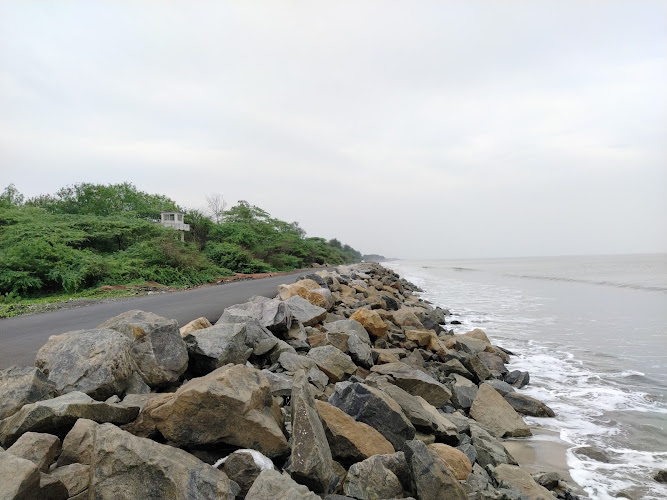
Kakinada - Uppada Beach Rd
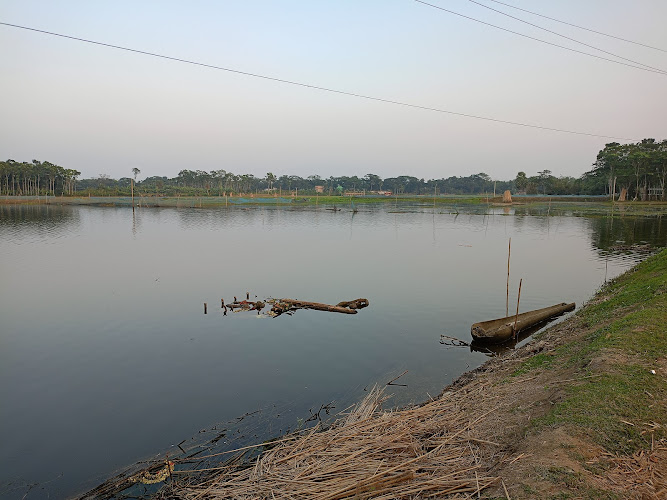
Beri Baor
Find Accommodations Nearby
Recommended Tours & Activities
Visitor Reviews
There are no reviews yet. Be the first one to write one.
Share Your Experience
Have you visited Keibul Lamjao National Park? Help other travelers by leaving a review.